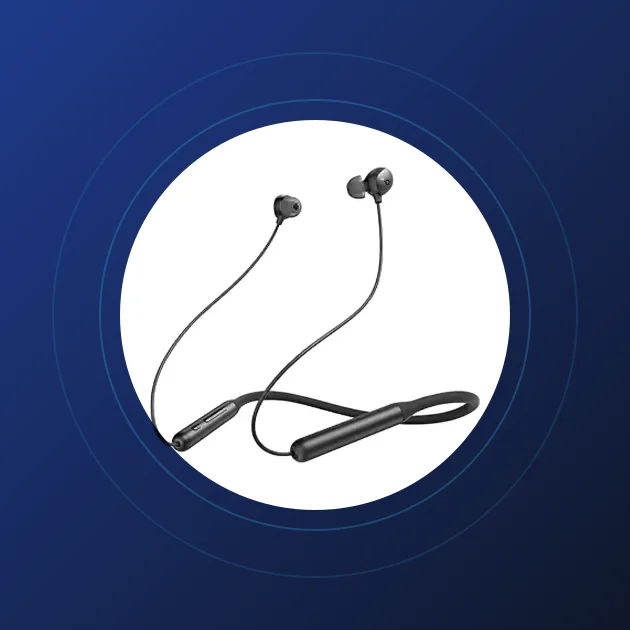
Neckband vs. TWS Earbuds: Which is Best for Daily Work Calls?
Struggling to choose between neckband earphones and true wireless earbuds (TWS) for office meetings and long business calls? Here is a technical breakdown.
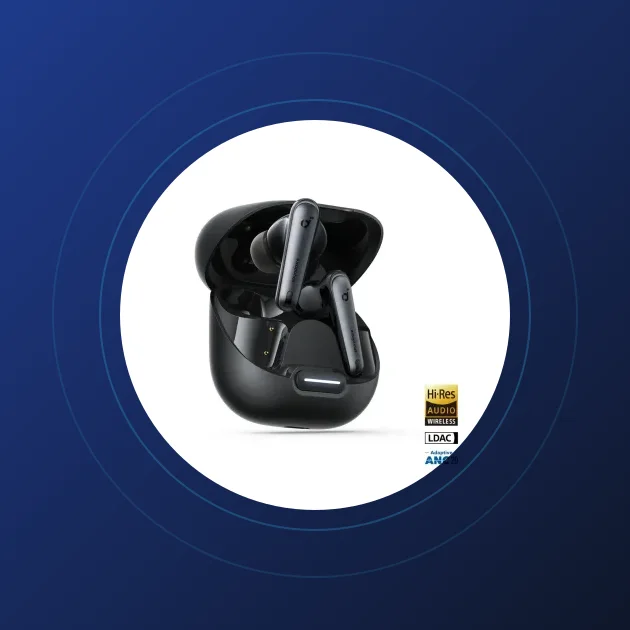
Quick Take: For continuous daily business calls, choose a Neckband earphone if you prioritize exceptional battery runtime (up to 24 hours), close microphone physical proximity, and safety against dropping the buds. Choose TWS earbuds if you prioritize compact size, zero cables, and advanced Active Noise Cancellation (ANC) to block office background noise. The Soundcore Life U2i is a top neckband model, and the Soundcore Liberty 4 NC is an excellent TWS option.
Modern working environments, whether you are working from home (Remote Work) or navigating a busy open office, demand participation in daily online meetings on Zoom and Microsoft Teams. In a hectic work schedule, selecting the right headset is not a minor detail. It determines whether you can complete your workday without ear fatigue, and whether your voice reaches clients and management with professional clarity, or if you will spend meetings asking "Can you hear me now?".
At the CairoVolt lab, we analyze consumer technology from an engineering perspective to fit your daily lifestyle in Egypt. Comparing wireless neckbands to True Wireless Stereo (TWS) earbuds is a critical decision for office workers and freelancers. Each design offers unique physical, electrical, and acoustic trade-offs that affect microphone performance, battery life, and long-term comfort. In this detailed guide, we explain the core differences to help you choose the right gear for your daily tasks.
1. The Neckband Earphone: Built for Endurance and Extended Talk Time
Neckbands like the Soundcore Life U2i Neckband feature a flexible collar band that rests comfortably around your neck, connected to the earpieces by short cords. This chassis design provides clear engineering advantages:
- 🔋 Extended Battery Runtime: The collar band housing accommodates a larger lithium battery. These units deliver 20 to 24 hours of continuous talk time on a single charge, providing three full workdays of operation without needing a charger.
- 🎤 Physical Microphone Proximity: The microphone sits on the collar band close to your mouth and throat, capturing your vocal frequencies directly with minimal atmospheric interference.
- 🛡️ Safe and Secure: When you need to speak to a colleague in the office, you can let the magnetic earpieces hang safely on your chest, preventing them from falling into coffee cups or getting lost under desks.
2. TWS Earbuds: Ultimate Portability and Smart Features
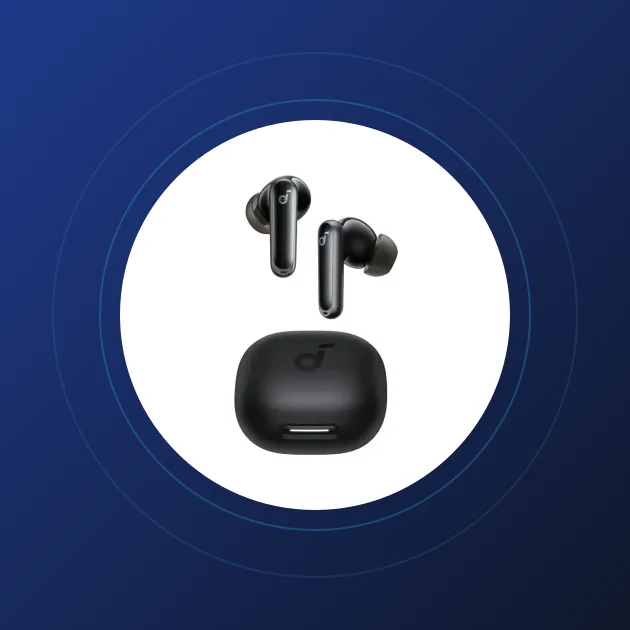
TWS earbuds like the Soundcore P20i or the advanced Soundcore Liberty 4 NC offer a completely cable-free design with compact pocket cases:
- 🪶 Ultra-Lightweight and Unrestricted Movement: With no wires touching your neck, these earbuds offer a clean, professional appearance during video presentations.
- 🤫 Advanced Active Noise Cancellation (ANC): Modern TWS chipsets excel at filtering out ambient office noises by using dedicated internal and external microphone arrays.
- 📱 Rich Software Integration: Companion apps let you customize touch controls, adjust equalizers, and upgrade firmware to improve performance.
3. Technical Microphone Analysis and Call Quality
The biggest challenge for Bluetooth audio is microphone clarity. On TWS earbuds, the microphone resides near your ear canal (approximately 10-12 cm from your mouth). To capture your voice clearly, the system relies on complex AI noise-reduction algorithms to isolate your speech from background noise. In noisy cafes or homes, this compression can make your voice sound distant or muffled.
In contrast, a neckband benefits from physical proximity to your mouth (about 3-5 cm). This allows the microphone to record your natural voice print with minimal digital compression, making it a superior choice if your job involves client negotiation or call center tasks.
To set up your device, learn how to pair bluetooth earbuds samsung phone or laptop. Make sure to complete the initial pairing sequence properly to prevent call routing issues.
4. Technical Comparison: Neckbands vs. TWS Earbuds
This table summarizes the technical differences to help you choose the best option for your workspace:
| Technical Metric | Neckband Earphones | TWS Earbuds |
|---|---|---|
| Battery Life (Single Charge) | 20 - 24 Hours continuous | 5 - 8 Hours (requires charging case) |
| Microphone Vocal Tone | Natural, warm, and close | Average to Excellent (model dependent) |
| Wear Comfort & Weight | Felt on shoulders, but comfortable | Weightless, barely felt in ear |
| Active Noise Cancellation (ANC) | Rare/Limited in budget models | Highly advanced in mid-to-high tier models |
Choosing the correct format protects your hearing, ensures clear communication with clients, and extends the service life of your office accessories in Egypt.
5. Resolving Laptop Bluetooth Mic Incompatibilities (Windows & macOS)
Many remote workers experience technical issues like "mic not working earbuds samsung fix" on Windows laptops when using Bluetooth headsets. To resolve these channel conflicts:
- Open the Sound Control Panel in Windows, and designate your Bluetooth headset as the **Default Communication Device** under both the Playback and Recording tabs.
- If you use TWS earbuds, you can disable the "Hands-free telephony" service in Windows device settings if you use a separate external microphone, allowing the earbuds to play high-definition stereo audio.
- Clean the microphone openings regularly with a soft brush to remove dust blockages that impede acoustic capture.
Following these technical instructions ensures a stable connection and a call experience free of sudden interruptions in Egypt.
5.1. Electrical Efficiency and Battery Cycle Durability in Egypt
Analyzing the battery chemistry, TWS earbuds require frequent charging cycles because their tiny internal lithium cells (typically 40-50mAh per bud) discharge rapidly. This constant cycling exhausts the battery's chemical lifespan, often reducing TWS battery performance within two years of intensive use.
Conversely, a neckband features a single, larger lithium cell (usually exceeding 150-200mAh) and charges directly via USB-C without an intermediate case. This efficiency minimizes wasted battery cycles, extending the chemical lifespan of the lithium cell to three or four years of active use. This makes neckbands a highly durable and cost-effective investment for professionals in Egypt. By evaluating your daily workflow requirements and prioritizing ergonomic comfort alongside battery endurance, you enhance your professional productivity and protect your hearing health during remote work in Egypt.
4.1. Latency Comparison and Lip-Sync Precision in Video Conferences
One of the most frustrating experiences during a critical Zoom business presentation is audio lag, where the speaker's lip movements do not sync with the voice you hear. This wireless latency, measured in milliseconds (ms), differs between TWS and neckband architectures.
On TWS earbuds, the digital audio packet must travel from your laptop to a master earbud, which then decodes the signal, forwards it to the slave earbud, and synchronizes the playback timing between both units. This complex processing loop can introduce 200ms to 300ms of latency in budget models, disrupting interactive conversation flow.
With neckbands, a larger receiver antenna is located in the collar chassis, and the decoded signal travels to both earpieces simultaneously via physical copper wires. This wired connection between the two channels bypasses the need for wireless inter-bud synchronization, reducing latency to under 100ms and providing real-time lip-sync for video calls.
4.2. Ergonomic Health: Cartilage Pressure and Outer Ear Infection Risks
Working an 8-hour shift wearing a headset requires careful consideration of ear health. TWS and neckband designs apply mechanical weight and physical pressure to your ear structure in completely different ways.
TWS earbuds place their entire weight (containing the lithium cell, receiver, and driver) directly inside your ear canal and concha. This localized pressure compresses the delicate ear cartilage, causing physical soreness after a few hours of use. Additionally, the tight seal completely blocks airflow, increasing moisture buildup inside the canal and raising the risk of otitis externa (outer ear canal inflammation).
Conversely, a neckband distributes its main weight across your collarbone and shoulders. The actual earpieces that insert into your ears are small and lightweight because they contain no batteries or circuit boards. This design minimizes cartilage pressure and allows ambient air circulation, making it the healthier and more comfortable option for prolonged office use.
5.2. How to Prevent Internal Cable Breakage and Extend Neckband Lifespan
One of the most common failure modes for neckband earphones in Egypt is internal copper wire breakage within the thin cables connecting the collar band to the earpieces. This structural damage typically occurs due to sudden snagging or pulling the earpieces aggressively.
To avoid cable failures and ensure your neckband lasts for years, implement these guidelines:
- Never remove the earpieces from your ears by pulling on the cable itself. Instead, grasp the plastic housing of the earbud directly and slide it out gently.
- Take advantage of the integrated magnets on the back of the earbuds to snap them together on your chest when not in use. This prevents the cables from dangling, catching on drawer handles, or snagging during desk movements.
- Avoid folding or twisting the flexible collar band tightly when packing it into your bag. Keep it in its natural shape or store it in a dedicated protective case to prevent pressure damage.

CairoVolt Editorial Team
Content team reviewing specifications and buying guides
The CairoVolt team reviews model numbers, specifications, and compatibility, and updates information when better data is available. Estimates are labeled as calculations, and readers can report information that needs correction.
Frequently Asked Questions
Why is neckband microphone quality often superior to TWS earbuds?▼
Can I connect a neckband earphone to my laptop and phone simultaneously?▼
What are the main disadvantages of TWS earbuds in active office environments in Egypt?▼
Does enabling ANC on TWS earbuds impact microphone voice quality?▼
Ready to Buy?
Browse available products and review specifications and CairoVolt warranty terms before ordering
Related products
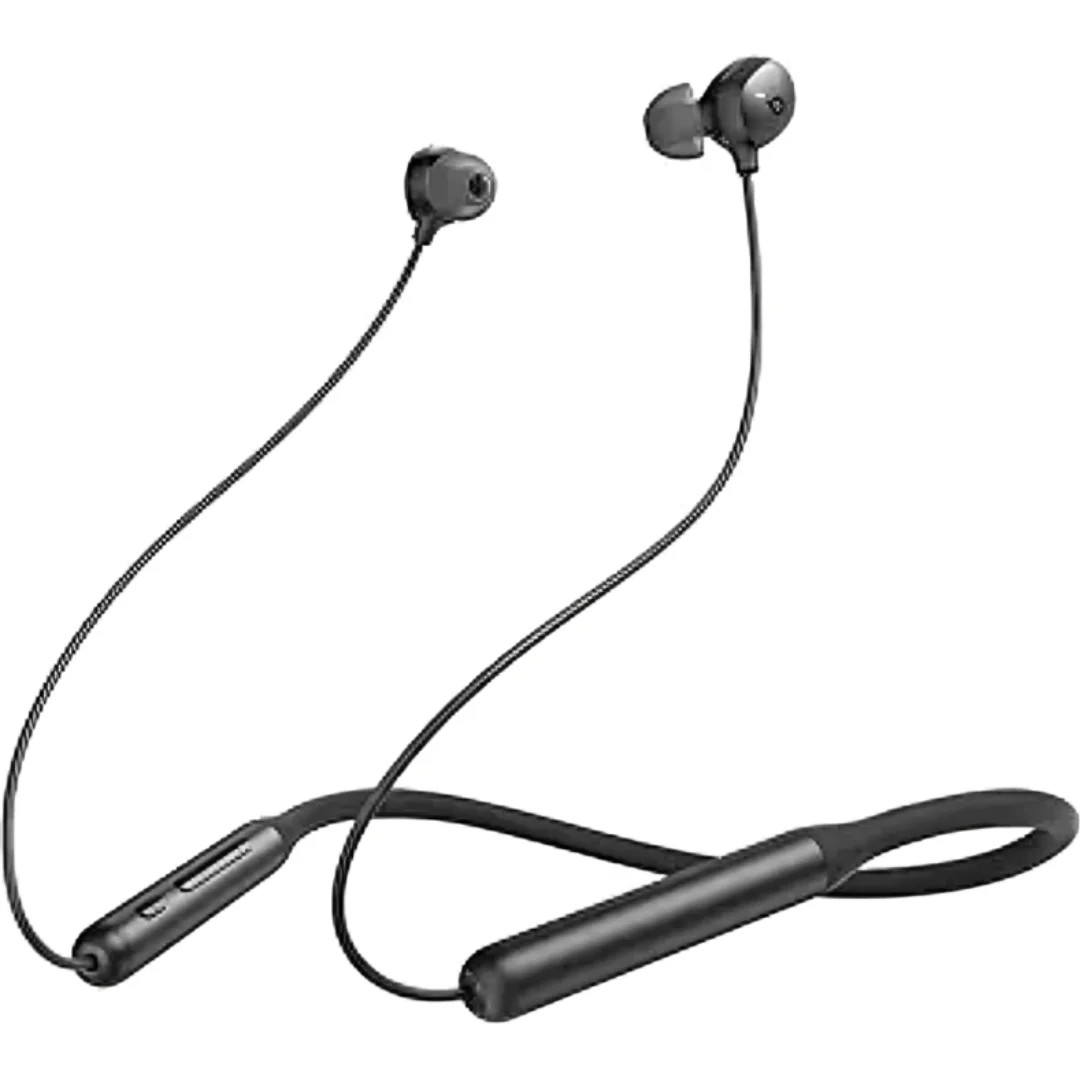
Soundcore Life U2i | Neckband | 10mm Graphene BassUp | 22h | IPX5 | BT 5.0
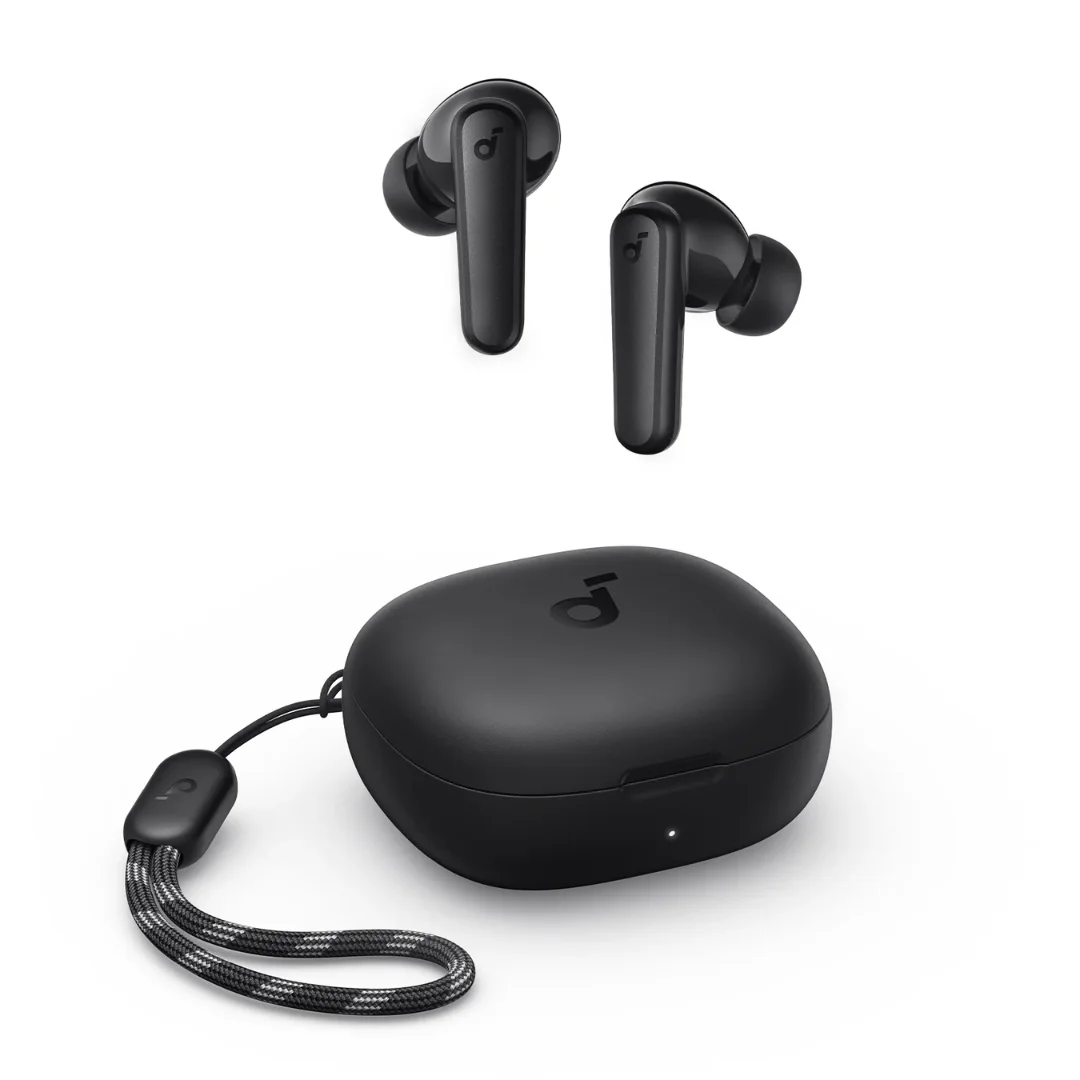
Soundcore P20i | 10mm Drivers | 30h Battery | Bluetooth 5.3
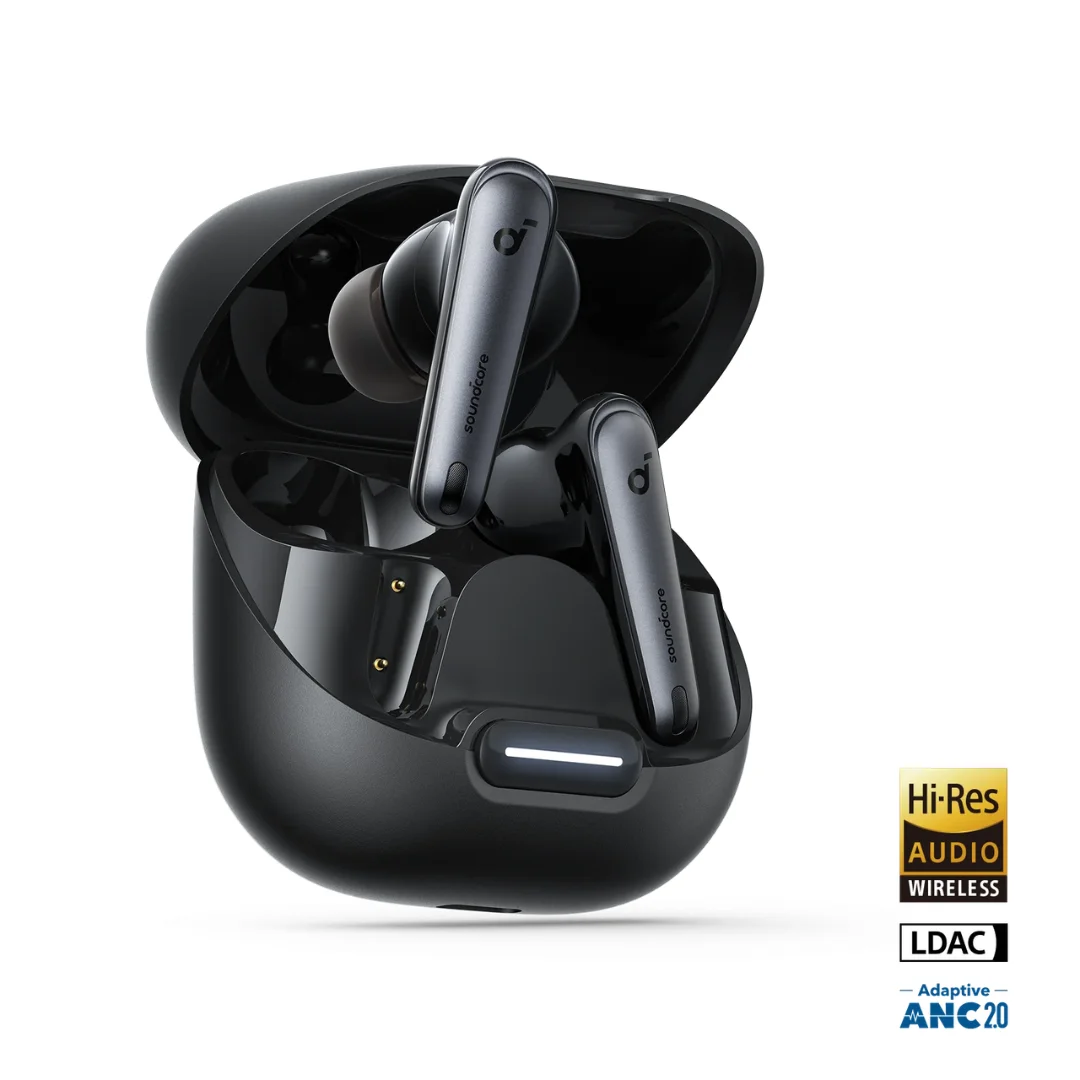
Soundcore Liberty 4 NC | Manufacturer-Listed Adaptive ANC | 11mm | LDAC | Up to 50h
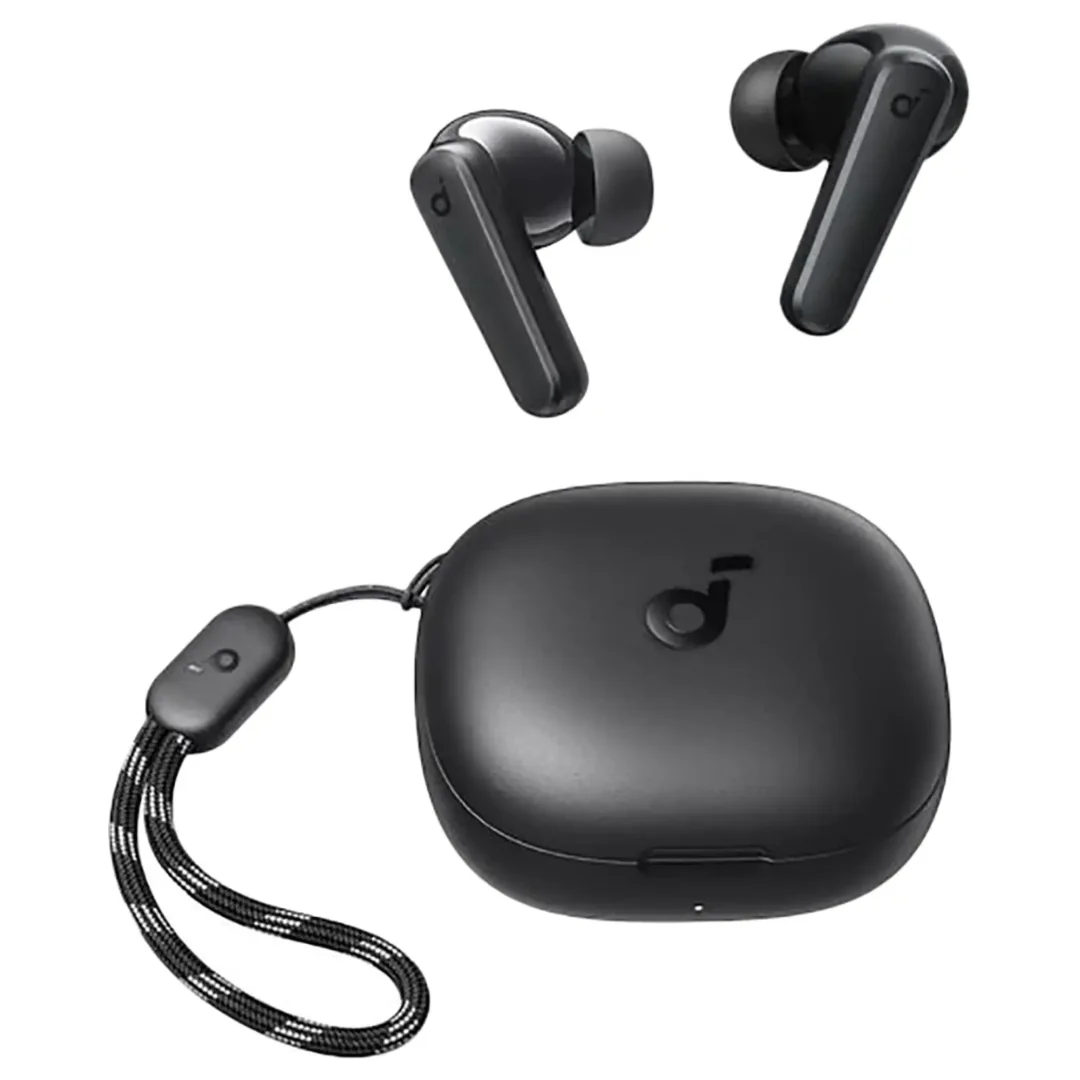
Anker Soundcore R50i | 10mm Drivers | 30h Battery | In-Ear
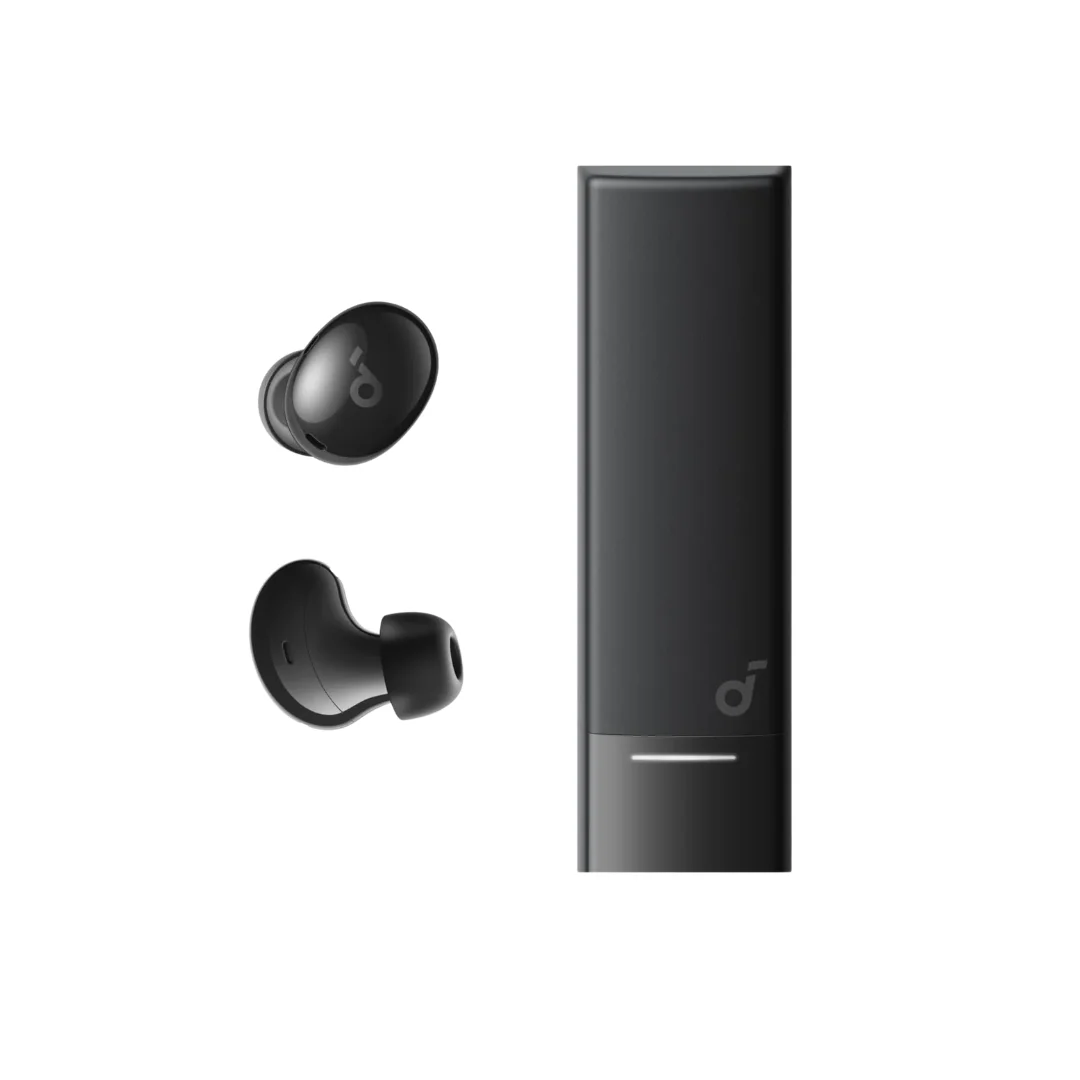
Soundcore A30i | 46dB Smart ANC | 6mm | 24h Battery | Lipstick Case | BT 5.4