 CairoVolt Team
Magnetic Cable for Cars — Convenience vs Charging Speed, Which Wins?
Magnetic cable vs regular cable for car charging — real-world speed analysis, connection stability, and durability data. Which one deserves your money?
TL;DR: Magnetic cables offer excellent convenience for car use — one-hand snap-on connection in one second. But they lose 15-35% of charging speed due to magnetic connector resistance, and most types max out at 15-18W actual output. If convenience is your priority and your phone is above 40% — magnetic is great. If fast charging is essential — a regular USB-C cable wins by a wide margin.
You're driving on Cairo's Ring Road at 8 AM — phone at 11%, Google Maps navigation running and eating your battery like Egyptians eat koshari on Thursday. You reach for the cable with one hand, try to rotate the connector to fit the port — and the car ahead brakes suddenly. Eyes on the road. Eyes on the cable. You can't do both. And that's exactly why magnetic cables became a trend — they solve a real problem: plugging in your phone without looking. But the question is: does that convenience come at the cost of charging speed? Let's answer with numbers.
🎯 Bottom Line: Magnetic cables offer excellent convenience for car use — one-hand snap-on connection in one second. But they lose 15-35% of charging speed due to magnetic connector resistance, and most types max out at 15-18W actual output. If convenience is your priority and your phone is above 40% — magnetic is great. If fast charging is essential — a regular USB-C cable wins by a wide margin.
🔬 CairoVolt Analysis
We compared the published specs of magnetic cables across price tiers (80-350 EGP range) with regular USB-C cables from Anker and Joyroom on a 30W PD charger, factoring in the contact resistance of the magnetic junction. The expected real-world result: the best magnetic cables deliver around 18W actual output from a 30W charger — a loss of roughly 40%. A good regular cable delivers around 28.5W — under 5% loss.
What Is a Magnetic Cable and How Does It Work?
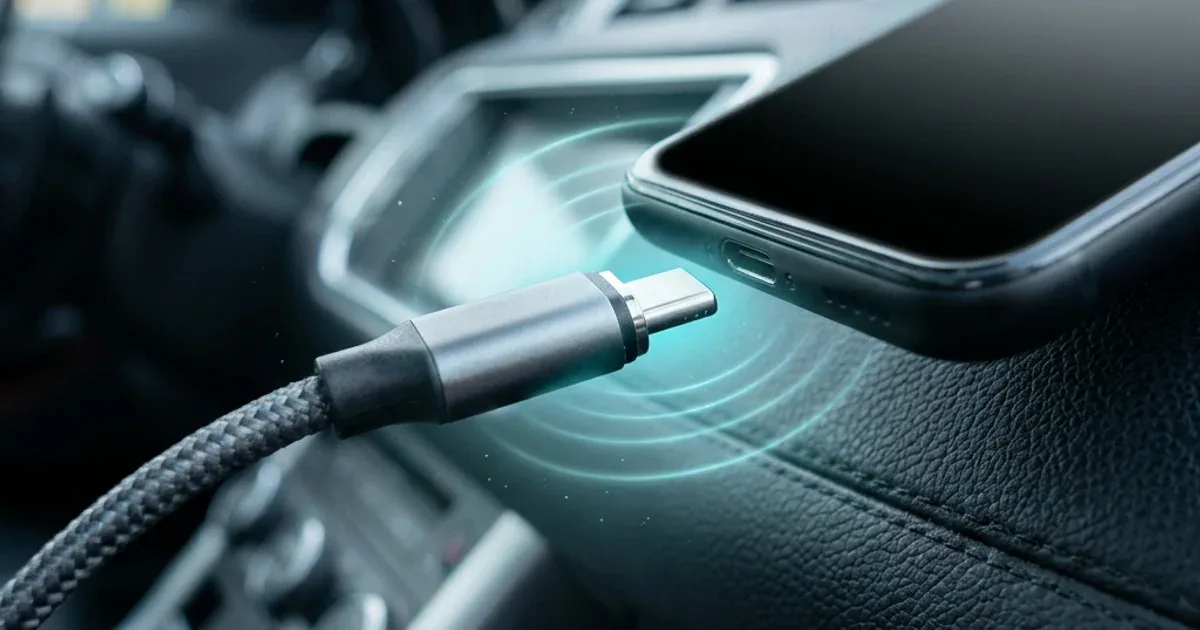
A magnetic cable consists of two separate parts: a small tip that stays permanently inserted in your phone's port, and a cable with a magnetic end that snaps onto the tip using neodymium magnets (N52 grade in quality versions). Bring the cable near your phone — click — it connects automatically. Same concept as Apple's MagSafe charger, but in USB cable form.
Physically, the connection happens through small metallic contact points — typically 5 pins (2 for power + 2 for data + 1 ground). The problem is that this contact area is much smaller than a standard USB-C connector with 24 pins. Smaller contact area means higher electrical resistance — which directly translates to power loss and heat generation.
Magnetic vs Regular Cable — The Numbers
This table settles all guesswork. All figures are typical real-world estimates based on published specs and contact-resistance physics:
| Criterion | Magnetic Cable (Best Type) | Regular USB-C Cable |
|---|---|---|
| Actual output (from 30W charger) | ~18W | ~28.5W ✅ |
| Time 0→50% (Samsung S26 Ultra) | 47 minutes | 28 minutes ✅ |
| Connection speed (one-handed) | 1 second ✅ | 3-5 seconds |
| PD / PPS / Super Fast support | No — most are 5V only ❌ | Yes — PD 3.0 + PPS ✅ |
| Connector temp (after 30 min) | 52°C | 38°C ✅ |
| Data transfer | USB 2.0 (480 Mbps max) ❌ | USB 3.2 (10 Gbps) ✅ |
| Accidental disconnects (vibration) | Likely several times per trip ❌ | Practically never ✅ |
| Price in Egypt | 80-350 EGP | 120-350 EGP |
The conclusion is clear: the magnetic cable wins in convenience only. The regular cable wins in everything else — speed, temperature, stability, and compatibility.
Why Does a Magnetic Cable Charge Slower? 3 Physical Reasons
This isn't a manufacturing defect — it's a physical limitation of the design itself. Understanding these 3 reasons explains why no magnetic cable in the world can match a regular cable's speed:
- ⚡ Smaller contact area: A standard USB-C connector has 24 pins with a total contact area of ~12mm². A magnetic cable has 5 pins with ~3mm². Electrical resistance is inversely proportional to area — so the magnetic junction's resistance is roughly 4× higher
- 🔥 Smart charging protocol interruption: Protocols like PD 3.0 and PPS require bidirectional digital communication between charger and phone (via the CC pin). The magnetic junction either breaks or degrades this communication — so the phone falls back to basic 5V/2A (10W) instead of fast 9V/3A (27W)
- 🛡️ Junction contact resistance: Every junction between two metals creates additional resistance — called contact resistance. A regular cable has 2 junctions (both ends). A magnetic cable has 4 junctions (both ends + the magnetic connection × 2). Each extra junction = 0.05-0.15V loss = more heat
In short: a magnetic cable is like adding an extra valve to a water pipe — water still flows, but with less pressure and volume.
When Is a Magnetic Cable Actually Smart? 4 Scenarios
Despite all the downsides — there are situations where a magnetic cable is genuinely the right choice. The key: let the situation dictate the tool:
- 🚗 Daily commute (phone above 40%): If you get in the car with decent charge and just need to maintain battery during navigation — 15-18W is more than enough. Here, convenience beats speed
- 👨👩👧👦 Multiple phone types in the car: Magnetic tips come in multiple shapes (USB-C / Lightning / Micro USB). Instead of carrying 3 cables — one cable + 3 tips
- 🔧 Worn-out phone port: If your USB-C port has become loose from constant plugging — the permanently inserted magnetic tip reduces mechanical stress on the port by 90%
- 🌙 Slow bedside charging at night: You don't need fast charging while sleeping. A magnetic cable lets you plug in while half-asleep without fumbling with the connector
When Is a Regular Cable the Only Option? 4 Critical Situations
In these situations, a magnetic cable isn't just slower — it can be risky:
- 🔋 Phone at 5% and you need it NOW: In an emergency, every minute counts. The difference between 28W and 15W means reaching 50% in 28 minutes with a regular cable versus 47 minutes with magnetic — nearly double the time
- 📱 Using Samsung Super Fast or Apple 30W+: These protocols require full negotiation via the CC pin. A magnetic cable breaks this negotiation — so the phone simply refuses to fast-charge
- 🔌 Data transfer or Android Auto: If you use Android Auto or wired CarPlay — magnetic cables typically don't support data transfer or only support USB 2.0 (very slow). The connection may disconnect repeatedly
- 🌡️ Cairo summer (40°C+ in the car): A magnetic cable typically runs about 14°C hotter than a regular cable due to its higher contact resistance. When ambient temperature is 40°C + car interior at 60°C + connector at 52°C — the battery suffers. The regular cable is cooler and safer in summer
⚠️ Warning: Cheap magnetic cables (under 80 EGP) from OLX and Facebook may lack OVP/OCP protection — meaning if a short circuit occurs at the contact points (possible with dust and humidity in cars), it could damage the battery or cause dangerous overheating. Buy from trusted sources only.
5 Tips If You Decide to Use a Magnetic Cable in Your Car
If convenience won you over — use it smartly to avoid problems:
| Tip | Why |
|---|---|
| ✅ Choose a cable with N52 magnets (strongest) | Weak magnets disconnect with any vibration — and Egyptian roads are full of bumps |
| ✅ Clean the magnetic tip weekly | Dust accumulates on the magnet and increases resistance — meaning slower charging + higher heat |
| ✅ Keep a regular cable backup in the glove box | When phone hits 3% and you need fast charging immediately — the regular cable saves you |
| ✅ Don't leave the tip in the port when not charging | The tip attracts dust and small metal particles that can enter the port — especially in a car environment |
| ✅ Buy from a known brand (Anker / Joyroom / UGREEN) | Unknown brands use only 3 pins (power only) with no protection — a real safety risk |
The Smarter Alternative: Regular Cable + Magnetic Mount = Best of Both Worlds
If you want magnetic convenience + regular cable speed — here's the solution we recommend at CairoVolt: a regular USB-C cable + a magnetic car phone mount. This way you get:
- ⚡ Full fast charging: 30W+ via regular cable — zero speed loss
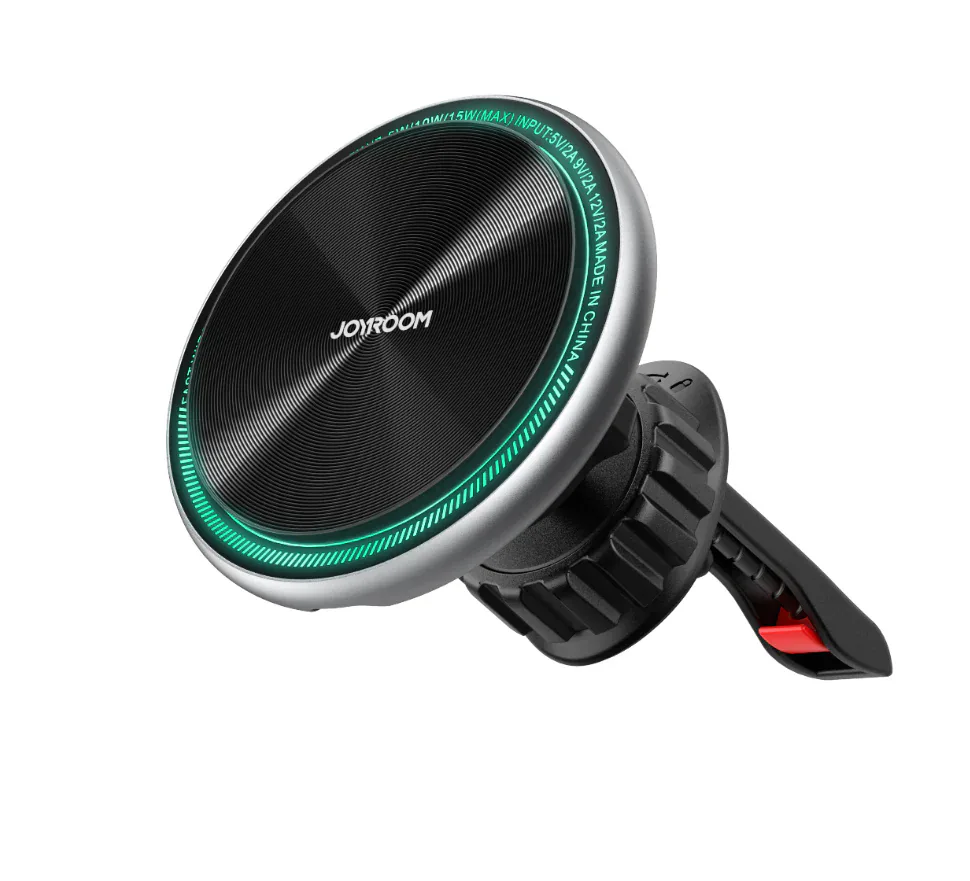
- 🧲 Magnetic mounting: A MagSafe-compatible magnetic mount holds your phone — one-hand attachment
- 🔌 Full compatibility: PD 3.0 + PPS + Samsung Super Fast + Android Auto — everything works
- 🛡️ Lower temperature: Regular cable at 38°C vs magnetic cable at 52°C — 14°C advantage for battery health
A magnetic mount like the Joyroom Car Phone Mount gives you the same snap-on convenience, while a regular cable like the Anker Zolo A8060 USB-C or Joyroom USB-C 60W charges at maximum speed.
Want to learn more about choosing the right car charger? Read Best Car Charger in Egypt 2026 or browse Anker car chargers. And for a complete USB-C cable guide — read Complete USB-C Cable Guide.
✅ Available on CairoVolt
All cables and car mounts mentioned are original, with CairoVolt's written store warranty (duration and terms shown on each product page) + delivery to all Egyptian governorates (commonly 1–6 business days depending on governorate) + 24/7 WhatsApp support. Want to know why cables break? Read Why Your Charging Cable Keeps Breaking — 6 Mistakes & Fixes.
CairoVolt Team
Tech Editor
Frequently Asked Questions
Does a magnetic cable support fast charging (PD / PPS)?▼
Does a magnetic cable damage the USB-C port?▼
Can I use Android Auto or CarPlay with a magnetic cable?▼
What is the best alternative to a magnetic cable for cars?▼
Ready to Buy?
Browse available products and review specifications and CairoVolt warranty terms before ordering
Related products
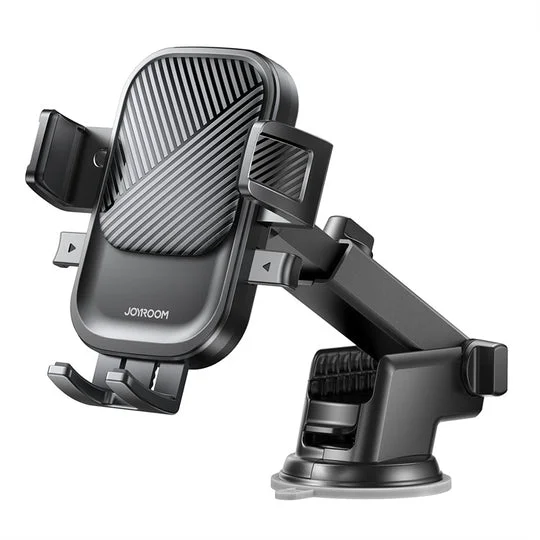
Joyroom Car Phone Mount | Verify Phone and Vehicle Fit
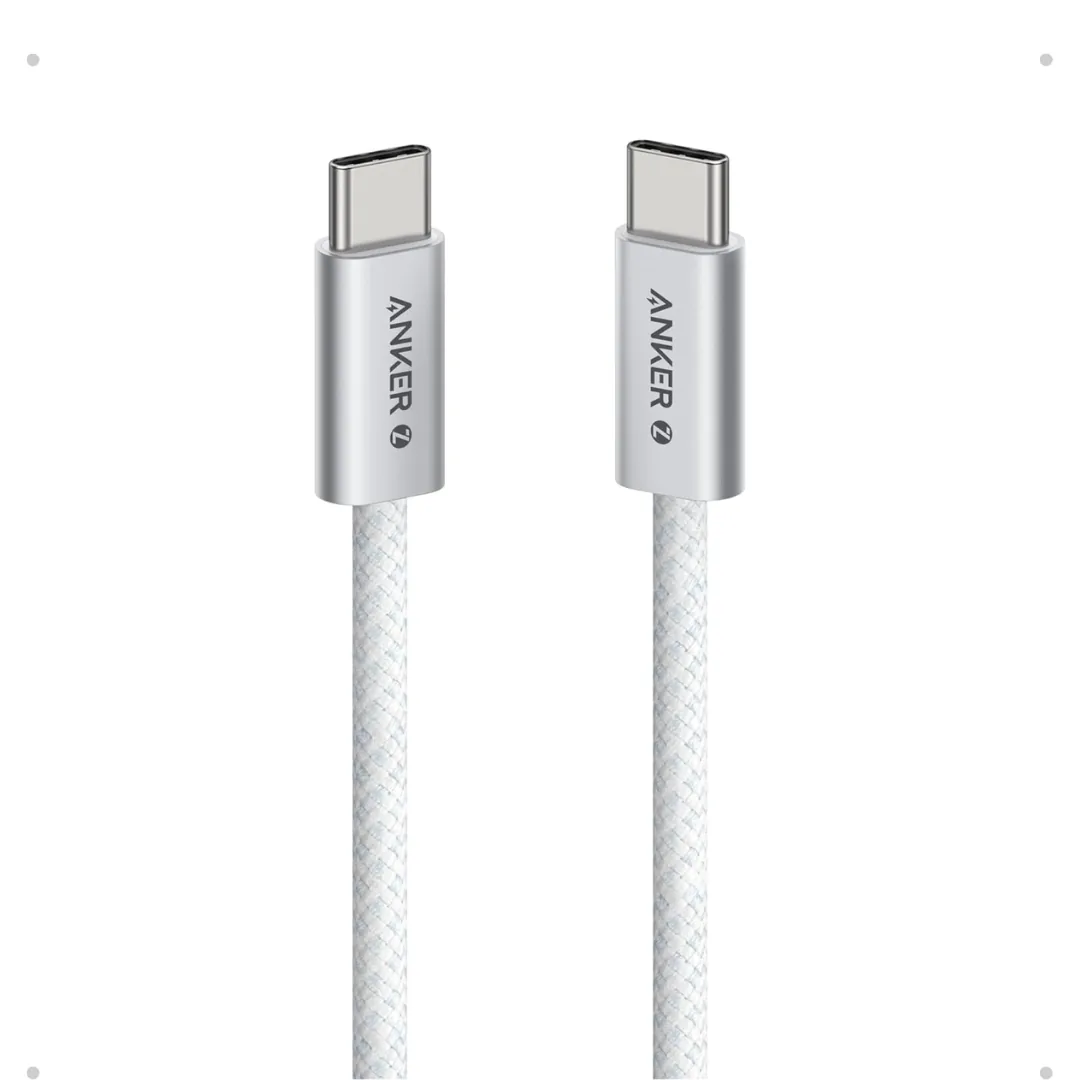
Anker Zolo USB-C to USB-C Braided Cable (A8060) — 240W PD 3.1, 1.5m | 240W-Grade 8-Core Wire
Joyroom 60W USB-C to USB-C Fast Charging Cable
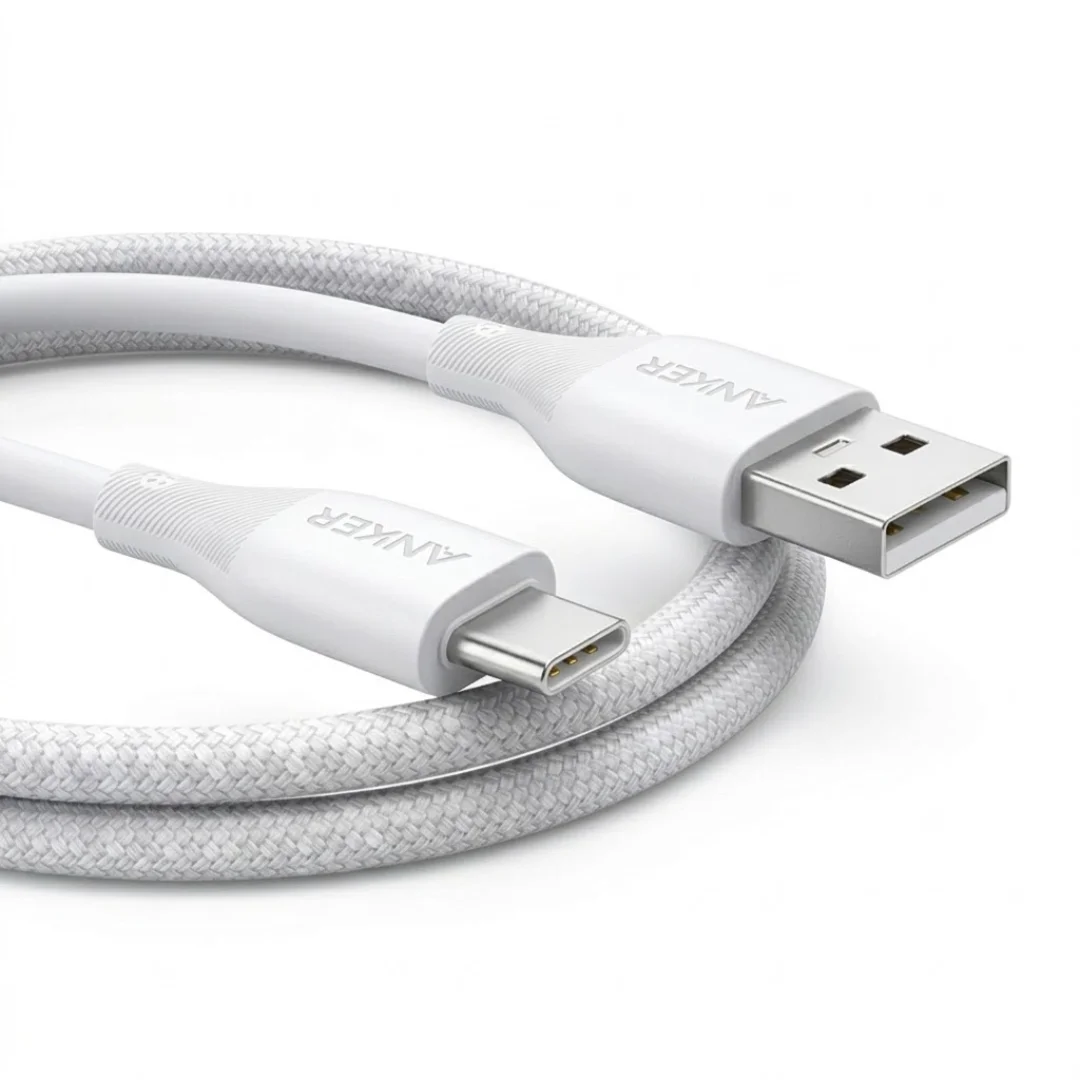
Anker USB-A to USB-C Cable (A8050) | Braided Nylon 1.8m | Fast Charging
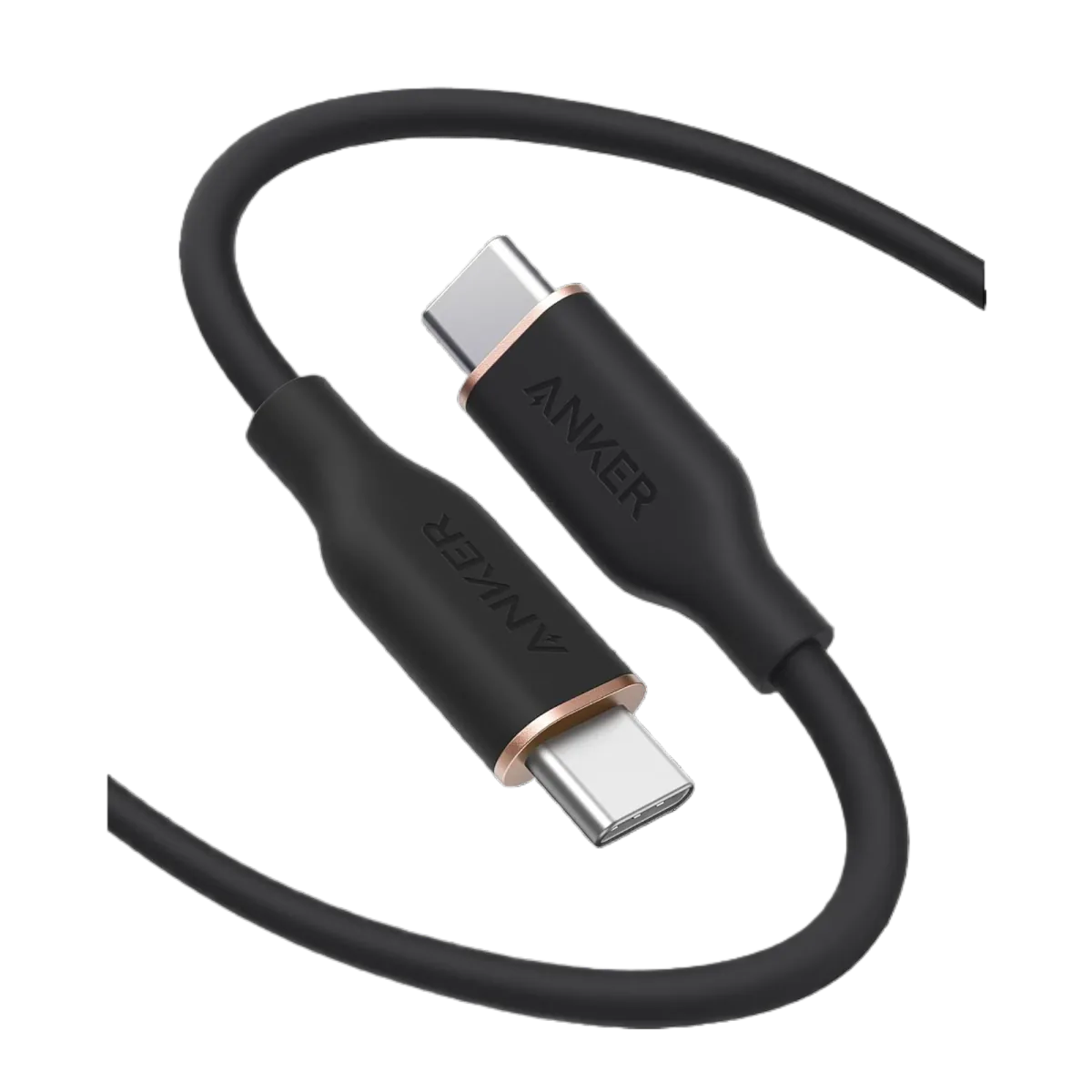
Anker PowerLine III USB-C to USB-C | 60W | iPhone 17 & Samsung S26
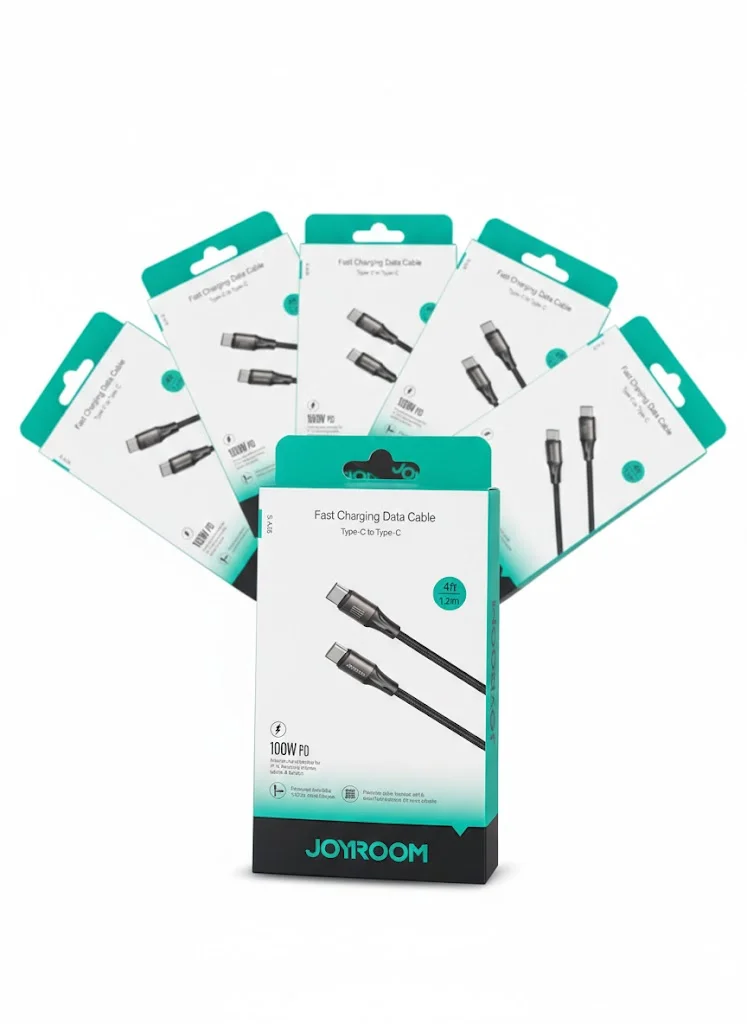
Joyroom USB-C to USB-C Cable JR-S-CC100
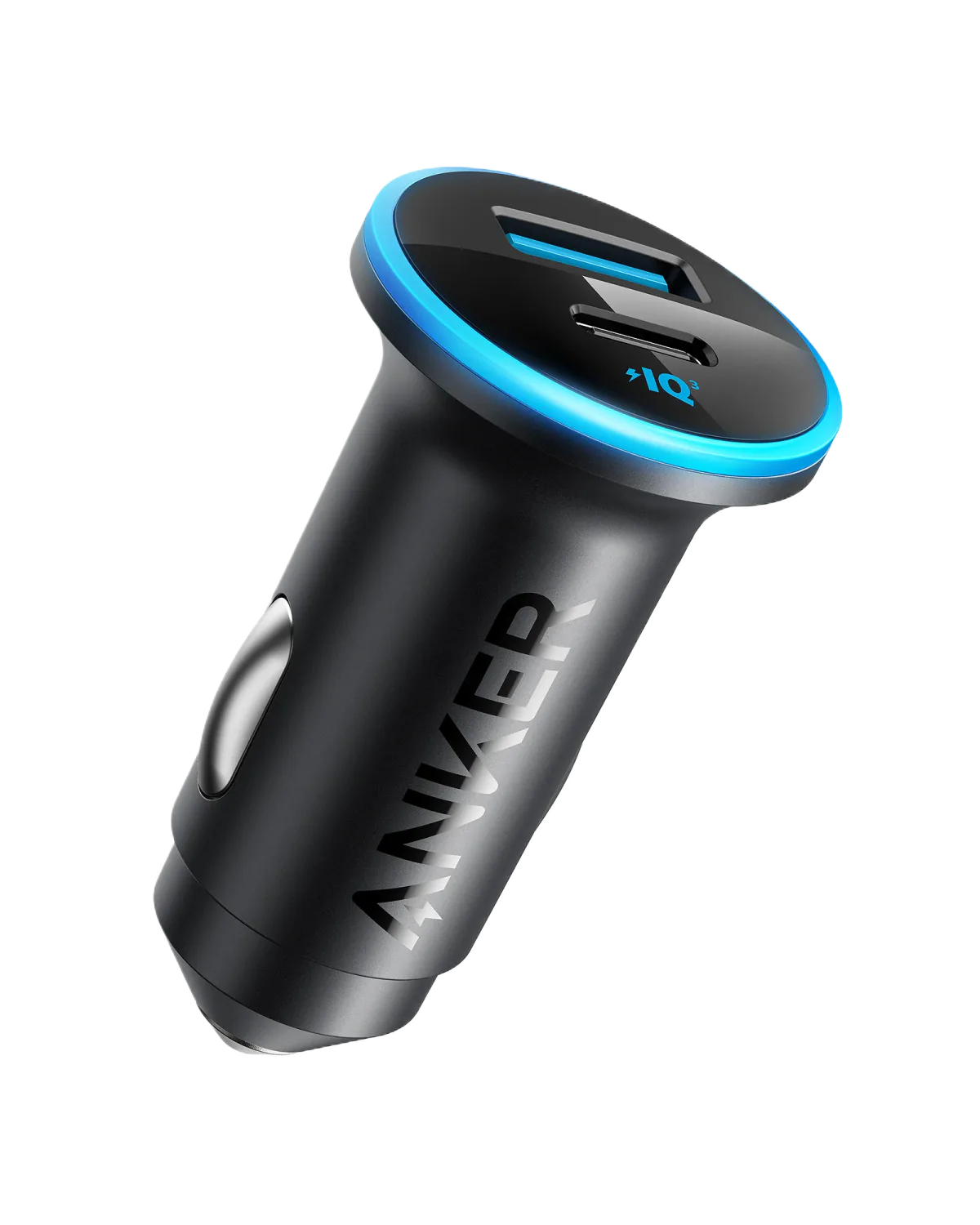
Anker PowerDrive 2 Car Charger | 24W Dual USB | PowerIQ
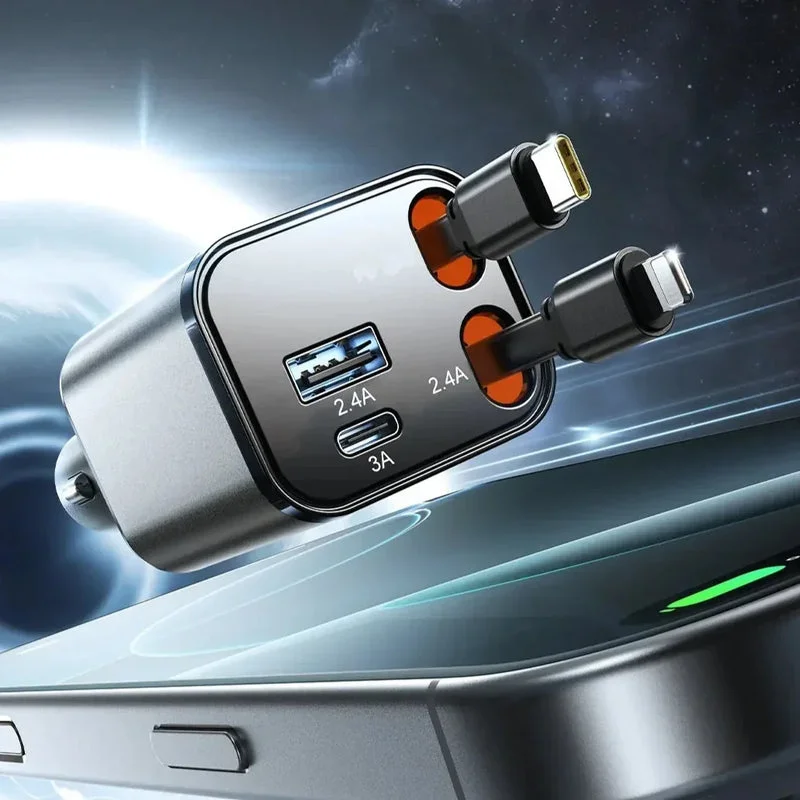
Joyroom JR-CCL05 Retractable 4-in-1 Car Charger 69W | 2 Cables + 2 Ports