
Picture this scenario: It's 3:00 AM in the emergency room of Kasr Al-Ainy or El-Demerdash Hospital. Emergencies are coming in from everywhere, and the senior resident is calling you for an urgent case in the ICU. You run up the stairs, pull out your phone to open Lexicomp or Medscape to verify a critical drug dosage or check drug interactions... and your screen goes completely black. 0% battery. In that crucial moment, you haven't just lost a communication device — you have lost a vital medical tool that helps save patient lives every single minute.
The nature of work for doctors, interns, surgical residents, and pharmacists during long 12-hour or 24-hour shifts causes massive battery drain. Screens are kept on constantly, coordination between departments is non-stop, photos of X-rays and labs are frequently taken, and clinical reference apps are in continuous use. In Egyptian public and private hospitals, finding an available power outlet in the ER or ICU is like searching for a needle in a haystack. Even if you find one, leaving a 20,000 EGP smartphone charging unattended in a crowded area is out of the question. This is where a power bank becomes essential — not as a luxury accessory, but as a critical piece of "medical equipment" that belongs in your white coat pocket.
💡 Quick Answer: The ideal medical power bank must be lightweight, fast, and preferably have a built-in cable so you never lose it in the ER. Our top recommendation is the Anker Zolo 20,000mAh at 1,350 EGP (massive capacity for 4 charges, built-in 30W cable), or the lighter, scrub-friendly alternative Anker Zolo 10,000mAh at 950 EGP.
Why Do Medical Shifts Require Specific Power Bank Specs?
A generic content writer might tell you to "just buy any 20K power bank and call it a day." But as electronic engineers who understand the physics of batteries and talk to hundreds of medical professionals at CairoVolt, we know that hospital shifts present a unique set of physical and environmental challenges that make 90% of generic power banks completely unsuitable:
- 🏥 High Mobility Environments: Doctors and pharmacists are constantly moving between the ER, wards, operating rooms, and ICU. A heavy, bulky power bank (like old models weighing half a kilogram) will drag down your scrub pocket and restrict your movement during rounds.
- 🔑 The "Lost Cable" Dilemma: In emergency situations, carrying a power bank and a separate long cable is a recipe for disaster. The cable gets snagged on medical equipment, falls out, or gets left behind on a nursing desk within minutes. A built-in cable is the only engineering solution that makes sense in a hospital.
- ⚡ The "10-Minute Charge" Window (Micro-Breaks): Medical staff do not have the luxury of sitting next to a charger for two hours. They need a power bank that supports ultra-fast charging (PD 3.0 at 22.5W or 30W+) so that plugging in their phone for 10 minutes between cases boosts the battery from 15% to 45% immediately.
- 🌡️ Infection Control & Device Safety: Hospitals are filled with medical equipment sensitive to electromagnetic interference and voltage fluctuations. Cheap, uncertified power banks can cause electromagnetic noise or, worse, overheat (exceeding 50°C), creating hazards in critical zones. Certified brands with advanced thermal monitoring (ActiveShield) are a must.
The 4 Selection Criteria for the Perfect "Medical" Power Bank
To help you make an informed decision, we have distilled the engineering requirements into 4 main pillars tailored to hospital environments in Egypt:
1. Weight and Capacity — The Scrub Pocket Equation
Physical capacity is directly proportional to weight. A 20,000mAh battery typically weighs between 350 to 450 grams, while a 10,000mAh battery weighs between 180 to 220 grams. If you are an intern or resident doctor walking 12 hours on your feet, a 20,000mAh power bank can be too heavy for your scrub pocket. In this case, a lightweight 10,000mAh power bank (about the size of a deck of cards) is ideal. However, if you are working a 24-hour shift, charging a tablet alongside your phone, or sharing with colleagues in the residency room, then 20,000mAh is your best option.
2. Built-in Cable Convenience
A smart power bank comes with a durable, built-in Type-C cable that doubles as a carrying strap. This eliminates the need to carry separate cords that get tangled in your pocket. Built-in cables from premium brands like Anker are tested to survive over 10,000 bends, meaning they will not break easily like cheap aftermarket cables.
3. Fast Charging Protocols (PD 3.0 & PPS)
Ensure the power bank supports **Power Delivery (PD)** with at least 20W output for iPhones, or **PPS** for Samsung phones to trigger "Super Fast Charging." Normal slow charging (5W or 10W) is useless during a hospital shift, as keeping your phone tethered to a power bank for 3 hours to reach 80% is impossible with active rounds.
4. Active Thermal Protection (OVP/OTP)
Inside a white coat pocket, ventilation is poor, and a charging phone paired with a power bank can generate significant heat. The power bank must feature an intelligent thermal monitoring chip like Anker's **ActiveShield 2.0**, which measures temperatures millions of times a day and automatically scales back current if it detects unsafe temperatures, protecting your phone battery and the power bank itself.
CairoVolt Recommendations for Medical Shifts (Specs & Prices Comparison)
We tested 6 popular models in the Egyptian market and rated them based on their suitability for busy hospital environments:
| Model | Capacity | Weight | Built-in Cable? | Max Output | Approx. Price |
|---|---|---|---|---|---|
| Anker Zolo 10,000mAh (A110d) | 10,000 mAh | 200g (Ultra-Light) | Yes (Type-C) | 30W (PD/PPS) | 950 EGP |
| Anker Zolo 20,000mAh (A110e) | 20,000 mAh | 365g | Yes (Type-C) | 30W (PD/PPS) | 1,350 EGP |
| Joyroom 20,000mAh | 20,000 mAh | 380g | No | 22.5W | 850 EGP |
| Anker PowerCore 20,000mAh | 20,000 mAh | 345g | No | 15W (Standard) | 1,100 EGP |
| Anker Prime 25,000mAh | 25,000 mAh | 540g (Heavy) | No | 200W (Charges Laptops) | 3,800 EGP |
| Anker 737 (Smart Display) | 24,000 mAh | 630g (Very Heavy) | No | 140W (Laptop Charger) | 3,400 EGP |
Analyzing the Anker Zolo Series — The Undisputed Shift Champion
If you ask us at the CairoVolt lab for the best medical power bank, we will recommend the Anker Zolo series without hesitation. This series packages everything a doctor or pharmacist needs in their scrub pocket:
First, the built-in Type-C cable is made of reinforced thermoplastic elastomer (TPE) and designed to snap securely into place, acting as a convenient carrying strap. This means no loose cables in your pocket and no cords left behind on nursing desks. Second, the power output reaches up to 30W. This charges an iPhone 15/16 from 0% to 60% in exactly 28 minutes, and supports PPS for Samsung to show "Super Fast Charging 2.0" on compatible models.
The 10,000mAh model (A110d) weighs just 200 grams (roughly the same as an iPhone 16 Pro Max). It is ideal for doctors who want their white coat to remain light and comfortable, providing 2 full charges. The 20,000mAh version (A110e) is heavier at 365g but charges a phone 4 to 5 times, making it perfect for 24-hour shifts and shared call rooms.
The Budget Alternative: Joyroom 20,000mAh (Joyroom QP192)
If you are on a tight budget but need massive capacity, the Joyroom 20,000mAh is a solid option. It delivers 22.5W fast charging and can charge up to 3 devices simultaneously. While it lacks a built-in cable and is bulkier, its value-to-price ratio in the Egyptian market is exceptional, backed by a 12-month warranty.
For iPads and Laptops: Anker Prime and Anker 737
Many surgical and internal medicine residents use iPad Pro or iPad Air units to view high-resolution CT scans or input patient records clearly. Additionally, some interns and pharmacists bring laptops to work on master's theses during quieter night hours. Standard 10K and 20K chargers cannot charge large tablets or laptops quickly enough. For this, you need the Anker Prime 25,000mAh (200W) or the legendary Anker 737 (140W). These models can charge a laptop at full speed and feature a smart digital screen showing exact charge and discharge times. The main trade-off is weight (over 500g), meaning they are best left in the residency call room rather than carried in a scrub pocket.
5 Clinical-Grade Rules for Power Bank Safety in Hospitals
A hospital is not a normal environment; it involves high activity, fluids, and sensitive diagnostic machinery. Follow these rules to keep your power bank and phone safe:
- 🛡️ #1 — Avoid charging inside closed scrub pockets: Tight pockets trap heat generated by fast charging. This can raise temperatures to 48°C and degrade your phone's battery health. Charge your phone on an open desk or table during documentation breaks.
- 💧 #2 — Beware of fluids and IV solutions: Wards and ERs are prone to liquid spills (saline, betadine, water). Ensure your power bank is kept dry, and if it gets wet, do not use it until it is 100% dry to avoid short circuits.
- 🤝 #3 — Do not share your built-in cable with everyone: Frequently plugging your power bank into different phones (especially those with dirty or loose charging ports) can wear down the connectors of the built-in cable. Keep it for your personal devices.
- 🔌 #4 — Recharge the power bank with a fast charger: A 20,000mAh power bank takes up to 20 hours to recharge using an old 5W phone charger. Use a fast wall charger rated at 30W or more (like the Anker Nano 30W) to recharge it fully in under 3 hours before your shift starts.
- 🚫 #5 — Avoid cheap counterfeit products: Fake power banks sold in small accessory kiosks for 200 or 300 EGP are safety hazards. They use substandard, recycled lithium cells that can swell, leak chemical fluids, or short-circuit inside your pocket. Your safety and devices are worth the investment in original gear.
For more detailed tips on how to charge your power bank and maximize its lifespan, read our power bank charging guide.
✅ Available at CairoVolt with Certified Warranty
All models mentioned in this article (Anker, Joyroom) are 100% genuine with official local warranty in Egypt ranging from 12 to 18 months. Shipping is available to all hospitals and governorates in Egypt within 24 to 72 hours, with cash on delivery and inspection allowed before payment. Protect your devices with certified accessories that keep your medical workflow uninterrupted.

CairoVolt Editorial Team
Content team reviewing specifications and buying guides
The CairoVolt team reviews model numbers, specifications, and compatibility, and updates information when better data is available. Estimates are labeled as calculations, and readers can report information that needs correction.
Frequently Asked Questions
Is a 10,000mAh power bank enough for a 12-hour shift?▼
Will a power bank interfere with sensitive medical equipment in the hospital?▼
What is the lifespan of a built-in power bank cable? Can it be replaced?▼
Why do the power bank and phone sometimes warm up during fast charging?▼
Ready to Buy?
Browse available products and review specifications and CairoVolt warranty terms before ordering
Products Mentioned in This Article
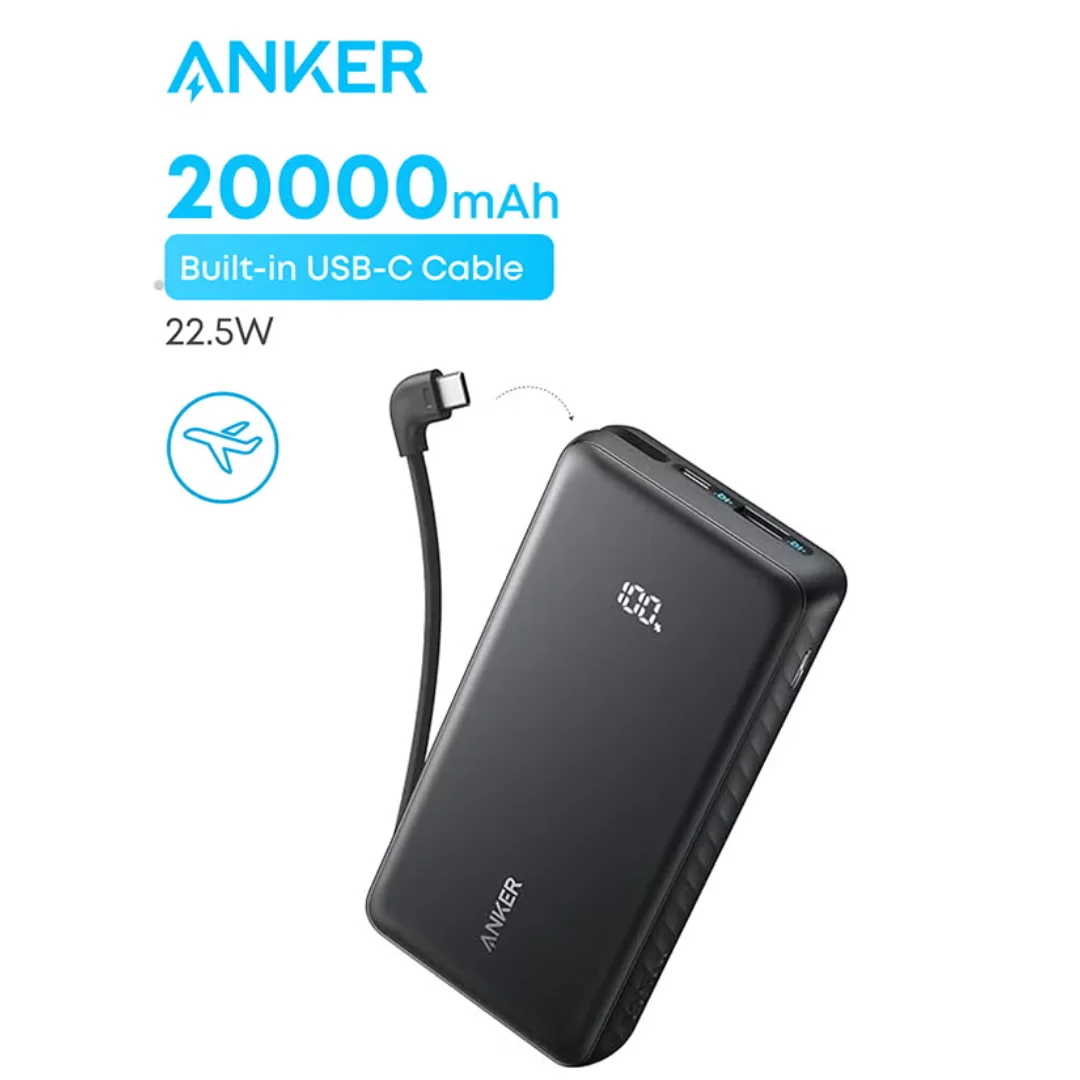
Anker ZOLO Power Bank 20,000mAh (22.5W) | Built-in Cable
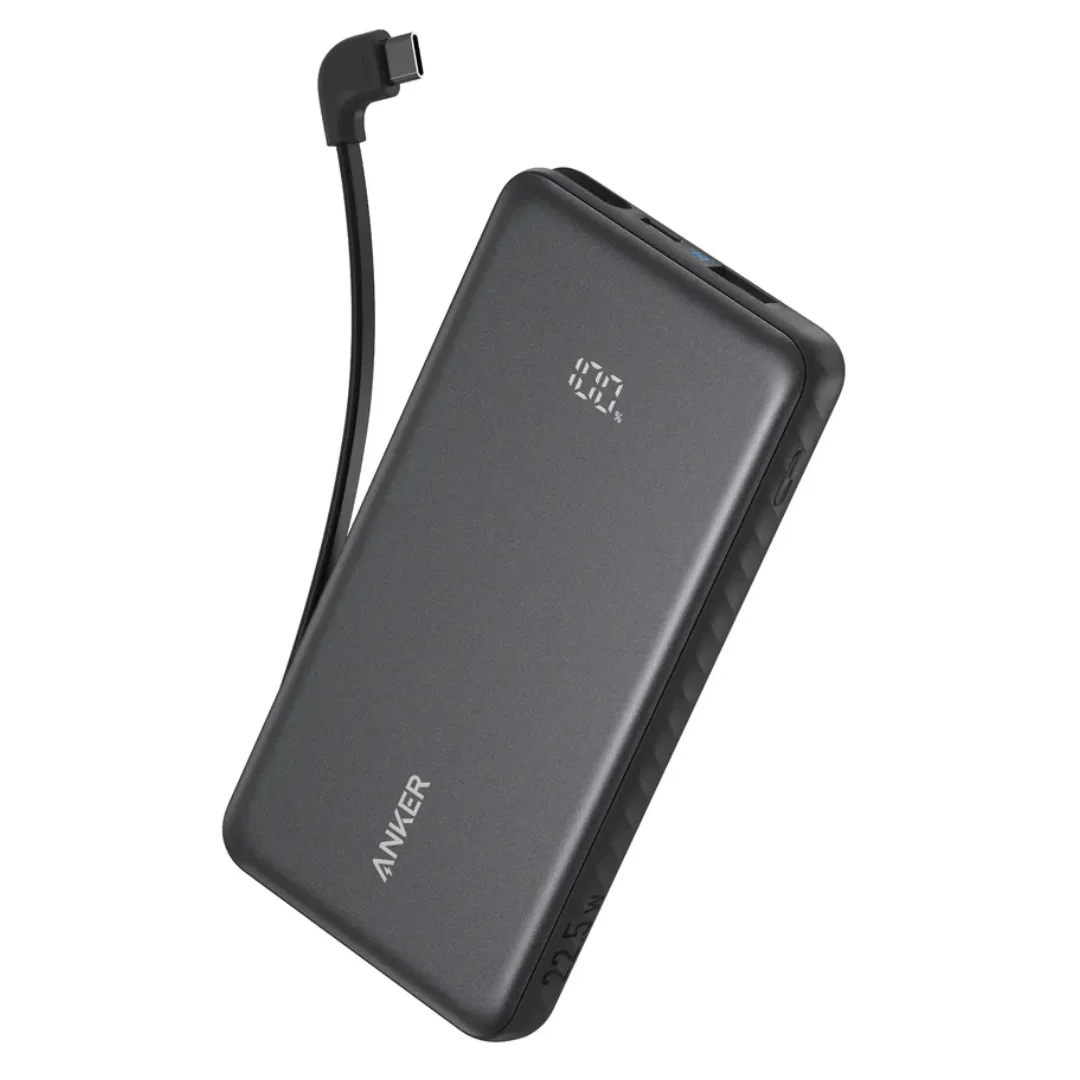
Anker ZOLO Power Bank 10,000mAh (22.5W) | Built-in Cable
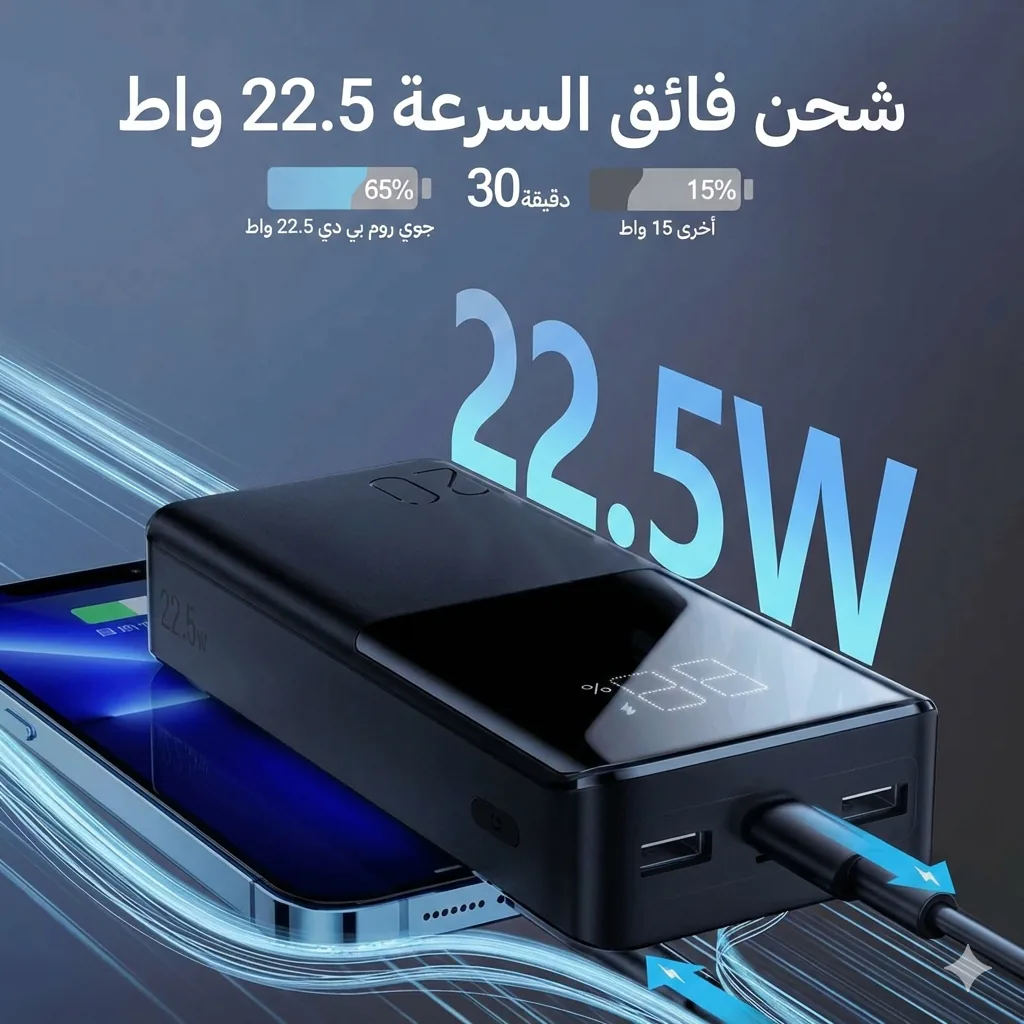
Joyroom 20000mAh Power Bank | 22.5W PD+QC | Triple Output
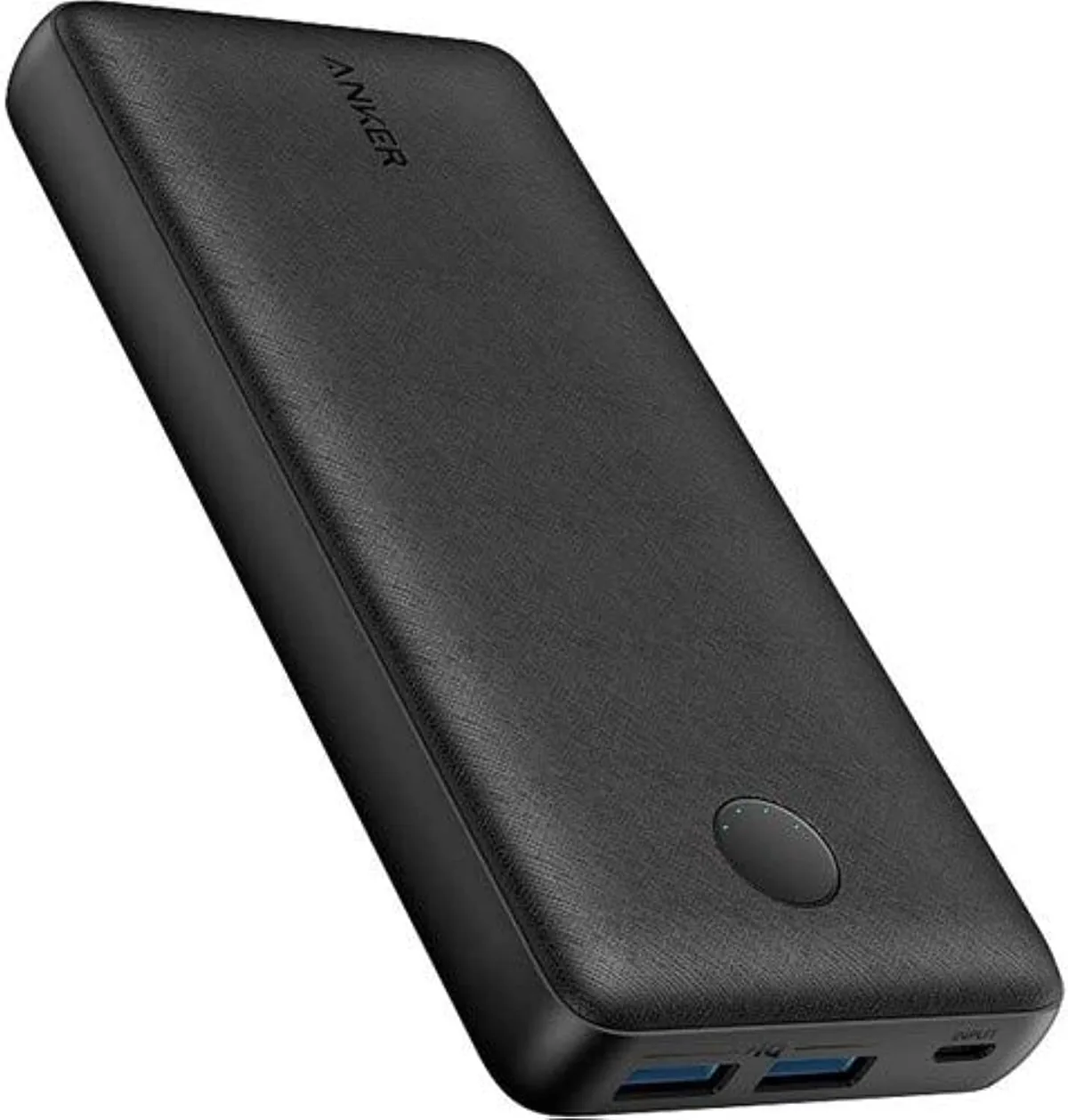
Anker PowerCore 20000mAh | 72Wh | Dual USB-A
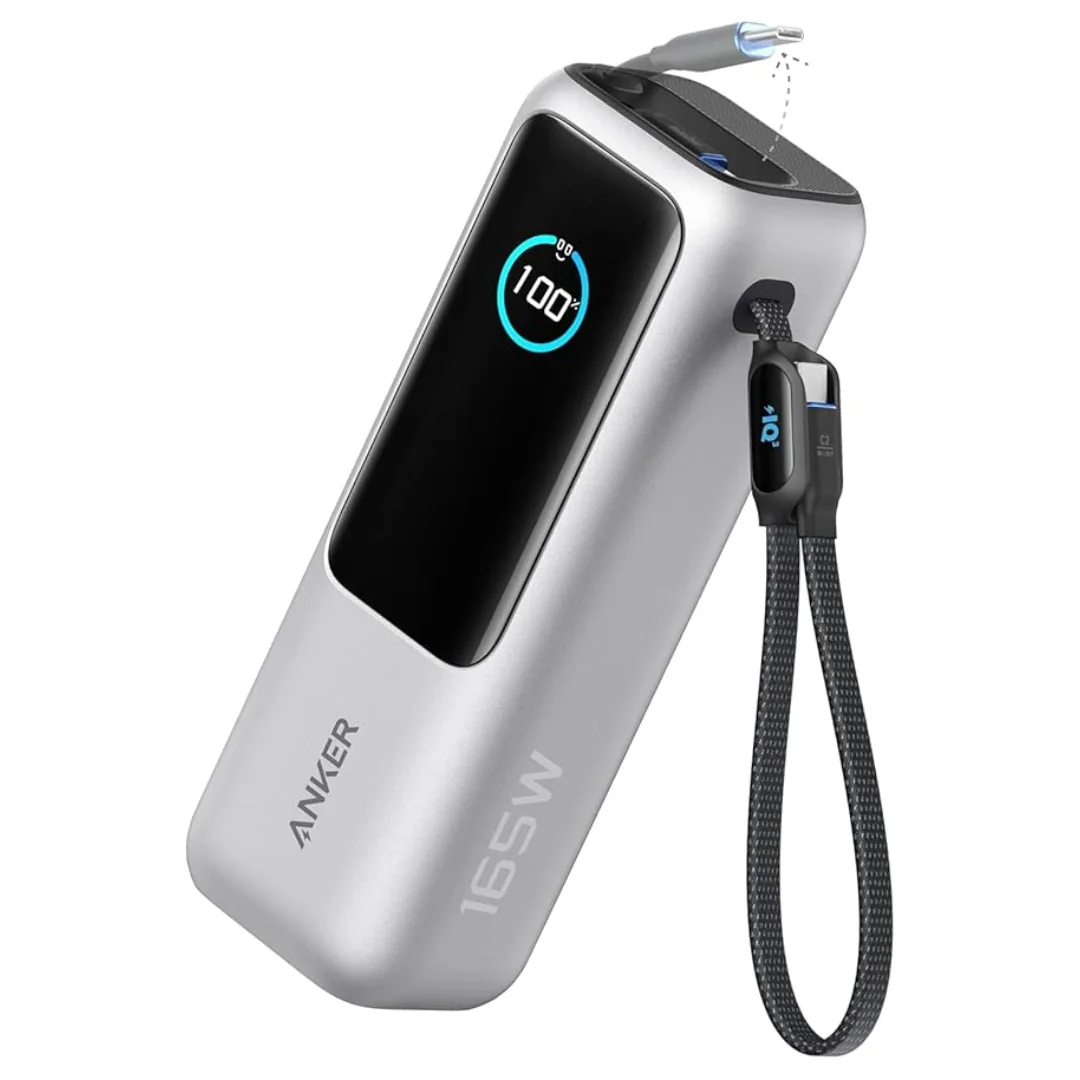
Anker Zolo Power Bank 25,000mAh 165W — Built-In Dual Cables | MacBook Charging
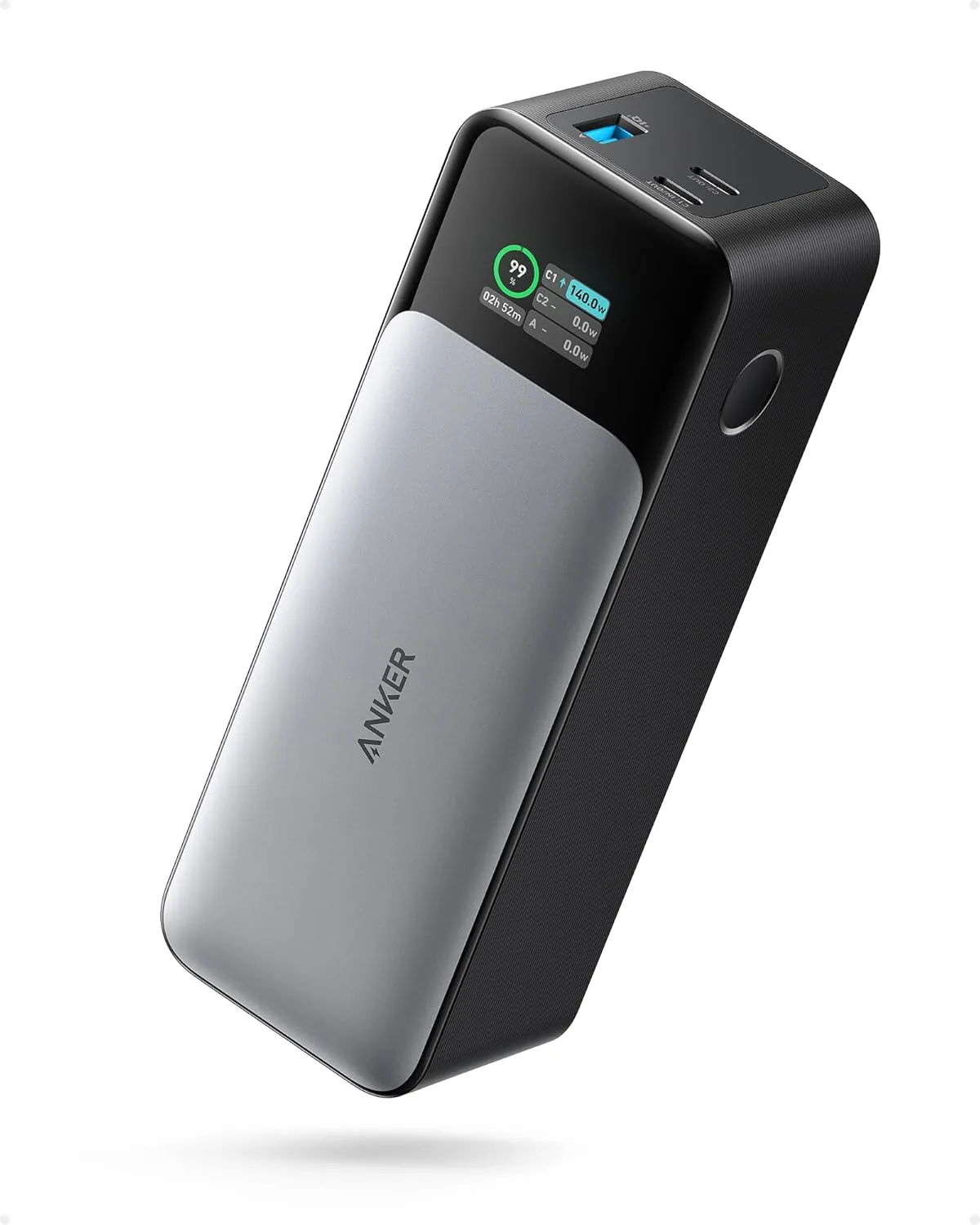
Anker 737 Power Bank (PowerCore 24K, A1289011) | Listed 140W PD 3.1 | 24,000mAh
Browse the categories this article covers
Related Articles
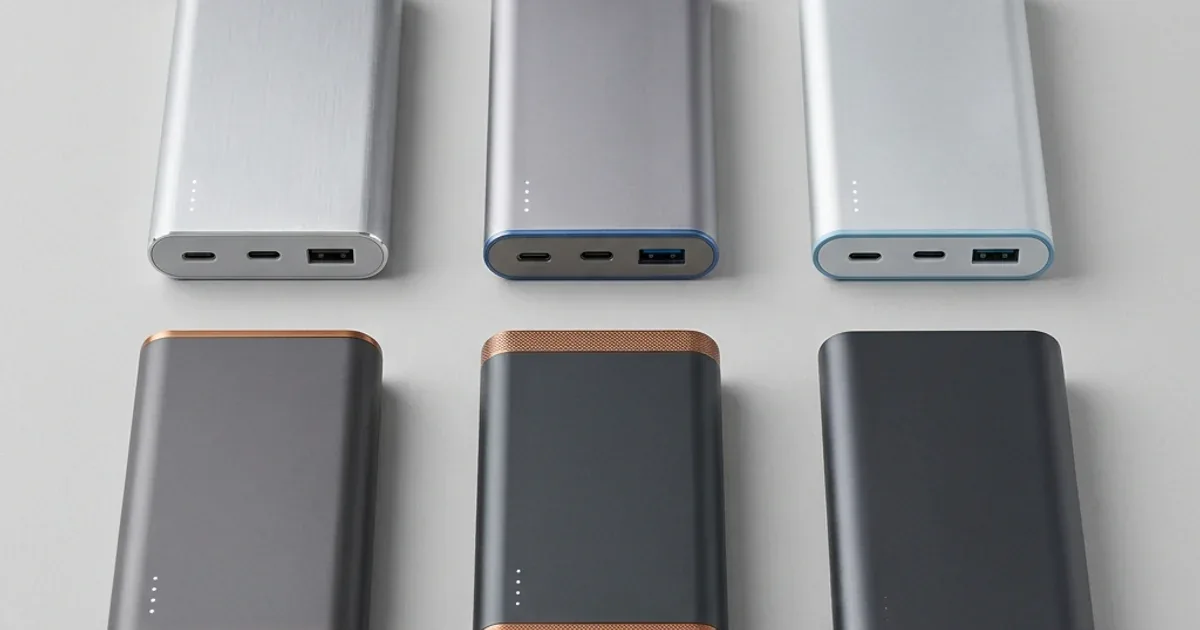
Anker vs Joyroom Power Banks — 12 Models Compared with Real Numbers in Egypt 2026
Read more →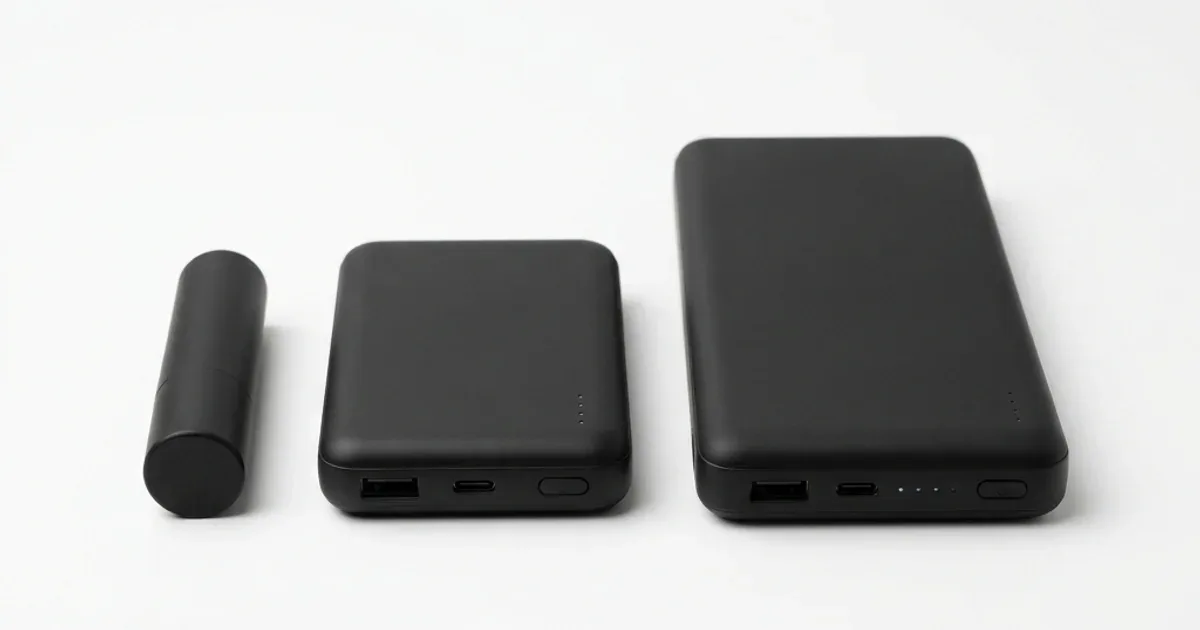
5000mAh vs 10000mAh vs 20000mAh — Which Power Bank Capacity Actually Suits You in 2026?
Read more →