

It's 2 AM. You're asleep — or trying to be — when the power goes out. If you're an average person, the worst that happens is the AC stops and you wake up sweaty. But if you're among the estimated 15-20% of Egyptian adults with Obstructive Sleep Apnea (OSA) who depend on a CPAP machine to keep breathing through the night — a power outage isn't just an inconvenience. It's a genuine health risk. The machine stops, your airway collapses, blood oxygen drops, and cardiac stress spikes. This isn't hyperbole — the American Academy of Sleep Medicine (AASM) and peer-reviewed research confirm that a single night without CPAP can raise blood pressure by 10-15 mmHg and double the risk of cardiac arrhythmia.
In Egypt — especially during summer — power outages happen. Not "might happen." They happen. And "What do I do about my CPAP when the power goes out?" has become one of the most common questions we receive. The problem is that the answer isn't as simple as "buy a power bank" — because most regular power banks can't run a CPAP at all, and the wrong choice can fry a machine worth 15,000-40,000 EGP. This article will explain, with real numbers and physics, exactly what you need, what the real dangers are, and the best option for your budget.
⚠️ Medical & Technical Warning: A CPAP machine draws 30-60W (without humidifier) to 80-100W (with humidifier). For an 8-hour night without humidifier, you need 400Wh+ from a power station with Pure Sine Wave AC output. ❌ Regular USB power banks cannot run CPAP machines. ❌ Cheap modified sine wave inverters risk motor damage. ❌ Never skip a full night of CPAP — consult your doctor for emergency alternatives.
Why Regular Power Banks Can't Run a CPAP Machine
First, let's establish a fundamental fact: a CPAP machine is not a phone or a laptop. The differences are critical:
| Comparison | Phone | Laptop | CPAP Machine |
|---|---|---|---|
| Voltage Required | 5V (USB) | 20V (USB-C PD) | 220V AC or 12-24V DC |
| Hourly Consumption | 3-5W | 30-65W | 30-100W |
| Current Type | DC | DC | AC — requires pure sine wave |
| Waveform Requirement | N/A | N/A | Pure Sine Wave mandatory |
A regular power bank — even a 20,000mAh or 30,000mAh unit — outputs 5V USB or 20V USB-C PD. A CPAP machine runs on 220V AC or (in some newer models) 12V DC via a proprietary adapter. A regular phone-charging power bank simply cannot power a CPAP, regardless of adapters — the wattage is insufficient and the voltage is wrong.
The only exception: Some newer CPAP models (like ResMed AirMini and certain Philips DreamStation Go units) accept direct 12V DC input via a proprietary cable — and can work with purpose-built DC batteries. But this is a model-specific solution, not a universal one.
Modified vs. Pure Sine Wave — Why the Difference Is Life-or-Death for Your Machine
This is the part that separates an engineer from someone who searched "inverter" on Amazon and clicked "Buy." Power inverters come in two fundamental types:
- ⚡ Pure Sine Wave: Produces a smooth, continuous waveform — identical to what comes from the utility grid. All sensitive equipment — especially CPAP machines — requires this type. The motor runs quietly, temperatures stay normal, and there's no electromagnetic interference (EMI) affecting the electronics.
- ❌ Modified Sine Wave: Produces a "stepped" waveform — shaped like a staircase instead of a smooth curve. This causes electric motors (like the one in your CPAP) to run 20-30% hotter, vibrate audibly, and potentially fail within weeks. THD (Total Harmonic Distortion) exceeds 40%, compared to under 3% for pure sine wave.
⚠️ Critical Warning: Any Modified Sine Wave inverter or power station connected to a CPAP machine poses a dual risk: (1) Motor and control board damage — repair or replacement costs 5,000-15,000 EGP. (2) Silent mid-night shutdown — the real health danger. Every major CPAP manufacturer (ResMed, Philips, Fisher & Paykel) explicitly warns against Modified Sine Wave in their user manuals.
The problem in Egypt is that modified sine wave inverters are 40-60% cheaper than pure sine wave units. Many sellers label their products "Pure Sine Wave" when they're actually modified — especially products under 500 EGP on OLX or local markets. The only way to verify: (1) Buy from an authorized dealer with warranty, (2) Check the THD specification in the datasheet — it must be under 3%.
Capacity Math — How Many Wh Do You Need for a Full Night?
This is where the numbers matter — because without numbers, any advice is just "general talk." Let's calculate:
| Operating Mode | Hourly Draw | 8-Hour Total | Required Capacity (with 15% loss) |
|---|---|---|---|
| CPAP without humidifier | 30-40W | 240-320Wh | 280-370Wh |
| CPAP with humidifier (Level 3) | 60-80W | 480-640Wh | 550-740Wh |
| BiPAP / AutoBiPAP (higher pressure) | 50-100W | 400-800Wh | 460-920Wh |
The formula: Required capacity (Wh) = Wattage × Hours ÷ 0.85 (inverter efficiency). So if your machine draws 40W and you need 8 hours: 40 × 8 ÷ 0.85 = 376Wh. That's the minimum — add 20% as a safety margin = ~450Wh.
Important note: The heated humidifier roughly doubles power consumption. During a power outage — if you need to conserve energy — turn off the humidifier and run the machine "dry." Most patients can tolerate one night without humidification. But consult your doctor first — not all cases are the same.
Available Options — From Cheapest to Safest (With Safety Ratings)
Not all solutions are equal. Let's rank them from least safe to safest — so you can choose based on your budget and your understanding of the risks:
❌ Option 1: Cheap Car Inverter (Modified Sine Wave) — 200-600 EGP
This connects to a 12V car battery and outputs 220V AC. The problem: cheap models (under 1,000 EGP) are almost universally Modified Sine Wave, even when labeled otherwise. Never use this with a CPAP machine. The motor will overheat, the control board will be affected, and the machine will be at risk. Not to mention you'd need to keep your car running all night — which is a carbon monoxide poisoning risk in enclosed spaces.
⚠️ Option 2: Desktop UPS (Computer UPS) — 800-2,000 EGP
Most desktop UPS units (APC, Eaton, etc.) output Modified Sine Wave — not pure. Even those marketed as "Line Interactive" produce modified sine wave when running on battery. Capacity is usually 360-600VA (effectively 200-350Wh) — not enough for a full night. You might get 2-4 hours. If you find a UPS with pure sine wave output (Online/Double-Conversion UPS) and sufficient capacity — it could work, but it'll likely cost more than a portable power station and offer less flexibility.
✅ Option 3: Portable Power Station with Pure Sine Wave — 5,000-15,000+ EGP
This is the optimal and safest solution. A portable power station is essentially a large lithium battery + built-in Pure Sine Wave inverter + AC/DC/USB ports. You plug your CPAP into the AC outlet exactly as you would into a wall socket — no adapters, no conversions.
- ⚡ Capacity: From 256Wh (like the Anker 521 PowerHouse) — giving you 5-7 hours of CPAP without humidifier — up to 1,000Wh+ in higher tiers.
- 🛡️ Waveform: All reputable power stations (Anker, EcoFlow, Jackery, Bluetti) output Pure Sine Wave — THD under 3%.
- 🔋 Charging: Charges from wall outlet (3-5 hours), solar panels (6-8 hours), or car cigarette lighter (8-10 hours).
- 📱 Bonus: You can simultaneously charge your phone, laptop, and router — making it a complete power outage solution, not just for CPAP.
✅ Option 4: Dedicated CPAP Battery (Direct DC) — 3,000-8,000+ EGP
Some companies manufacture batteries designed specifically for CPAP machines — like the Freedom V² (for ResMed devices) and the Philips Battery Kit (for DreamStation). These batteries connect directly to the machine via a DC cable — no inverter needed — meaning higher efficiency (no DC→AC→DC conversion loss) and 30-40% longer runtime compared to a power station with the same capacity.
The downsides: (1) Model-specific — won't work with a different machine. (2) Relatively expensive. (3) Not easily available in Egypt — usually imported. (4) Only powers the CPAP — won't run your router or charge your phone.
5 Critical Mistakes CPAP Patients Make in Egypt — and How to Avoid Them
- ❌ Mistake 1: Buying an inverter without verifying the waveform type. In Egypt, 70%+ of inverters available in markets are Modified Sine Wave even when labeled "Pure." The fix: buy from an authorized dealer with warranty + verify the THD number in the datasheet (must be under 3%).
- ❌ Mistake 2: Calculating capacity without a safety margin. If your machine draws 40W × 8 hours = 320Wh — don't buy a 320Wh station. Efficiency isn't 100%. Buy 400Wh+ minimum. That extra 15-20% is the difference between a full night's sleep and waking up at 4 AM with a dead machine.
- ❌ Mistake 3: Running the humidifier on battery power. The humidifier alone draws an additional 30-50W. This can drain the battery by mid-night. If the power is out — turn off the humidifier and run the machine dry until power returns.
- ❌ Mistake 4: Not testing the system before you need it. The worst time to discover your power station can't run the machine is at 2 AM. Before relying on it: connect your CPAP to the power station and run it for 2 hours while you're awake. Verify the motor runs without unusual noise, pressure is stable, and there are no error alerts on the screen.
- ❌ Mistake 5: Relying 100% on the battery backup with no Plan B. Even the best power station can run dry. You must have a backup plan: (1) Set your phone to alert when battery reaches 20%. (2) Consult your doctor about emergency alternatives (in some cases, you may be able to sleep on your side without the machine for a few hours — depending on severity). (3) Make sure someone in the household knows you use the machine and what to do if something goes wrong.
Practical Tips for CPAP Patients in Egypt
- 💡 Measure your machine's actual consumption: Run your CPAP on the power station for a full night and note how many Wh it consumed. This number is more accurate than any estimate — because the pressure your doctor set (6-20 cmH₂O) directly affects consumption. Higher pressure = more power draw.
- 🔋 Keep the station charged daily: During Egyptian summer, keep the station at 100% at all times. Power can go out at any moment. Don't wait for a warning.
- 🛡️ Keep the station beside your bed: Cables are short and connections come loose — keep everything within arm's reach. If you wake up mid-night with the power out, you need to connect your CPAP to the station in 30 seconds — while still half-asleep.
- 📱 Energy monitoring apps: Some power stations (like Anker and EcoFlow) have mobile apps that send alerts when the battery reaches a certain level. Enable the 20% alert — it gives you time to make a decision.
- ⚡ If you travel frequently: Verify your power station is under 100Wh for carry-on or check your airline's rules. In Egyptian aviation, batteries over 160Wh are prohibited. Most power stations (256Wh+) won't pass airport security — so you may need a dedicated CPAP battery (smaller capacity) for air travel.
✅ Available at CairoVolt
Portable power stations from Anker are available with 18-month warranty + delivery across all governorates. Consult your doctor first about your machine's settings, then contact us via WhatsApp to help you choose the right capacity.

CairoVolt Editorial Team
Content team reviewing specifications and buying guides
The CairoVolt team reviews model numbers, specifications, and compatibility, and updates information when better data is available. Estimates are labeled as calculations, and readers can report information that needs correction.
Frequently Asked Questions
Can a regular USB power bank run a CPAP machine?▼
How many watt-hours (Wh) do I need for 8 hours of CPAP use?▼
Can I use a computer UPS to run my CPAP machine?▼
What is the difference between a dedicated CPAP battery and a portable power station?▼
Ready to Buy?
Browse available products and review specifications and CairoVolt warranty terms before ordering
Products Mentioned in This Article
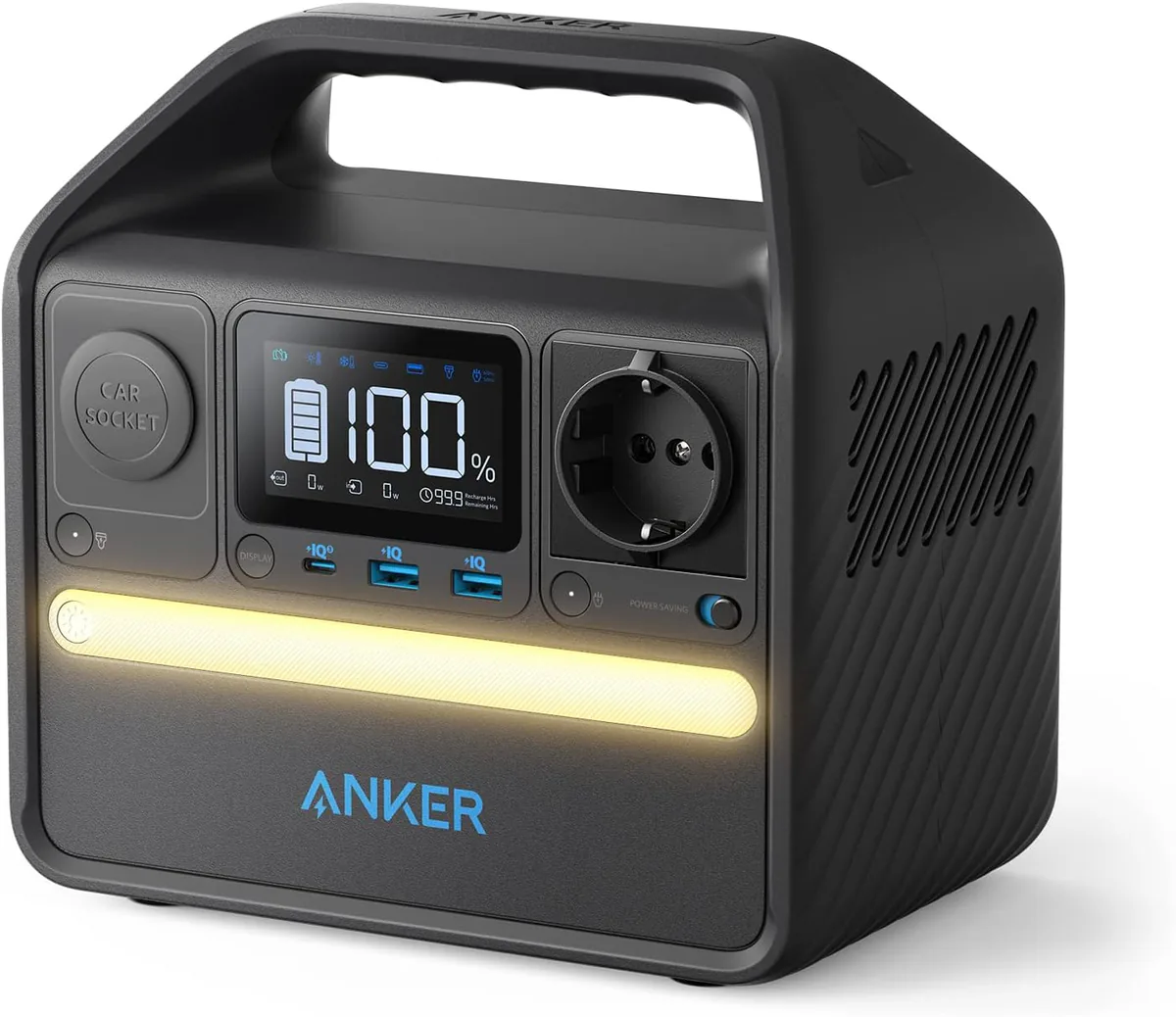
Anker 521 PowerHouse 256Wh | 200W AC Outlet | LiFePO4
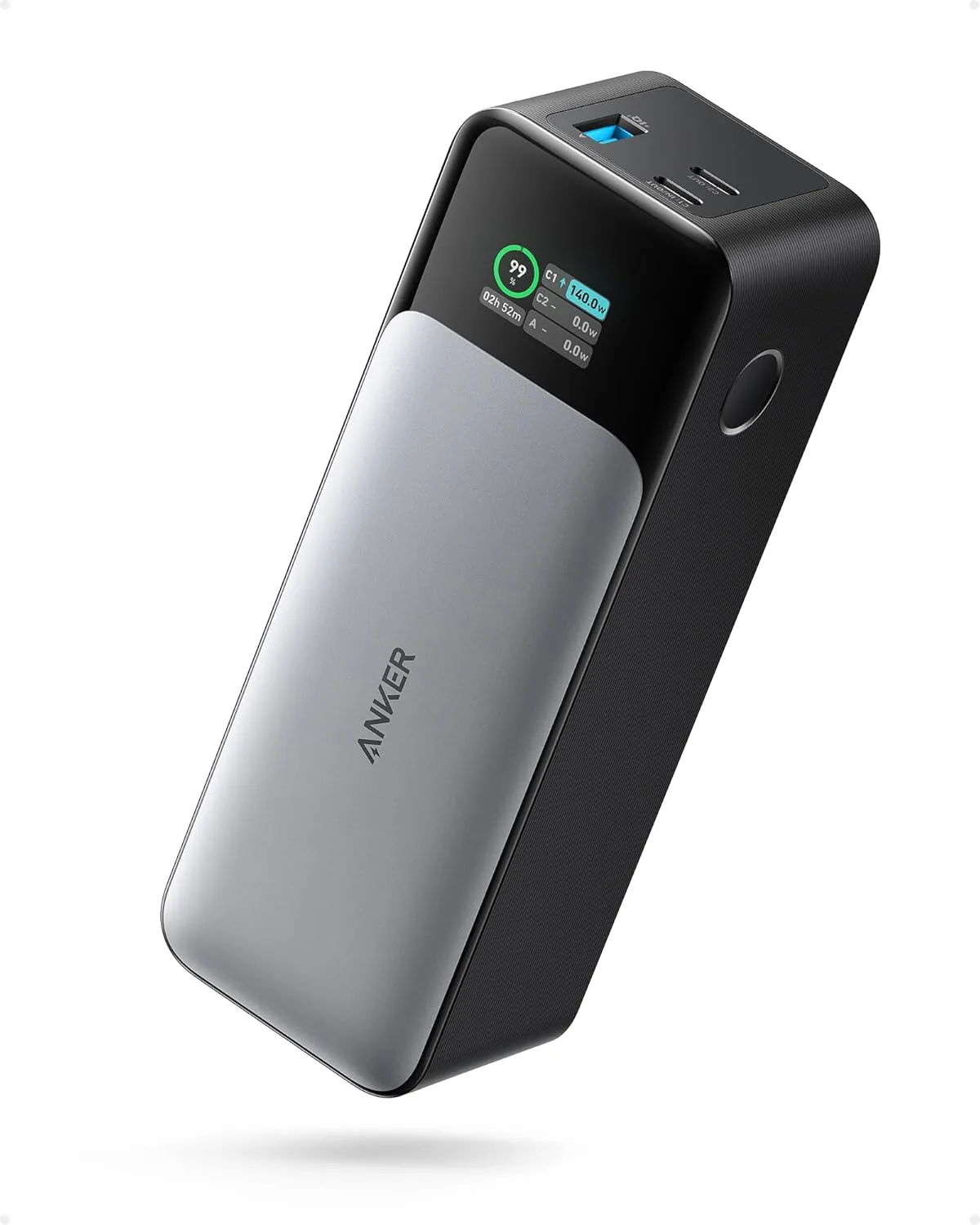
Anker 737 Power Bank (PowerCore 24K, A1289011) | Listed 140W PD 3.1 | 24,000mAh
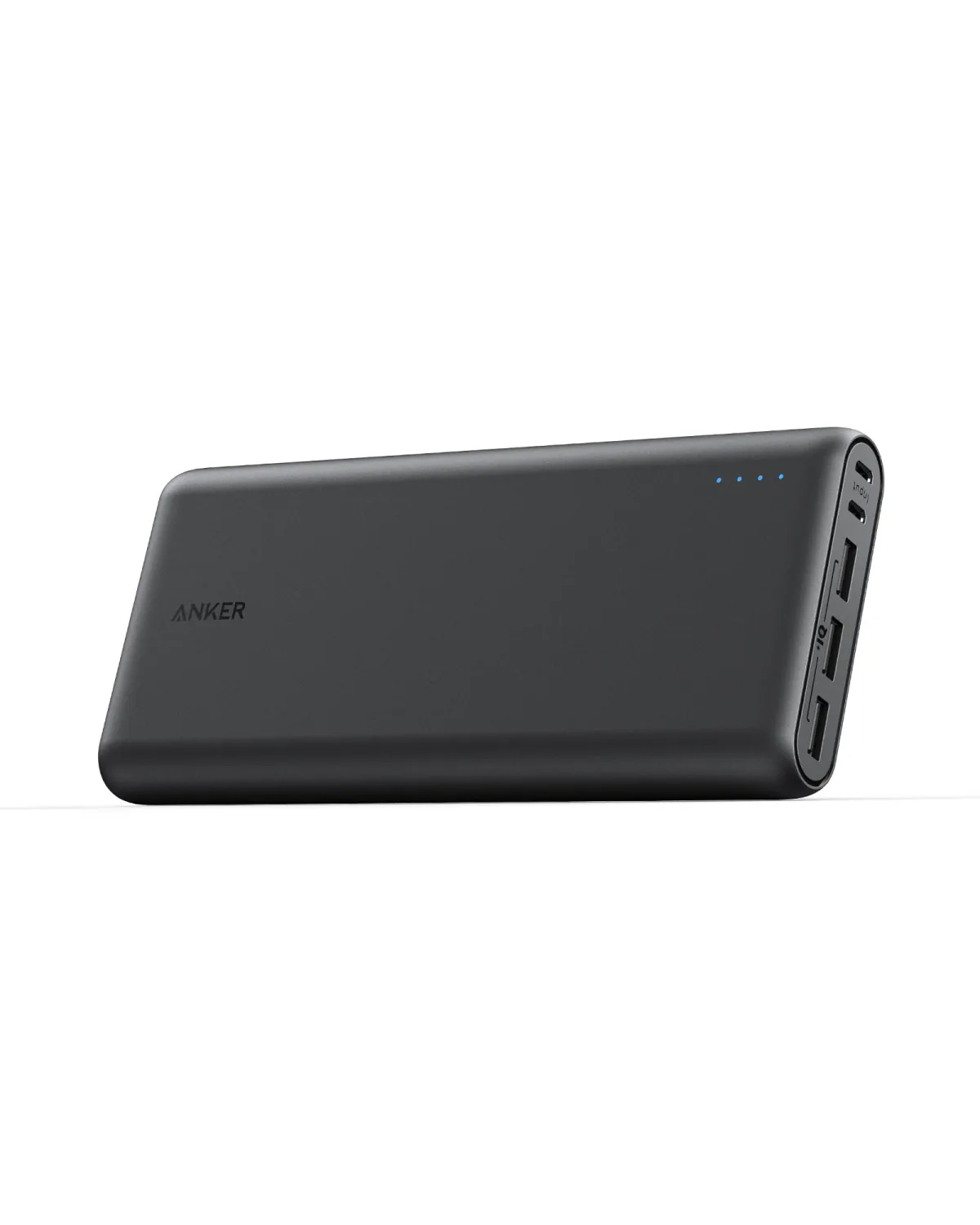
Anker PowerCore III Elite 26K 60W PD | Laptop Charging
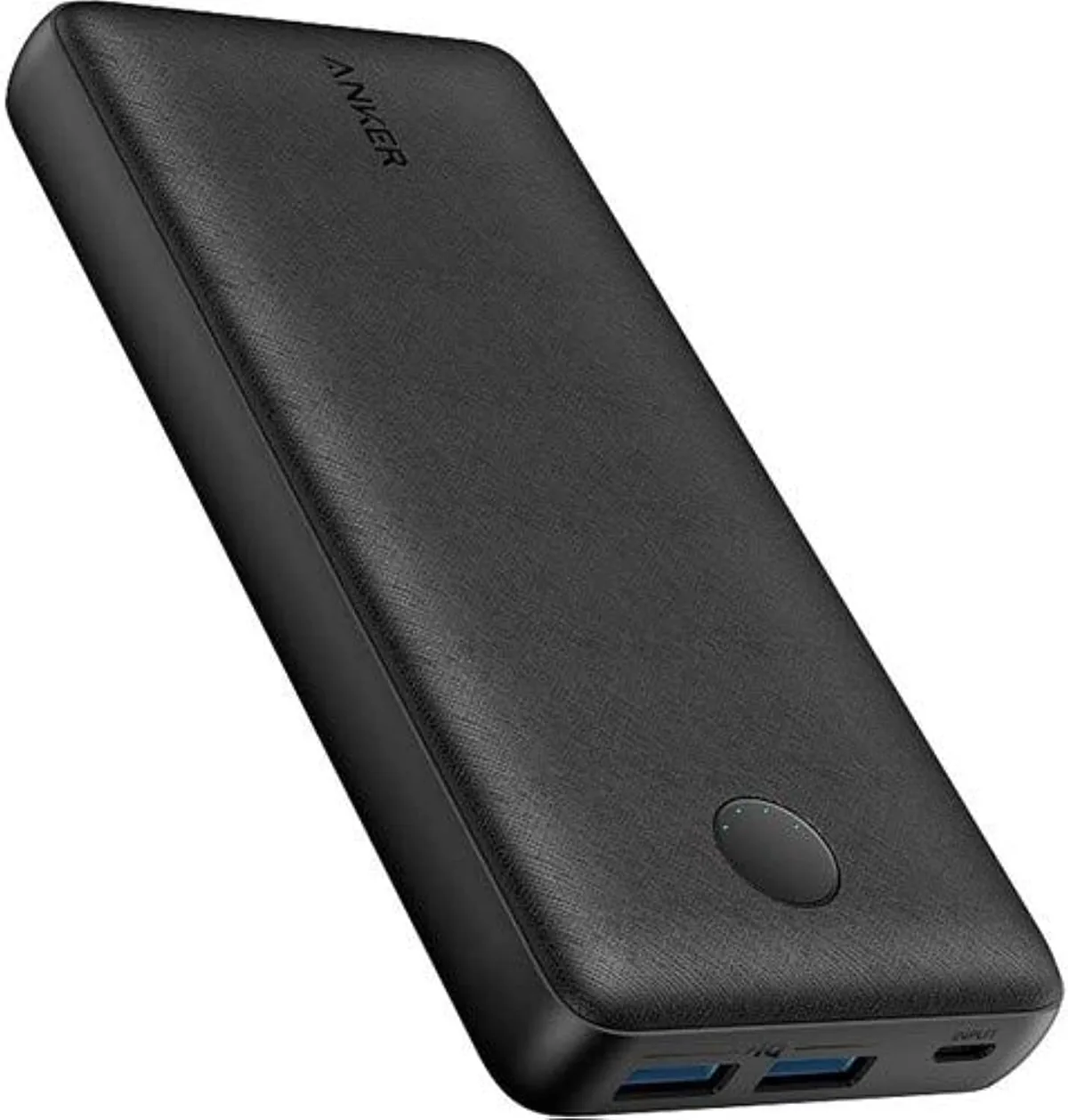
Anker PowerCore 20000mAh | 72Wh | Dual USB-A
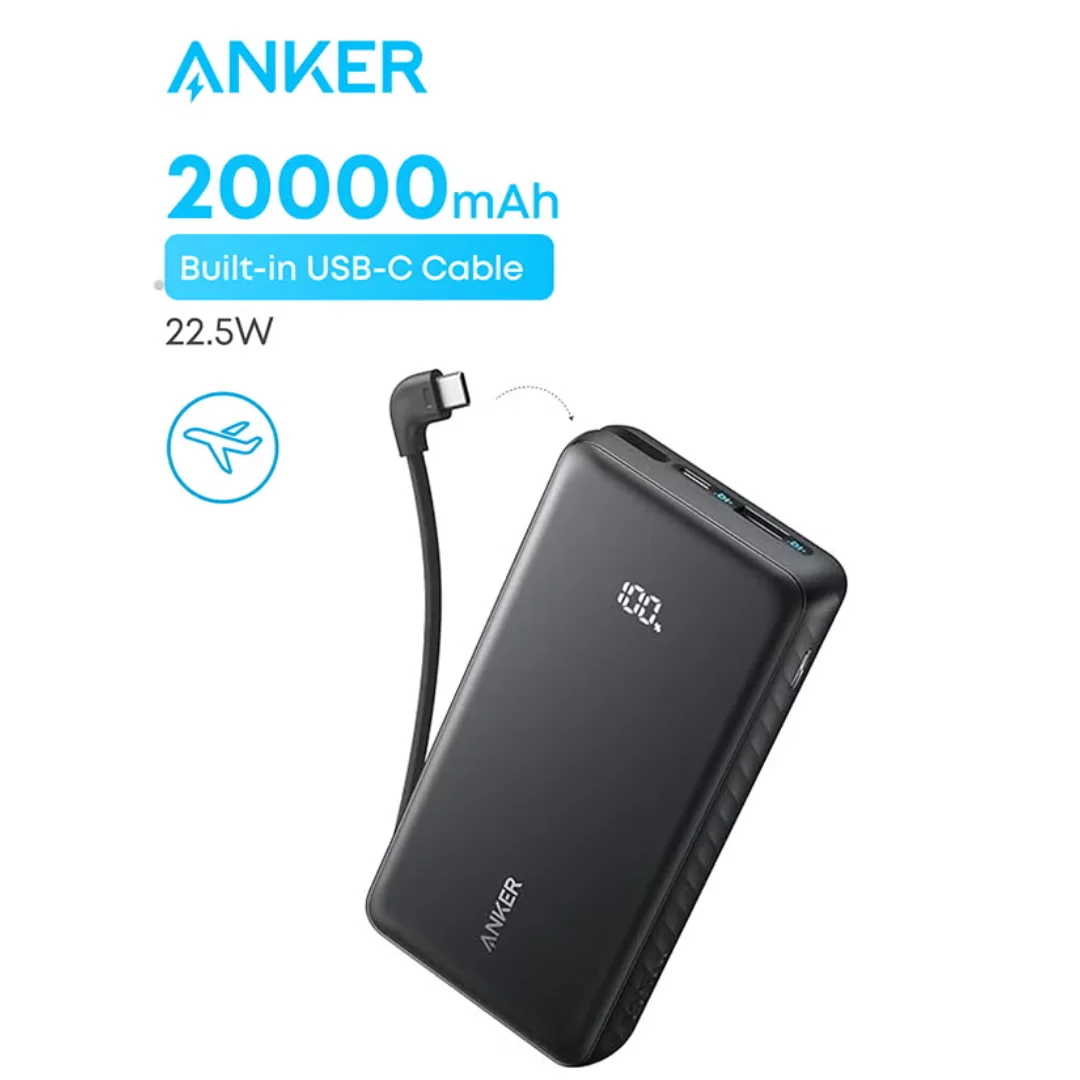
Anker ZOLO Power Bank 20,000mAh (22.5W) | Built-in Cable
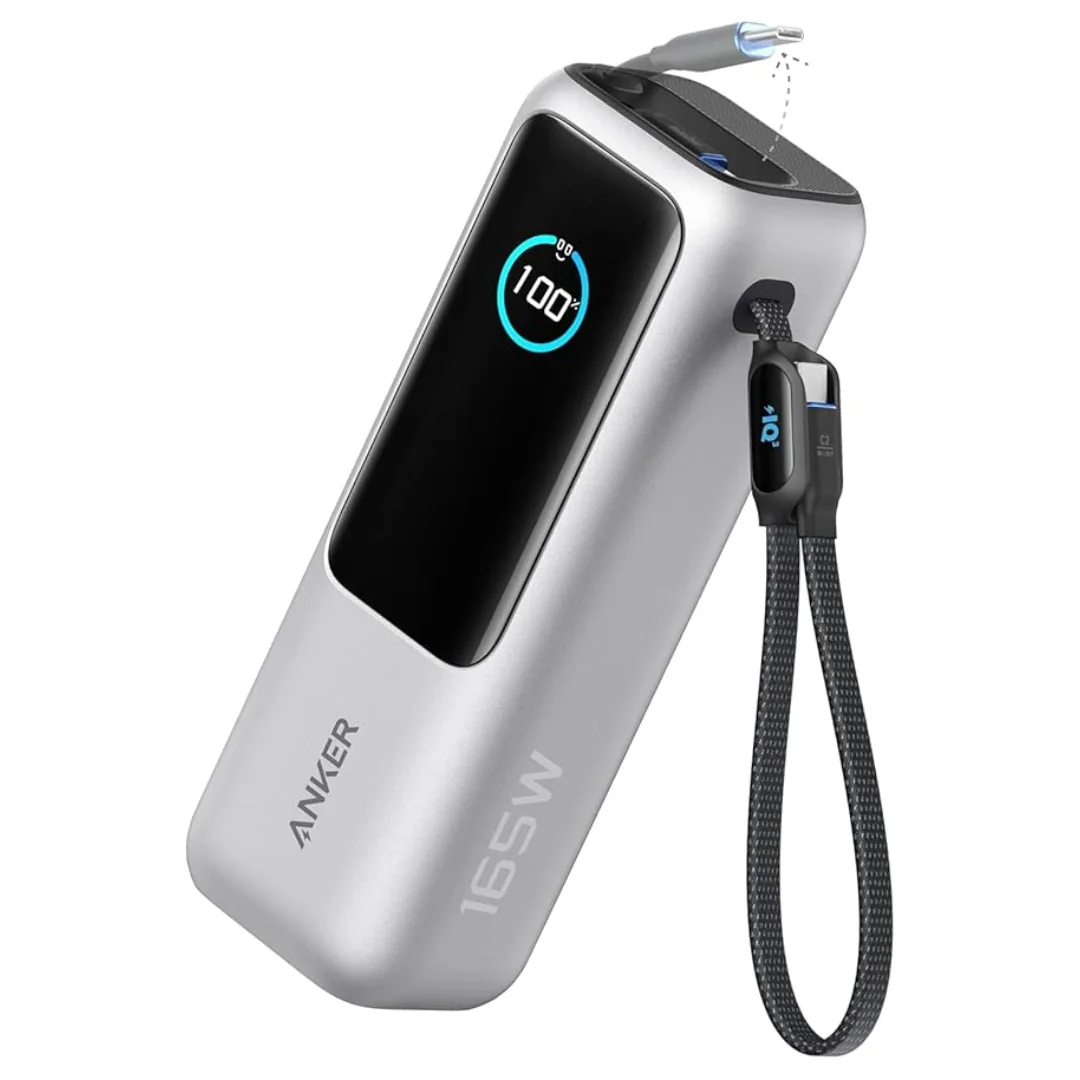
Anker Zolo Power Bank 25,000mAh 165W — Built-In Dual Cables | MacBook Charging
Browse the categories this article covers
Related Articles

Best Power Bank & Cable to Run Router During Power Outages (Prices & Types)
Read more →
Can a Power Bank Charge a Laptop? The Complete Scientific Guide with Real Numbers (2026)
Read more →