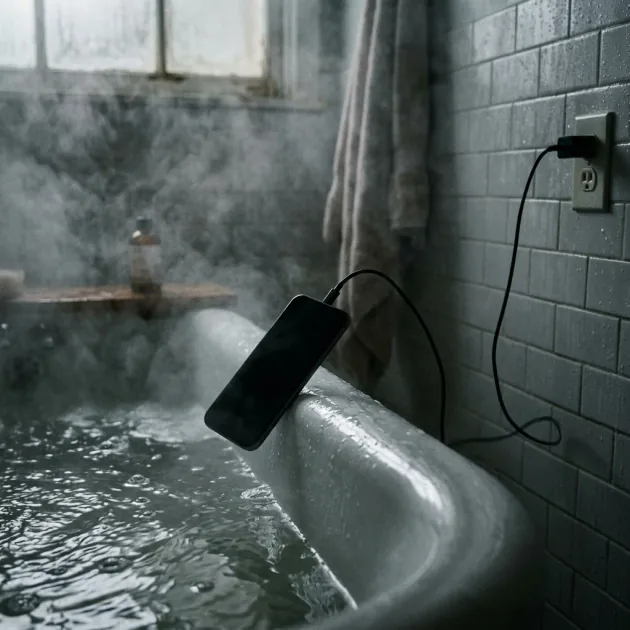
Imagine this common scenario, my friend: you return home after a long, exhausting day navigating Cairo's hectic streets, and you decide to take a hot, steaming shower to relax your muscles and ease your mind. To save time, and since your smartphone is sitting at a critical 5% battery, you decide to bring your fast charger with you. You plug the adapter into the socket near the bathroom mirror, balance your phone on the edge of the bathtub, and step in—planning to watch videos or reply to WhatsApp messages while you wash. To many, this feels like the ultimate setup for convenience and multi-tasking. However, in the language of physics and electrical engineering, you are essentially standing on the edge of a high cliff with wind pushing you from behind while your eyes are closed! A wall charger plugged into an outlet in a wet, steam-filled bathroom is not a convenient charging setup; it is a lethal electrical hazard waiting to trigger a fatal shock in a split second.
Naturally, users ask themselves with skepticism: "Come on, how can a tiny phone charger carry enough electrical energy to kill a human being? The cable is extremely thin and the output going to the phone is too weak to harm a fly!" While this sounds logical on the surface, it completely ignores the basic laws of physics, electrical conductivity, and the internal design of switching power supplies. In this comprehensive academic guide from the CairoVolt lab, we break down the physics behind bathroom charging accidents, analyze how humidity and steam create high-voltage bridges, explain why wet skin loses all its electrical resistance, and outline strict safety rules to protect your family from these silent household killers.
💡 Quick Answer: Yes, charging your phone in the bathroom is a real and potentially fatal electrical hazard. The danger does not come from the phone itself (which runs on a safe 5V to 9V DC current), but from the wall adapter plugged into the high-voltage (220V AC) mains outlet. High humidity and hot steam condense on the charger, forming a liquid, conductive bridge that leaks 220V directly into the USB cable and the phone's exterior shell. Because wet skin offers extremely low resistance to current, touching the phone in this state can cause immediate, fatal cardiac arrest.
1. The Illusion of 5V Safety: How Chargers Actually Transfer Power
The single biggest misconception leading to fatal electrocution accidents in wet environments is the belief that cell phones are completely safe because they operate on low voltages, typically between 5V and 9V (Direct Current - DC). From an engineering standpoint, this low voltage is indeed incapable of penetrating human skin barrier or causing physical harm under dry conditions. However, the hazard is not the phone; it is the **wall adapter block** connected directly to the 220V AC household main outlet on the wall.
A standard phone charger is a switching mode power supply (SMPS). It contains a high-frequency miniature transformer and complex circuitry designed to step down the high 220V AC household mains voltage to a safe 5V DC output, separating the high-voltage side from the low-voltage output. Under dry conditions, this galvanic isolation barrier works perfectly, ensuring absolute safety.
However, when a charger is exposed to a highly humid bathroom environment, this internal isolation barrier degrades or fails entirely. The moisture and steam bridge the physical air gaps between the high-voltage 220V AC primary circuit and the low-voltage secondary circuit inside the adapter. As a result, the full, lethal 220V mains voltage bypasses the transformer, leaking directly into the copper wires of the USB cable and onto the external chassis of the smartphone. The phone becomes a live, high-voltage conductor waiting to discharge through anyone who touches it.
2. The Physics of Moisture: How Steam Form Conductive Bridges
While pure water is a poor conductor of electricity, the water we use for showering and washing is far from pure; it contains dissolved minerals, salts, and soap residues that transform it into a highly efficient conductor. When a hot shower is running, hot steam quickly saturates the bathroom air and condenses on all cooler surfaces, including wall outlets, charger adapters, and the phone's screen.
This condensation forms a microscopic liquid layer of mineral-rich water over the metal prongs of the charger block and inside the USB ports. This layer acts as a **Conductive Moisture Bridge**. The 220V AC current, always seeking the path of least resistance to the ground, utilizes this liquid bridge to flow out of the live terminal of the socket, crawling along the exterior of the charger block and down the length of the USB cable. High humidity completely eliminates the insulating properties of air, making standard, non-waterproof bathroom outlets highly dangerous points of contact.
3. Human Skin Resistance and Ohm's Law: Dry vs. Wet Skin
The human body is naturally protected by dry outer skin layers, which exhibit a high electrical resistance ranging from **100,000 Ohms to 500,000 Ohms**. This high resistance restricts current flow through vital organs during accidental contact with low to moderate voltages.
However, when skin is wet, soaked, or covered in sweat due to bathroom humidity, this natural protective resistance collapses. The resistance of fully wet skin drops to **1,000 Ohms or less** (dropping to around 500 Ohms if submerged in a bath). According to **Ohm's Law**, which states:
Current (Amperes) = Voltage (Volts) / Resistance (Ohms)
Under dry conditions (220V applied to 100,000 Ohms), the current flowing through the body is a mere 2.2 milliamperes (mA)—causing only a mild, harmless tingle. However, under wet conditions (220V applied to 1,000 Ohms), the current surges to **220 mA**! This is a massive, highly lethal dose of electricity. To put this in perspective, a current of just 10 mA is enough to cause severe muscle contractions that prevent a person from letting go of the live wire (the "let-go" threshold). A current of 50 mA paralyzes respiratory muscles, and anything above 100 mA triggers immediate **Ventricular Fibrillation**—causing the heart muscles to twitch erratically and stop pumping blood, leading to death within a few seconds.
4. Real-World Bathroom electrocution Scenarios
Based on forensic electrical investigations, there are two primary ways these fatal accidents occur in bathrooms:
- The Bathtub Scenario (Dropped Device): A user sits in a bathtub filled with water, holding a phone connected to a wall charger. The phone accidentally slips from their wet hands into the tub. The 220V AC current leaking from the charger immediately charges the bathwater. Because the submerged human body offers a path of least resistance to the drain pipes, the current passes directly through the heart, causing instant death.
- Unplugging Chargers with Wet Hands: Right after washing or showering, a user reaches to unplug the charger from the wall outlet with wet fingers. Water droplets bridge the tiny gap between the user's skin and the live metal prongs of the plug. The 220V current flows through the fingers, arm, and chest down to the damp floor, causing severe electrical shock.
5. Human Body Electrical Resistance and Physiological Effects Table
| Skin Condition | Average Resistance (Ohms) | Current Flow at 220V AC | Physiological Effect on Body | Hazard Level |
|---|---|---|---|---|
| Completely Dry Skin | 100,000 - 500,000 Ω | 0.44 - 2.2 mA | Mild tingling sensation, barely perceptible | Low / Safe |
| Damp or Sweaty Skin | 10,000 Ω | 22 mA | Severe muscle spasms, pain, inability to let go | Moderate / High |
| Fully Wet / Submerged Skin | 1,000 Ω | 220 mA | Severe burns, respiratory paralysis, heart failure | Lethal / Fatal 💀 |
6. Mandatory Bathroom Electrical Safety Rules
To protect your children and family from accidental electrocution in Egypt, enforce these technical safety standards immediately:
- The Dry Bathroom Rule (Zero Charger Policy): Implement a strict household rule: no chargers, extension cords, or plugged-in electrical appliances are allowed inside the bathroom under any circumstances. Keep the bathroom a wire-free zone.
- Install a Residual Current Device (RCD/GFCI): Ensure that your home's main electrical distribution board has a high-sensitivity Residual Current Device (RCD/GFCI) rated at **30mA**. This safety switch detects tiny current leaks to the ground and cuts off electricity in less than 30 milliseconds, saving human lives instantly.
- Use Splash-Proof Waterproof Outlets: Any outlet installed in the bathroom must have a spring-loaded plastic cover and a waterproof rating of at least **IP66** to prevent steam condensation inside the contacts.
- Never Touch Charged Devices with Wet Hands: Even outside the bathroom in other rooms, do not touch, hold, or interact with your smartphone while it is actively charging if your hands are wet from washing dishes, cleaning, or cooking. Always dry your hands completely with a clean towel first.
7. CairoVolt Engineering Lab Summary
Charging your phone in the bathroom is a high-risk gamble that is simply not worth the convenience. The laws of electrical physics do not compromise for convenience, nor do they differentiate between an adult and a child. Electricity and water will always remain a lethal combination. Keep your family safe by establishing clear boundaries and keeping all chargers and cables out of the bathroom environment.

CairoVolt Editorial Team
Content team reviewing specifications and buying guides
The CairoVolt team reviews model numbers, specifications, and compatibility, and updates information when better data is available. Estimates are labeled as calculations, and readers can report information that needs correction.
Frequently Asked Questions
Is it safe to charge a phone in the bathroom using a power bank?▼
What is an RCD or GFCI breaker and how does it protect people?▼
Do original OEM chargers prevent bathroom electrocution?▼
What should you do if someone is getting shocked in the bathroom?▼
Ready to Buy?
Browse available products and review specifications and CairoVolt warranty terms before ordering
Products Mentioned in This Article
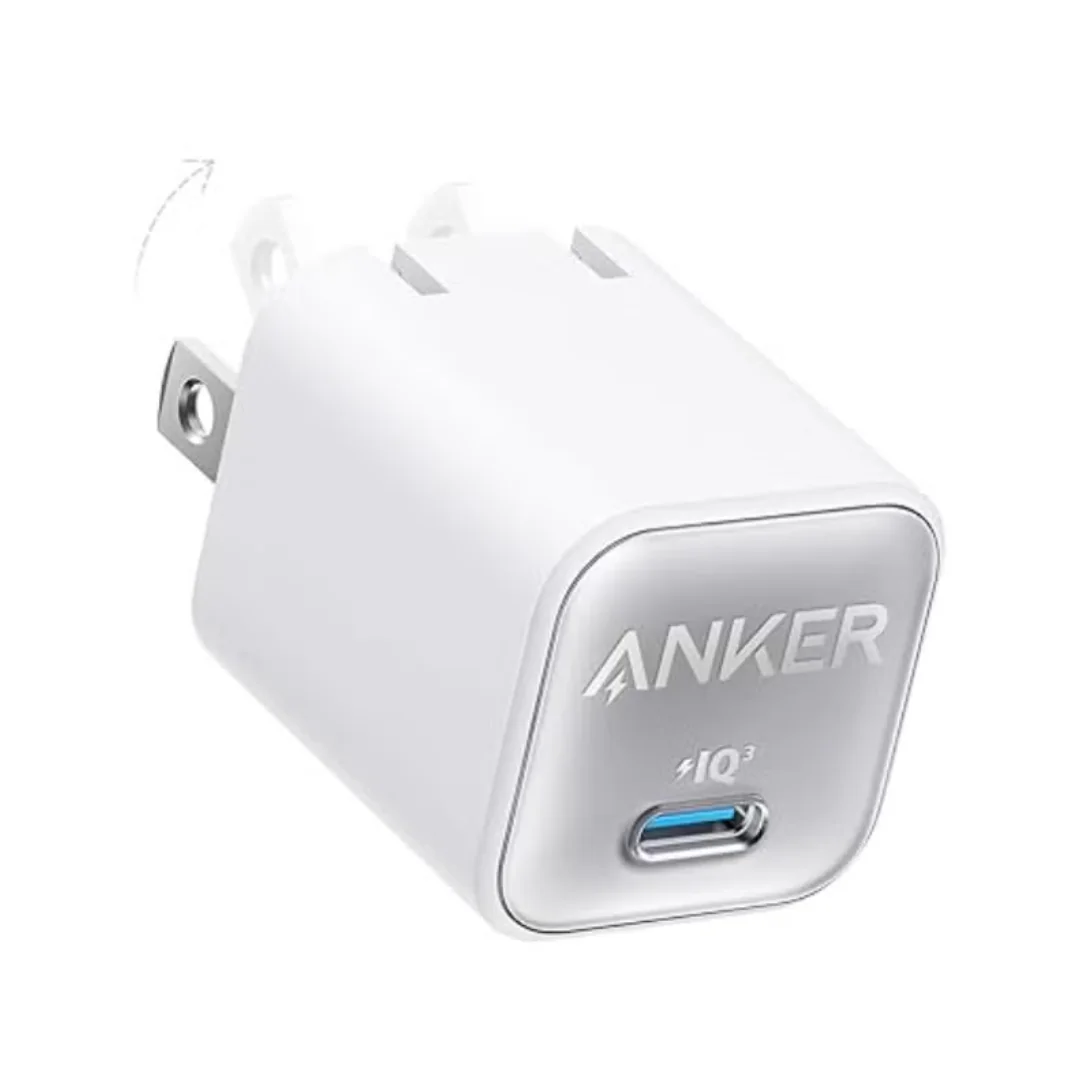
Anker 511 Nano 3 GaN Charger 30W (A2147) | USB-C PD | IQ3
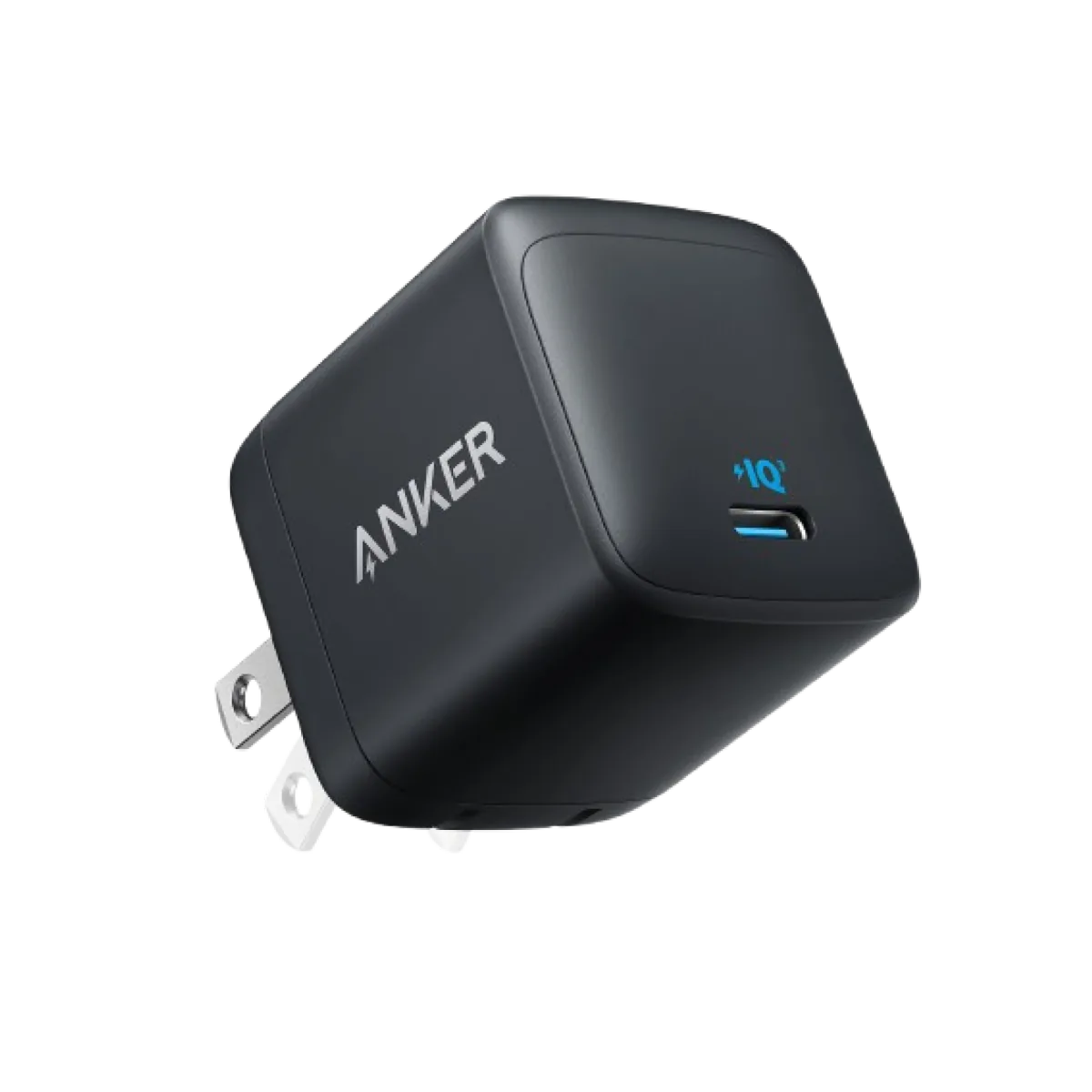
Anker Nano 45W GaN USB-C Charger | MacBook Air + iPhone 17
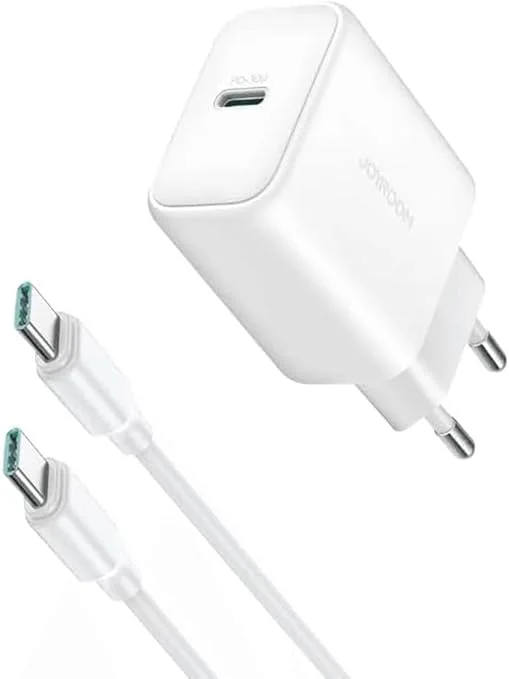
Joyroom 30W PD+QC Wall Charger | Dual USB-C and USB-A Ports
Joyroom USB-C to USB-C Cable JR-S-CC100