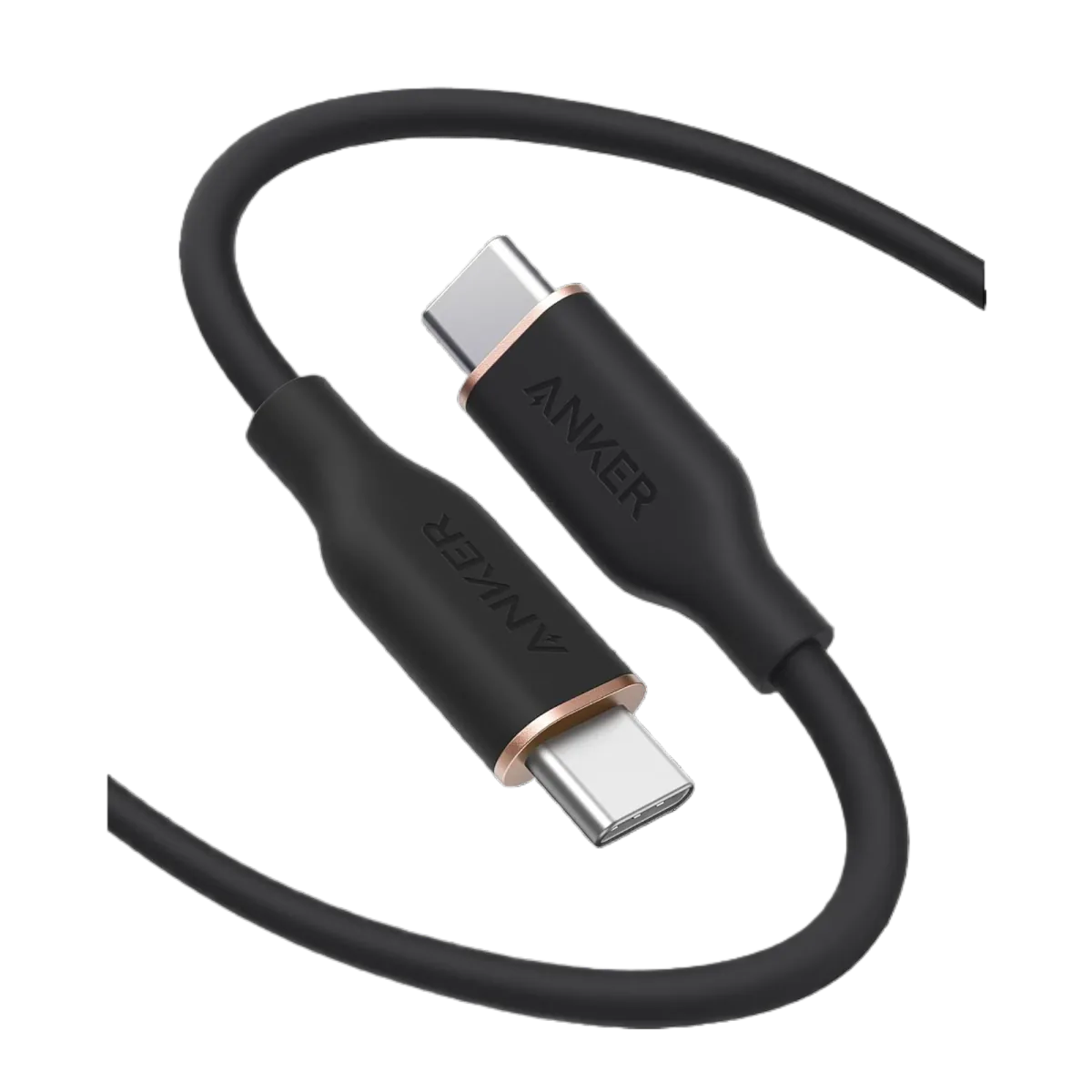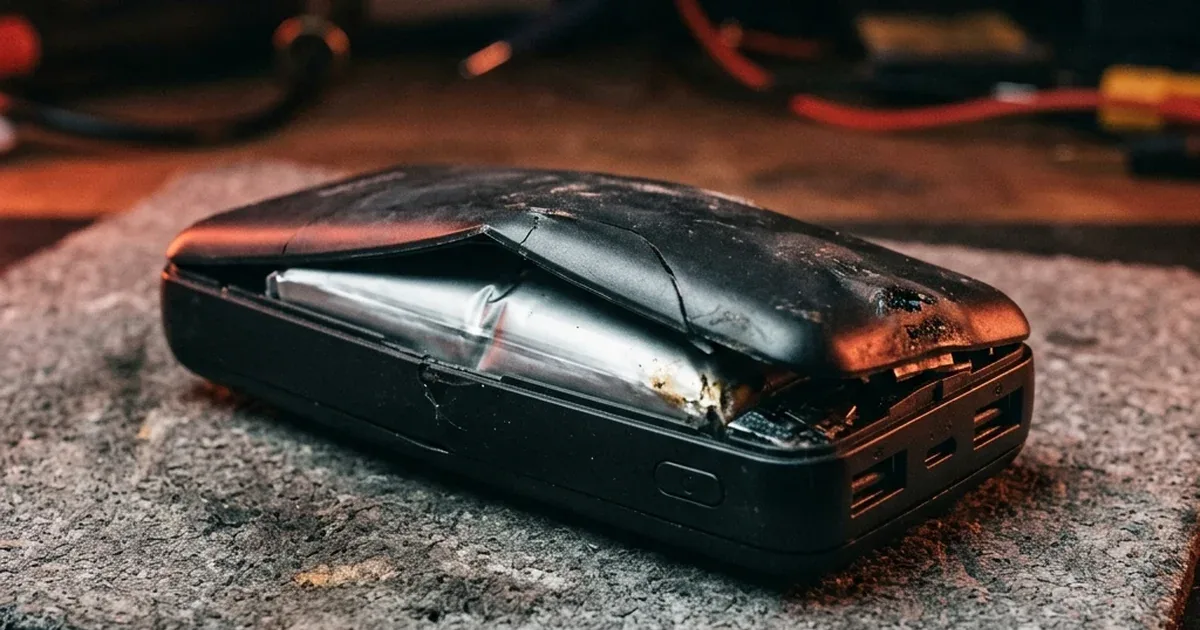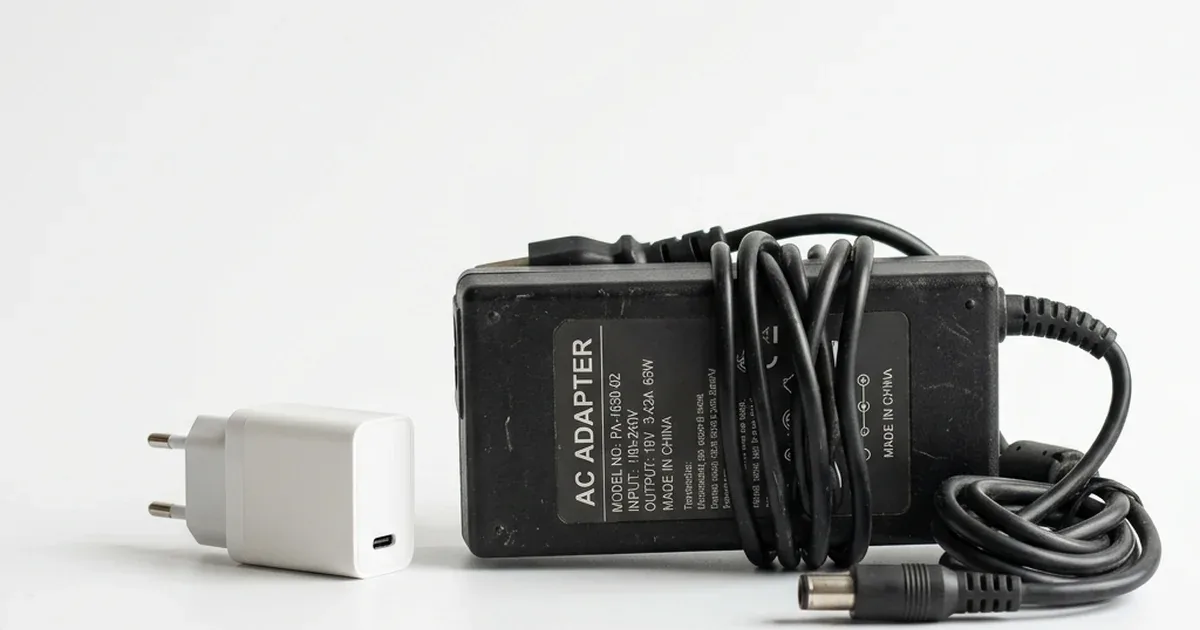
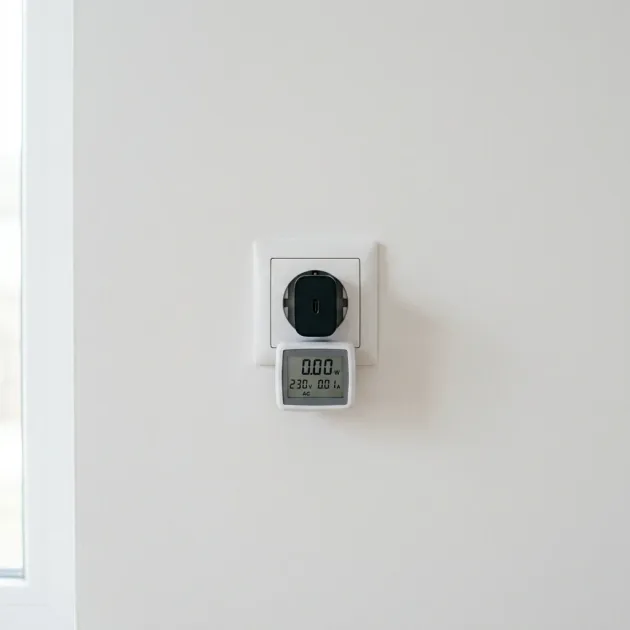
Imagine this daily, highly familiar scene in modern households, my friend: you wake up late and in a rush for work, pull your smartphone off the charging cable, and dash out the door, leaving the wall adapter plugged directly into the wall outlet. This charger might remain plugged into the socket for weeks, or even months on end, without being unplugged for a single second from the live current! This habit has become so incredibly common that we do not even pay attention to it anymore. But have you ever wondered what is actively happening inside that small, silent charger block while it is connected to the household electricity mains all by itself without charging any phone? Does it actively draw current, consume electricity, and inflate your monthly utility bill? Could it overheat and transform into a real safety hazard, causing a sudden electrical short circuit or a dangerous house fire?
Opinions are usually split into two groups. The first group tells you: "Do not worry about it, the idle current is too weak to power even a tiny LED bulb, just leave it there so you do not have to search for it every time." The second group warns you in a terrifying tone: "Watch out! An empty charger left plugged in is a chemical energy vampire that drains your wallet and could explode at any moment!" At CairoVolt, we decided to settle this debate once and for all using precise physics and published figures: standby power draw is a documented number found in manufacturer specifications and international energy-efficiency standards, for both original and counterfeit-grade chargers. In this comprehensive academic guide, we break down standby power consumption, explain the concept of "vampire power," analyze whether idle chargers get hot, and outline the safety risks you must consider to protect your home and family.
💡 Quick Technical Answer: Yes, leaving a phone charger plugged in without a phone draws a tiny amount of electricity called "standby load" or "vampire power." Modern certified chargers draw between 0.1W and 0.5W (costing less than a few cents per year in Egypt). Original, healthy chargers do not heat up when idle. However, cheap counterfeit chargers can get warm due to current leaks and sub-standard components. We highly recommend unplugging them to prevent wear and avoid fire hazards from voltage surges.
1. The Mystery of Vampire Power: How a Charger Operates Without a Phone
To understand why an empty charger draws electricity, we must look at its internal electronics. A modern phone charger is not just a copper wire conducting current; it is a complex voltage-regulation device called a Switch Mode Power Supply (SMPS). The electronic circuit inside the charger remains closed and active as long as it is plugged into the wall, even if no phone is connected to the other end of the cable.
The 220V AC household current enters the charger and passes through filter capacitors and a high-frequency miniature transformer. This transformer contains two separate copper coils: the primary copper coil and the secondary copper coil, which are completely galvanically isolated from each other. When the charger is plugged in without a phone, a very small current flows through the primary coil to generate an electromagnetic field, waiting for a device to connect and trigger power transfer. This continuous idle current is scientifically called the **Magnetizing Current**.
This continuous, non-stop flow of primary current and electromagnetic field generation consumes a small but persistent amount of wasted power, which is globally referred to in electrical engineering as **Vampire Power** or **Phantom Load**. In this idle state, the wall charger is structurally identical to a modern car engine left idling at a traffic stop. The engine must continuously consume a small amount of fuel to stay active and ready to accelerate, which is precisely how an empty charger operates when left plugged into the wall outlet.
2. Standby Charger Electricity Consumption and Costs in Egypt
According to manufacturer specifications and international energy-efficiency standards, the typical standby power draw of wall adapters plugged in without a phone is as follows:
- Modern high-efficiency GaN (Gallium Nitride) Chargers (e.g., Anker Nano): Draw an average of **0.1W to 0.2W** of power.
- Standard older OEM (Original Equipment Manufacturer) Chargers: Draw about **0.3W to 0.5W** of power.
- Cheap Counterfeit and Low-grade Commercial Adapters bought from unlicensed shops: Can exceed **1.5W to 2.5W** due to severe current leakage and poor internal insulation.
Let's calculate the real financial impact in Egypt: assuming you leave a modern certified charger drawing 0.2W plugged in 24/7 for an entire year (365 days):
Annual standby energy consumption = 0.2W × 24 hours per day × 365 days per year = 1,752 Watt-hours = 1.75 kWh of wasted electricity per year.
Multiplying this annual idle waste by the standard Egyptian household electricity tariff (approximately 2.23 EGP per kWh for higher consumption tiers), a single idle charger costs you roughly **4 Egyptian Pounds per year**! Even if you have a large household with 5 chargers left plugged in empty across different rooms, the total annual wasted cost remains well under 20 EGP. Therefore, from a purely economic and financial perspective, leaving an original charger plugged in does not impact your monthly utility bill in any noticeable way.
3. Do Empty Chargers Get Hot? When Heat Indicates Danger
Under idle conditions, a healthy, certified charger should not feel warm to the touch. The thermal energy generated by a 0.2W standby draw is easily dissipated into the air, keeping the outer plastic casing at room temperature.
However, if you touch an empty charger plugged in without a phone and find it **noticeably warm or hot to the touch**, this is a critical warning sign that requires immediate action! An idle charger generating heat indicates a significant internal malfunction, usually pointing to one of two issues:
- Internal Component Degradation: Aging capacitors or damaged transformer coils are leaking current, converting the electrical energy into waste heat.
- Counterfeit Components: Cheap clone chargers use sub-standard copper wiring and low-grade transistors that lack proper efficiency standards, wasting significant current as continuous heat even when no phone is connected.
4. The Real Safety and Technical Risks of Leaving Chargers Plugged In
Although the financial cost of standby power is negligible, we at CairoVolt strongly advise against leaving chargers plugged in indefinitely due to several technical and safety risks:
- Grid Voltage Surges and Load Shedding Risks: The municipal electrical grid in Egypt frequently experiences sudden, unpredictable voltage spikes and transient electrical surges, especially when main power is restored after load shedding outages. A sudden high-voltage surge can easily overwhelm and burn the delicate primary circuits of an idle wall charger, causing a short circuit and triggering a serious outlet fire in your home.
- Premature Internal Component Wear: The electrolytic capacitors and copper coils inside the wall charger are rated for a specific number of operational lifetime hours under constant voltage load. Keeping the charger connected to the 220V AC mains 24/7 continuously accelerates the drying of capacitor electrolyte and degrades insulation, shortening the useful life of the charger from five years to less than a single year.
- Severe Hazard to Children and Pets: A live charging cable left dangling from a wall outlet still carries an active low-voltage charge at its tip. If a teething toddler or a curious household pet (like a cat or dog) chews on the exposed metal connector, their wet saliva creates a low-resistance path of conduction, delivering a painful and dangerous electrical shock directly to the mouth, gums, or tongue of your child or pet.
5. Standby Power and Risk Comparison Table for Wall Chargers
| Charger Class | Standby Power Draw | Thermal Output (Idle) | Fire Hazard Rating | Component Wear Rate |
|---|---|---|---|---|
| Modern GaN Charger | < 0.1W | Completely Cool | Negligible | Very Low (high-grade materials) |
| Standard OEM Charger | 0.2W - 0.4W | Cool | Low | Moderate (gradual capacitor wear) |
| Cheap Counterfeit Adapter | 1.5W - 2.5W | Warm / Hot | High ⚠️ | High (fails within months) |
6. CairoVolt Smart Guidelines
To eliminate these risks, follow these simple, practical guidelines:
- Unplug After Charging: Make it a daily habit to remove the wall adapter completely from the socket once you disconnect your phone. Store it safely in a drawer, box, or another dedicated dry location in your room.
- Use a Switched Power Strip: If the wall outlet is difficult to reach, plug your chargers into a high-quality power strip equipped with a physical on/off switch. Simply turn off the switch when you are not actively charging to cut off power to all adapters at once.
- Replace Aging Chargers: If your old wall adapter emits a faint, annoying high-pitched noise (Coil Whine) or feels slightly warm when idle without a load, replace it immediately with a certified, protected GaN charger like the Anker 30W Wall Charger to protect your home from potential electrical failures.
In the final analysis, while an empty charger will not break your budget due to its low standby draw, unplugging it prevents wear and tear, and protects your home from sudden voltage spikes and fire hazards.

CairoVolt Editorial Team
Content team reviewing specifications and buying guides
The CairoVolt team reviews model numbers, specifications, and compatibility, and updates information when better data is available. Estimates are labeled as calculations, and readers can report information that needs correction.
Frequently Asked Questions
Does leaving the USB cable plugged into the charger block consume more power?▼
What causes charger humming (Coil Whine) and is it dangerous?▼
Does turning off a power strip switch eliminate vampire power?▼
Does leaving a charger plugged in make it charge slower over time?▼
Ready to Buy?
Browse available products and review specifications and CairoVolt warranty terms before ordering
Products Mentioned in This Article
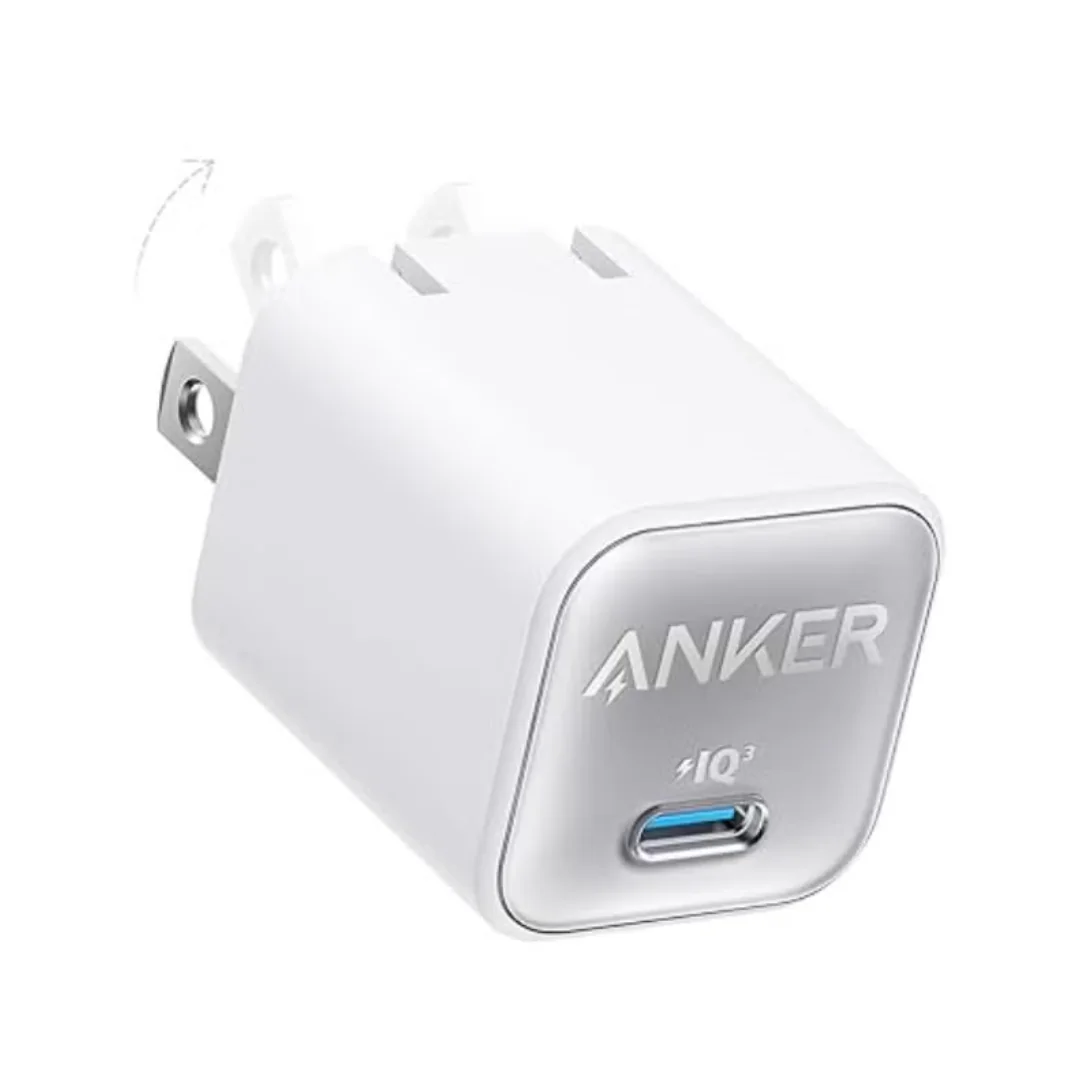
Anker 511 Nano 3 GaN Charger 30W (A2147) | USB-C PD | IQ3
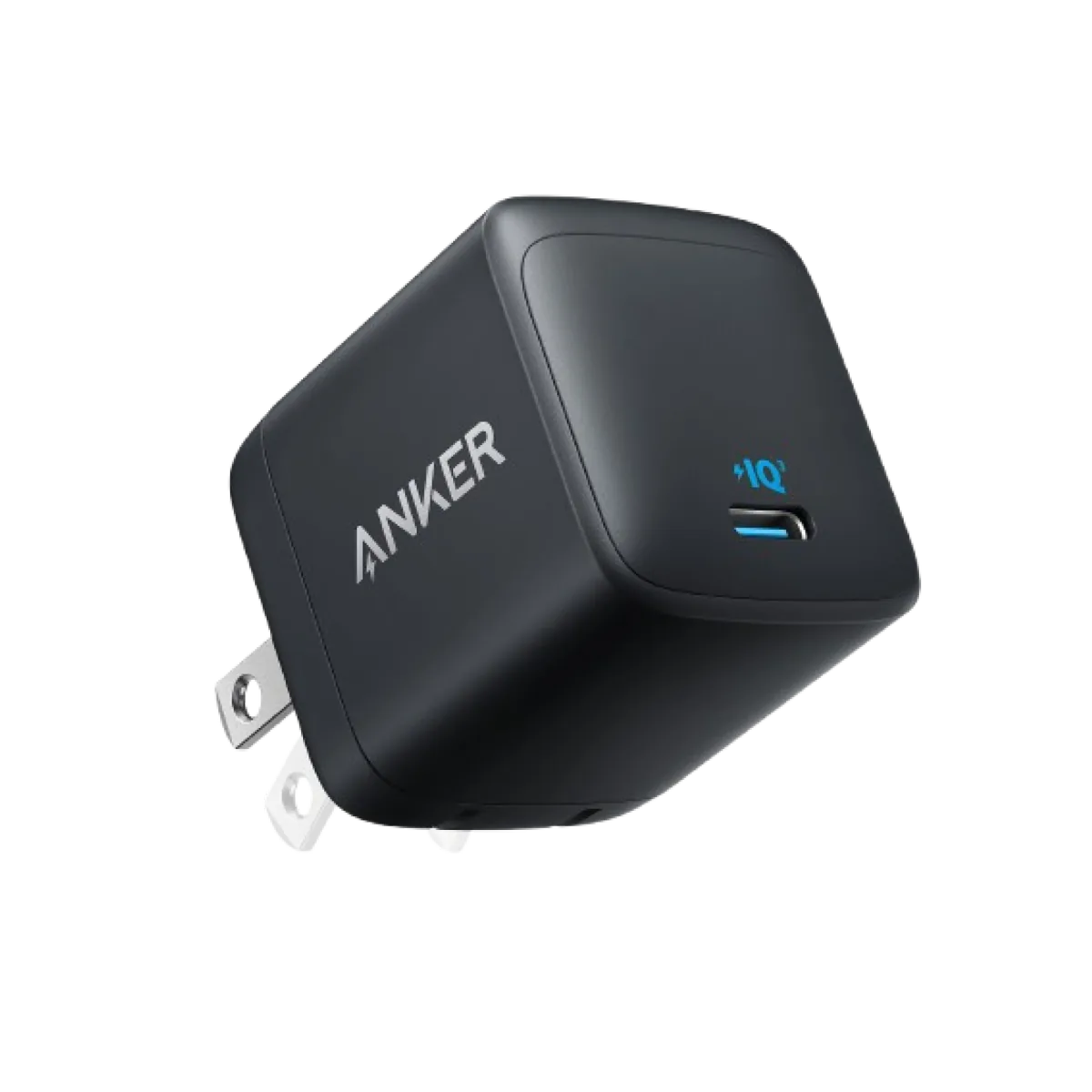
Anker Nano 45W GaN USB-C Charger | MacBook Air + iPhone 17
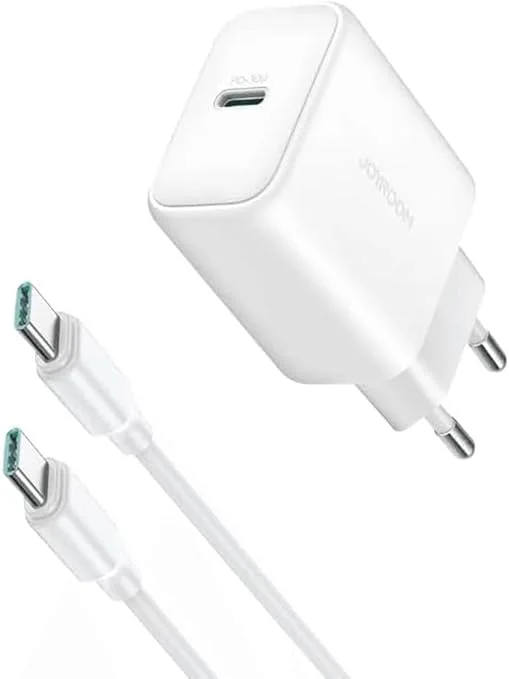
Joyroom 30W PD+QC Wall Charger | Dual USB-C and USB-A Ports
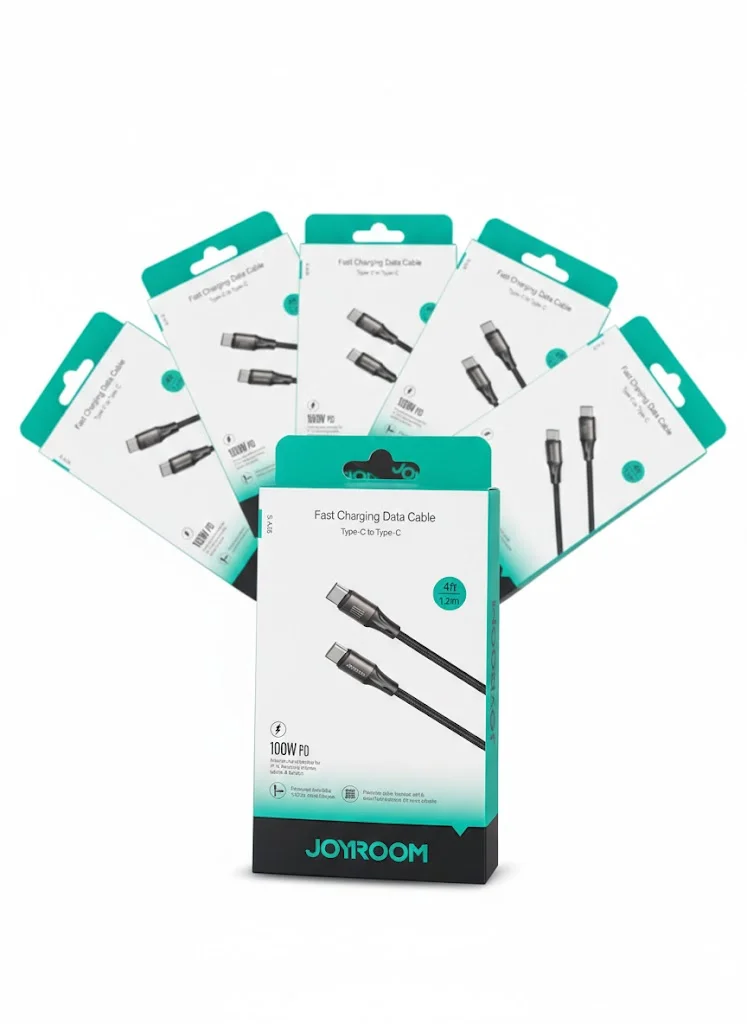
Joyroom USB-C to USB-C Cable JR-S-CC100