If you are shopping for a new pair of wireless earbuds, noise-canceling headphones, or a portable Bluetooth speaker, you have likely encountered a dizzying array of technical terms in product descriptions and reviews. Reviewers rave about products because "they support Sony's LDAC for high-fidelity audio," "they feature Qualcomm's aptX codec," or "they have BassUp technology for a richer low-end." But what do these terms actually mean for you as an everyday listener? Will you notice a real difference, and are they worth paying extra for?
At the CairoVolt lab, we have learned that technical details represent the difference between an immersive, crystal-clear audio experience and one that leaves you with listener fatigue after half an hour. Wireless audio is not magic; it is a system of compressing digital files, transmitting them over Bluetooth radio waves, and decoding them inside your headphones. The methods used in this process determine sound quality, latency, and dynamic range. In this guide, we will break down these three key audio terms in simple, practical terms to help you make an informed purchase.
🎙️ The Quick Takeaway: **LDAC** is Sony's high-bandwidth codec designed for audiophiles seeking maximum music detail (Android only). **aptX** is Qualcomm's suite of codecs optimized for low-latency synchronization in gaming and video. **BassUp** is Soundcore's real-time DSP algorithm that dynamically enhances bass frequencies without distorting vocals.
1. What is an Audio Codec and Why Do We Need It?
The term **codec** stands for **COder-DECoder**. Uncompressed digital audio files are too large to fit through the narrow bandwidth of a Bluetooth connection. A codec acts as a compression algorithm on your phone (encoding the audio) and a decompression algorithm on your headphones (decoding the audio) to transmit the stream in real-time.
If a codec uses aggressive, low-quality compression (known as lossy compression), the resulting audio sounds muddy, muffled, or metallic. If the codec is efficient and high-bandwidth, it preserves the original recording's detail, making you feel like you are sitting in the room with the artist.
The Default Codecs: SBC and AAC
- 🔵 SBC (Subband Coding): The baseline codec supported by every Bluetooth audio device in existence. It has high compression, mediocre sound quality, and significant latency.
- 🟢 AAC (Advanced Audio Coding): Apple's preferred codec. It is highly optimized for iPhones, delivering clean sound with minimal battery drain despite being limited to a maximum bitrate of 250kbps.
2. Sony's LDAC Codec: High-Resolution Audio Wireless
**LDAC** is a proprietary audio coding technology developed by **Sony**. It was designed to bypass traditional Bluetooth bandwidth bottlenecks and enable true high-resolution (Hi-Res) audio transmission wirelessly.
While the standard SBC codec transmits data at 328kbps, LDAC can transfer data at up to **990kbps** under optimal conditions. This triple bandwidth allows the codec to carry high-fidelity audio streams up to 24-bit/96kHz, preserving fine acoustic details, instrument separation, and vocal nuances.
Advantages of LDAC:
- 🎵 Hi-Res Audio Wireless Certified: Delivers audiophile-grade detail and rich harmonic depth.
- 📱 Built-in on Android: Google integrated LDAC support directly into the Android operating system starting with version 8.0, meaning virtually all modern Android smartphones support it out of the box.
Key Trade-offs of LDAC:
- 🔋 High Battery Consumption: Processing high-bitrate audio requires more computational power, reducing the battery life of both your phone and headphones by up to 30%.
- 📶 Signal Interference: In crowded environments with heavy RF traffic (like train stations or offices), the high bandwidth demand can cause audio stutters. Most headphones dynamically lower the bitrate to 660kbps or 330kbps to maintain a stable connection.
- 🍎 No iOS Support: Apple iPhones do not support LDAC.
3. Qualcomm's aptX Family: Low Latency and Consistency
**aptX** is a family of proprietary audio codecs owned by **Qualcomm**. Rather than focusing solely on maximum bandwidth, aptX is engineered to deliver CD-like audio quality with a primary emphasis on **low latency** and connection stability.
If you have ever played a fast-paced game or watched a movie only to notice the audio of a gunshot or dialogue lags behind the video, you are experiencing Bluetooth latency. The aptX family addresses this with targeted variants:
Qualcomm aptX Generations:
- ⚡ aptX HD: Offers high-definition audio support, transmitting up to 24-bit/48kHz audio at a bitrate of 576kbps.
- ⚡ aptX Low Latency (aptX LL): Designed specifically for gaming, reducing audio delay to under 40 milliseconds (effectively imperceptible to the human ear).
- ⚡ aptX Adaptive: A smart, next-generation codec that monitors signal strength and device activity in real-time. It automatically switches to low-latency mode for gaming and scales up to high-quality audio mode when listening to music.
To use aptX, your smartphone must feature a Qualcomm Snapdragon processor. It is not supported on Apple devices.
4. Soundcore BassUp Technology: Dynamic Low-End Processing
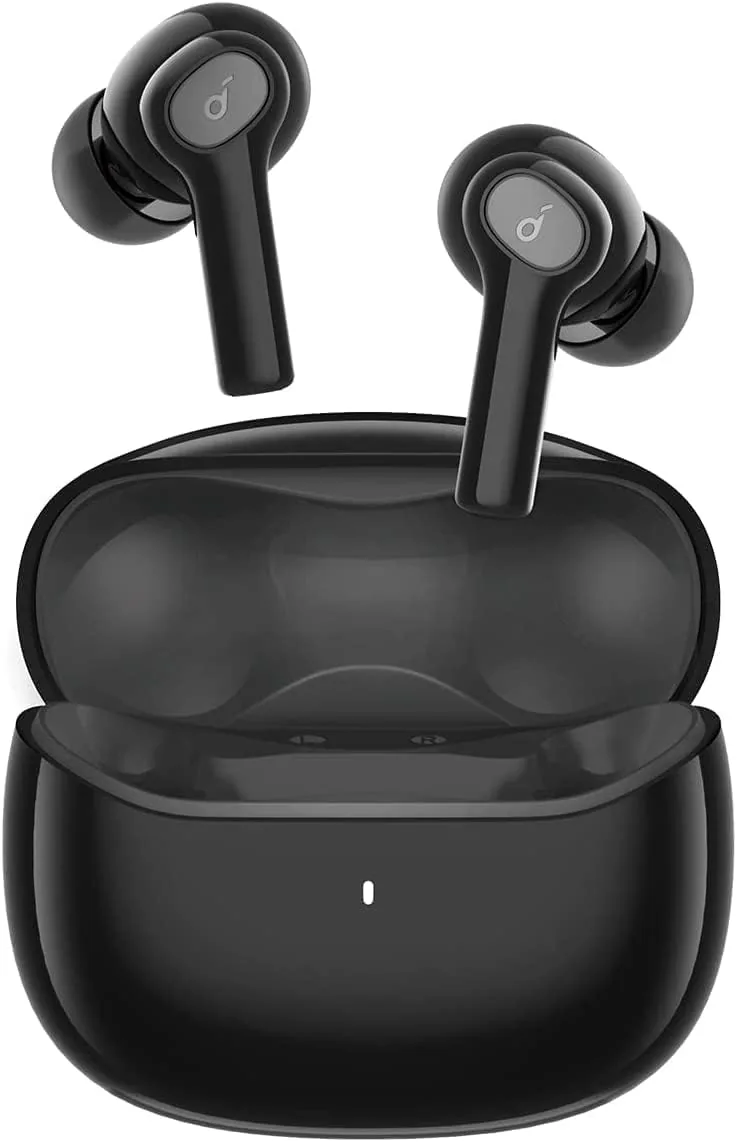
Unlike LDAC and aptX, **BassUp** is not a transmission codec. It is a proprietary **Digital Signal Processing (DSP)** algorithm created by **Anker Soundcore** that operates locally inside the headphone's firmware.
While LDAC delivers the raw audio file in high definition, BassUp customizes the speaker driver response to boost the bass impact.
Traditional equalizers amplify bass by boosting all low frequencies uniformly, which often results in a muddy, distorted sound that drowns out mid-range vocals. The BassUp algorithm avoids this through a two-step process:
- 🎙️ Real-Time Analysis: It continuously analyzes the incoming audio spectrum millisecond by millisecond.
- 🔊 Targeted Amplification: Upon detecting low-end beats or drum kicks, it instantly boosts the low-end frequencies by up to 43% while keeping mid-range vocals and high-pitched instruments clear and untouched.
This dynamic boosting is ideal for workout playlists, action movies, and outdoor portable speakers where clear, punchy bass is required to cut through environmental noise.
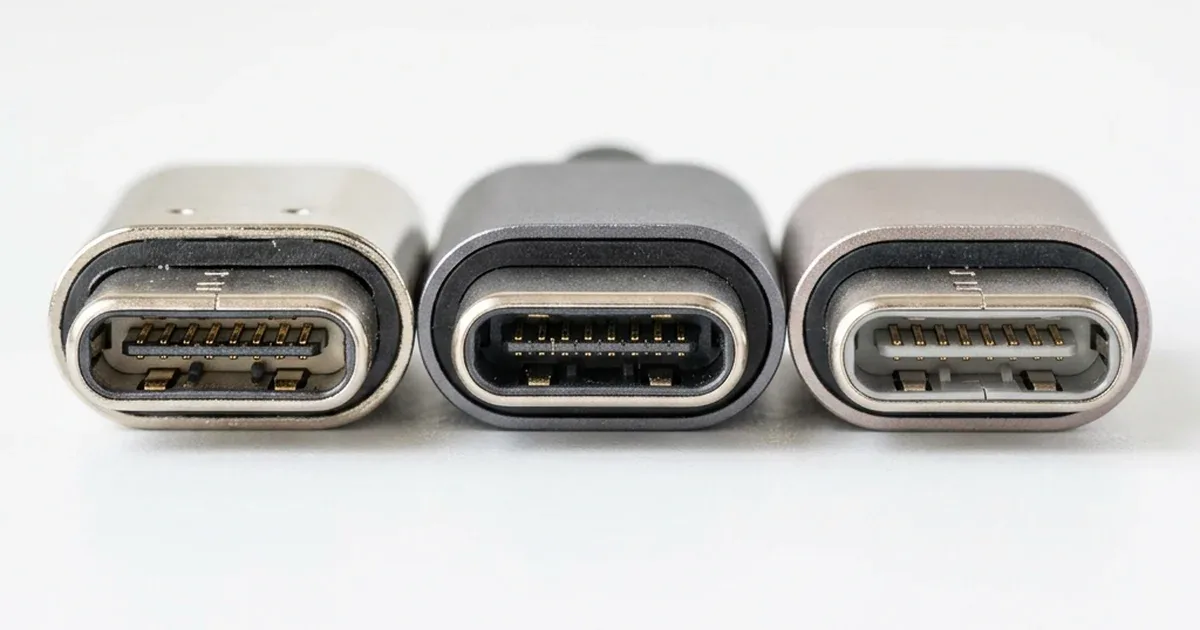
High-bitrate audio transmission also relies on physical cable standards during charging or tethering; check out our guide on USB-C and USB 3 cable speed differences.
5. Codec Comparison: SBC vs. AAC vs. aptX vs. LDAC
Here is a technical breakdown of the most common wireless audio standards:
| Codec / Protocol | Max Bitrate | Latency | Supported Devices | Best Use Case |
|---|---|---|---|---|
| SBC | 328 kbps | High (~220ms) | All Bluetooth Devices | Basic audio listening and voice calls |
| AAC | 250 kbps | Moderate (~120ms) | Apple iOS Devices | Standard listening on iPhones and iPads |
| aptX Adaptive | Up to 420 kbps (Dynamic) | Low (40ms - 80ms) | Android (Qualcomm SoC) | Gaming, movies, and dynamic environments |
| LDAC | Up to 990 kbps | Moderate (~150ms) | Android (8.0 and above) | Hi-Res music streaming and audiophile listening |
5.1. Wired (AUX) vs. Wireless Bluetooth: Which is Truly Better?
Despite the advancements in high-bandwidth Bluetooth codecs like LDAC and aptX, traditional wired connections via AUX or direct USB-C cables still hold a significant technical advantage in two main areas:
- 🎵 True Lossless Audio: Wired connections transmit uncompressed analog or digital audio directly to your ears. There is no need for encoding, compressing, or packetizing the data, resulting in zero loss of audio fidelity.
- ⚡ Zero Latency: Electrical signals travel through copper wires at near the speed of light. This completely eliminates the delay between video frames and audio playback, making it essential for competitive gamers and studio monitors.
While wireless earbuds offer unmatched convenience and portability, audiophiles still prefer wired headphones paired with high-quality digital-to-analog converters (DACs). However, for everyday commuting and working out, a high-quality LDAC or aptX Adaptive Bluetooth connection offers a high-fidelity experience that is practically indistinguishable from a wired setup for most listeners.
6. Buyer's Checklist
To choose the right wireless audio gear, consider your setup:
- 🍎 If You Use an iPhone: Do not pay extra for LDAC or aptX features. The iPhone will ignore them and run on AAC. Instead, focus on parameters like active noise cancellation (ANC), build quality, and microphone performance.
- 🤖 If You Use an Android Phone: Look for **LDAC** support if you want high-fidelity music streaming. Make sure to enable LDAC in your Android developer settings or the headphone companion app to unlock the full 990kbps stream.
- 🎮 If You are a Mobile Gamer: Select headphones supporting **aptX Adaptive** or featuring a dedicated "Low Latency Gaming Mode" to prevent delay between video actions and audio cues.
- 🏋️ If You Love Heavy Bass: Choose a device with Soundcore's **BassUp** processing to enjoy a powerful, motivating beat during workouts or outdoor gatherings.
Understanding these terms ensures you match your audio accessories to your playback devices. Investing in the correct codec and processing technology ensures every musical detail is preserved and heard exactly as the artist intended.

CairoVolt Editorial Team
Content team reviewing specifications and buying guides
The CairoVolt team reviews model numbers, specifications, and compatibility, and updates information when better data is available. Estimates are labeled as calculations, and readers can report information that needs correction.
Frequently Asked Questions
Can I use the LDAC codec on an Apple iPhone?▼
What is BassUp and does it require an app to function?▼
Which codec is better for gaming and movies: aptX or LDAC?▼
Do I need premium music streaming services to benefit from LDAC?▼
Ready to Buy?
Browse available products and review specifications and CairoVolt warranty terms before ordering
Products Mentioned in This Article
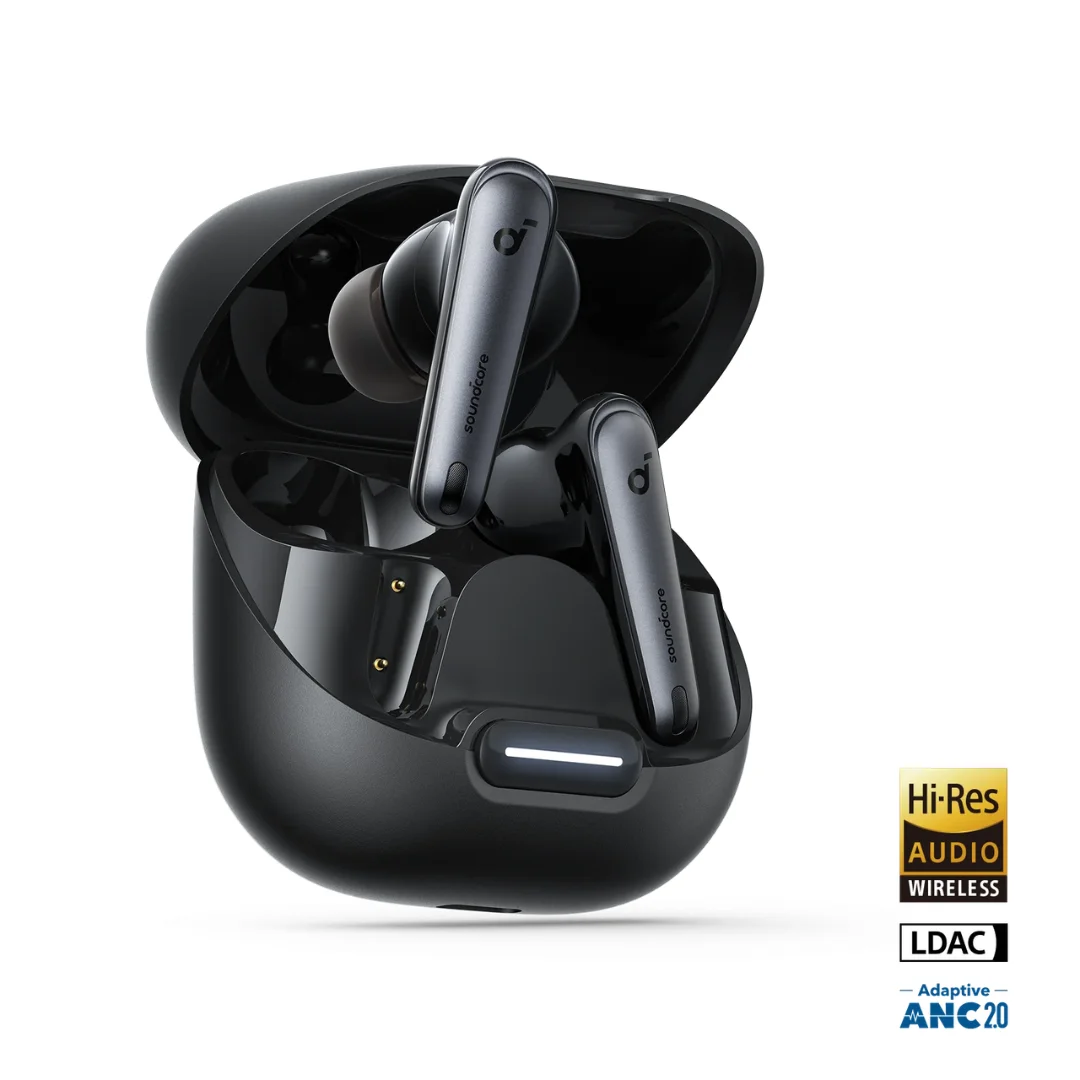
Soundcore Liberty 4 NC | Manufacturer-Listed Adaptive ANC | 11mm | LDAC | Up to 50h
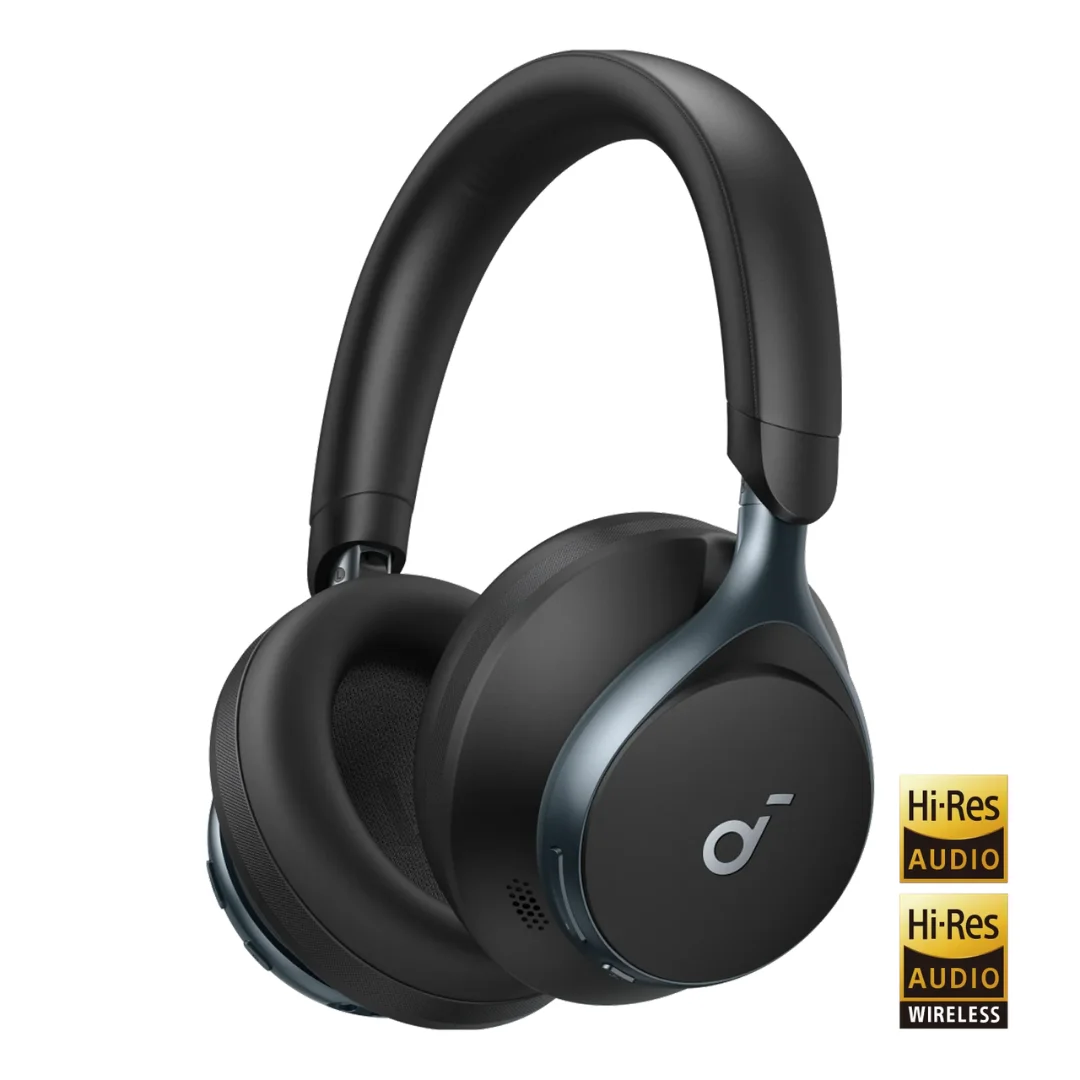
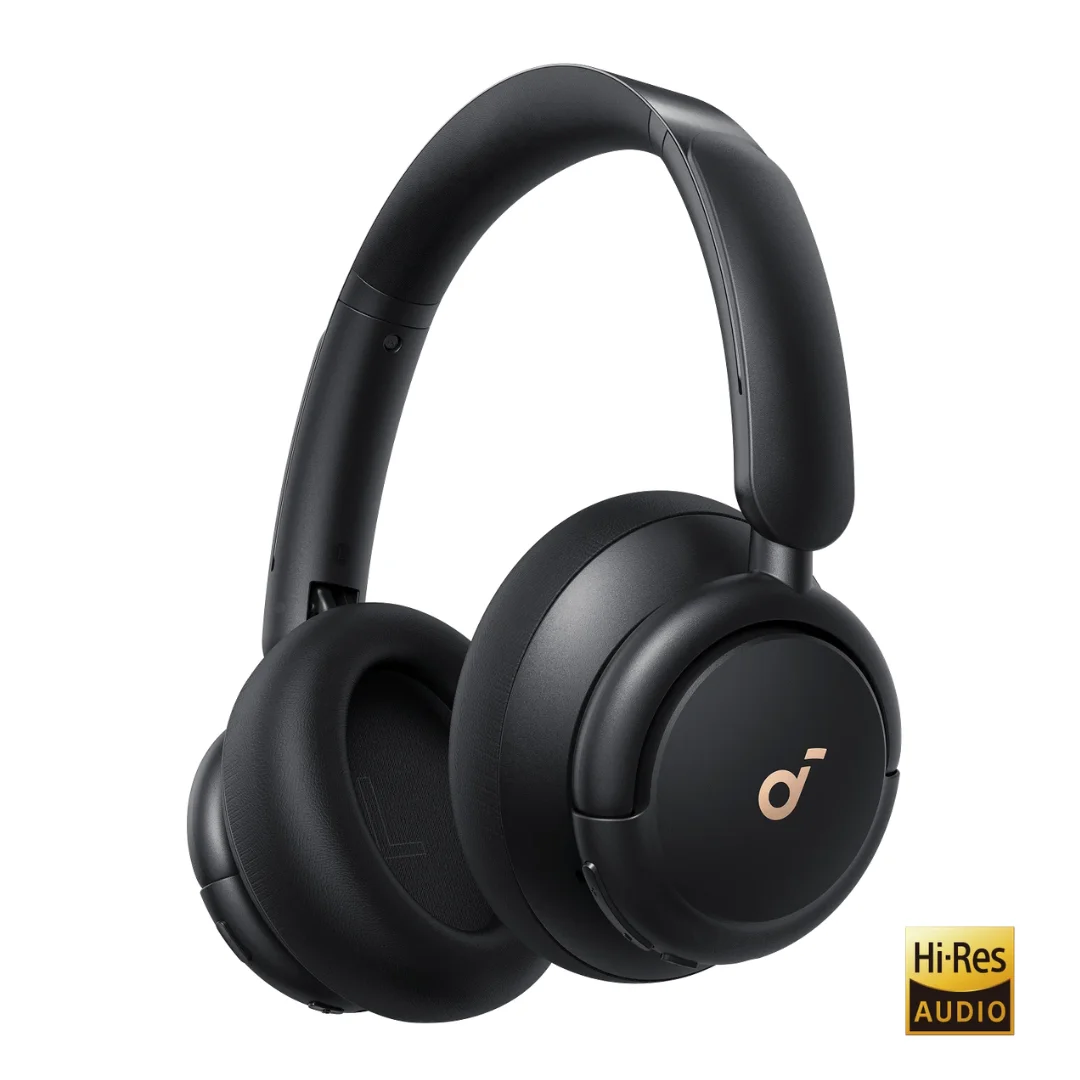
Soundcore Space One | Adaptive ANC | 40mm Driver | LDAC | 40h ANC / 55h Off | Foldable
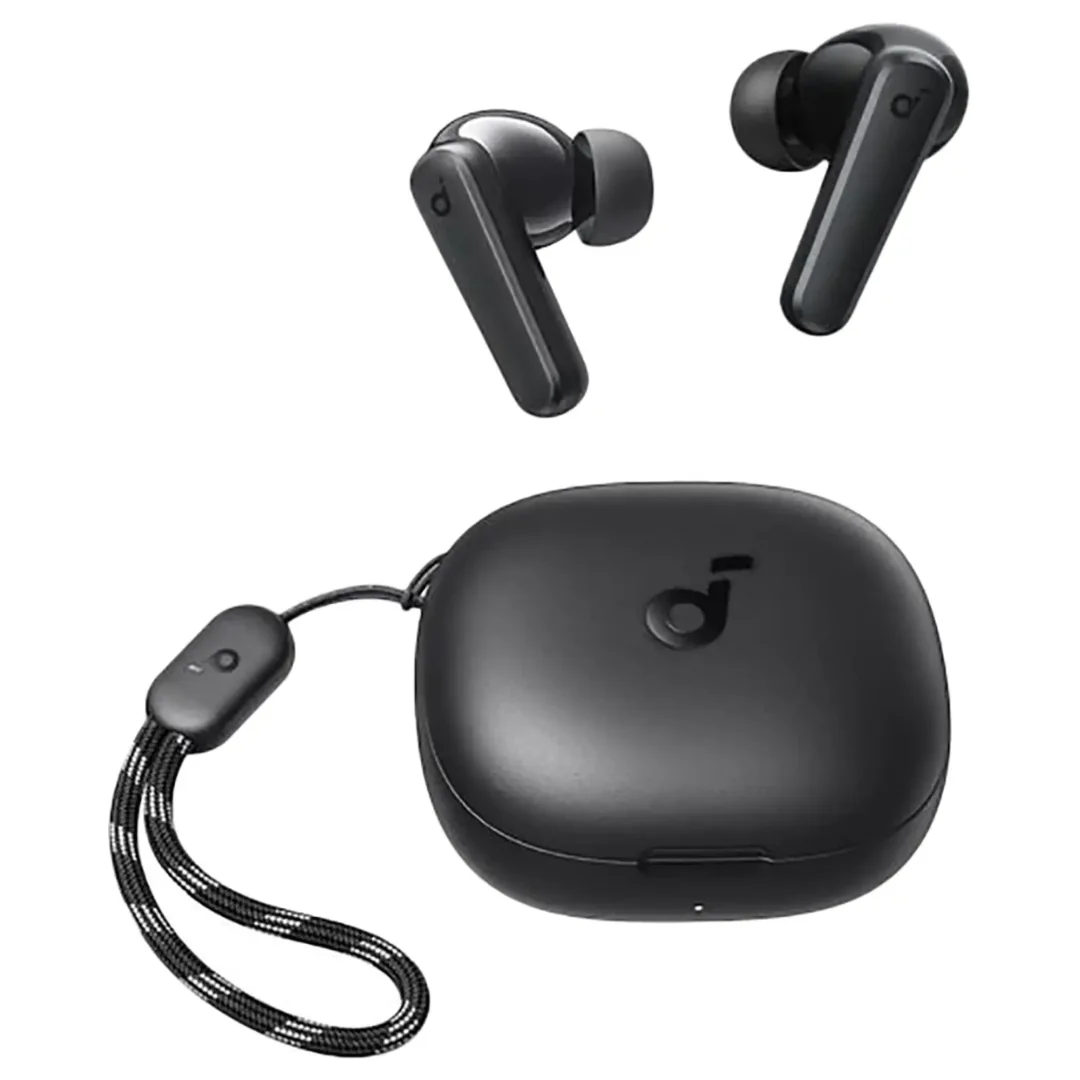
Anker Soundcore R50i | 10mm Drivers | 30h Battery | In-Ear
Soundcore Life Q30 | Hybrid ANC 3 Modes | 40mm Silk Driver | 40h ANC / 60h Off | Foldable