PD, QC, and PPS Fast Charging Abbreviations Explained Simply
Confused by symbols like PD, QC, and PPS on power adapters? We explain these fast charging standards in plain English so you can buy the right gear.
Quick Take: They are fast-charging protocols. PD (USB Power Delivery) is the open USB-C standard, up to 240W under PD 3.1 (per USB-IF). QC (Quick Charge) is Qualcomm's protocol for many Snapdragon phones. PPS extends PD: the phone requests voltage in fine 20 mV steps (TI SSZT602) and re-confirms its request periodically, which Samsung's Super Fast Charging needs.
If you have ever shopped for a new wall charger or portable power bank, you have likely found yourself surrounded by a confusing alphabet soup of symbols printed on the packaging: PD, QC, PPS, SCP, VOOC, and others. Brands claim their adapters are the fastest and safest for your devices, yet you might plug a massive 100W laptop charger into your smartphone only to find it charging at a snail's pace. You are left asking yourself: "Where is the 100W of power? Is the charger defective, or is my phone acting up?"
The truth is that fast charging is not just about raw wattage; it is about communication. Electricity cannot simply be pushed into a modern lithium-ion battery at maximum speed without regulation. Fast charging is a highly sophisticated, real-time negotiation governed by **fast charging protocols**—the languages that chargers and devices use to talk to each other. If your phone and your charger do not speak the same language, the negotiation fails, and the charger falls back to a slow, basic speed to prevent your battery from overheating or catching fire. In this guide, we will translate the three most common charging abbreviations (PD, QC, and PPS) into plain English so you can buy the right accessories and protect your hardware.
💡 The Golden Rule of Fast Charging: To fast charge any device, your **charger**, **cable**, and **device** must all support the same **charging protocol**. iPhones and MacBooks rely on **USB-PD (Power Delivery)**. Samsung flagships require **PPS (Programmable Power Supply)** to enable 45W Super Fast Charging 2.0. Chinese brands like Xiaomi, Oppo, and Realme require their own proprietary chargers to reach their advertised high wattages.
1. What is a Charging Protocol and Why Doesn't Wattage Tell the Whole Story?
To understand how these standards work, we must look at basic electrical physics. Charging power (measured in **Watts**) is calculated by multiplying **Voltage (Volts)** by **Current (Amps)**:
Power (Watts) = Voltage (Volts) × Current (Amps)
Standard legacy chargers operate at a fixed 5V and 1A, delivering a slow 5W. To increase charging speeds, engineers had to increase voltage, current, or both. However, lithium-ion battery cells are highly sensitive chemical systems. Flooding them with high voltages without regulation causes thermal runaway, causing the battery to degrade or fail.
To solve this, manufacturers introduced **charging protocols**. These are software-driven communication layers embedded in microchips inside the device and the charger. When you connect a cable, a digital **handshake** occurs. The phone tells the charger: "My battery is at 10% and my temperature is cool. Please send 9 Volts at 2 Amps." The charger adjusts its output accordingly. If the phone's internal sensors detect rising heat, it sends another command: "Thermal threshold reached. Reduce voltage to 5 Volts immediately."
If the phone and charger speak different protocols, they cannot negotiate. As a safety precaution, the charger defaults to a basic 5W power level. This explains why a 100W laptop charger may charge a phone slowly if they don't share a protocol.
2. USB-PD (Power Delivery): The Universal Open Standard
**USB Power Delivery (USB-PD)** is an open standard developed by the USB Implementers Forum (USB-IF). Its goal was to establish a single, unified charging protocol capable of powering everything from small wireless earbuds to smartphones, tablets, and high-power gaming laptops.
USB-PD operates exclusively over **USB Type-C** connectors, which feature dedicated Configuration Channel (CC) pins designed specifically for high-speed protocol negotiations.
Fixed Power Profiles
Standard USB-PD relies on predefined, static voltage levels called **Fixed Power Profiles**. A compatible charger advertises its capabilities, and the device selects the most appropriate option:
- 5 Volts (for accessories like smartwatches and earbuds)
- 9 Volts (for fast-charging smartphones, including iPhones)
- 15 Volts (for larger tablets and hand-held consoles like the Nintendo Switch)
- 20 Volts (for laptops and MacBooks)
An iPhone, for instance, negotiates a 9V profile at 2.22A to charge at 20W. Under the latest USB-PD 3.1 specification, the standard can deliver up to **240W** over Extended Power Range (EPR) cables, enough to power desktop-class monitors and large laptops.
Learn more about the hardware that enables these high-power standards in our guide to GaN charging technology.
3. Qualcomm Quick Charge (QC): The Snapdragon Pioneer
**Quick Charge (QC)** is a proprietary protocol developed by **Qualcomm**. It was introduced in the early days of the smartphone boom to enable fast charging over traditional USB-A connectors for devices running Snapdragon processors.
The Evolution of Quick Charge:
- ⚡ QC 2.0 & 3.0: These generations stepped up voltages to 9V, 12V, or 20V over USB-A. They were highly popular on older Android flagships and mid-range devices.
- ⚡ QC 4.0 & 4+: To resolve compatibility issues, Qualcomm aligned these versions with the open USB-PD standard, making them compatible with Type-C and USB-PD negotiation channels.
- ⚡ QC 5.0: The latest standard supports charging speeds exceeding **100W** while maintaining backward compatibility with USB-PD, PPS, and older QC generations.
4. PPS (Programmable Power Supply): Smart Thermal Management
**PPS (Programmable Power Supply)** is an advanced extension added to the **USB-PD 3.0** standard to address the primary enemy of batteries: heat. In standard USB-PD, the charger outputs a fixed voltage (like 9V or 15V), and the phone's internal power management IC must step that voltage down to match the battery's cell voltage (around 4V). This conversion process generates significant heat inside the phone, causing the charging speed to throttle.
PPS solves this by allowing the device to take control of the charger's output. Instead of fixed profiles, the phone requests real-time voltage adjustments in tiny **20 millivolt (0.02V)** steps and re-confirms its request periodically (Texas Instruments — SSZT602). The charger delivers the exact voltage the battery needs, moving the heat-generating voltage conversion process out of the phone and into the wall adapter.
The benefits of PPS include:
- 🔥 Cooler Operation: Reduces internal phone temperatures by up to 50% during fast charging.
- ⚡ Sustained Speeds: Because the phone remains cool, it can charge at maximum speed for longer intervals before thermal throttling kicks in.
PPS is the protocol required to trigger Samsung's **Super Fast Charging 2.0** (45W). Without a PPS-compatible charger, a Samsung flagship will fall back to standard 15W charging, regardless of the charger's total wattage rating.
For a deeper look at battery health and thermal stress, read our guide on how fast charging affects battery lifespan.
5. Technical Comparison: USB-PD vs. Quick Charge vs. PPS
Here is a summary of the technical specifications of each protocol:
| Technical Metric | USB-PD (Power Delivery) | Qualcomm Quick Charge (QC) | PPS (Programmable Power Supply) |
|---|---|---|---|
| Connector Type | Type-C Only | USB-A and Type-C | Type-C Only |
| Voltage Adjustment | Fixed Profiles (5V, 9V, 15V, 20V) | Fixed Steps (e.g., 9V, 12V) | Dynamic (20mV steps) |
| Max Wattage | Up to 240W | Up to 100W+ (QC 5.0) | Up to 100W+ |
| Primary Compatibility | iPhones, MacBooks, iPads, Pixel series | Snapdragon-based Android devices | Samsung Galaxy flagships, Pixel series |
| Key Benefit | Universal standard for laptops and phones | Excellent backward compatibility with USB-A | Minimal heat generation, optimal speed |
5.1. Can I Use a 65W Laptop Charger for My Phone?
A common question we receive at the CairoVolt lab is: "Will using a high-wattage 65W or 100W laptop charger damage or explode my phone's battery?" The short answer is: **No, it is completely safe.**
USB-PD and PPS protocols use a "pull" rather than a "push" power delivery mechanism. The charger does not force high currents into the phone. Instead, it offers its charging options, and the phone's charging circuit requests only the exact wattage it can safely handle (e.g., 20W for an iPhone). The charger drops its output to match this request, keeping your phone safe from thermal overload.
6. How to Choose the Right Charger
To simplify your purchase, follow these guidelines:
- 🍎 For Apple Users (iPhone, iPad, MacBook): Look for chargers labeled **USB-PD** or **Power Delivery**. Ensure it offers at least 20W for iPhones and 65W+ for MacBooks. Apple devices do not require or benefit from PPS.
- 📱 For Samsung Galaxy Users: Look for a charger that supports **PD 3.0** with **PPS** capabilities. To reach 45W charging, verify the PPS port supports at least 4.05A.
- 🔌 For Xiaomi, Oppo, or Realme Users: Multi-protocol third-party chargers will generally default to a standard 18W charging speed. To experience ultra-fast charging speeds (like 67W or 120W), you must use the proprietary charger and cable that came with your phone.
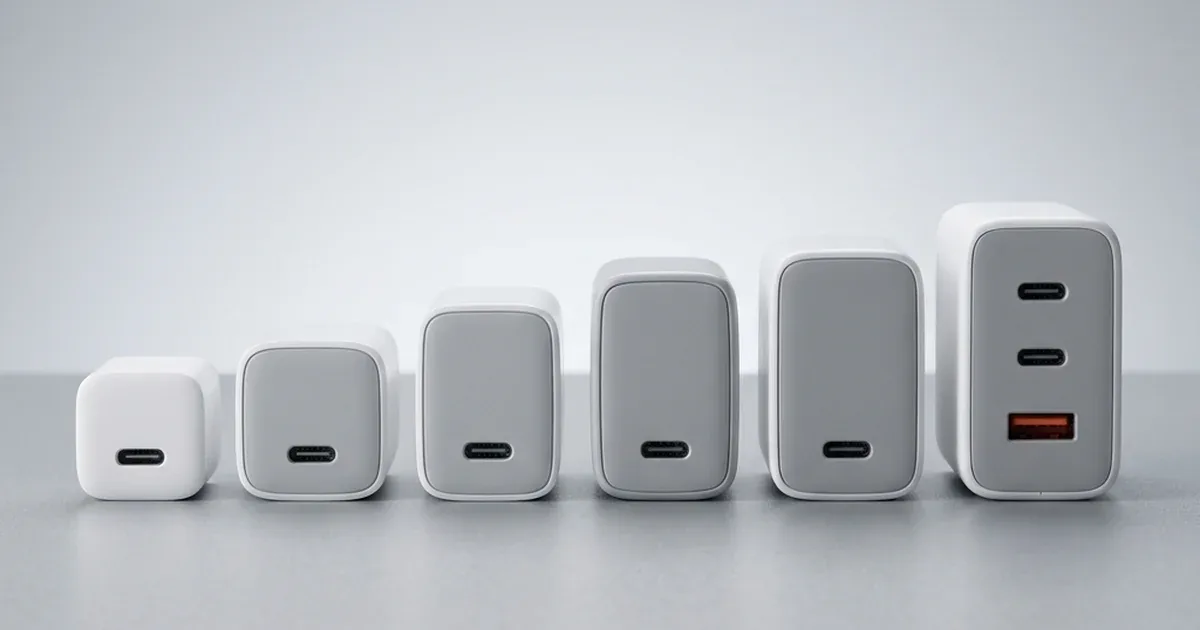
Choosing a certified, brand-name charger is the best way to safeguard your hardware. Uncertified chargers can degrade your battery cell chemistry or present safety risks. Invest in a quality GaN charger supporting the correct protocols for your devices to ensure fast, safe, and reliable charging.

CairoVolt Editorial Team
Content team reviewing specifications and buying guides
The CairoVolt team reviews model numbers, specifications, and compatibility, and updates information when better data is available. Estimates are labeled as calculations, and readers can report information that needs correction.
Frequently Asked Questions
Can I fast charge an iPhone with a Quick Charge (QC) only adapter?▼
What is PPS and why do I need it for Samsung flagships?▼
Are high-wattage PD chargers safe for small accessories like earbuds?▼
Does the cable matter for activating PD and PPS charging?▼
Ready to Buy?
Browse available products and review specifications and CairoVolt warranty terms before ordering
Related products
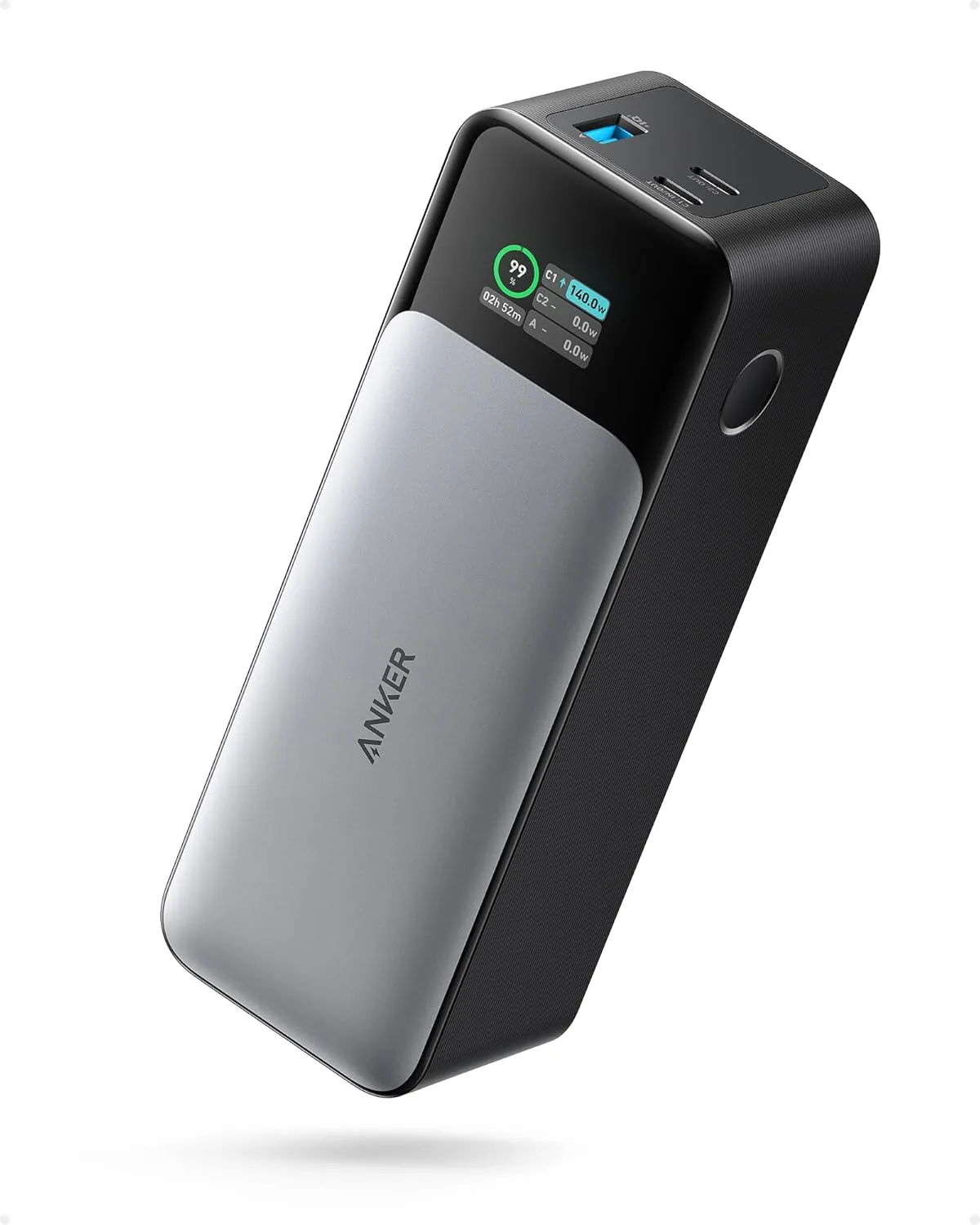
Anker 737 Power Bank (PowerCore 24K, A1289011) | Listed 140W PD 3.1 | 24,000mAh
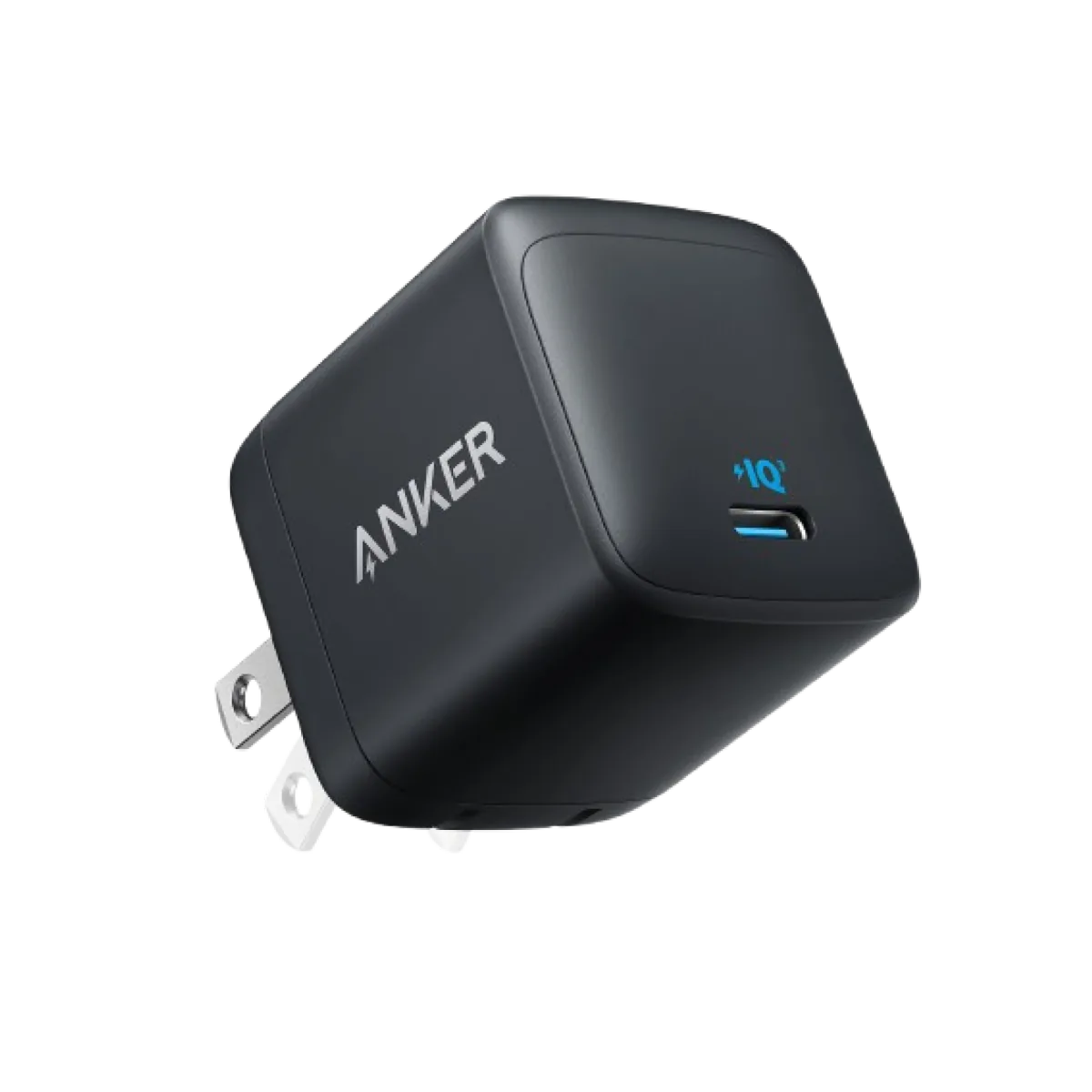
Anker Nano 45W GaN USB-C Charger | MacBook Air + iPhone 17
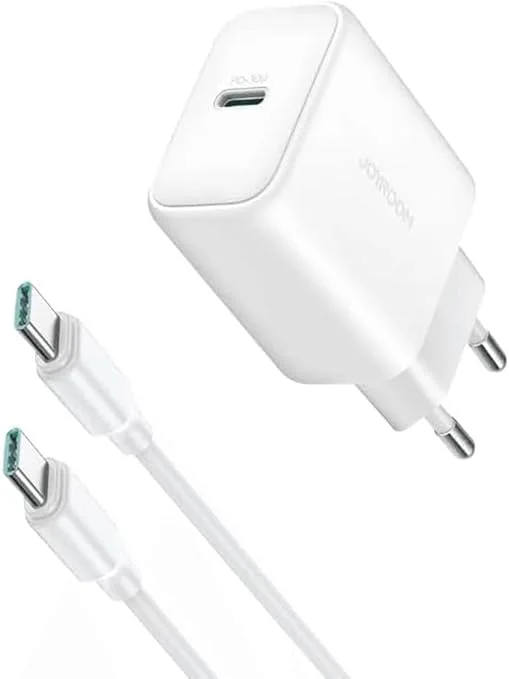
Joyroom 30W PD+QC Wall Charger | Dual USB-C and USB-A Ports
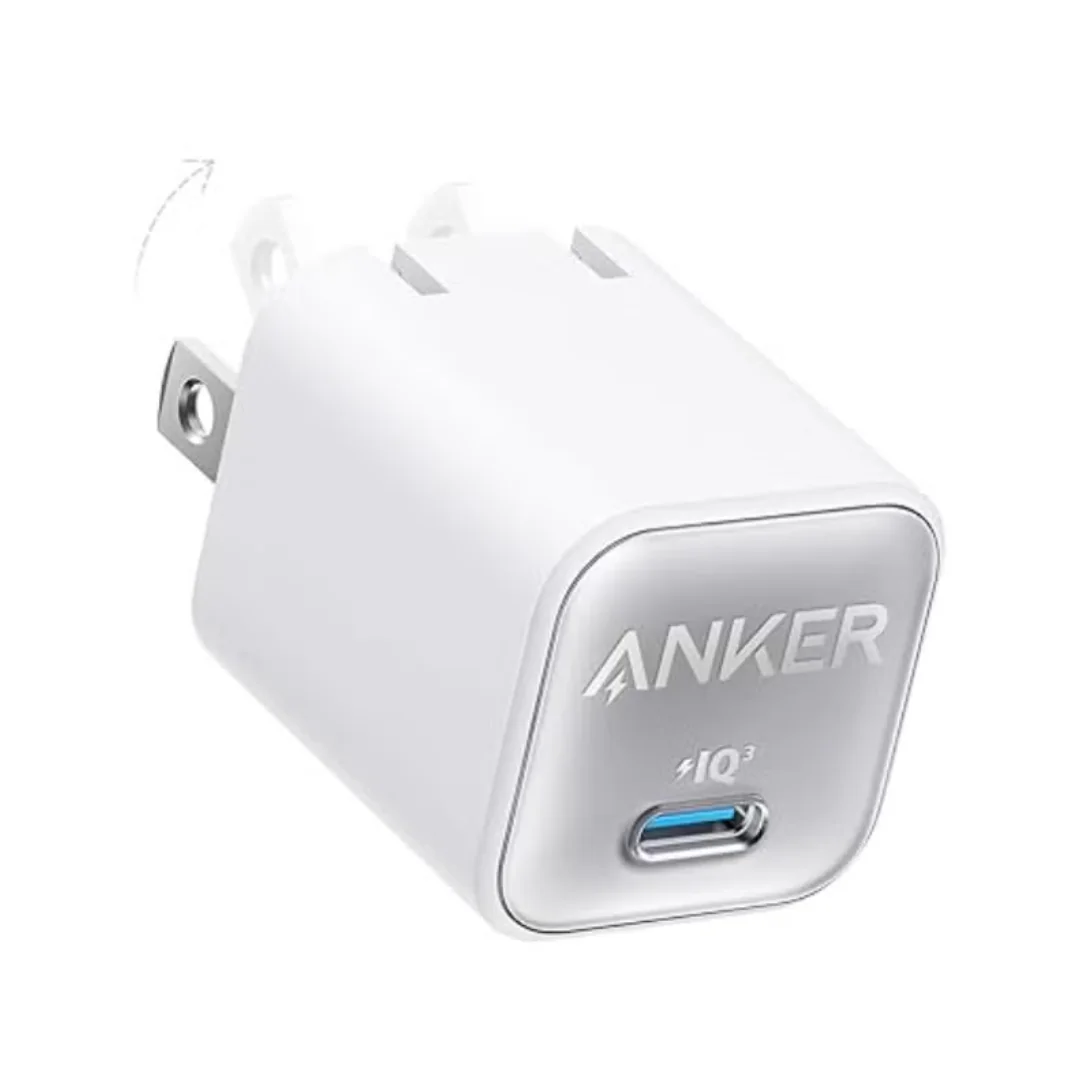
Anker 511 Nano 3 GaN Charger 30W (A2147) | USB-C PD | IQ3