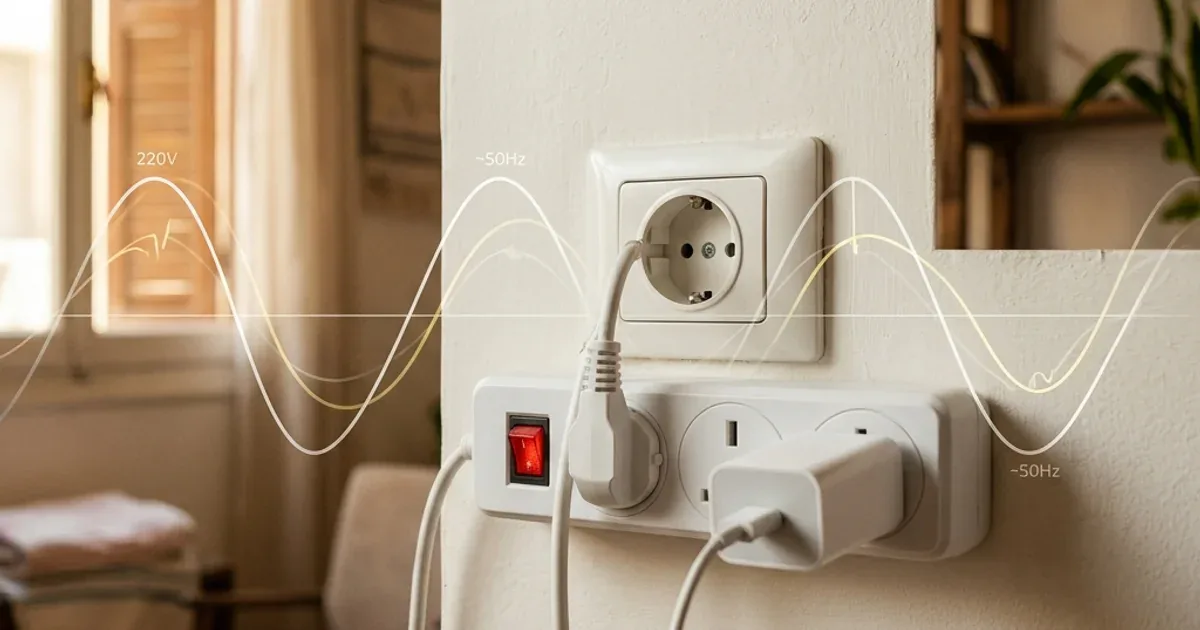

Why did your car charger emit a strange smell and then stop working? Why does your phone charge slower in the car than at home? Why did the cheap charger you bought near the traffic light for 30 EGP turn into a useless piece of plastic after two weeks? The answer is the same in every case: car battery electricity is not like home electricity. It is not stable — and many cheap chargers are built for a more stable environment than your car battery in Cairo traffic can provide.
💡 Quick Answer: A cheap car charger can genuinely damage your phone — car battery voltage swings from 9V to 14.4V+, and cheap chargers cannot handle this. A safe charger needs 12-24V input (not just 12V), real internal voltage regulation, and thermal protection. The Anker Dual-USB Charger with USB-A + USB-C and 12-24V input is the safe choice in Egypt — it works in passenger cars, minibuses, and trucks.
1. Egypt Car Electrical System Facts — Real Numbers
Every car has a battery with a nominal 12V DC voltage (commercial trucks and large minibuses use 24V). But "nominal 12V" does not mean the voltage is a constant 12V at all times. What actually happens:
- Car parked, engine off: Battery voltage is 12.6-12.8V (full charge)
- Engine cranking (start moment): Voltage drops suddenly to 9-10V because the starter motor draws a huge current burst
- Engine running with alternator active: Voltage rises to 13.8-14.4V — this is normal and necessary for recharging the battery
- In older Egyptian cars with worn cables: Voltage can spike to 15-16V momentarily if the alternator is poorly calibrated
- In 24V trucks: Voltage ranges from 22-28V depending on charge state and load
The bottom line: if a car charger says "Input: 12V DC" only — it is designed for exactly 12V. Any rise to 14.4V or above can stress the internal circuit and accelerate failure. If voltage spikes to 15V+ in an old car, internal capacitors can blow. This is not a rare edge case in Egypt's aging car fleet — it happens frequently.
2. Buck-Boost Topology and Voltage Regulation Mechanics
To convert the variable input voltage from a vehicle's battery into a stable DC output, a high-quality car charger relies on a Buck-Boost DC-DC converter circuit. This system utilizes an inductor, an electronic switch (MOSFET), and a diode. When the input voltage exceeds the desired output (such as an alternator pushing 14.4V while the phone charges at 9V via Power Delivery), the circuit operates in Buck mode, stepping down the voltage.
During cranking, when the battery voltage drops to 9V, the circuit transitions to Boost mode, stepping up the output to maintain fast charging. Cheap chargers omit these active circuits, utilizing primitive linear regulators (e.g., LM7805) that drop excess voltage entirely as thermal waste. This generates severe heat, leading to rapid component degradation and potential casing melt.
3. Alternator Load Dump Spikes and Clamping Circuits
A severe electrical threat in vehicles is the "Load Dump" transient, governed by the ISO 7637-2 standard. A load dump occurs when a high-current load (such as the air conditioning compressor or headlights) is suddenly switched off while the alternator is charging the battery. The collapse of the electromagnetic field within the alternator generates a massive transient voltage spike ranging from 80V to over 120V, lasting for several hundred milliseconds.
Premium chargers like the Anker Dual-USB Charger incorporate a Transient Voltage Suppressor (TVS) diode to handle this. The TVS diode acts as an electrical shunt, clamping the high-voltage spike to safe levels and redirecting it away from the USB port. Cheap chargers lack this protection, allowing the high-voltage spike to reach the phone's Power Management IC (PMIC) and fry it instantly.
4. Physical Stabilization: Manganese Steel Springs and Gold Plated Contacts
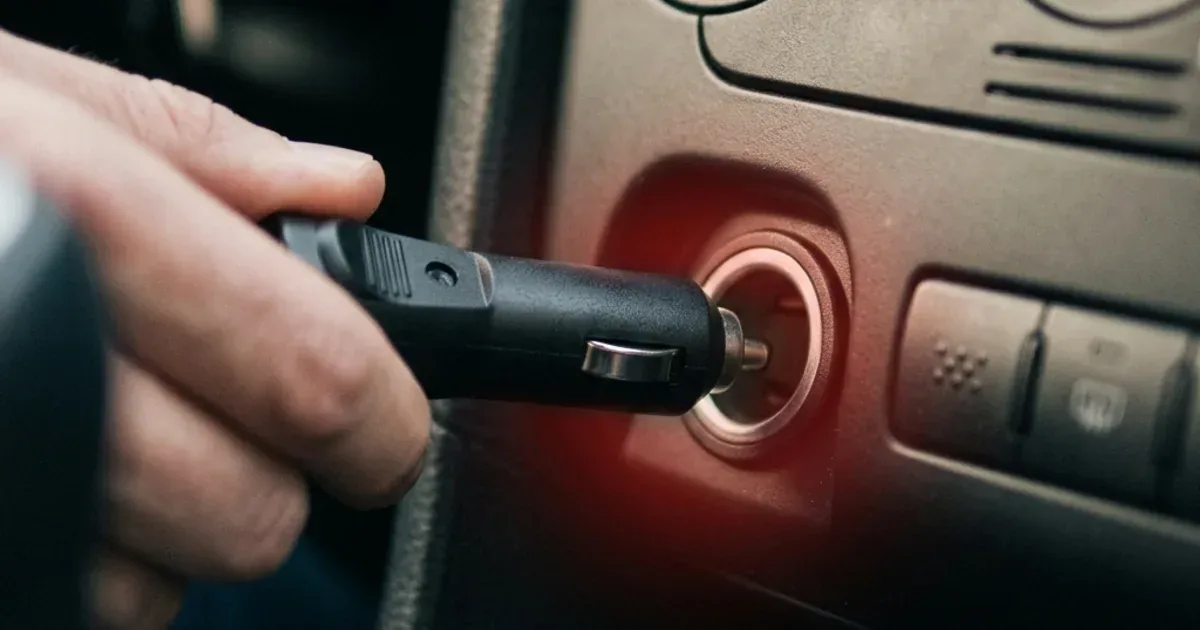
Lighter sockets in older cars often have worn-out internal leaf springs. This can cause chargers to wobble or slip out slightly due to road vibrations. A loose contact creates micro-arcing—tiny electric arcs that heat the socket contacts and cause rapid power disconnects.
Anker prevents this by using reinforced manganese steel springs on both side grounding contacts and a heavy-gauge central positive spring. The contact surfaces are gold-plated to minimize contact resistance. This ensures a secure physical lock and stable electrical connection, preventing socket melting and charging dropouts on rough roads.
5. Why Cheap Chargers Fail and Can Damage Your Phone
A cheap 30-50 EGP charger from a hardware store or street vendor — what is actually inside? Typically: a simple converter, cheap capacitors, and a plastic shell. There is no real DC-DC voltage regulation circuit.
Without voltage regulation, here is what happens:
- When the alternator pushes 14.4V, the charger passes this voltage directly and outputs it on the USB port at elevated levels.
- Your phone has a Battery Management System (BMS) that absorbs this — but repeated exposure to irregular voltage gradually degrades the BMS and the battery over weeks and months.
- In severe cases — when voltage exceeds what the phone can absorb — both the charger and the phone can be damaged simultaneously.
What makes this worse: cheap chargers often have "fake protection." The packaging says "OVP: Overvoltage Protection" but the internal circuit has no actual protection component. This is something we have seen repeatedly from customers who brought us damaged chargers and phones with charging issues.
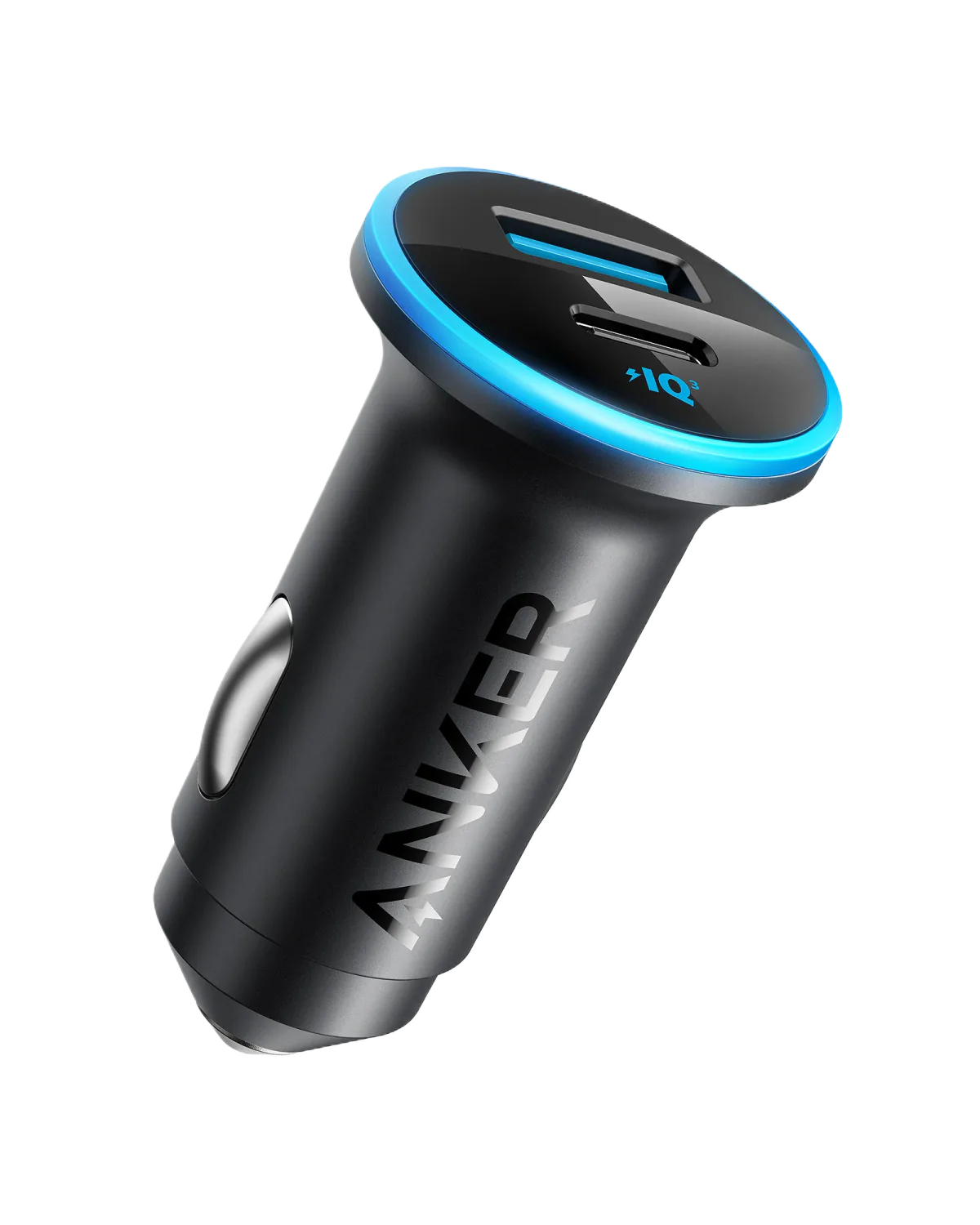
6. Anker Dual-USB Charger — Detailed Specifications
| Model | Anker Dual-USB Charger |
| Ports | 1× USB-A + 1× USB-C |
| Total Wattage | 33W total (20W USB-C + 12W USB-A) |
| Input Voltage | 12-24V DC (cars + minibuses + trucks) |
| Charging Protocol | PowerIQ 3.0 (USB-C) + PowerIQ 2.0 (USB-A) |
| Voltage Protection | Built-in OVP (Overvoltage Protection) |
| Monitoring System | ActiveShield — measures temperature over 1 million times per day |
| Thermal Protection | Automatic thermal cutoff if temperature exceeds threshold |
| Size | Compact — fits all standard car lighter sockets |
| Price in Egypt | 250-350 EGP |
7. Comparison: Cheap No-Name Charger vs Anker Dual-USB Charger
| Specification | Cheap No-Name Charger | Anker Dual-USB Charger ⭐ |
|---|---|---|
| Input voltage range | 12V only — fails at 14.4V+ | 12-24V — safe with alternator and trucks |
| Internal voltage regulation | ❌ Absent or fake | ✅ Real DC-DC converter |
| Overvoltage protection (OVP) | ❌ Printed on box only | ✅ Real OVP circuit built in |
| Thermal cutoff | ❌ Absent — heats until it fails | ✅ ActiveShield + automatic thermal cutoff |
| 24V truck compatibility | ❌ Burns immediately | ✅ Works normally |
| Charging protocol | Fixed 5V/1A — very slow | PowerIQ 3.0 — smart fast charging |
| Price | 30-80 EGP | 250-350 EGP |
| Expected lifespan | Weeks to months | Years with 18-month warranty |
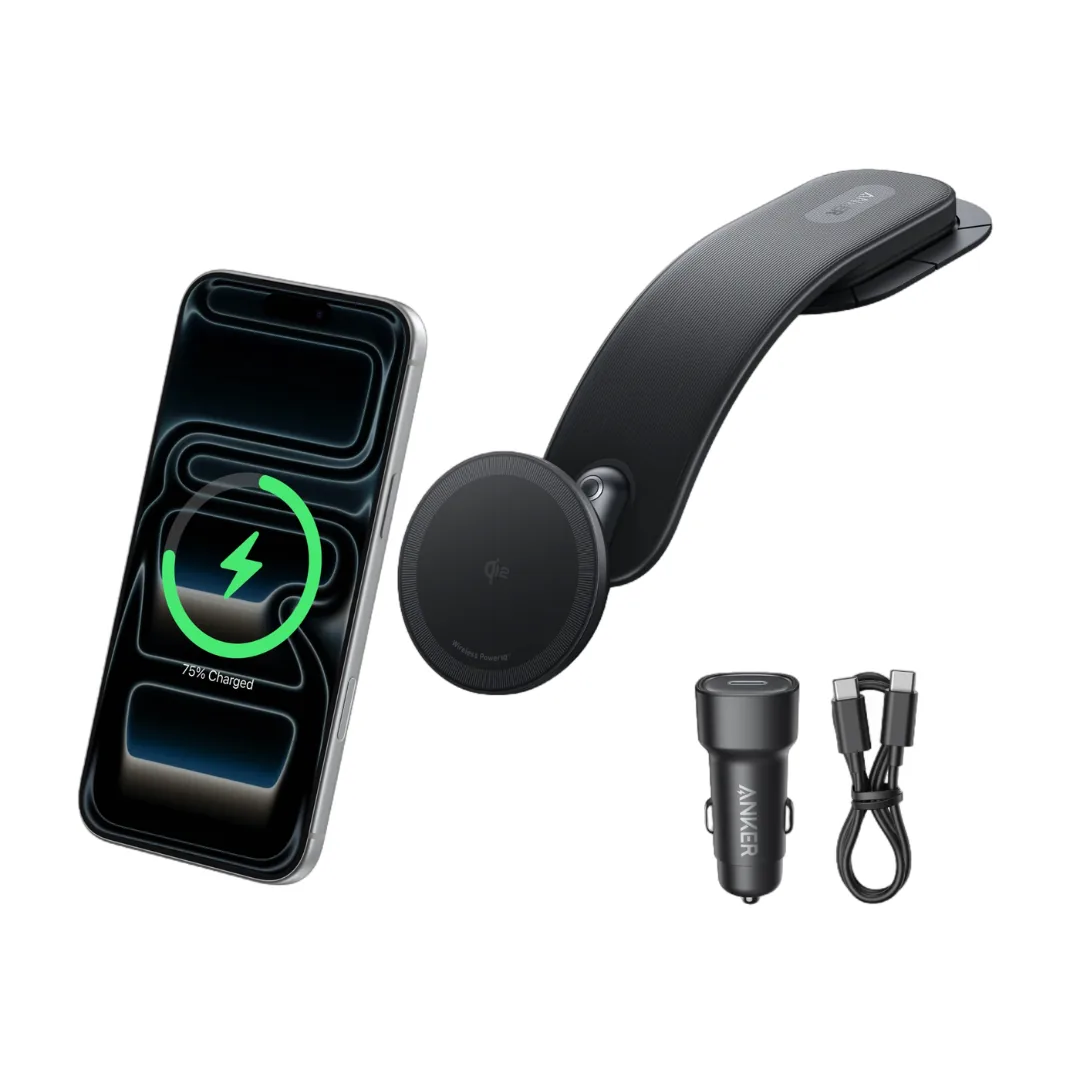
If your budget allows and you want something beyond a plain socket charger, we have just stocked the Anker Magnetic Wireless Car Charger at 1200 EGP — a magnetic mount + wireless charging + a detachable pad that keeps charging outside the car, built to the same protection and voltage-regulation standards discussed throughout this article.
8. The Real Danger — When a Charger Damages More Than Itself
A failing car charger causes two serious problems:
First: Gradual phone battery degradation. A battery charges through controlled current. When voltage is irregular, the BMS constantly intervenes to absorb fluctuations. Over months, this accelerates battery aging — it loses capacity faster than normal and may reach 80% health in half the expected time.
Second: Fire risk. A cheap charger without thermal cutoff keeps heating in Egypt's summer — the interior of a parked car can reach 70-80°C with windows closed in direct sun. A charger without thermal protection in these temperatures significantly raises the risk of cable or socket ignition. This is not hypothetical — it is a documented failure mode for low-quality electronics in extreme heat.
9. Egypt's Summer Problem — Why Heat Multiplies the Risk
In July and August in Egypt, a car parked in the sun for two hours can have interior air temperatures of 65-70°C. The dashboard and seats are even hotter. The lighter socket where the charger is plugged — its temperature rises too.
A cheap charger at 60°C internal temperature: the cheap electrolytic capacitors inside begin to degrade. The capacitor swells, may leak electrolyte, and then the charger stops or operates erratically. This is why many cheap chargers in Egypt fail in summer specifically — not because summer is hard on electronics in general, but because the combination of unstable voltage plus extreme heat overwhelms components with no thermal margin.
ActiveShield in the Anker Dual-USB Charger solves this: when it detects rising temperature, it reduces output or temporarily pauses to let the charger cool down. This protects both the charger and the connected phone simultaneously.
10. Why Does My Car Charger Stop When I Start the Engine?
This is one of the most common questions from our customers — and the answer is in the physics.
At the moment of engine cranking, the starter motor draws an enormous instantaneous current from the battery — possibly 200-300 amperes for a brief moment. This causes the voltage to drop suddenly from 12V to 9-10V for one to two seconds.
A cheap charger cannot handle this dip — it may send an irregular signal to the phone and then fail to recover. A quality charger has:
- Under-voltage protection (UVP) — it cuts output if voltage drops below a threshold
- It temporarily removes the load from the phone, then restores charging when voltage stabilizes
In the Anker Dual-USB Charger, the wide 12-24V range handles these variations safely. The charger may pause for two seconds during cranking and then automatically resume — this is normal and correct behavior. What is dangerous is a charger that does not remove the load and instead passes the irregular current directly to the phone.
🔎 From our own returns — most common car-charger failures:
From dealing with customers, the most common complaint we see with car chargers is "stopped charging after a few weeks," followed by "charges very slowly" — the latter usually because the charging protocol fails to negotiate correctly with the phone. The large majority of these cases were cheap or unknown-source units with no protection or voltage-regulation circuitry, whereas branded chargers came back noticeably less often. Choose a charger with a wide 12–24V input and manufacturer-stated protection circuits, and keep your invoice and model number for store-warranty support if you ever need it.
11. Anker in Minibuses and Trucks
Egypt's large commercial minibuses (the transit type) use a 24V system. If you plug a 12V charger into a 24V minibus lighter socket — it burns out immediately. The Anker Dual-USB Charger with 12-24V input works in both 12V and 24V vehicles without any issue.
Egyptian tuk-tuks mostly use a 12V system with a single battery. The Anker Dual-USB Charger works in them normally. The specific risk in tuk-tuks is that the battery is often older and worn, meaning its voltage is more erratic than in a newer car — which is exactly what the charger's wide input range is designed to tolerate.
✅ Anker Dual-USB Charger — Safe Car Charger with 18-Month Warranty
Available on CairoVolt at 250-350 EGP. 100% authentic with 18-month warranty. 12-24V input — works in cars, minibuses, and trucks. PowerIQ 3.0 + ActiveShield + OVP. Delivery to all governorates + cash on delivery. Order now ←

CairoVolt Team
Tech Editor
Frequently Asked Questions
Can a car charger actually damage my phone?▼
What is the difference between a 12V and a 12-24V car charger?▼
Does the Anker car charger work in minibuses and trucks?▼
Why does my car charger sometimes stop when I start the engine?▼
Ready to Buy?
Browse available products and review specifications and CairoVolt warranty terms before ordering
Products Mentioned in This Article
Anker PowerDrive 2 Car Charger | 24W Dual USB | PowerIQ
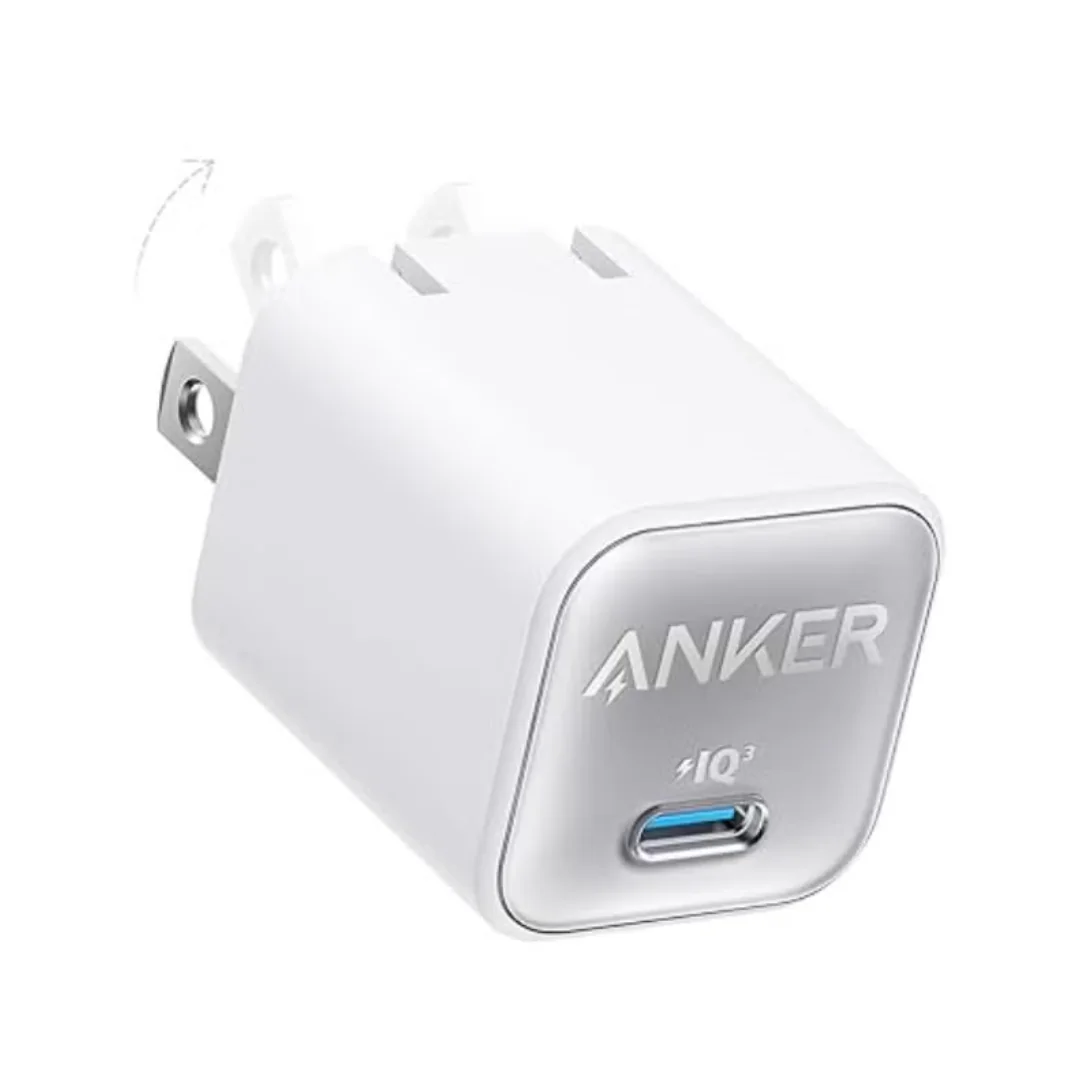
Anker 511 Nano 3 GaN Charger 30W (A2147) | USB-C PD | IQ3

Anker USB-A to USB-C Cable (A8050) | Braided Nylon 1.8m | Fast Charging
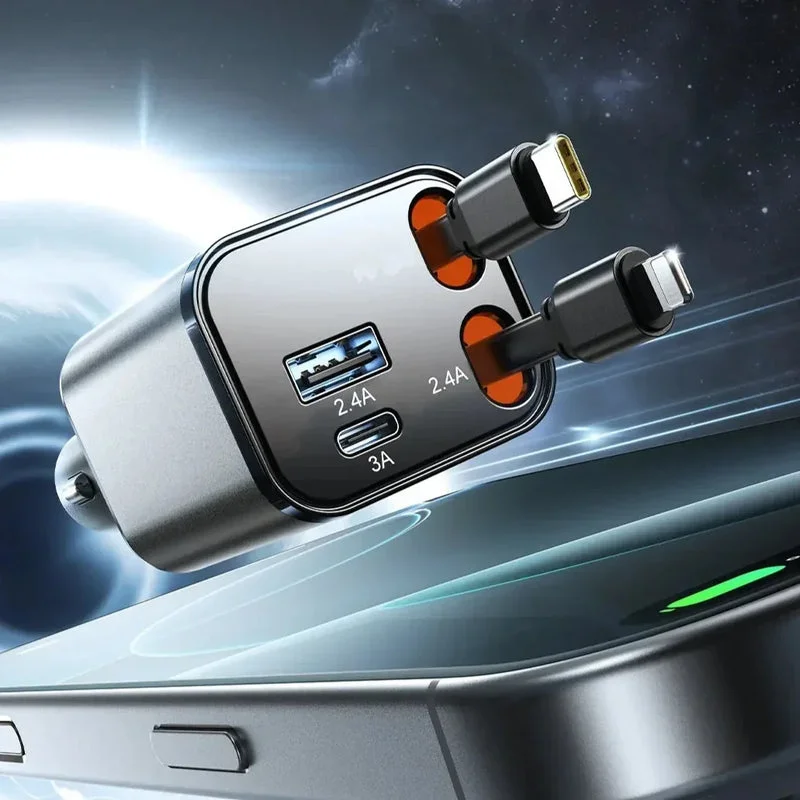
Joyroom JR-CCL05 Retractable 4-in-1 Car Charger 69W | 2 Cables + 2 Ports

Anker 30W Mini Car Charger (A2741) | USB-C 30W PD + USB-A 22.5W | Ultra-Compact