
 CairoVolt Team
How to Protect Your Home Charger from Egypt's Summer Voltage Fluctuations — An Engineer's Guide
Egypt's power grid swings between 190-260V in summer — and this kills cheap chargers. Learn how to protect your charger with practical steps and real engineering data.
TL;DR: Original GaN chargers (like Anker) are designed for 100-240V input with built-in surge protection. But the most critical protection: a surge-protected power strip (from roughly 150 EGP, varies by seller) plus disconnecting chargers during power outages. Cheap chargers lack these safeguards — one spike can destroy them and potentially your phone too.
It is 3 PM. July. The temperature is 44°C outside — and 38°C inside because your air conditioner is running on pure survival mode. Suddenly, the lights flicker. Once. Twice. Three times. Then the power surges back like it just downed an energy drink — the computer restarts, the fridge makes an unsettling noise, and the charger that was working perfectly five minutes ago… now smells like burnt plastic. Congratulations — Egypt's voltage fluctuation just launched an "electronic attack" on every device in your home, and the first casualty — always — is that 50-EGP Chinese charger from the corner shop.
This is not a joke. Voltage fluctuations during Egypt's summer cost Egyptians millions of pounds annually in damaged devices — from phone chargers to routers to air conditioning units. The problem is that most people discover the damage after it has already occurred. In this article, we explain with real engineering data exactly what happens to Egypt's power grid in summer, why cheap chargers die first, and how to protect your charger (and your phone) at minimum cost.
💡 Quick Answer: Original GaN chargers (like Anker) are designed for 100-240V input with built-in surge protection. But the most critical protection: a surge-protected power strip (from roughly 150 EGP, varies by seller) plus disconnecting chargers during power outages. Cheap chargers lack these safeguards — one spike can destroy them and potentially your phone too.
What Actually Happens to Egypt's Power Grid in Summer? — Real Numbers
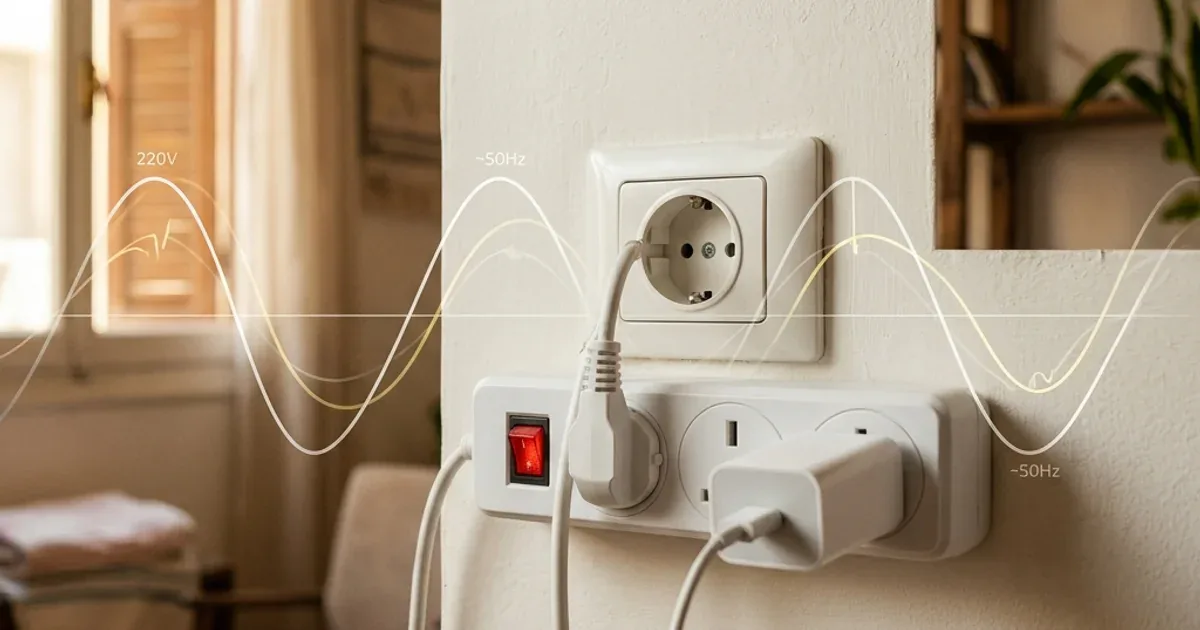
Egypt's power grid is supposed to deliver 220V / 50Hz consistently. But "supposed to" has a different meaning in Egypt — especially in summer. The engineering reality:
- 📊 Normal Fluctuation (Acceptable): 220V ±10% — meaning 198V to 242V. This is normal and any decent charger handles it. The Egyptian standard (EOS 234) permits this range
- ⚡ Actual Summer Fluctuation: Reaches 190V-260V in some areas — especially in Upper Egypt and new cities during peak hours (2-6 PM). The cause: grid load increases 40-60% due to air conditioning
- 🔥 Voltage Spikes: When power returns after an outage, it comes back with a spike that can reach 300-350V for milliseconds. This is enough to destroy any charger without MOV (Metal Oxide Varistor) protection
- 📉 Brownout (Sustained Drop): Voltage drops to 180-190V for extended periods — the charger draws higher current to compensate, generating more heat and dying faster
The bottom line: your charger during Egypt's summer is not just charging — it is fighting a survival battle against a mood-swinging power grid. And a charger without sufficient "armor" loses that battle.
Why Cheap Chargers Die First — The Engineering Autopsy
When you buy a charger for 50-80 EGP from any mobile shop, you are buying a circuit board with only the bare minimum components. What is missing:
| Protection Layer | Cheap Charger (50-100 EGP) | Original Charger (Anker/Samsung) |
|---|---|---|
| MOV (Spike Protection) | ❌ Missing | ✅ Present |
| Thermal Fuse | ❌ Missing or cheap | ✅ Ceramic fuse |
| Over-Voltage Protection | ❌ Missing | ✅ Dedicated IC |
| Under-Voltage Protection | ❌ Missing | ✅ Auto-disconnect |
| Short Circuit Protection | ❌ None or primitive | ✅ Instant disconnect <1ms |
| Capacitors | Cheap — bulge after 6 months | Japanese (Nichicon/Rubycon) — 5+ year lifespan |
| AC-DC Isolation | Less than 3mm (shock risk) | 6mm+ (IEC 62368 standard) |
| Safety Certifications | None or counterfeit | Genuine UL, CE, FCC |
A cheap charger is essentially soldiers entering battle without armor. The first spike kills it. Worse: when it dies, it can pass high voltage directly to your phone — meaning not just the charger burns, but the phone too. The Anker GaN 30W charger includes over-voltage, over-temperature and short-circuit protection, and shuts off if a fault occurs.
5 Practical Steps to Protect Your Charger — Ranked by Importance
These steps are not theoretical — they are what electrical engineers actually recommend:
-
1️⃣ Buy a Surge-Protected Power Strip (Most Important Step)
A regular power strip passes electricity exactly as it comes — meaning if a spike arrives, it reaches your charger directly. A surge-protected strip contains MOV (Metal Oxide Varistor) components that absorb spikes and convert them to heat instead of passing them to your devices. Starting from 150-300 EGP with an average lifespan of 3-5 years. Look for these specifications: 4000V+ protection, 1000+ Joules energy rating, response time <1 nanosecond -
2️⃣ Disconnect Chargers During Power Outages
The most dangerous moment for your charger is not when the power goes out — but when it comes back. The return voltage spike can reach 300-350V for milliseconds. The solution: when the power cuts — unplug all chargers from the wall immediately. Wait 2-3 minutes after power returns before plugging anything back in -
3️⃣ Use a Certified Charger with Genuine UL/CE Marks
The Anker Nano 45W is designed for 100-240V input with protection against: Over-Voltage, Under-Voltage, Over-Current, Short Circuit, Over-Temperature (disconnects at 85°C), and fluctuation. This is not a luxury — it is the difference between a charger that protects your phone and one that destroys it. GaN technology also operates at higher efficiency (92-95% vs 80-85% for silicon) — meaning less heat = longer lifespan -
4️⃣ Avoid Charging During Peak Hours in Unstable Areas
If you live in an area with frequent voltage issues (Upper Egypt, some new cities, the North Coast in summer) — try charging your devices between 10 PM and 6 AM. Grid load drops by 50%+ and voltage becomes more stable. This is not an ideal solution — but it significantly reduces the risk of fluctuation damage -
5️⃣ Consider a Small UPS for Expensive Equipment
If you have a laptop, monitor, and other devices — a small UPS (600-1000VA) provides three benefits: (1) spike protection, (2) 10-30 minutes of backup power during outages to save your work, (3) voltage regulation (AVR). Starting from 1,500-2,500 EGP. The economical alternative: the Anker 521 PowerHouse — a portable power station that charges all your devices independently of the grid
Cables Too — The Weakest Link Everyone Forgets
Many people buy an original charger but connect it with a cheap 20-EGP cable — and this undermines the protection. Cheap cables have critical problems:
- ⚡ Thin Copper Wire (28 AWG Instead of 24 AWG): Higher resistance = more heat = fire hazard. The difference in wire thickness means 40% more heat generation
- 🔥 No E-Marker Chip: Cheap cables lack the chip that communicates with the charger to determine maximum safe current. This means the charger might push more current than the cable can safely handle
- 🛡️ No Double Insulation: Anker PowerLine USB-C cables feature double insulation and withstand 10,000+ bends. Cheap cables fray after 3 months — and an exposed wire plus voltage fluctuation equals disaster
If you own an iPhone — the Anker USB-C to Lightning cable — check the MFi mark on the package. A cable is not just a wire — it is part of the protection system.
Best Chargers for Egypt's Voltage Fluctuations — Our Recommendations
Based on each model's listed specifications:
| Use Case | Recommended Charger | Why This Specifically |
|---|---|---|
| Charging a single phone | Anker GaN 30W | Compact GaN + multiple protections |
| Phone or a light laptop | Anker Nano 45W | Single 45W USB-C port + multiple protections + can charge a MacBook Air (one device at a time) |
| Want real-time wattage monitoring | Anker Nano 45W Smart Display | LED display shows actual wattage — if you notice abnormal fluctuation, you will know immediately |
| Complete grid independence | Anker 521 PowerHouse | 256Wh portable power station — charge it once and power all your devices without worrying about the grid |
✅ Prepare for Summer 2026
The Anker Nano 45W (790 EGP), or the Smart Display model (1,250 EGP) if you want to monitor wattage. And do not forget the Anker PowerLine USB-C cable — a complete protection system. All products are authentic and covered by CairoVolt's written store warranty (duration shown on each product page) + delivery to all governorates.
CairoVolt Team
Tech Editor
Frequently Asked Questions
Can voltage fluctuations burn the phone itself, not just the charger?▼
Does a regular power strip protect against voltage fluctuations?▼
Is a GaN charger better than a regular charger at handling voltage fluctuations?▼
If I live on the North Coast — do I need extra charger protection?▼
Ready to Buy?
Browse available products and review specifications and CairoVolt warranty terms before ordering
Related products
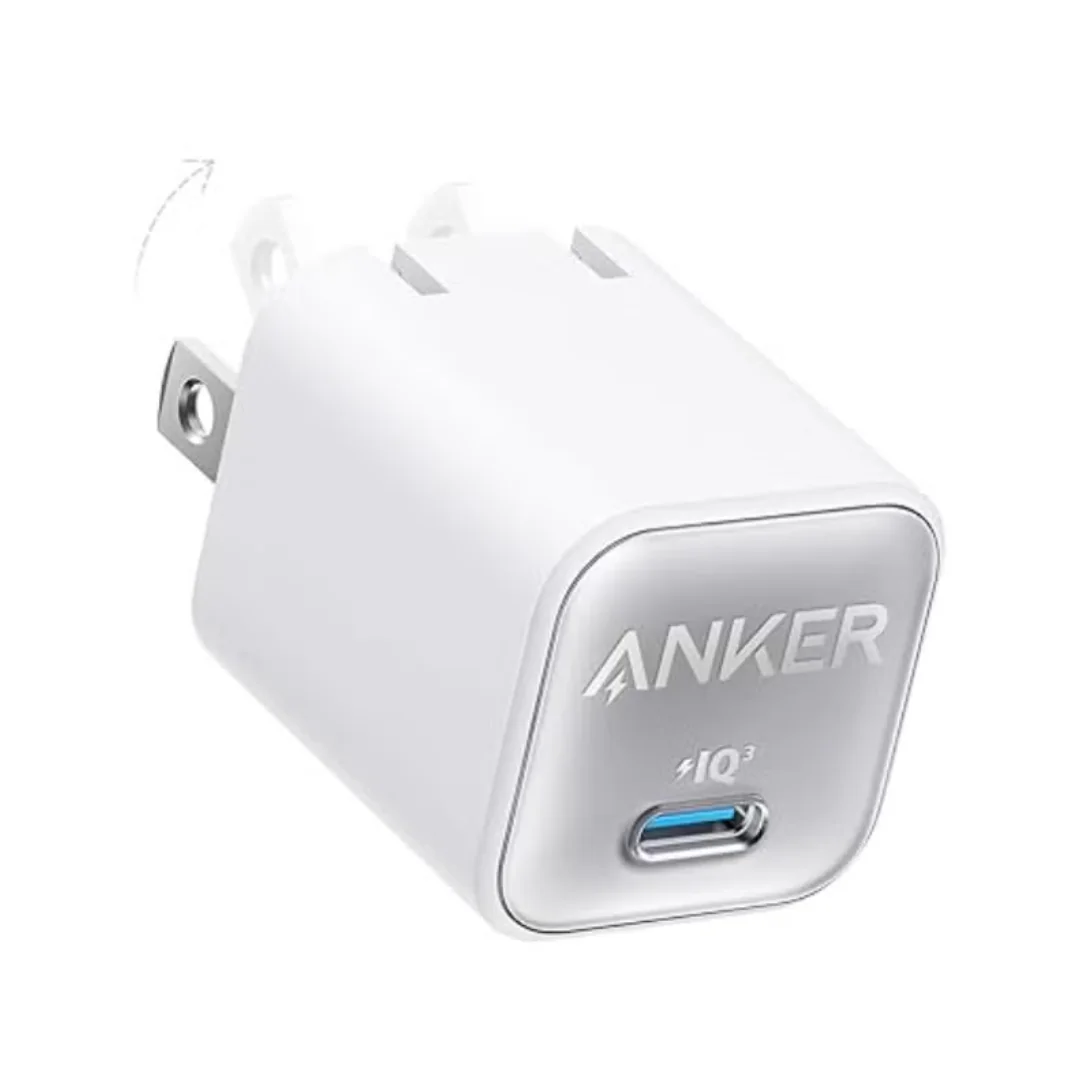
Anker 511 Nano 3 GaN Charger 30W (A2147) | USB-C PD | IQ3
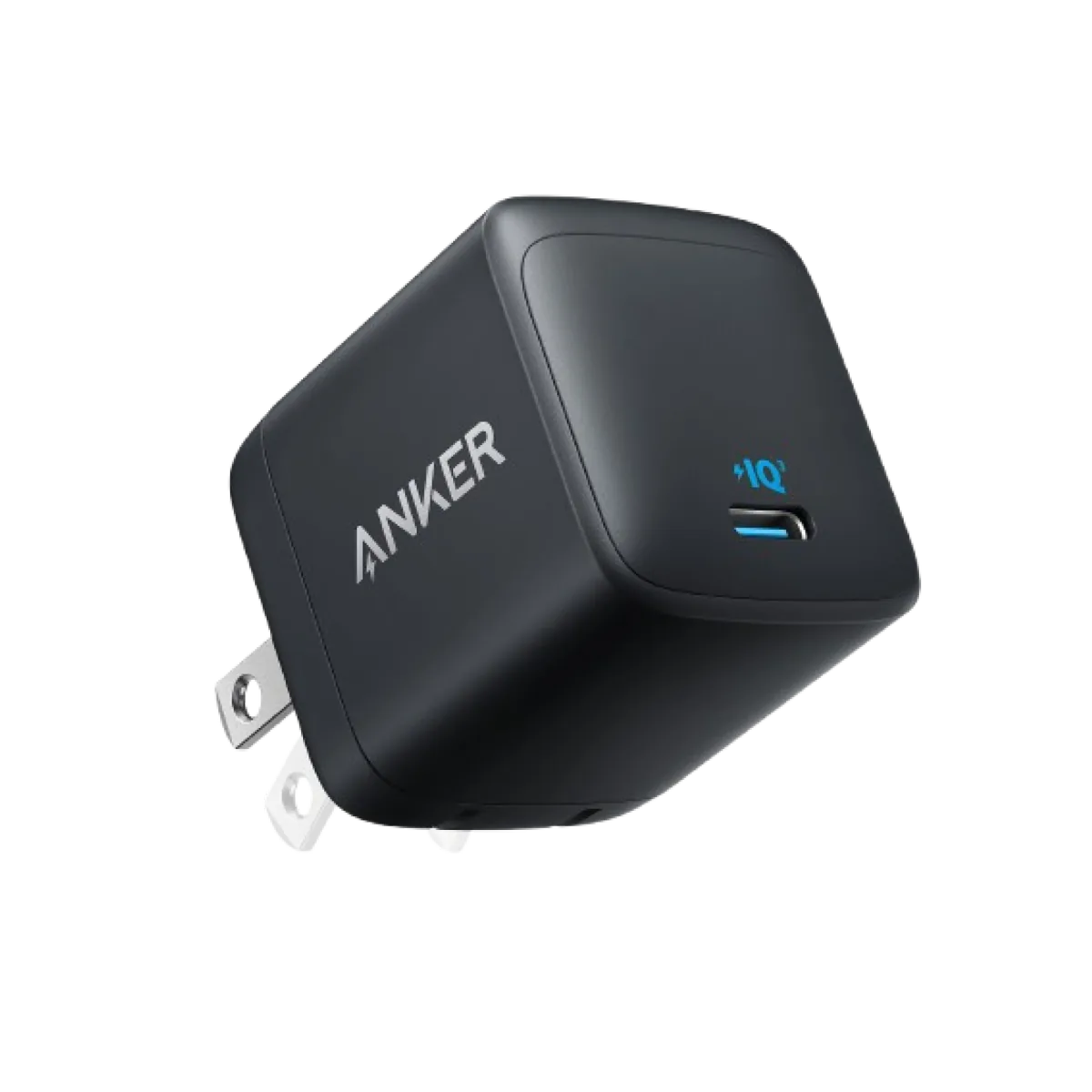
Anker Nano 45W GaN USB-C Charger | MacBook Air + iPhone 17
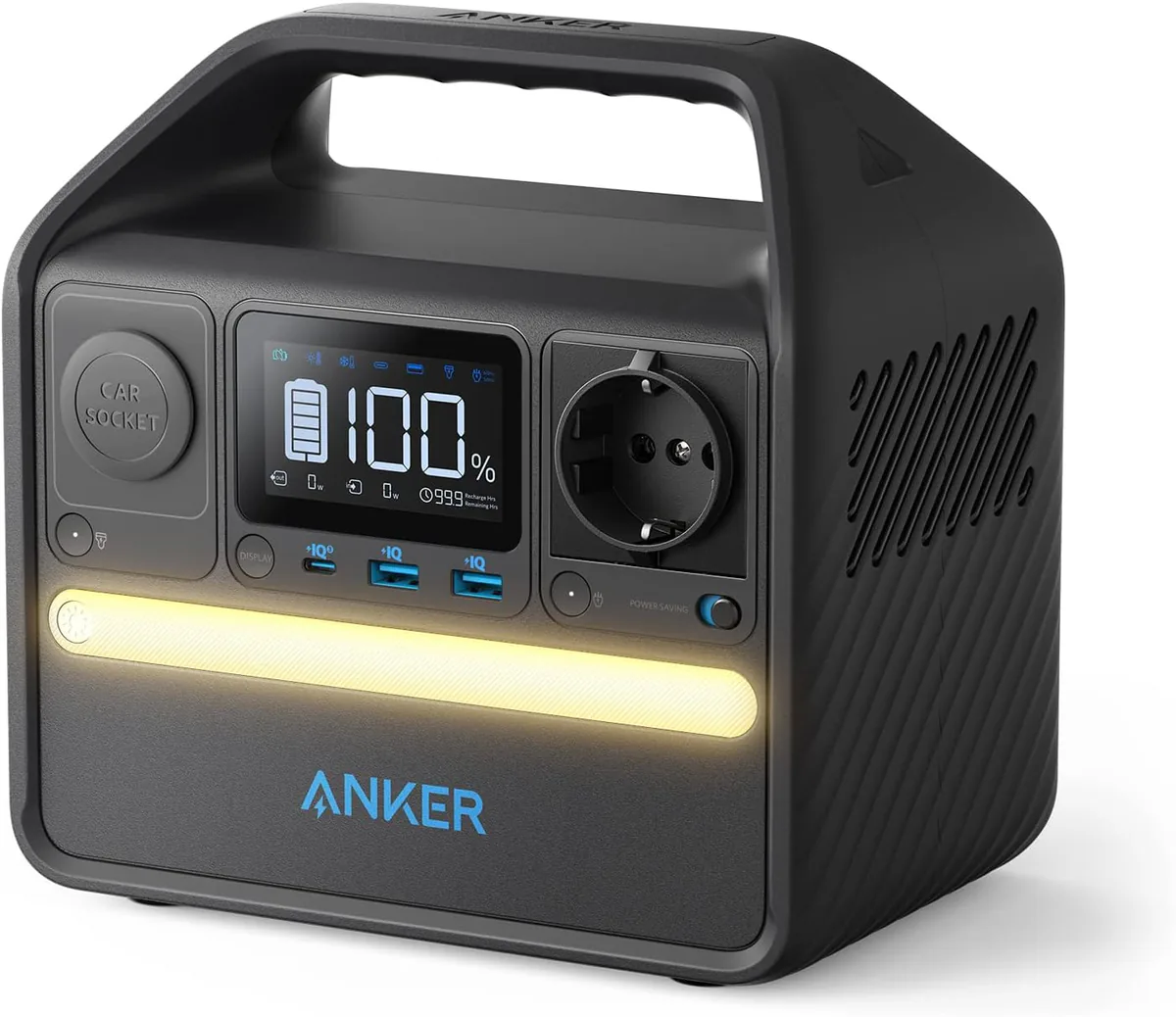
Anker 521 PowerHouse 256Wh | 200W AC Outlet | LiFePO4
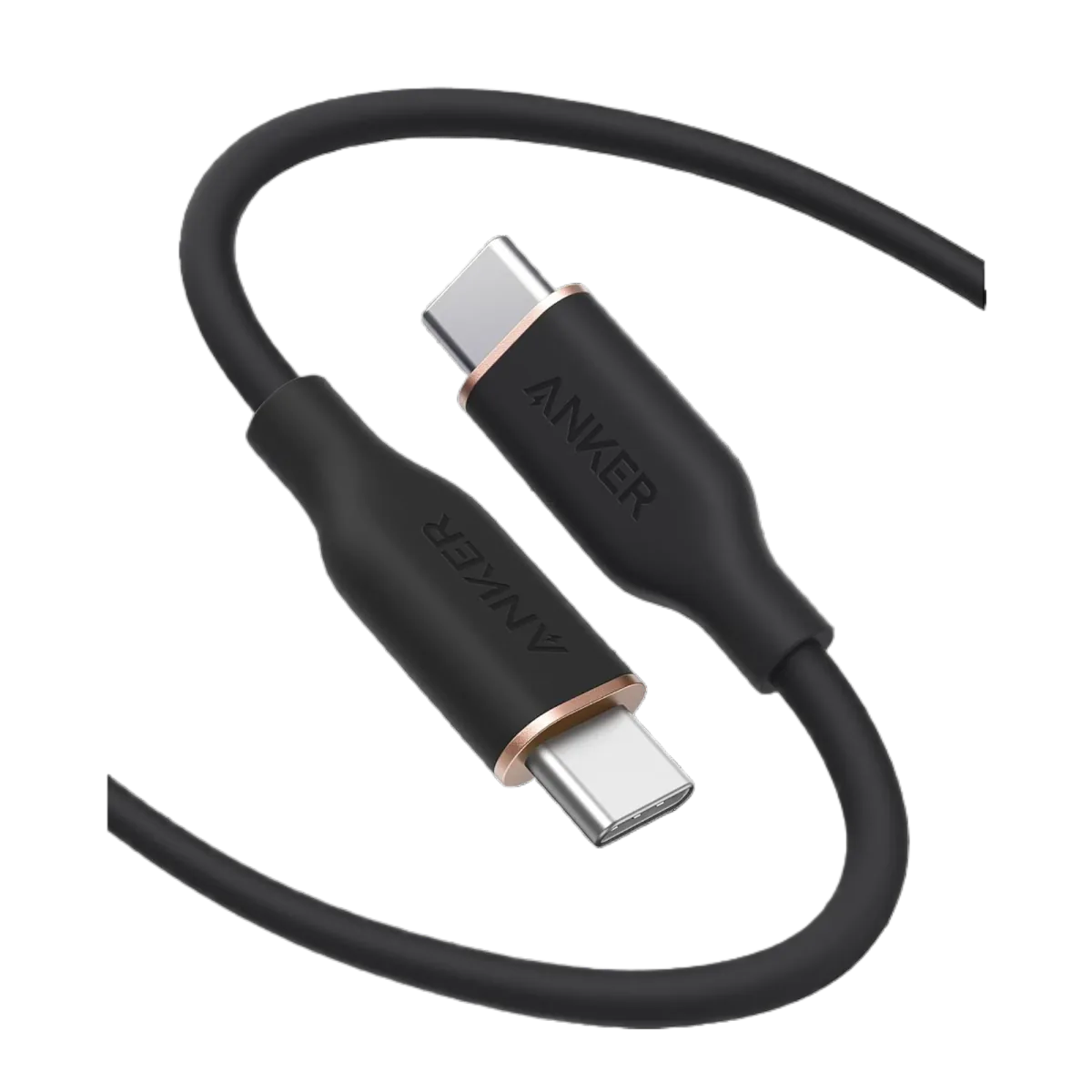
Anker PowerLine III USB-C to USB-C | 60W | iPhone 17 & Samsung S26
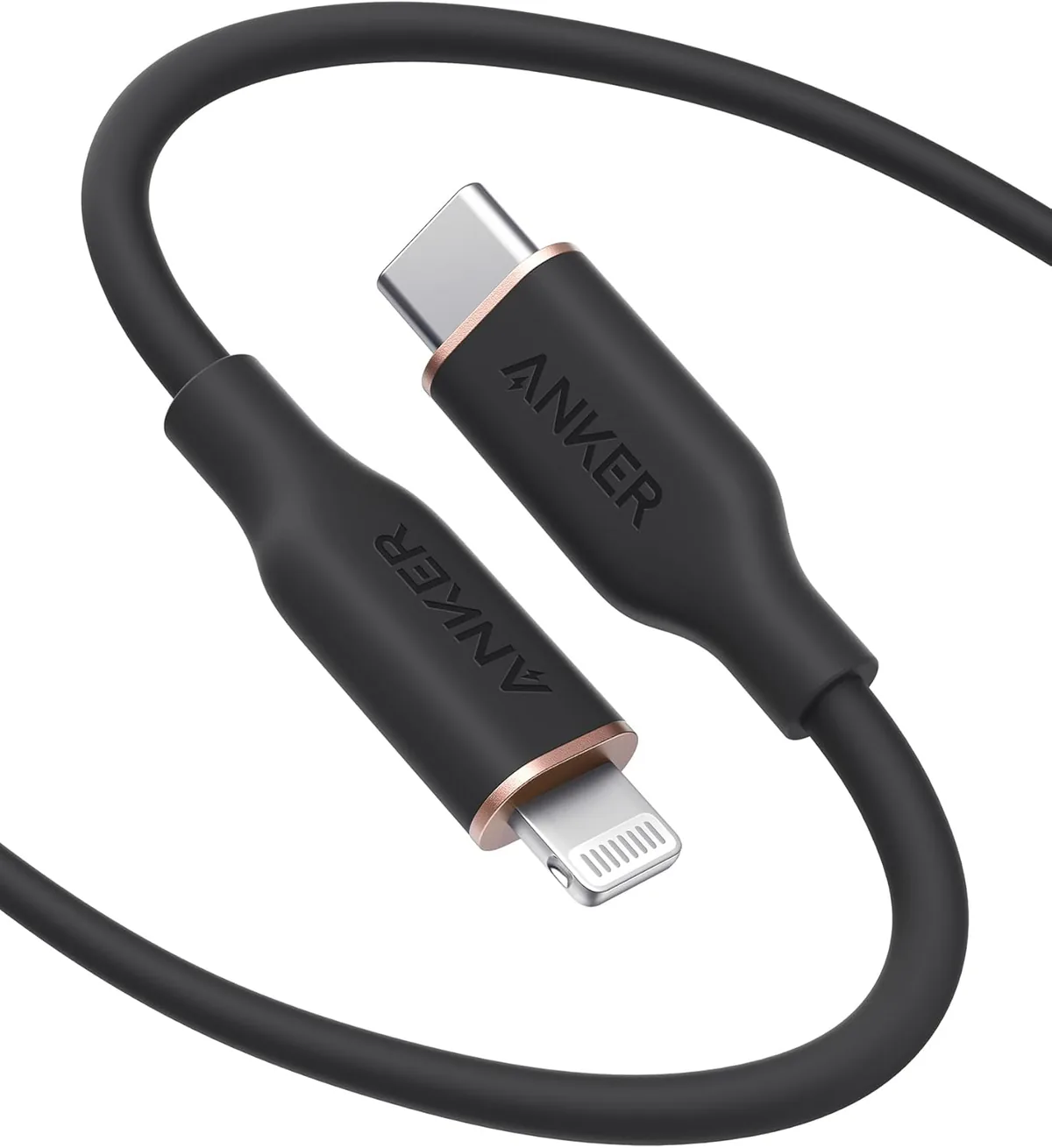
Anker PowerLine Select USB-C to Lightning (A8612H11) | Verify MFi | USB-PD
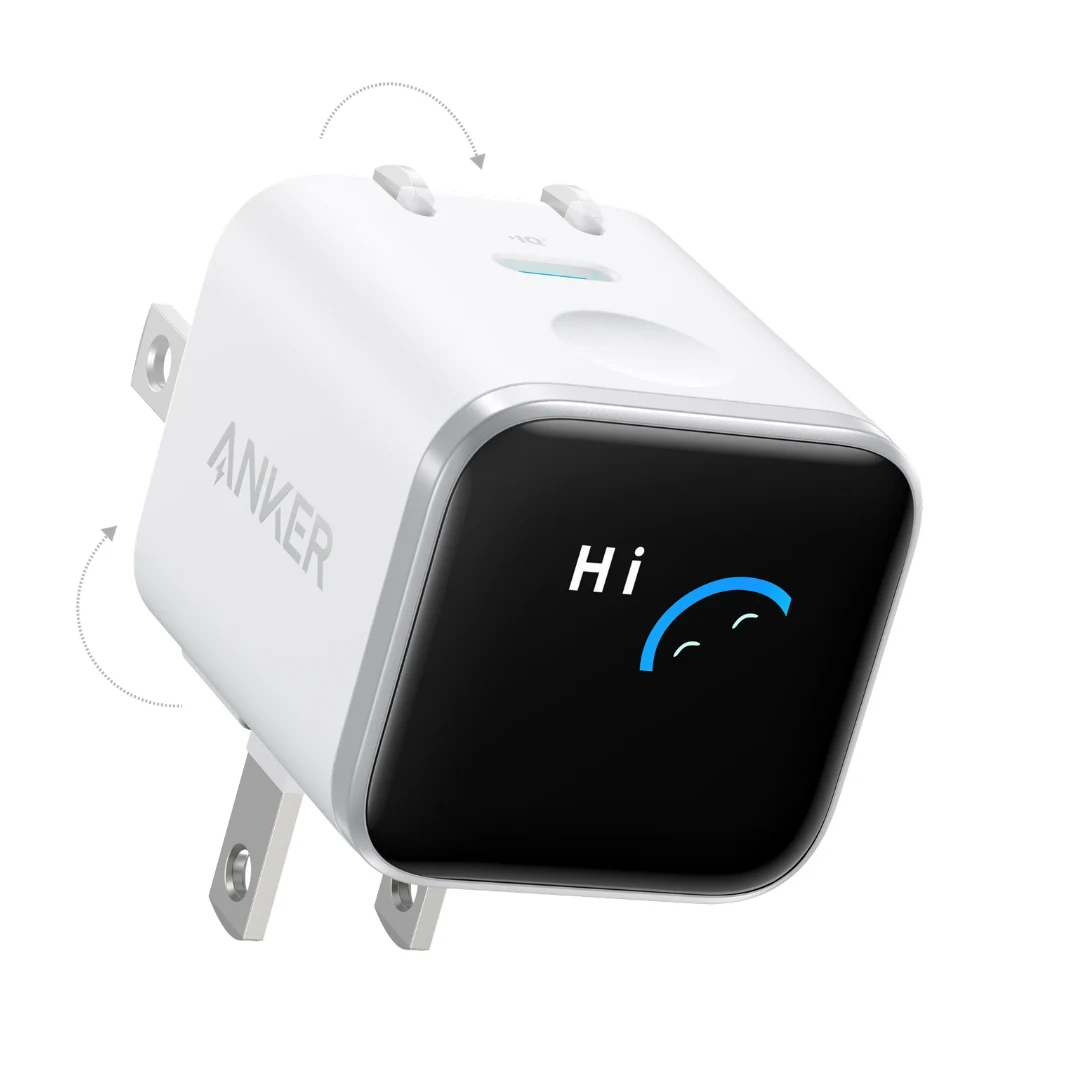
Anker Nano 45W Smart Display GaN Charger (A121D) | 180° Foldable Plug | USB-C PD
Browse the categories this article covers
Related Articles

GaN Charger Technology: Why a 30W Charger is Now Smaller Than Your Thumb (Complete Science Guide)
Read more →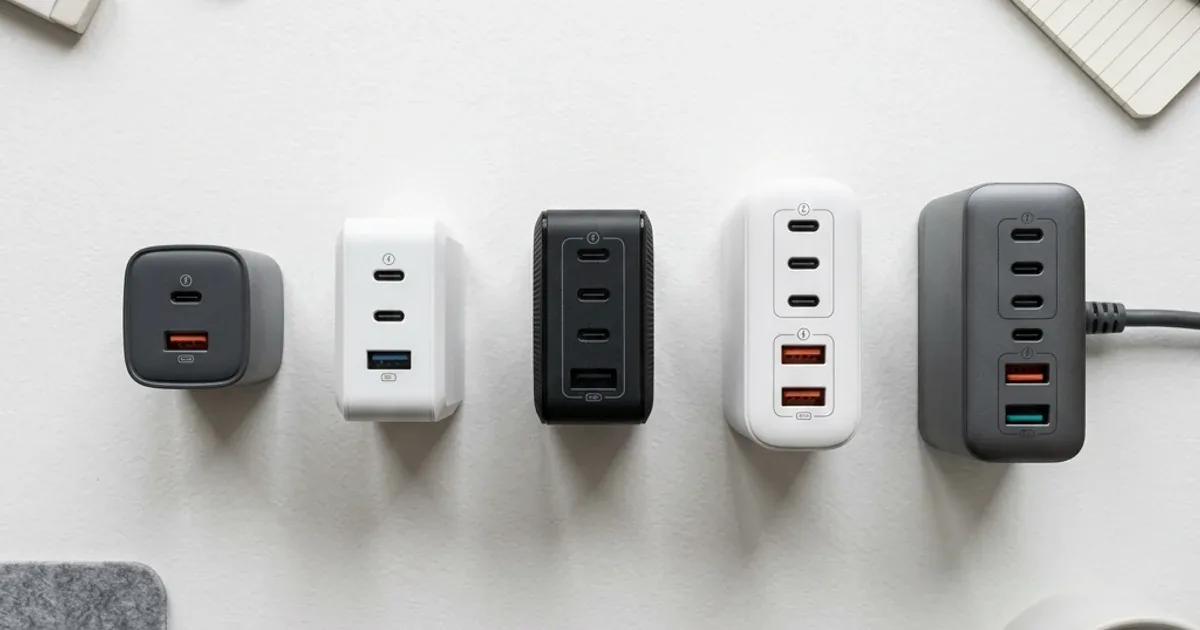
Best 5 GaN Multi-Port Chargers for Office and Home in Egypt 2026
Read more →