The battery is the heart of your vehicle's electrical system. During winter storage or when your car or motorcycle is left unused for weeks, 12V lead-acid batteries undergo self-discharge. This drops their terminal voltage and triggers lead sulfate crystal accumulation on the internal plates—a process known as sulfation that can ruin the battery. With battery prices in Egypt rising, owning a smart 12V battery charger is a cost-effective way to extend your battery's lifespan. However, choosing the wrong charger can boil the electrolyte fluid or damage the battery cells. Here is the complete technical guide to making the right choice.
💡 Quick Answer: When selecting a 12V battery charger, apply the 10% amperage rule: the charging current should equal roughly 10% of the battery's capacity in Ampere-hours (e.g., a 6A charger for a 60Ah car battery, and a 1A charger for a 9Ah motorcycle battery). Ensure you purchase a smart 3-stage charger to prevent overcharging and protect internal plates.
1. Understanding 12V Battery Types and Charger Compatibility
Before purchasing a charger, identify your battery's chemistry type. Each chemistry requires a specific charging profile (target voltage and current limits) to prevent cell degradation:
- Flooded/Wet Cells: Traditional lead-acid batteries containing liquid sulfuric acid electrolyte. They require periodic maintenance (adding distilled water). They tolerate high charging currents well but release flammable hydrogen gas during the final charging stages.
- AGM (Absorbent Glass Mat): Sealed, maintenance-free batteries that use glass mats to hold the electrolyte. AGM batteries are highly sensitive to overcharging. Applying a voltage higher than 14.8V triggers their safety pressure valves, venting gas and drying out the cells, which permanently reduces battery capacity.
- Gel Batteries: These contain a gelled, silica-based acid. Gel batteries are sensitive to heat and fast charging. They must be charged slowly, with maximum voltages capped at 14.2V.
- Lithium (LiFePO4): Increasingly common in modern performance motorcycles. They require a dedicated lithium charger profile that includes cell-balancing logic (BMS) and lacks high-voltage desulfation pulse modes, which can destroy lithium cells.
2. Charger Classifications: Trickle Chargers vs. Battery Maintainers vs. Fast Chargers
Battery chargers are generally classified into three types based on their internal circuitry and target application:
- Trickle Chargers: These apply a continuous, low-amperage current (typically between 500mA and 1.5A) without active regulation. Because they do not detect battery saturation, leaving them connected long-term leads to overcharging, electrolyte boiling, and plate deterioration.
- Battery Maintainers: Often called float or maintenance chargers. These units feature microprocessor feedback loops that monitor terminal voltage. They automatically stop charging when the battery is full and resume only when the voltage falls below a threshold (typically 12.6V). They are the safest option for long-term seasonal storage.
- Fast Chargers: High-amperage units (ranging from 10A to 50A or more) used in automotive repair workshops to quickly revive flat batteries. They are unsuitable for long-term storage or small batteries due to the thermal stress they generate.
3. The Physics of 3-Stage Smart Charging
Legacy chargers (often called "dumb" chargers) apply a fixed voltage and current continuously. If left connected to a fully charged battery, they continue to push current, causing the water in the electrolyte to boil off, which warps the lead plates. Modern smart chargers prevent this by using a microprocessor to divide the charging cycle into three distinct stages:
- Bulk Stage (Constant Current): The charger delivers its maximum rated current while the voltage rises steadily. This stage is designed to safely restore the battery to approximately 80% capacity as quickly as possible.
- Absorption Stage (Constant Voltage): Once the battery voltage reaches approximately 14.4V (for flooded cells), the charger holds this voltage constant while gradually decreasing the current. This slow saturation phase ensures the chemical reaction penetrates deep into the lead plates without overheating the battery.
- Float Stage (Trickle/Maintenance Mode): When the battery reaches 100% capacity, the charger drops the voltage to a safe maintenance level (typically between 13.2V and 13.8V) and delivers a tiny current to offset the battery's natural self-discharge. You can leave a smart charger in float mode indefinitely.
4. The 10% Amperage Rule: Calculating Safe Charging Current
A common mistake is charging a small battery with a high-current charger. The engineering standard for safe lead-acid battery charging is:
For example:
- 9Ah Motorcycle Battery: Requires a charger rated at 0.9A to 1.0A maximum. Charging it with a 10A car charger will boil the electrolyte, warp the plates, and potentially cause the casing to crack or burst due to excessive internal heat.
- 60Ah Car Battery: Requires a charger rated between 6A and 10A. Using a 1A motorcycle charger on this battery would take up to 60 hours to charge, which is impractical.
5. Intelligent Thermal Compensation in Fluctuating Climates
Lead-acid battery chemistry is highly dependent on ambient temperature. In cold temperatures (such as winter nights in Alexandria), chemical reactions slow down, requiring a higher charging voltage (up to 14.8V) to fully charge the cells. In hot summer weather (such as Upper Egypt or Aswan), reactions accelerate, and charging at standard voltages causes gassing and fluid loss.
Modern smart chargers solve this by implementing ambient temperature sensors and adjusting the voltage profile by approximately 3mV per cell per °C (thermal compensation). The charger automatically scales back the voltage in hot climates to prevent outgassing and increases it in freezing weather to guarantee a complete charge cycle.
6. Dealing with Completely Dead Batteries and Minimum Voltage Thresholds
For safety reasons, smart chargers require a minimum residual voltage in the battery (usually between 2V and 8V) to begin operating. This prevents sparking if the clamps accidentally touch. However, if a vehicle is left parked for months, the battery may drain to near 0V (e.g., 1.5V). In this state, the smart charger will fail to recognize the battery and report a connection error.
To bypass this, you can use "parallel jump-charging". Connect the dead battery in parallel to a fully charged 12V battery using jumper cables for 15 minutes while the donor vehicle's engine is running. This raises the dead battery's terminal voltage above the charger's detection threshold (e.g., to 10V), allowing you to disconnect the jumper cables and connect the smart charger to finish the cycle safely.
7. Sulfation and Smart Pulse Repair (Desulfation) Modes
When a battery is discharged and left empty, lead and sulfur react to form hard lead sulfate crystals on the plates. This layer blocks the active chemical area, preventing the battery from accepting a charge from the alternator.
Smart chargers often feature a pulse repair or desulfation mode. This mode sends high-frequency, high-voltage electrical pulses (brief spikes up to 16V lasting microseconds). These pulses break down the hard sulfate crystal structure and dissolve it back into the liquid acid, reviving weak batteries and restoring lost capacity.
8. Mechanical Construction: High-Quality Clamps and Safety Insulation
Battery clamps (alligator clips) handle high currents and mechanical strain. They should be constructed from pure copper or heavy copper-plated steel to prevent high contact resistance, which causes heating and leads to inaccurate charger voltage readings.
Clamps must be fully insulated with flexible plastic boots to protect users from accidental short circuits if the red and black clamps touch while the charger is powered. Higher-end chargers include spark-proof technology, which keeps the output turned off until a valid battery voltage is detected on the clamps.
9. Safety Precautions During Battery Charging
Charging lead-acid batteries involves chemical reactions that release hydrogen gas, which is highly explosive. Always follow these safety rules:
- Clean Environment: Clear all battery terminal corrosion before connecting.
- Ventilation: Never charge a battery in an unventilated room or near open flames. Use a well-ventilated garage or outdoor space.
- Connection Order: Connect the clamps to the battery terminals first (Red to positive, Black to negative) while the charger is unplugged from the AC outlet. Once connected, plug the charger into the AC outlet. This prevents sparks near the battery vents.
- Disconnection Order: When charging is complete, unplug the charger from the AC outlet first, wait a minute for gases to disperse, and then remove the clamps.
- Protective Gear: Battery acid contains sulfuric acid. Wear safety glasses and rubber gloves when handling open-cell batteries to protect your skin and eyes from acid splashes.
If you have a seasonal vehicle (like a motorcycle or boat) that sits idle, connect a smart charger in float mode for 24 hours once every two weeks. This prevents plate sulfation and can extend your battery's lifespan from two years to over four years, saving the cost of premature battery replacements.
A smart 12V battery charger is an essential tool for vehicle owners in Egypt. Choosing a charger compatible with your battery chemistry and applying the 10% amperage rule ensures safe, efficient charging and protects your automotive investment.

CairoVolt Team
Tech Editor
Frequently Asked Questions
Can I charge a motorcycle battery with a large car charger?▼
What is pulse repair or desulfation mode?▼
Can I charge an AGM battery with a standard legacy charger?▼
Is it dangerous if the charger clamps touch while plugged in?▼
Ready to Buy?
Browse available products and review specifications and CairoVolt warranty terms before ordering
Products Mentioned in This Article
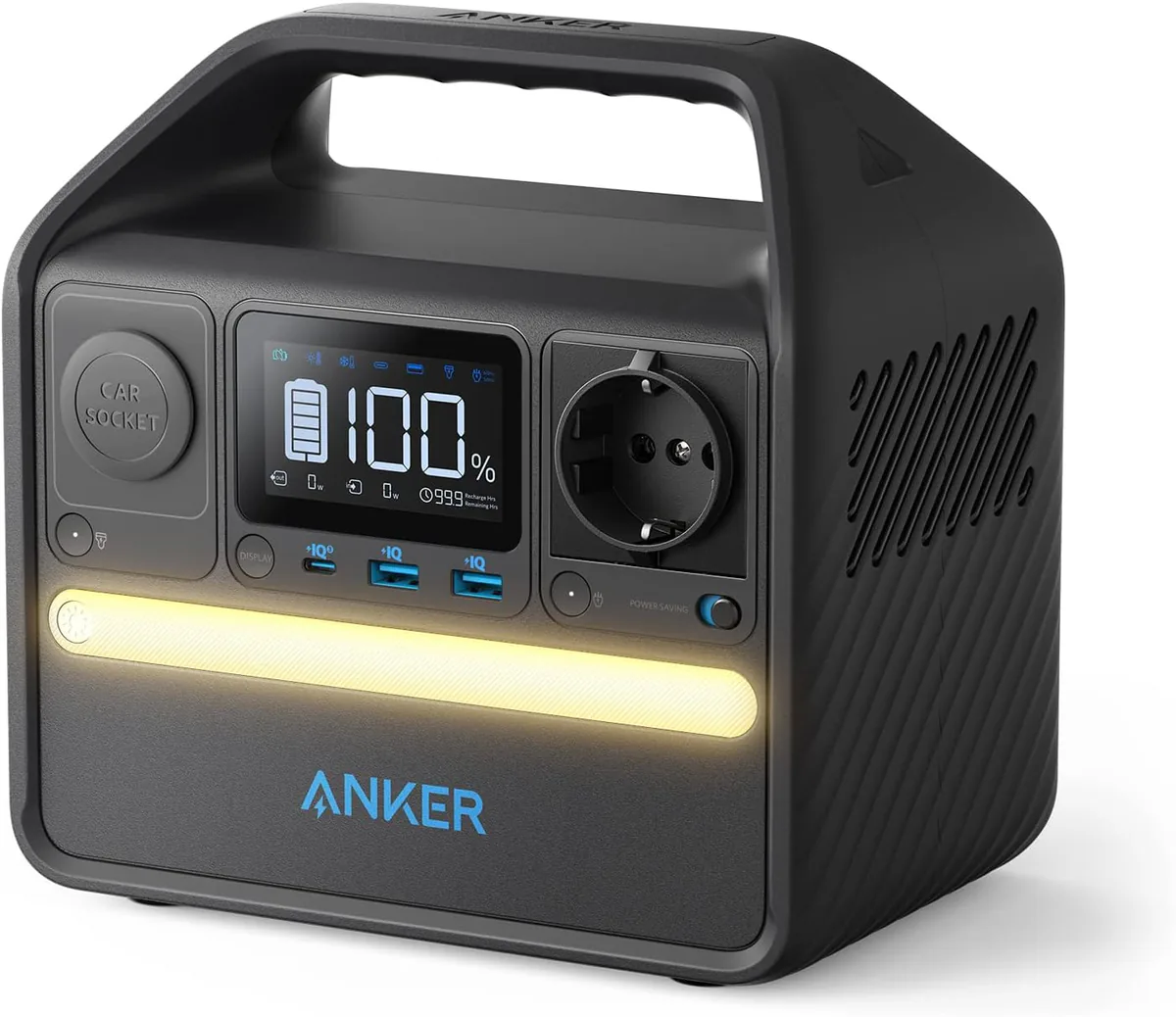
Anker 521 PowerHouse 256Wh | 200W AC Outlet | LiFePO4
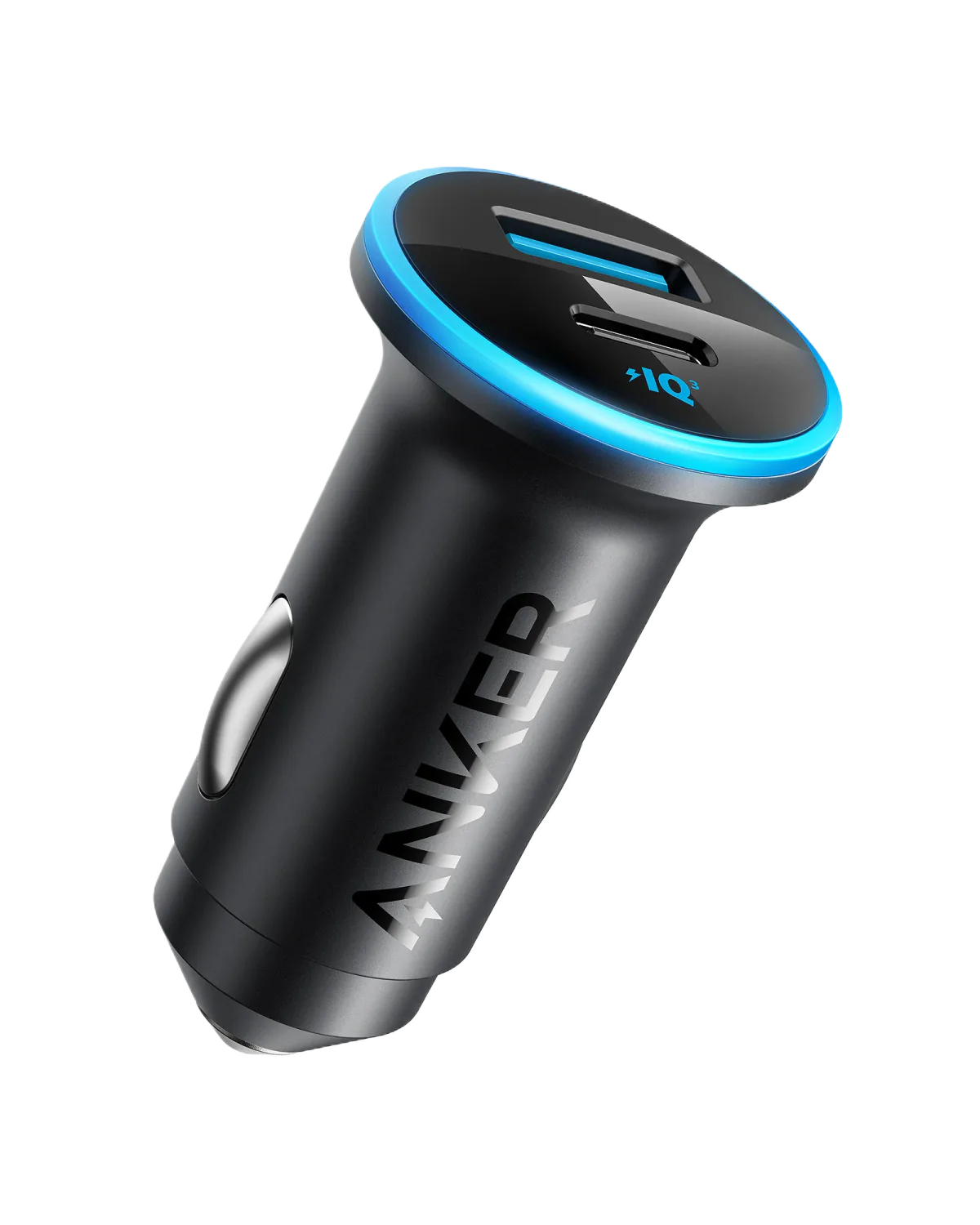
Anker PowerDrive 2 Car Charger | 24W Dual USB | PowerIQ
Anker 511 Nano 3 GaN Charger 30W (A2147) | USB-C PD | IQ3
Joyroom JR-CCL05 Retractable 4-in-1 Car Charger 69W | 2 Cables + 2 Ports