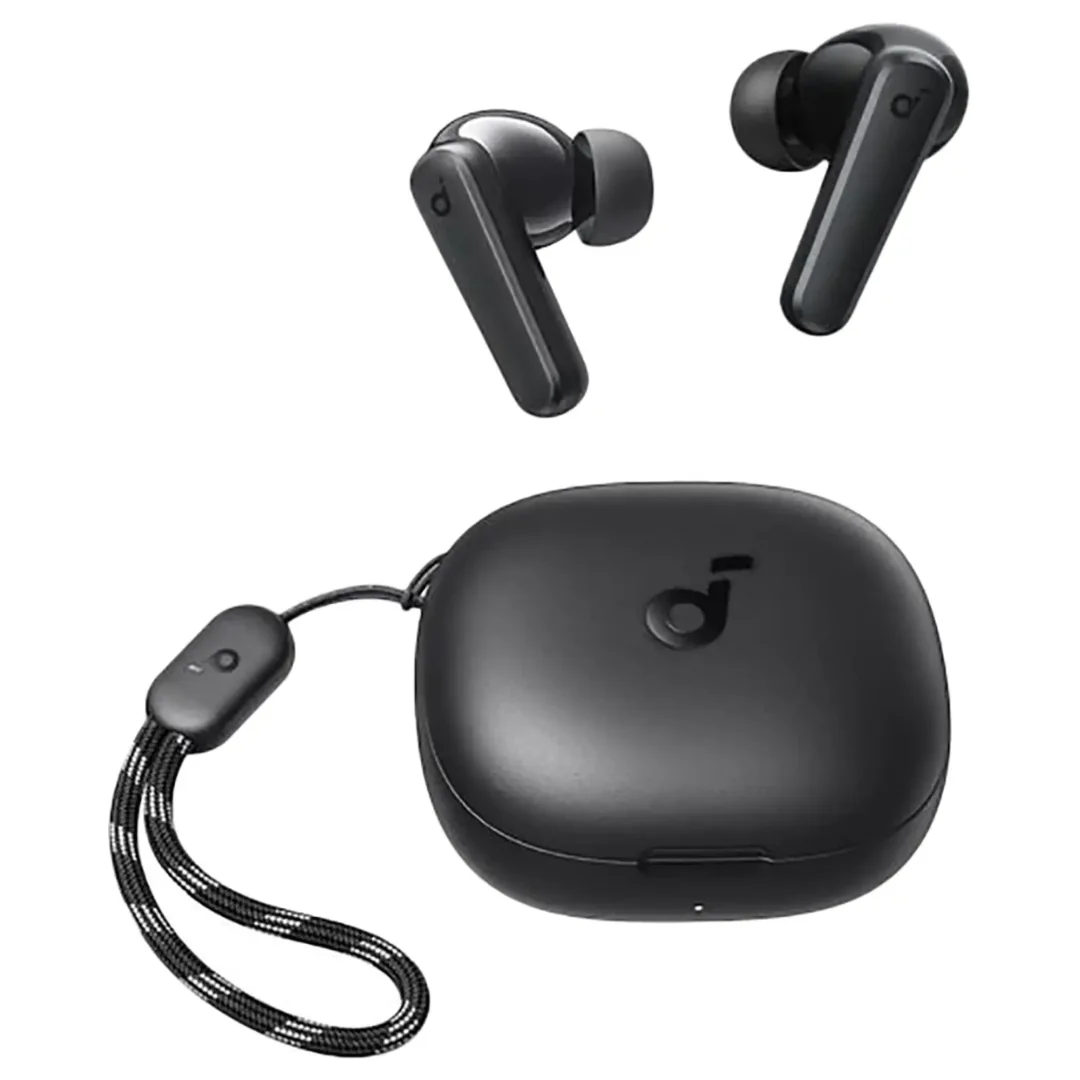
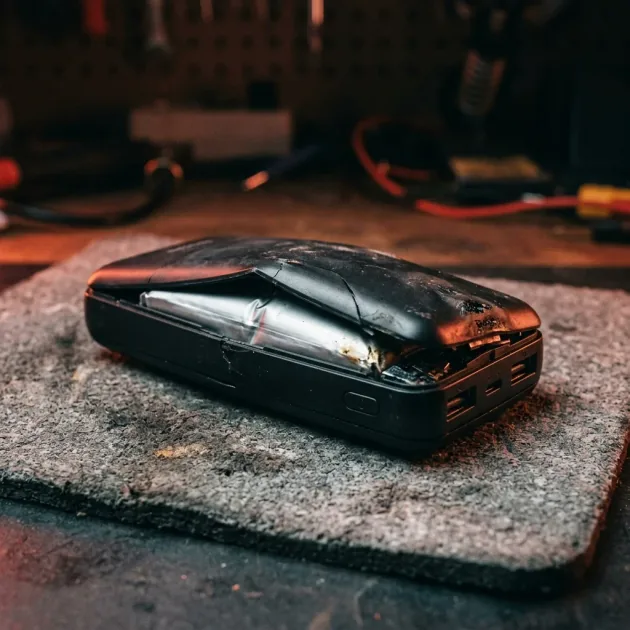
If you could open a cheap budget charger and compare it to a quality one side by side, you'd notice something immediately: the cheap charger has a single IC doing everything. The Anker charger in the same wattage class? Three or four specialized chips, each with a distinct role. That difference isn't marketing — it's the physical reason one charger protects your battery and the other can slowly destroy it.
In this article, we'll explain exactly how these electronic circuits work — from the BMS inside your phone to the controller IC in the charger itself. We'll ground all of this in the Egyptian context: Cairo and Alexandria summers where ambient temperatures reach 38-45°C in most homes without air conditioning in every room.
Quick Answer: BMS is the chip inside your phone that stops charging at exactly 4.2V per cell and protects against heat and overcurrent. Cheap chargers don't communicate with BMS correctly — they push unregulated current. In Egypt's summer heat (38-45°C), this stresses the protection circuit even more, while a quality charger auto-adjusts its output continuously.
BMS — What It Is and Where It Lives
BMS stands for Battery Management System — an integrated circuit (IC) present in every smartphone, every laptop, every power bank, and every lithium device on the planet. If you're thinking "my budget phone won't have anything sophisticated" — that's incorrect. Even the cheapest Android at 700 EGP has a BMS, because without one the device would fail within the first week of use.
The BMS continuously monitors and controls four things:
- Voltage: Monitors each cell's voltage in real time. The maximum is 4.2V for standard lithium-ion cells. If any cell exceeds 4.2V — BMS cuts charging immediately
- Current: If a charger tries to push more current than the battery is designed to handle — BMS reduces or cuts it
- Temperature: A Thermistor (temperature sensor) connected to BMS reads battery temperature continuously. Safe charging range is 0-45°C. Above 45°C, BMS reduces current. Above 60°C, it cuts charging completely
- State of Charge: Calculates exactly what percentage you're at — not just by measuring voltage, but using an algorithm that accounts for battery age, usage history, and current draw patterns
Overcharge Protection — Why 4.2V Is a Critical Number
A lithium-ion cell operates optimally between 3.0V and 4.2V. Above 4.2V, a process called lithium plating begins — lithium ions deposit on the electrode as a metallic layer instead of inserting into the crystal structure. The consequences are twofold:
- These metallic deposits form microscopic filaments called dendrites that can penetrate the separator between electrodes, causing an internal short circuit — which is the mechanism behind battery explosions
- The crystal structure itself is permanently damaged — the battery loses capacity in a way that cannot be reversed
This is why BMS cuts charging with precision at 4.2V (or 4.35V in newer NMC cells, or 4.4V in some Samsung models). The precision matters — 4.25V instead of 4.2V seems trivial but causes measurable accelerated degradation over hundreds of cycles.
Over-Discharge Protection — Why 2.5V Is the Minimum
On the other end, BMS also protects against excessive discharge. When a cell drops below 2.5V, a process called copper dissolution begins — the copper in the anode electrode starts to chemically corrode. When that copper redeposits during the next charge, it forms metallic deposits (similar mechanism to lithium plating) that can trigger the same short-circuit risk.
BMS shuts the device down automatically before any cell reaches 2.5V. When your phone shows "Battery 0%" — that doesn't mean the cell is actually at zero volts. It means BMS decided to stop operation to protect the cell from dangerous deep discharge.
Overcurrent Protection — Why Cheap Chargers Are Dangerous
Every lithium battery has a maximum charge rate measured in C-Rate. A 3000mAh battery at 1C = 3 amps. Most smartphones accept 1-3C for safe charging — meaning 3-9 amps depending on capacity.
BMS monitors incoming current and cuts it if a charger tries to push beyond the rated limit. The problem with cheap chargers isn't that they push excessive current — the problem is that the current they deliver is unregulated. This means instead of a steady 3 amps, they might push 3 amps, spike to 4.5 amps for a fraction of a second, drop to 2.5 amps, then spike again. These current spikes strain the protection circuit and create localized heat inside the cell.
The Technical Explanation Simplified:
A quality charger communicates with your phone's BMS using USB PD or PPS protocol every 10-50 milliseconds. The protocol is a conversation: "I can deliver 9V × 3A — what exactly do you need right now?" And the phone replies: "I need 5V × 2A right now." A cheap charger doesn't know this protocol — it pushes a fixed voltage without any conversation, leaving BMS alone to manage whatever current arrives.
Temperature Monitoring — Safe Range and When It Becomes Dangerous
The Thermistor in BMS reads battery temperature continuously. The safe charging window is 0–45°C. Here's what happens at each range:
- 0–25°C: Optimal charging. BMS allows maximum rated current for the device
- 25–35°C: Normal charging, minor effect on speed
- 35–45°C: BMS begins progressively reducing current by 10-30%
- 45–60°C: Sharp current reduction — charging slows significantly
- Above 60°C: BMS cuts charging entirely — this is when you see "iPhone needs to cool down"
In Egyptian summer conditions: if you're in a room without air conditioning and ambient temperature is 42°C — a phone in active use will already be at 45-50°C internally. The moment you plug it in to charge, BMS immediately starts reducing current from minute one.
CC and CV Charging Phases — The Secret Behind What's Fast and What's Slow
This is the detail most people don't know. Charging isn't one continuous process — there are two distinct phases that the charger and battery negotiate together:
| Phase | Approximate Time | Current (A) | Voltage (V) | Charge Level |
|---|---|---|---|---|
| CC — Constant Current | 0 – ~70 minutes (example) | Fixed: 3A (example) | Rises gradually 3.0V → 4.2V | 0% → 80% |
| CV — Constant Voltage | ~70 – 110 minutes (example) | Tapers from 3A → 0.1A | Fixed: 4.2V | 80% → 100% |
CC Phase (Constant Current): The charger pushes maximum rated current (for example, 3 amps for a 15W charger at 5V). During this phase, voltage rises gradually from ~3.0V (empty cell) to 4.2V (full cell). The first 80% fills during this phase — which is why fast charging is most dramatic in the first portion of the session.
CV Phase (Constant Voltage): Once the cell reaches 4.2V, BMS and the charger lock onto that voltage and hold it steady. Because the cell is now nearly full, the incoming current tapers gradually from 3 amps down to about 0.1 amps (a termination current). The last 20% takes as long as the first 80% combined — this is not a charger defect or phone problem. It's an unchangeable physical property of lithium-ion cells.
Understanding this explains why "fast charging" claims only apply to the 0-80% range — the last 20% is always slow regardless of charger quality, because it's physics, not engineering choice.
Why Cheap Chargers Are Dangerous — With Numbers
Budget chargers (selling for 30-80 EGP) have two fundamental problems:
Problem 1 — No Communication Protocol: A quality charger uses USB PD (Power Delivery) or PPS (Programmable Power Supply) to negotiate with the phone. A cheap charger pushes a fixed voltage (typically 5V) without any negotiation with the battery system. This means BMS must handle everything alone — like driving a car with no side mirrors and no rearview mirror.
Problem 2 — Unregulated Voltage (Ripple Voltage): A cheap charger doesn't convert AC to DC efficiently. The result is Ripple Voltage — a fluctuation in output voltage that can swing ±0.5 to ±1V. Instead of a steady 5V, you might get 4.5V for a fraction of a second then 5.5V then back. These fluctuations create localized heat inside the cell.
In Egypt's summer: your phone is already at 45-50°C internal temperature, and the cheap charger is adding additional unregulated current stress. BMS works at maximum capacity trying to compensate. The result: shorter battery lifespan, and in rare cases with extremely poor quality chargers — fire risk.
Anker ActiveShield 2.0 — What the Numbers Actually Mean
Anker's power banks use a technology called ActiveShield 2.0 that adds a protective layer on top of the phone's BMS:
- 3,000,000 temperature readings per day: This equals one reading every 0.03 seconds (30 milliseconds). A standard BMS reads every 3-10 seconds. This difference allows the system to respond to temperature spikes before they accumulate
- 20mV adjustment precision: Through PPS, Anker can adjust voltage in 20-millivolt (0.02V) increments — extremely fine-grained control over the charging curve
- Predictive response: The system doesn't just react to temperature — it calculates the rate of temperature change and begins reducing power output before the critical threshold is reached
In the Egyptian summer context: an Anker power bank in a room at 42°C ambient temperature operates at 44-46°C under load. A budget power bank without ActiveShield in the same conditions? It can reach 55-60°C — which dramatically accelerates degradation of its internal battery cells.
Egypt's Summer Context — Why This Matters More Here Than in Europe
In Europe or Gulf countries where every indoor space has air conditioning — ambient temperature rarely exceeds 25°C indoors. The thermal system in phones and chargers doesn't experience sustained stress.
Egypt's reality is different:
- Many apartments in popular neighborhoods across Cairo and Alexandria don't have air conditioning in every room
- Indoor ambient temperature can reach 38-44°C in July and August
- A phone in active use in those conditions will be at 45-48°C internally
- When you plug it in to charge, the charger adds more heat on top of what's already inside the device
This means your phone's BMS operates near its thermal limits constantly throughout the summer. A quality charger helps it manage this — a cheap charger adds the extra burden of unregulated current on top of the already-stressed system.
Important Safety Warning:
A cheap charger doesn't just degrade your battery over time. In cases of extremely poor manufacturing — insufficient isolation between the AC and DC circuit — the 220V household current can reach the phone directly. This can immediately destroy the device or, in worst cases, electrocute the user. This is not an exaggeration — it has happened in documented incidents. Buying a charger from an authorized retailer is not a luxury — it's basic safety.
Practical Comparison — Anker Charger vs. Budget Charger in Egyptian Summer
| Criteria | Anker GaN Charger | Budget Charger (no brand) |
|---|---|---|
| Communication Protocol | USB PD 3.0 + PPS | None |
| Output Voltage Stability | Fixed ±0.05V | Fluctuating ±0.5–1V |
| Charger Temperature at 30W | 38-45°C | 52-65°C |
| Surge/Reverse Voltage Protection | Yes (MOV + TVS) | Often no |
| Battery Capacity After 1 Year | 92-96% of original | 82-90% (or less) |
How to Recognize a Charger That Handles Thermal Load Correctly
There are simple observable signs that a charger is doing its job properly:
- The charger is warm, not hot: An efficient charger operates at 35-45°C under load. If it's hot to the touch (above 55°C) — that inefficiency is transferring heat to your phone
- Charging slows in hot weather and that's correct: If you notice charging is slower in summer — that's BMS doing its job and protecting the battery. It's not a charger defect
- The phone doesn't get excessively hot during charging: A quality charger manages its own thermal load internally. A cheap charger transfers its excess heat to whatever it's connected to
The Summary — BMS Protects But Can't Do It Alone
The BMS inside your phone is the last line of defense — not the first. Think of it like a car's airbags: essential, but not a substitute for safe driving habits and proper car maintenance.
A quality charger is BMS's partner — it communicates continuously, delivers regulated current, and manages its own thermal load independently. A cheap charger puts the entire burden on BMS alone.
In Egypt's summer, where ambient heat already pushes BMS to work near its limits throughout the day — a quality charger is not a luxury. It's an investment in your phone's battery lifespan that pays for itself within the first year. Anker GaN wall chargers — from the Anker A2147 to the Anker A2741 — all support USB PD and operate at 93-95% efficiency under full load, keeping thermal stress on both the charger and your device to a minimum.

CairoVolt Team
Tech Editor
Frequently Asked Questions
What is BMS and is it in every phone?▼
If the phone has BMS protection, why do we need a quality charger?▼
What does it mean that a charger charges with CC then CV?▼
Does Egypt's summer heat affect the safety protection circuit?▼
Ready to Buy?
Browse available products and review specifications and CairoVolt warranty terms before ordering
Products Mentioned in This Article
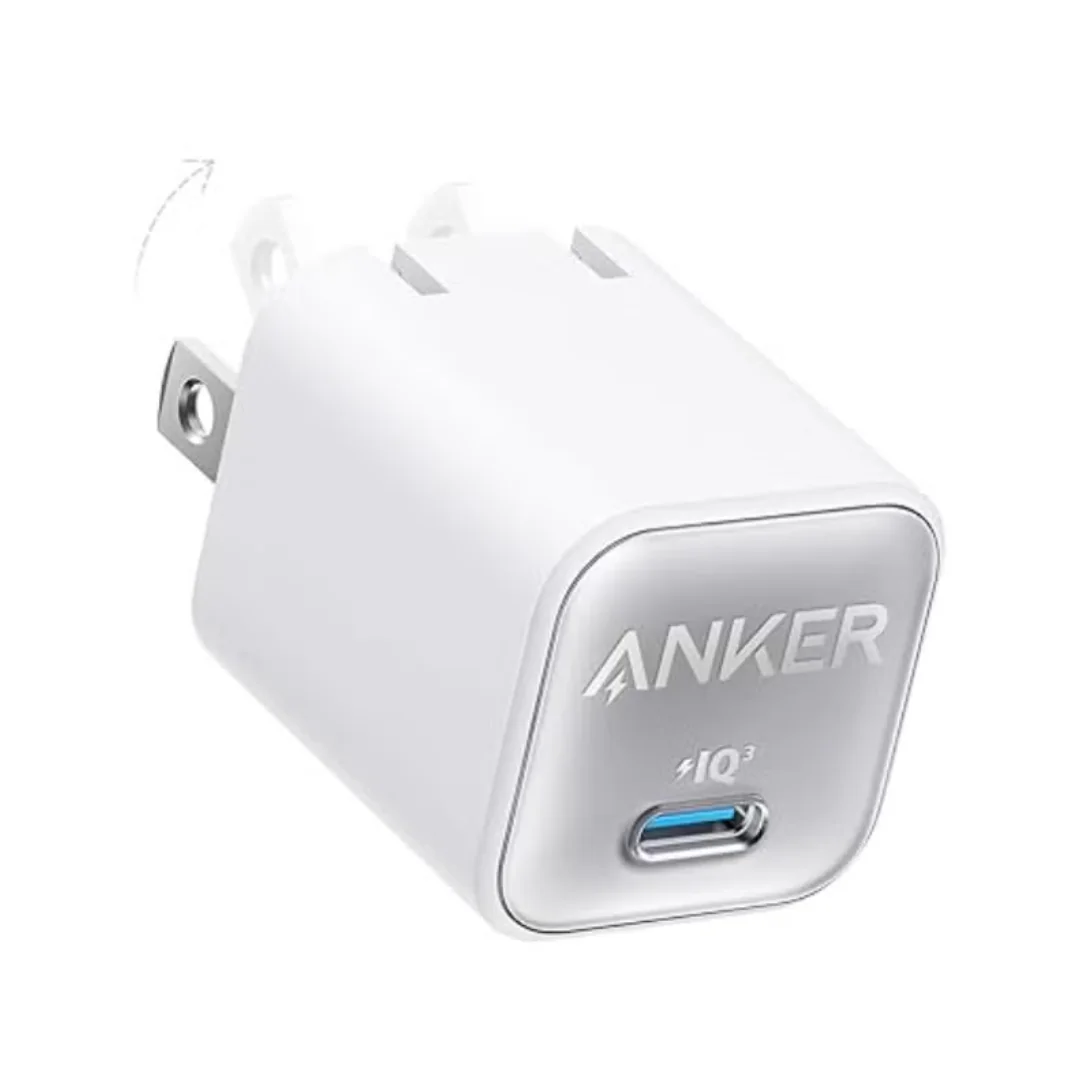
Anker 511 Nano 3 GaN Charger 30W (A2147) | USB-C PD | IQ3
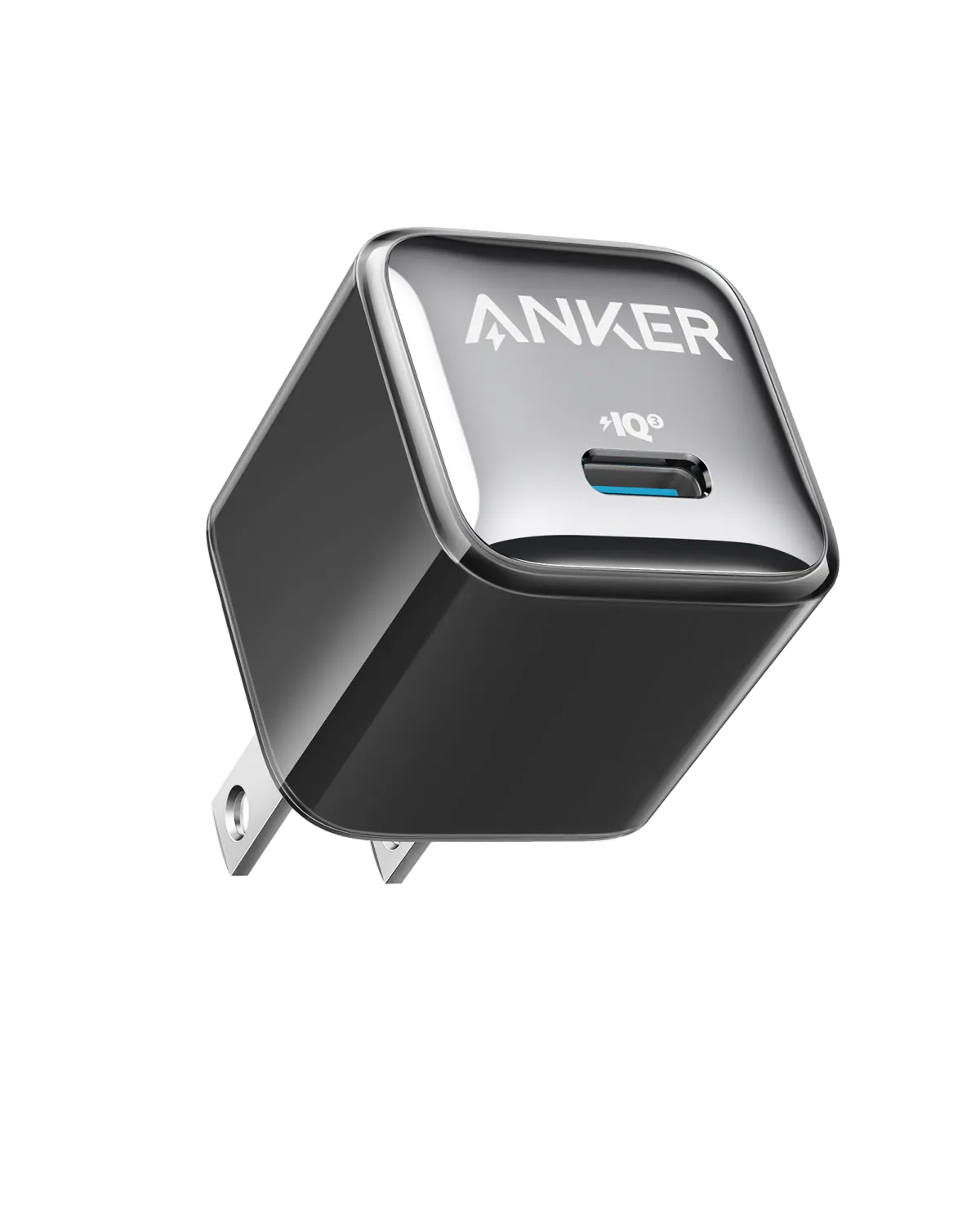
Anker A2347K11 20W USB-C PD Charger | Check Device Profile and Plug
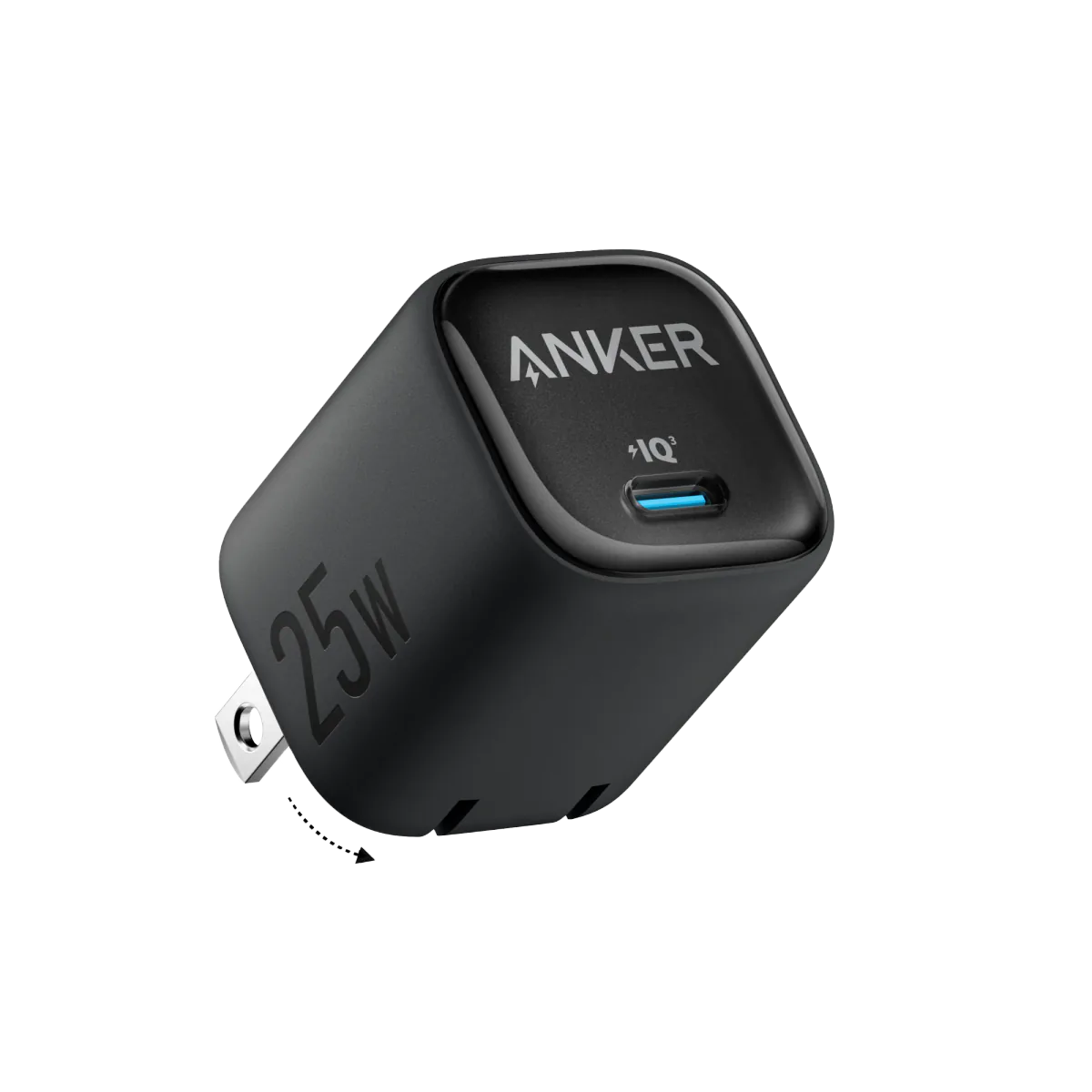
Anker 25W PPS Charger (A2322K11) | Samsung-Compatible USB-C PD
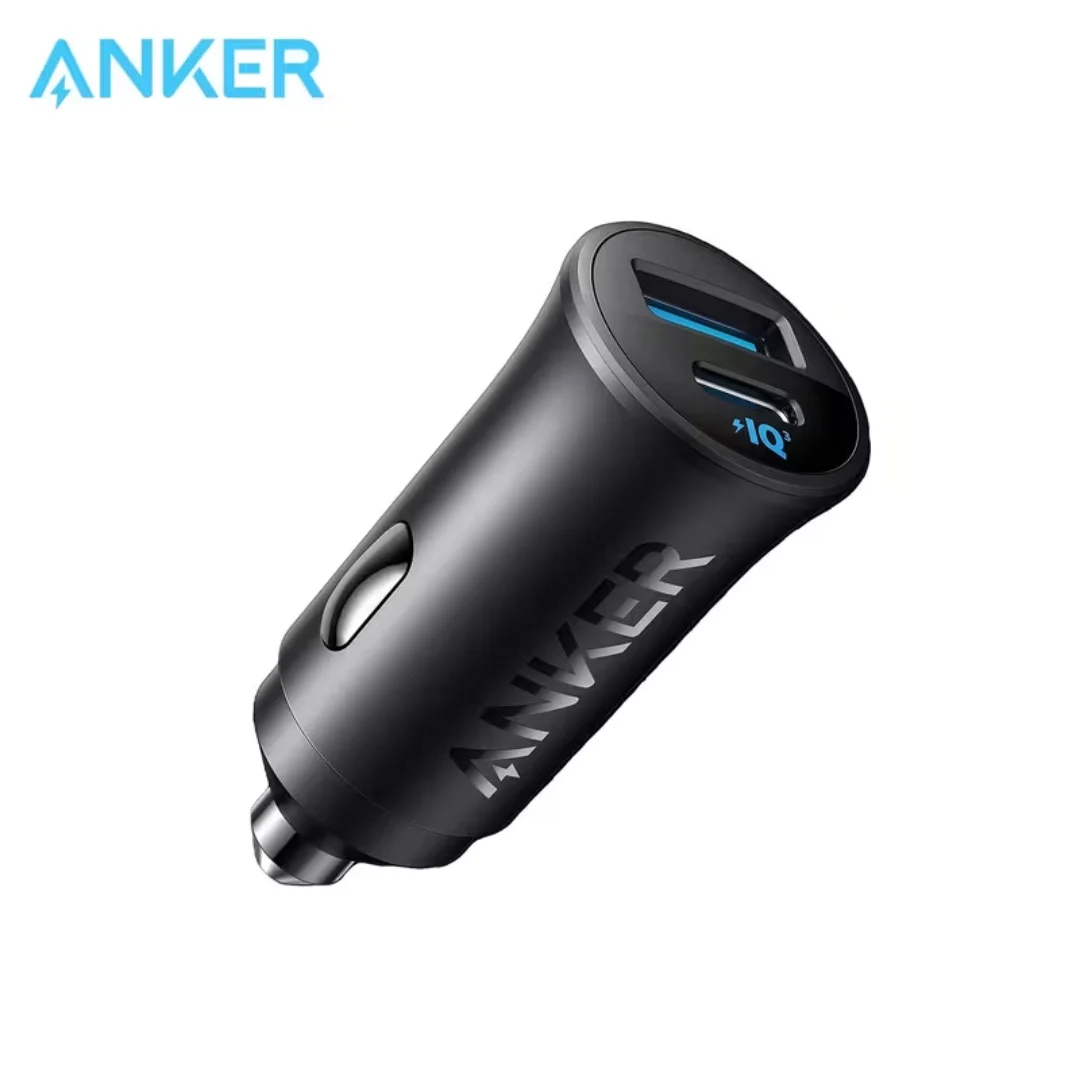
Anker 30W Mini Car Charger (A2741) | USB-C 30W PD + USB-A 22.5W | Ultra-Compact