Gas water heaters are the backbone of winter comfort in Egyptian homes. Traditionally, these systems run on two heavy-duty 1.5V D-cell batteries connected in series to provide a total of 3.0 volts. With the price of these batteries rising significantly in Egypt—reaching up to 200 EGP per pair in 2026—and their short lifespan under cold-weather demand, many homeowners are switching to a "battery bypass" AC-DC power adapter. But is this conversion safe? And how do you select the correct adapter without damaging your appliance? Let's dive into the technical details.
💡 Quick Summary: A gas water heater adapter must output exactly 3.0V DC and a current of 1A to 2A. Using any adapter with higher voltage (such as a 5V phone charger or a 9V/12V router adapter) will instantly burn the heater's Electronic Control Unit (ECU). Keep the high-voltage AC outlet out of wet bathroom zones and ensure correct polarity during wiring.
1. Strict Electrical Specifications for Gas Heater Adapters
The electronic circuit board (ECU) of a gas water heater is a highly sensitive low-voltage component. It contains a small microprocessor and control circuitry designed to run specifically on a regulated 3.0V DC supply. Deviating from these specifications can lead to component failure:
- Voltage: Exactly 3.0V DC. This is non-negotiable. Some assume that using a standard 5V USB mobile phone charger is close enough. However, a 5V supply represents a 66% voltage increase. This excess voltage forces higher current through the control transistors, burning out the ignition spark generator and gas solenoid control circuits within seconds of operation.
- Current: 1.0A to 2.0A. When you open a hot water tap, the heater must perform two high-current tasks simultaneously: spark the igniter plug and open the gas solenoid valve. Lifting the heavy magnetic plunger of the gas valve requires a brief current draw of up to 800mA. If you use a cheap, low-amperage adapter (like a 300mA or 500mA unit), the igniter will spark, but the solenoid will fail to open the gas path, resulting in no flame.
- Current Type: Direct Current (DC). The adapter must output DC. Connecting an AC-output adapter will immediately destroy the heater's motherboard.
2. Battery Chemistry: D-Cell Alkaline vs. Carbon-Zinc vs. Regulated Power
Traditional D-cell batteries are available in two chemistries: cheap Carbon-Zinc (Zinc-Chloride) and premium Alkaline. Carbon-Zinc batteries have high internal resistance. Under a high load (such as the gas solenoid valve drawing current), their voltage drops sharply, rendering them unable to lift the valve plunger even when they are brand new.
Alkaline batteries have a capacity of 12,000mAh to 18,000mAh, but they suffer from a gradual discharge slope. Under a 1A discharge, their voltage drops from 1.5V to 1.1V per cell. Once the total voltage hits 2.2V instead of 3.0V, the gas heater refuses to light, forcing you to discard batteries that still retain unused energy. A regulated AC-DC adapter completely resolves this decay curve, delivering a constant, stable 3.0V supply indefinitely.
3. The Hazard of Cheap Unregulated Adapters
Many cheap, unbranded 3V adapters sold in local markets lack voltage regulation circuits. While labeled "3V," measuring their open-circuit voltage with a digital multimeter often reveals outputs between 4.5V and 5.5V. This voltage only drops to 3V when under load.
When the water heater is idle, the high open-circuit voltage (5V+) constantly stresses the filter capacitors on the heater's internal control board. Over time, these capacitors swell and burst, requiring a full board replacement. To protect the appliance, always choose a regulated power adapter that maintains a stable 3.0V output under both load and idle states.
4. Fuse Engineering and Short-Circuit Protection
To ensure high safety standards, a reliable adapter must implement a glass or ceramic fuse (typically rated at 2A) on the primary high-voltage side, alongside a thermal cutoff fuse (rated at 115°C) inside the transformer windings. In a humid bathroom environment, water vapor can condense on wires, causing a short circuit.
In low-quality adapters, this short circuit causes the unit to overheat, melt, or start a fire at the wall outlet. A high-quality adapter with fused protection shuts down power instantly upon detecting a short circuit or overcurrent condition. This prevents electrical fires and protects the gas heater's wiring from carrying high fault currents.
5. Solenoid Valve Inductance and Back-EMF Suppression
The gas valve solenoid is an inductive load. When the water tap is closed and the heater's ECU cuts power to the solenoid to shut off the gas, the collapse of the solenoid's electromagnetic field generates a high-voltage negative spike (back-EMF) that can reach up to -50V.
To protect the adapter, the circuit must incorporate a flyback diode across the solenoid and output capacitors rated for higher operating voltages (such as 16V or 25V instead of cheap 6.3V capacitors). These components absorb and dissipate the inductive kickback safely. In cheap adapters lacking these filters, back-EMF spikes feed back into the adapter's secondary circuit, gradually damaging its feedback loop and causing premature failure.
6. Electrical Safety in Bathroom Environments
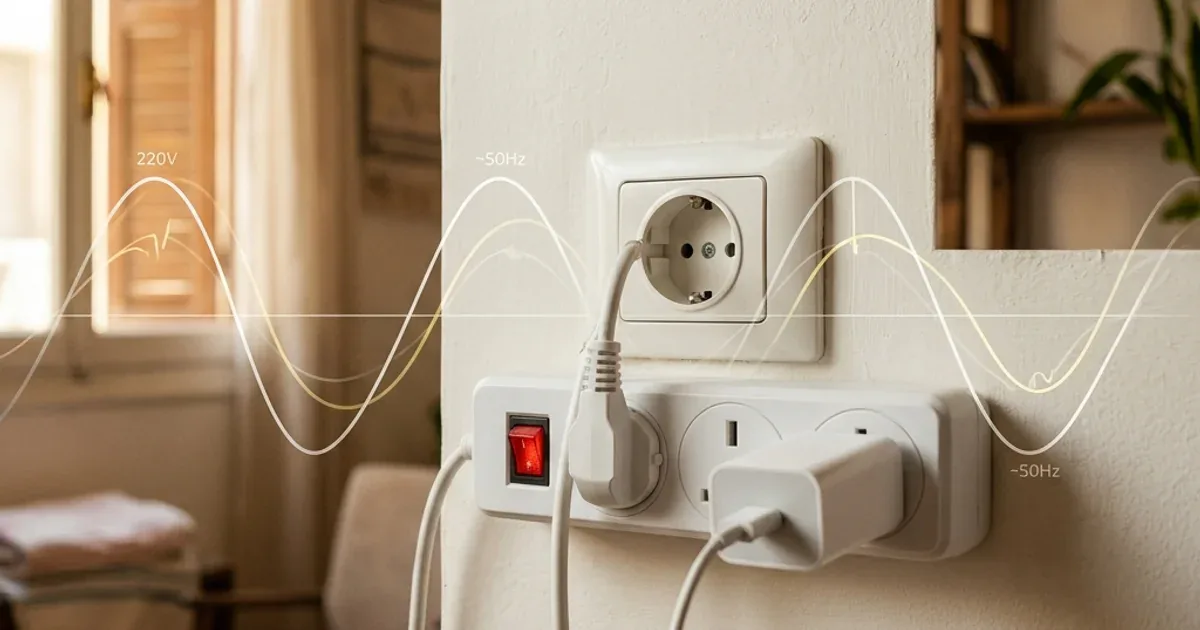
Bathrooms are high-humidity areas, creating a high risk of electrical shocks and short circuits. Introducing 220V mains power into a bathroom requires strict compliance with safety guidelines:
- Outlet Placement: Never install a 220V AC outlet near the shower area or water basins. The outlet should be located in a dry zone or outside the bathroom entirely. Run only the safe 3V low-voltage DC line into the bathroom to connect to the heater.
- Proper Connection Insulation: Seal all wire splices using heat-shrink tubing or professional electrical tape. Worn, exposed copper wires will oxidize rapidly in humid bathroom air, leading to resistance buildup, voltage drops, or electrical short circuits.
- Casing Quality: Ensure the adapter casing is constructed from fire-retardant material (such as ABS) and possesses proper ingress protection against humidity.
7. Step-by-Step Safe Installation and Polarity Matching
There are two primary methods for connecting the adapter. The recommended method is using dummy batteries—plastic battery cylinders that fit into the existing D-cell compartment and connect directly to the adapter cable. This method requires no cutting or splicing of the heater's internal wiring, thereby preserving the manufacturer's warranty.
If you choose to splice the wiring directly, you must ensure correct **polarity matching**:
- The positive wire of the adapter is typically colored red or marked with a white stripe. The negative wire is plain black.
- Locate the positive (+) copper contact inside the heater's battery box (the terminal connected to the main control board) and connect the positive wire to it.
- Connect the negative wire to the negative (-) terminal.
- Reversing the polarity will burn out the protection diodes or transistors on the control board instantly upon powering the system.
8. Cost-Benefit Analysis: D-Cells vs. AC Adapters
Let's run a comparison of the operational costs in Egypt for 2026:
- A family of 4 typically consumes one pair of quality D-cell batteries every 3 months, equating to 4 pairs per year.
- A pair of premium D-cell batteries (such as Energizer or Duracell) costs approximately 150 to 200 EGP.
- Annual battery cost: 4 × 175 EGP = 700 EGP.
- A high-quality, regulated 3V 2A adapter with dummy battery compartments costs around 150 to 250 EGP as a one-time purchase.
- The adapter pays for itself within the first 3 months of use, saving roughly 700 EGP every year thereafter.
🔬 CairoVolt Technical Expert Note:
Always keep a backup pair of D-cell batteries or a USB-to-3V step-down cable. If there is a power cut, your AC adapter will stop working, leaving you without hot water. A step-down cable allows you to run the gas water heater off a standard USB power bank (like an Anker PowerCore) during outages, ensuring continuous hot water availability.
Converting your gas water heater to an AC adapter is a safe, economical choice that eliminates the constant hassle of battery changes. By following these technical specifications and safety rules, you can ensure a reliable hot water supply throughout the winter season.

CairoVolt Team
Tech Editor
Frequently Asked Questions
Can I power my gas water heater with a standard phone charger?▼
Why does my water heater click but fail to ignite when using the adapter?▼
How do I identify positive and negative wires on the adapter?▼
Is it safe to have the power outlet inside the bathroom?▼
Ready to Buy?
Browse available products and review specifications and CairoVolt warranty terms before ordering
Products Mentioned in This Article
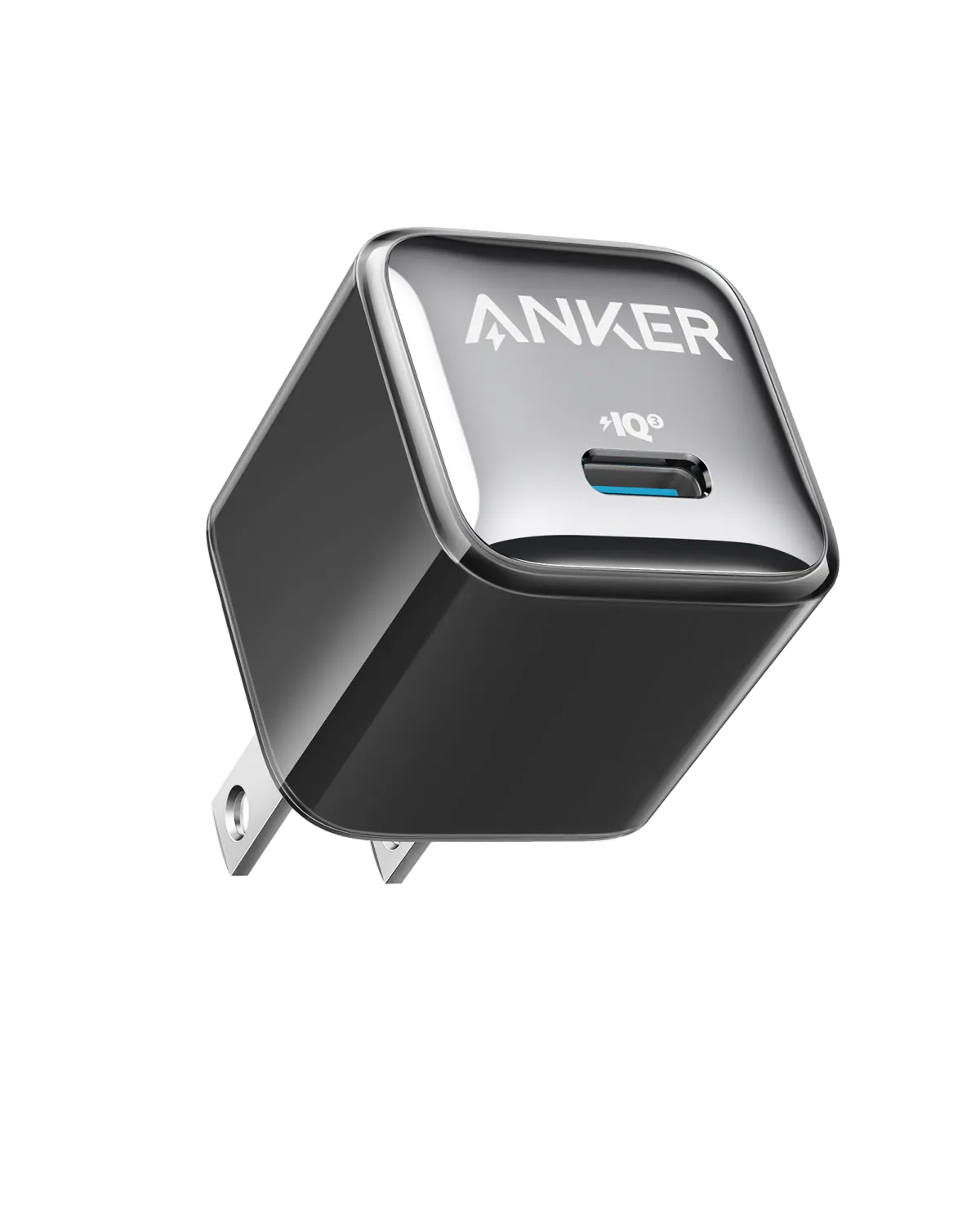
Anker A2347K11 20W USB-C PD Charger | Check Device Profile and Plug
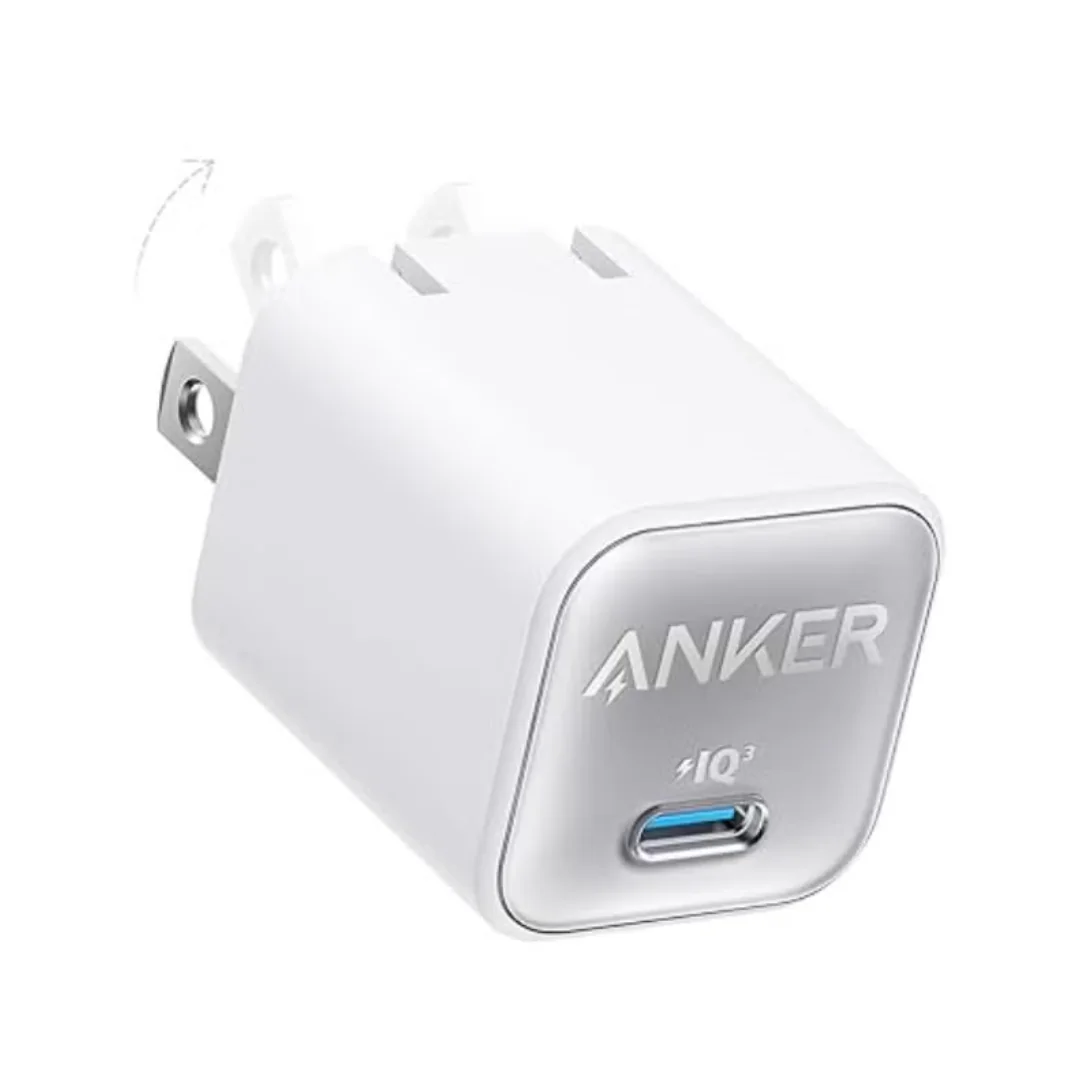
Anker 511 Nano 3 GaN Charger 30W (A2147) | USB-C PD | IQ3
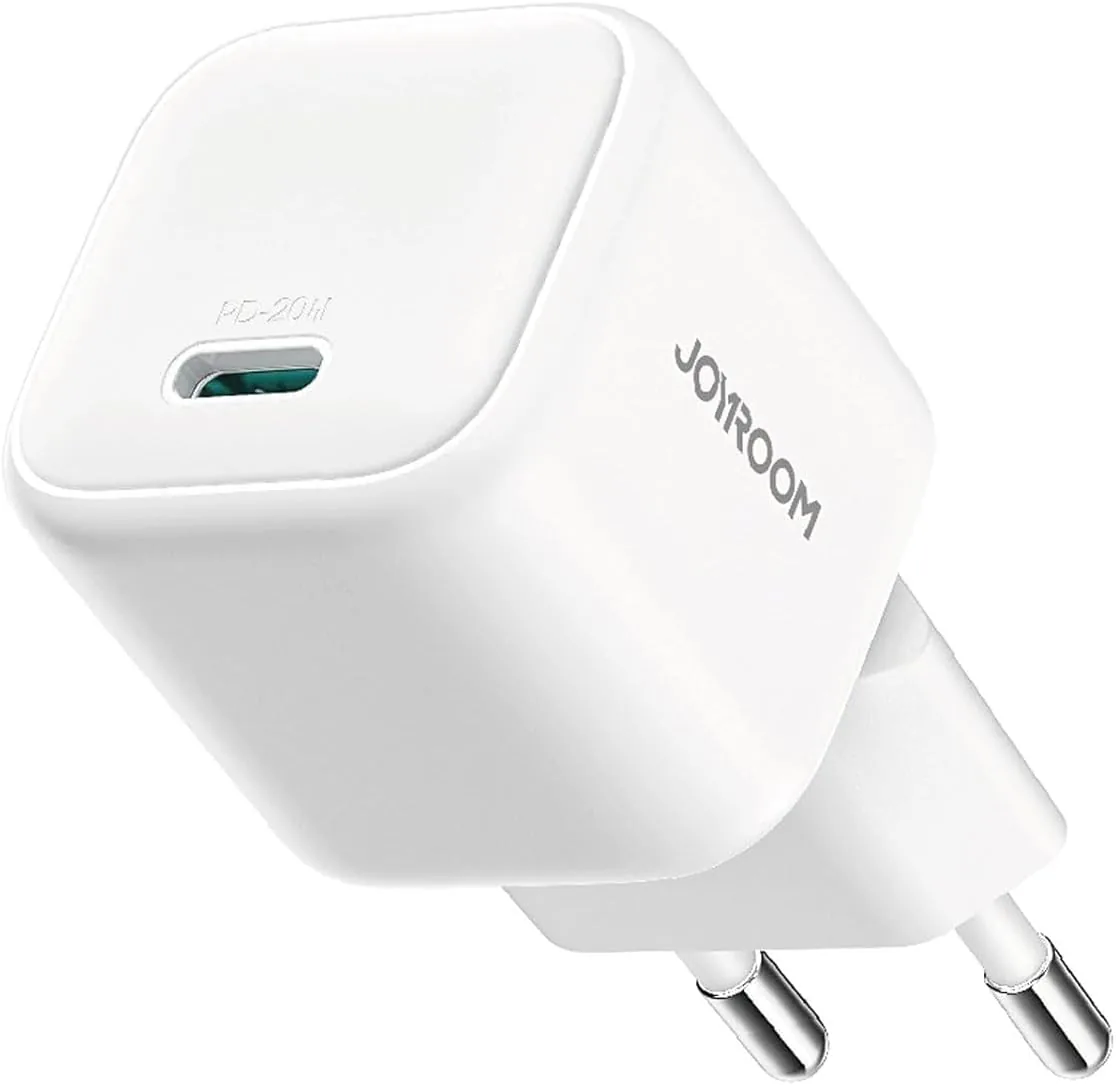
Joyroom 20W USB-C PD Charger | iPhone 17 Fast Charge
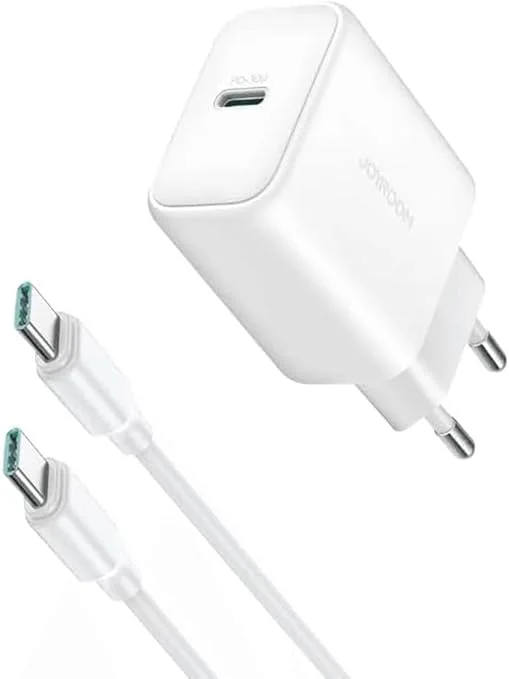
Joyroom 30W PD+QC Wall Charger | Dual USB-C and USB-A Ports
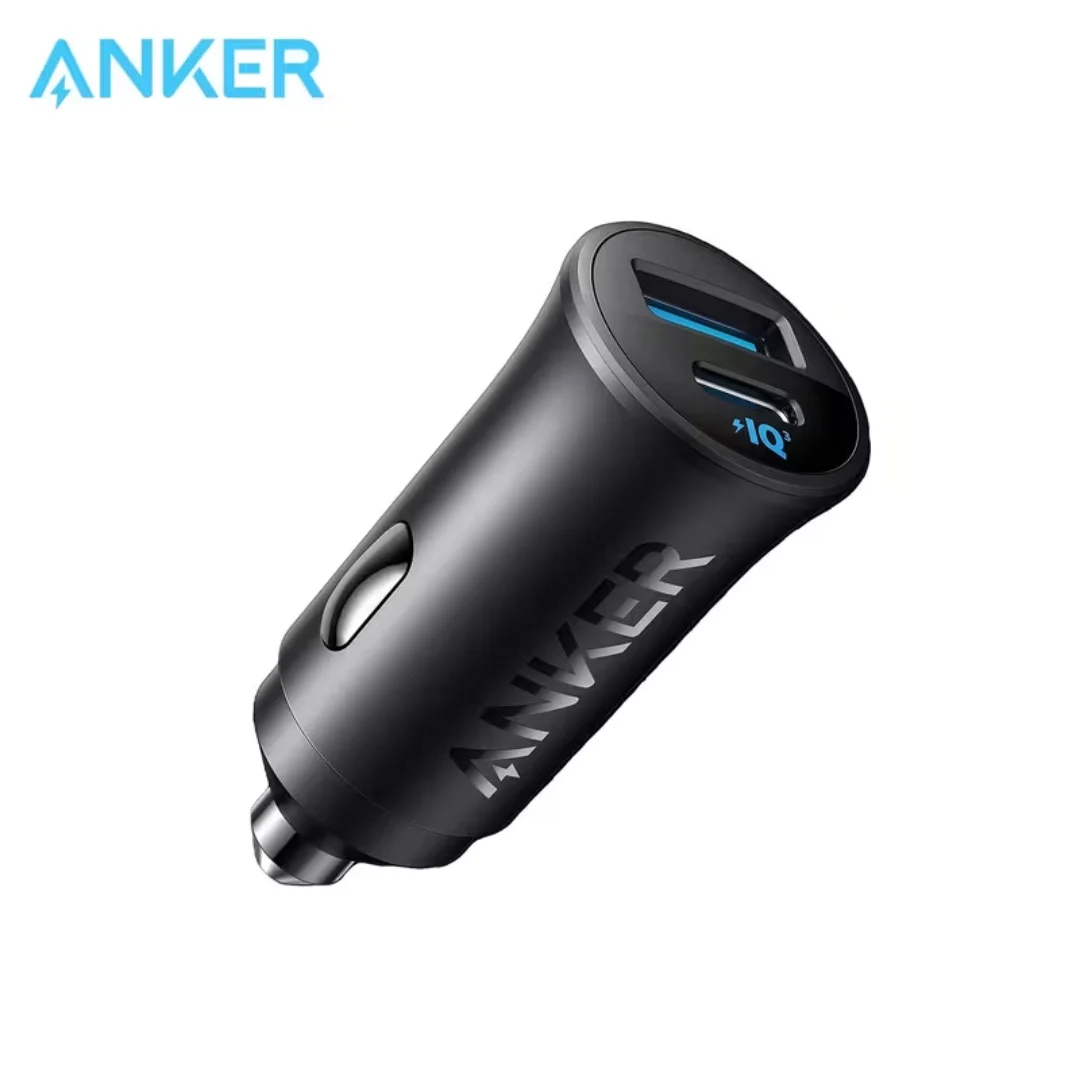
Anker 30W Mini Car Charger (A2741) | USB-C 30W PD + USB-A 22.5W | Ultra-Compact
Browse the categories this article covers
Related Articles

Charger Sparks When Plugged In — When It's Normal and When to Replace It Immediately
Read more →
Surge Protectors — Protecting Your Devices from Egypt's Voltage Fluctuations
Read more →