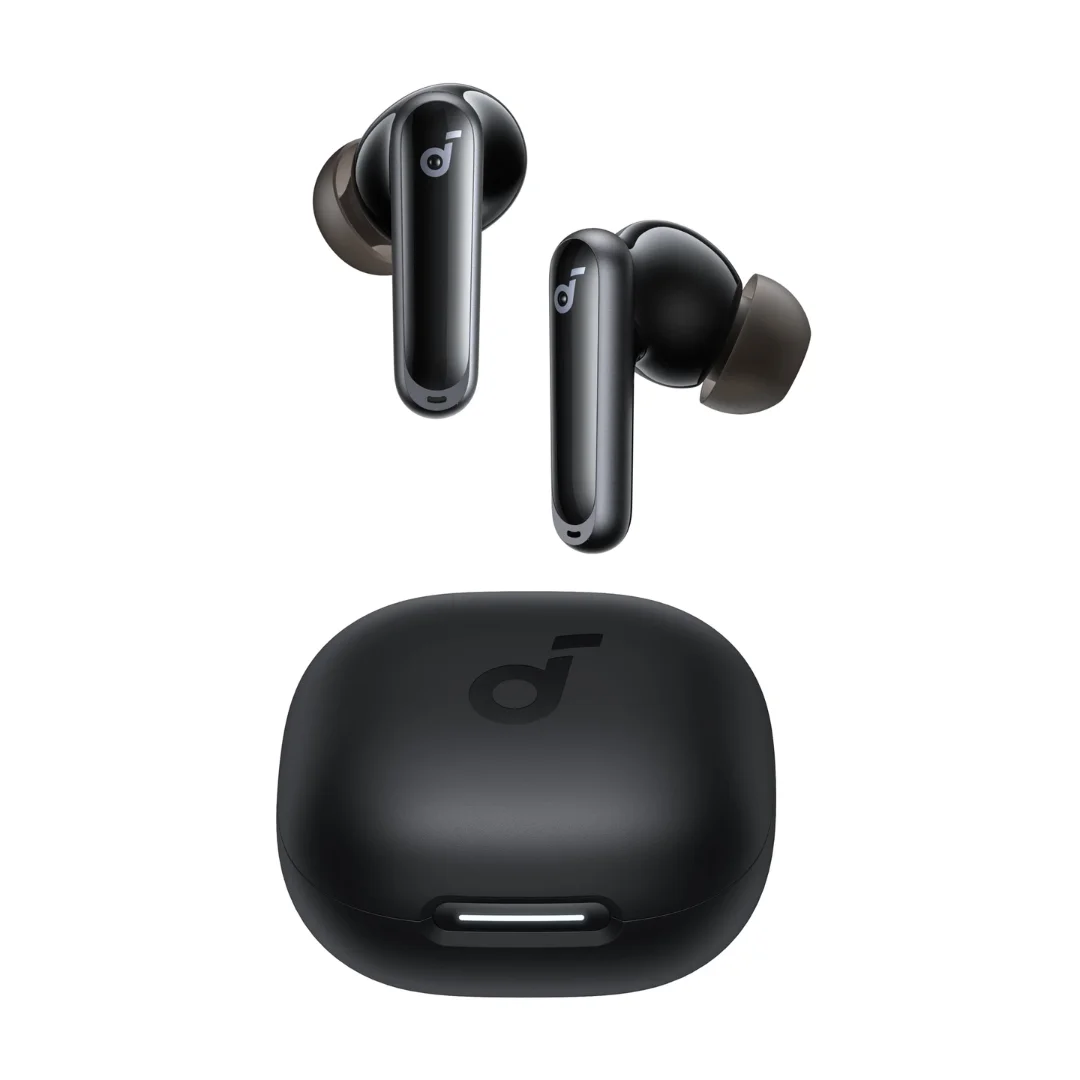

ANC vs ENC vs Transparency Mode — Which Do You Actually Need?
The scientific difference between ANC, ENC, and Transparency Mode — which you need based on your daily use, with a full comparison chart and earbuds recommendations in Egypt.
TL;DR: ANC (Active Noise Cancellation) blocks environmental sounds from reaching you — ideal for commutes and focus. ENC (Environmental Noise Cancellation) filters environmental sounds from your voice during calls — ideal for meetings. Transparency Mode lets you hear your surroundings through the earbuds — ideal for street safety. Most mid-range earbuds in 2026 include all three.
Your friend just bought earbuds for 2,000 EGP and proudly announced "It has ANC!" — then you chimed in with "Yeah, but does it have ENC?" — and a third friend added "It has Transparency Mode too!" — and suddenly the three of you spent 30 minutes arguing about whether these are the same thing with different names. It is like people thinking WiFi and the internet are the same thing — technically wrong, but who has time to explain.
The truth is these three technologies are completely different from each other — each does something different, in a different direction, for a different purpose. And more importantly: not every use case requires all three. Some people pay extra for ANC when they do not actually need it, while others buy cheap earbuds without ANC and then complain they cannot block noise on the metro.
In this article — as electronics engineers, not salespeople in a store — we will explain the actual scientific difference between all three technologies using physics, microphones, and DSP (Digital Signal Processing), tell you which one you actually need based on your real daily life in Egypt, and recommend earbuds available in the Egyptian market for every budget.
💡 Quick Answer: ANC (Active Noise Cancellation) blocks environmental sounds from reaching you — ideal for commutes and focus. ENC (Environmental Noise Cancellation) filters environmental sounds from your voice during calls — ideal for meetings. Transparency Mode lets you hear your surroundings through the earbuds — ideal for street safety. Most mid-range earbuds in 2026 include all three.
The Simple Difference — What Each One Actually Does
Before diving into the engineering details, let us understand the core concept with simple analogies:
- 🔇 ANC (Active Noise Cancellation): Imagine you are in a lecture and the professor says "shut off that ceiling fan." — the goal is for you not to hear the noise. ANC works through external microphones that capture incoming noise, a DSP chip that generates an inverse sound wave (anti-phase), and the speaker plays this inverse wave alongside your music. Result: the noise disappears.
- 🎙️ ENC (Environmental Noise Cancellation): Imagine you are on a call from a busy cafe and the person on the other end says "I cannot hear you clearly, there is too much background noise." — the goal is for the person listening to you not to hear the noise. ENC uses microphones that isolate your voice and filter everything else — it cleans up the audio going to the other party.
- 👂 Transparency Mode: Imagine you are walking down the street wearing earbuds and need to hear car horns or someone calling your name — the goal is to hear the outside world through the earbuds without removing them. The earbuds use external microphones to capture ambient sound and play it inside the earbuds.
In simple terms: ANC = isolates you from the world. ENC = cleans your voice for the listener. Transparency = brings the world into your ears. Three completely different things.
ANC in Detail — How Earbuds Physically Cancel Sound
ANC is not magic — it is basic physics. The scientific principle is called Destructive Interference: if you have a sound wave and create another wave with the exact same shape but inverted (180-degree phase shift) — the two waves cancel each other out and the result is silence.
In practice, the earbuds have one or two microphones on the outer surface (Feedforward) that capture incoming noise, a DSP (Digital Signal Processor) chip analyzes the sound wave in under a millisecond and generates the inverse wave, and the speaker plays this inverse wave alongside your music. Result: noise disappears while music remains.
However, ANC does not cancel all sounds equally:
| Sound Type | Frequency | ANC Effectiveness | Examples |
|---|---|---|---|
| Low, constant sounds | 20-500Hz | Excellent | Airplane engine, AC, metro hum |
| Mid-range sounds | 500Hz-2kHz | Good | People talking, television |
| High, sharp sounds | 2kHz+ | Weak | Kids screaming, car horns, phone ringtones |
This is why ANC is excellent on airplanes and metros (low, constant sounds) but will not completely block out kids screaming nearby (high, variable sounds). This is not a flaw in the earbuds — it is the limits of physics.
ANC types: Feedforward ANC (external mic only — simpler and cheaper) and Hybrid ANC (external + internal mic — usually more accurate). Budget earbuds typically use Feedforward, while mid-range and flagship models use Hybrid. The Soundcore Liberty 4 NC, for example, features adaptive Hybrid ANC, and Soundcore lists an ANC figure of up to 98.5% under its own specified test method.
ENC in Detail — How It Cleans Your Voice During Calls
ENC works in the exact opposite direction from ANC. Instead of cancelling the noise you hear — it cancels the noise that the person on the other end hears.
The mechanism: the earbuds have two or more microphones — one close to your mouth (voice mic) that captures your voice, and one or two others farther away (reference mics) that capture environmental noise. The DSP chip subtracts the environmental noise from the total signal — and the result: the person you are talking to hears your voice clean without background cafe noise, car horns, or coffee machine sounds.
The important distinction: ENC does not affect what you hear — you still hear all the noise around you normally. Only the person on the other end hears your clean voice. So if you are in a busy cafe and your manager calls — you hear the cafe, but your manager does not.
ENC levels:
- ⚡ Basic ENC (2 microphones): Reduces part of the background noise — sufficient for regular calls
- ⚡ Advanced ENC (4-6 microphones + AI): Uses AI algorithms that learn to distinguish your voice from environmental noise — clearer results in busy places
- ⚡ Professional ENC (bone conduction + AI): Uses a bone vibration sensor to capture your voice through bone vibrations rather than air — the most accurate method for isolating your voice even in extreme noise
Transparency Mode — When You Need to Hear the World Without Removing Earbuds
Transparency Mode (also called Aware Mode or HearThrough — every brand uses a different name) is the exact opposite of ANC. Instead of blocking environmental sounds, it captures them through the external microphones and plays them inside your ears alongside your music or call.
Why is this important? Because wireless earbuds — especially in-ear models — create natural passive isolation just by sitting in your ear canal. Even without ANC, you cannot hear your surroundings well. Transparency Mode solves this problem.
Practical uses in Egypt:
- 🚶 Walking on the street: Hearing car horns while crossing — a safety issue, not a luxury, especially in Egyptian traffic
- 🛒 At the supermarket: Hearing the cashier say the total without removing your earbuds
- ✈️ At the airport: Hearing gate announcements without missing your flight
- 🏃 While running: Hearing vehicle movement around you — especially critical on Egyptian streets with no sidewalks
Good vs bad Transparency: Cheap earbuds produce Transparency that sounds like listening through a cheap microphone — metallic and unnatural. Quality earbuds like the Soundcore Liberty 5 produce Transparency so natural that you feel like you are not wearing earbuds at all.
Complete Comparison Chart — ANC vs ENC vs Transparency
| Criterion | ANC | ENC | Transparency |
|---|---|---|---|
| Purpose | Block noise from you | Clean your voice for others | Let ambient sound in |
| Direction | Outside → Inside (blocks) | Inside → Outside (filters) | Outside → Inside (allows) |
| Best for | Music / podcasts / focus | Voice / video calls | Walking / quick chats / safety |
| Battery impact | Higher | Low (during calls only) | Medium |
| Minimum for quality | Hybrid ANC (outer+inner mic) | 2 mics + DSP | External mic + EQ tuning |
| Available in tier | Mid-range and above (800+ EGP) | All tiers (even 400 EGP) | Mid-range and above (800+ EGP) |
Which One Do You Actually Need? A Decision Guide
Not everyone needs all three technologies. Identify your primary use case from the list below:
Daily commuter (metro / microbus / bus)
You need: ANC first and foremost. Engine, wheel, and AC sounds are all low-frequency constant noises — exactly where ANC excels. The difference is clear: instead of cranking the volume to hear your podcast over the metro, with ANC you listen comfortably at a much lower volume and your ears will thank you. Our recommendation: Soundcore Liberty 4 NC — excellent Hybrid ANC at a reasonable price.
Your job is all calls (sales / call center / meetings)
You need: Strong ENC first and foremost. It does not matter whether you hear the noise — what matters is that your client or manager hears you clearly. Look for earbuds with at least 4 microphones with AI-powered ENC. ANC is a nice bonus but not essential. Our recommendation: Soundcore Liberty 4 Pro — 6 microphones with excellent AI ENC.
You listen to music while walking outside
You need: Transparency Mode first and foremost. ANC on the street is dangerous — you will not hear cars. Transparency lets you hear your environment while enjoying music — much safer. Our recommendation: Soundcore Liberty 5 — very natural Transparency Mode with BT 5.4.
University student studying in cafes or libraries
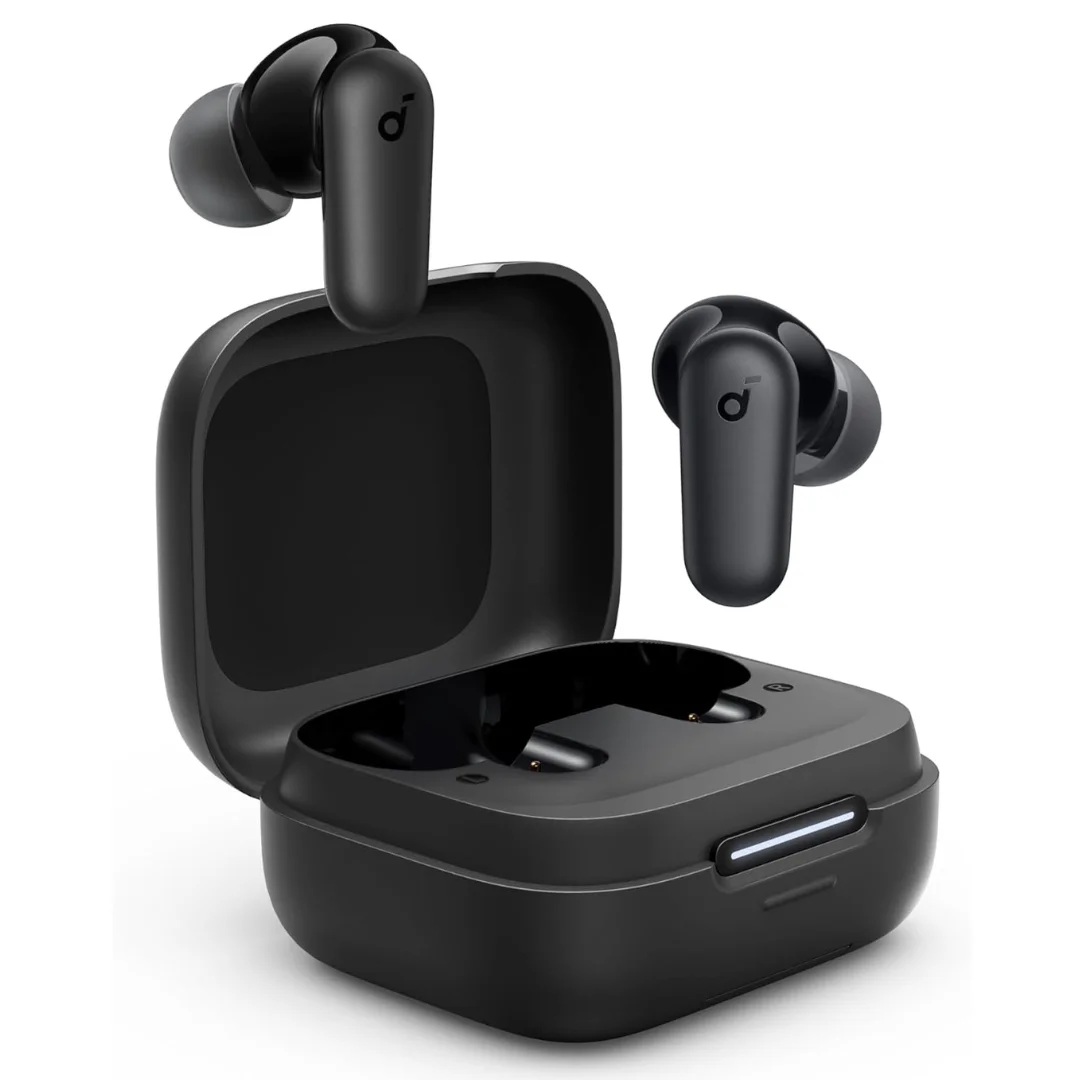
You need: ANC + ENC together. ANC to isolate yourself from people chatting and noise while studying, and ENC so you can answer phone calls without removing the earbuds and be heard clearly. A budget example: the Soundcore R50i NC at EGP 1,199, with hybrid ANC per Soundcore.
You do not need any of these
If you only use earbuds at home or in quiet environments — save your money and buy earbuds without ANC. The Soundcore P20i, for example, has no ANC and lists 10 hours per charge and 30 hours with the case, at EGP 699.
Common Misconceptions About ANC and ENC
- ❌ "ANC blocks all sounds completely": Wrong. ANC reduces low, constant sounds very effectively. But sharp, sudden sounds (car horns, screams) still come through more clearly. No earbuds block every sound completely.
- ❌ "ENC and ANC are the same thing": The biggest misconception. ANC protects you from noise. ENC protects the person listening to you from noise. Two completely different directions. An earbud can have excellent ANC but weak ENC — and vice versa.
- ❌ "Transparency Mode is not important": In Egypt specifically — where streets are chaotic and car horns are a way of life — Transparency Mode makes a real difference to your personal safety. Walking through downtown Cairo streets with ANC on and no Transparency is genuinely putting yourself at risk.
- ❌ "ANC damages hearing": The opposite is true. ANC helps you avoid cranking the volume — instead of raising the music a lot to drown out the metro, with ANC you listen at a lower volume. Long exposure to loud sound is what damages hearing, so ANC helps you avoid it.
- ❌ "ANC drains the battery massively": ANC shortens playback somewhat, and the gap differs from model to model — manufacturers publish playback times with and without ANC, so check them on each earbud's page. The charging case covers the difference on most days.
For deeper model comparisons, read our Best Bluetooth Earbuds in Egypt 2026 Guide or the Complete Soundcore Earbuds Guide. And if your earbuds keep disconnecting — that is a Bluetooth issue, not ANC — read our Bluetooth disconnection troubleshooting guide.
✅ Original ANC Earbuds with Warranty — on CairoVolt
All Soundcore earbuds on CairoVolt come with CairoVolt's written store warranty (duration shown on each product page), and delivery commonly takes 1–6 business days depending on governorate (Cairo/Giza 1–2), with WhatsApp support. From budget ANC to flagship — we have the right choice for every budget.

CairoVolt Editorial Team
Content team reviewing specifications and buying guides
The CairoVolt team reviews model numbers, specifications, and compatibility, and updates information when better data is available. Estimates are labeled as calculations, and readers can report information that needs correction.
Frequently Asked Questions
Can I use ANC and Transparency Mode at the same time?▼
Does ENC affect or improve my voice quality on calls?▼
Does ANC drain the battery much faster?▼
Which budget earbuds have real ANC?▼
Ready to Buy?
Browse available products and review specifications and CairoVolt warranty terms before ordering
Related products
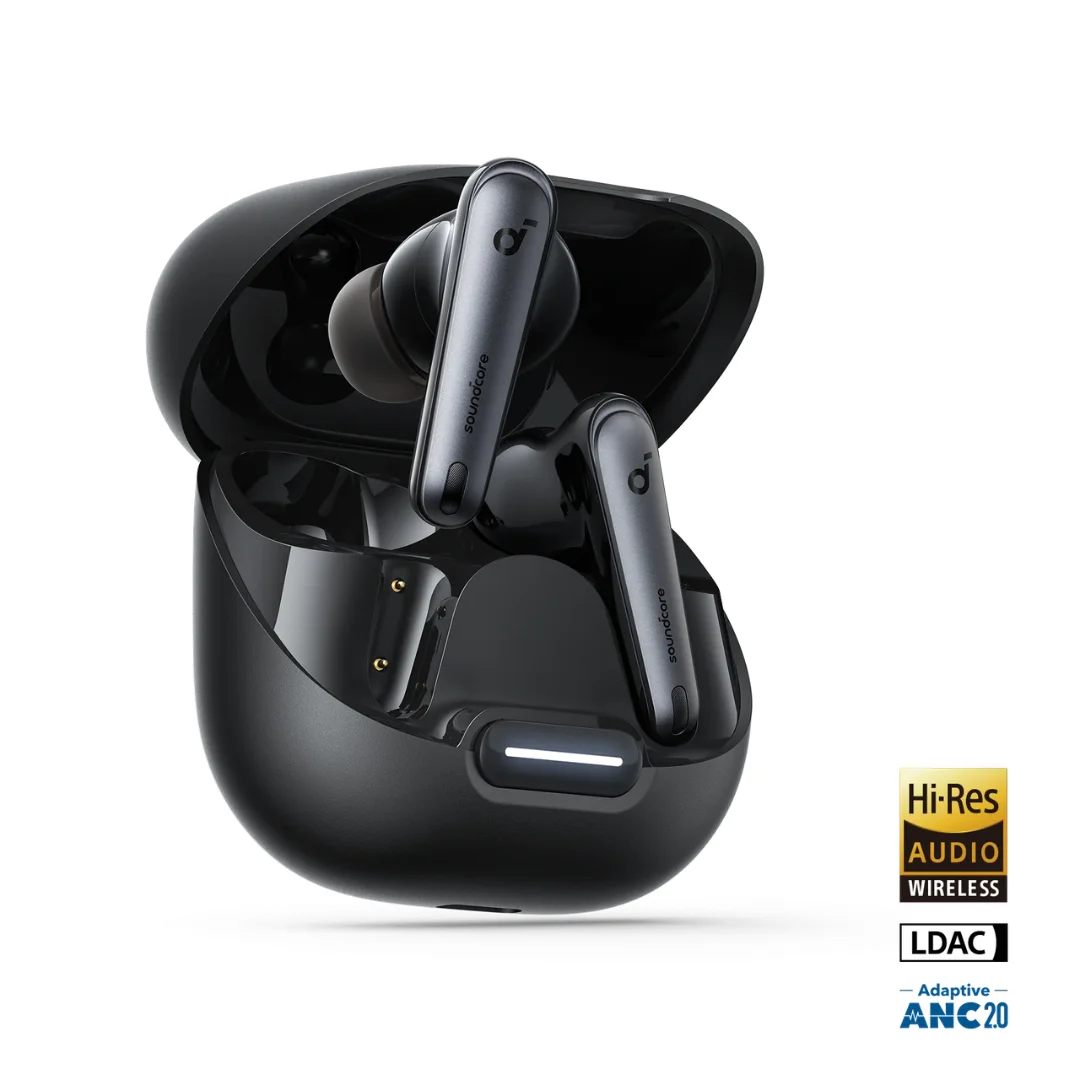
Soundcore Liberty 4 NC | Manufacturer-Listed Adaptive ANC | 11mm | LDAC | Up to 50h
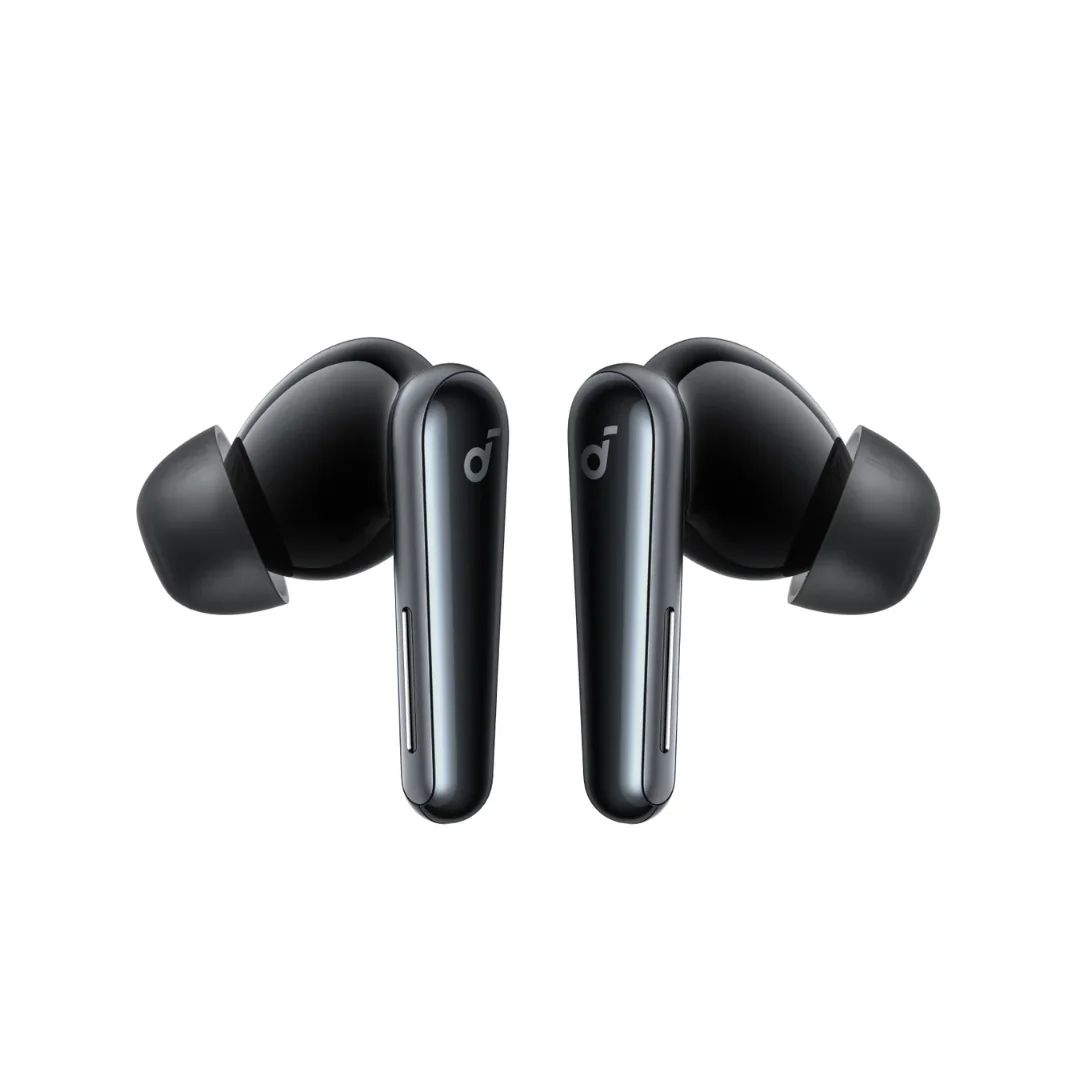
Soundcore Liberty 5 | 9.2mm Wool-Paper Driver | Adaptive ANC 3.0 | IP55 | LDAC | Up to 48h
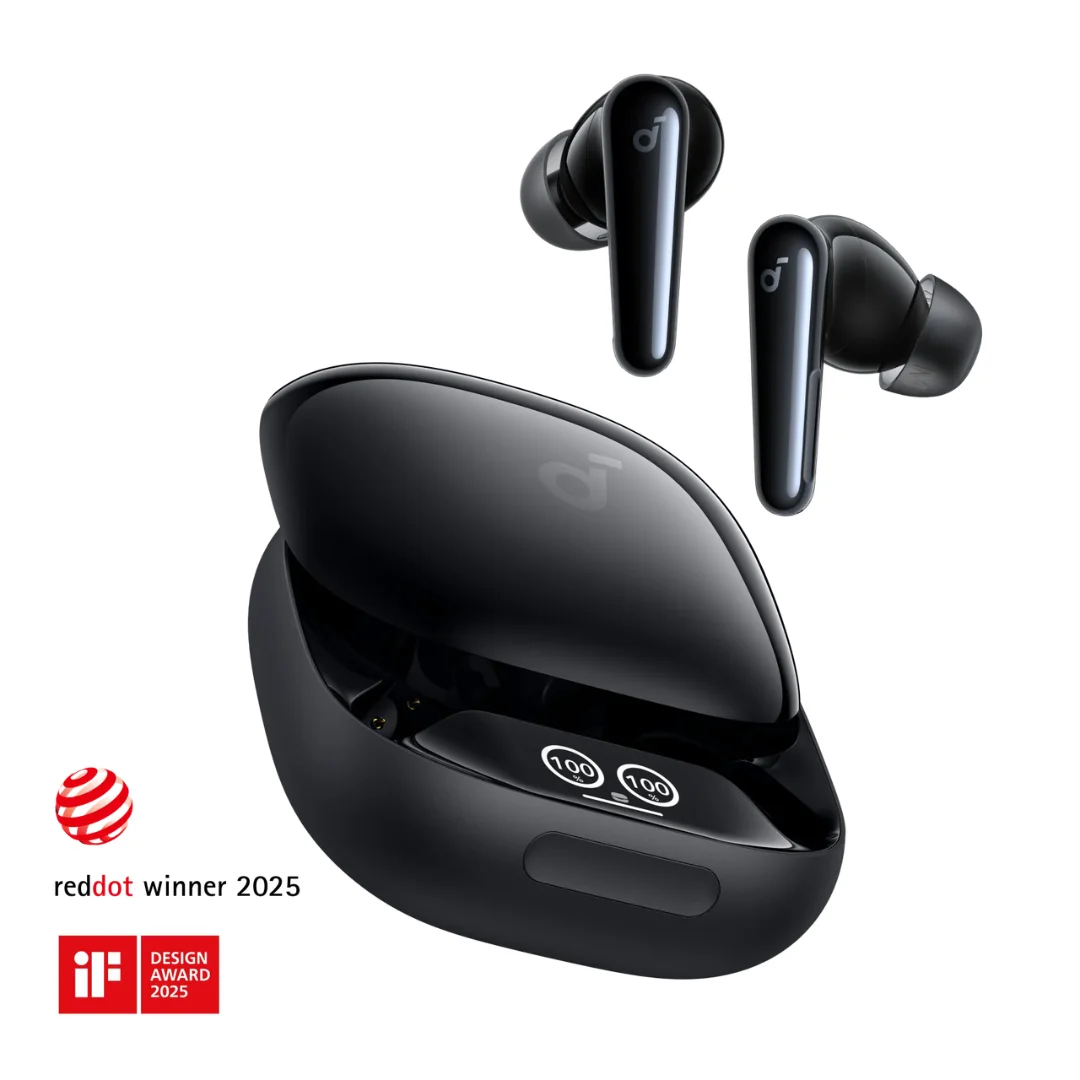
Soundcore Liberty 4 Pro | ACAA Dual Driver | Adaptive ANC 3.0 | Smart Case | LDAC | 40h
Soundcore R50i NC A3959 Earbuds | Manufacturer-Listed ANC and Battery | Phone-Stand Case
Soundcore A30i | 46dB Smart ANC | 6mm | 24h Battery | Lipstick Case | BT 5.4