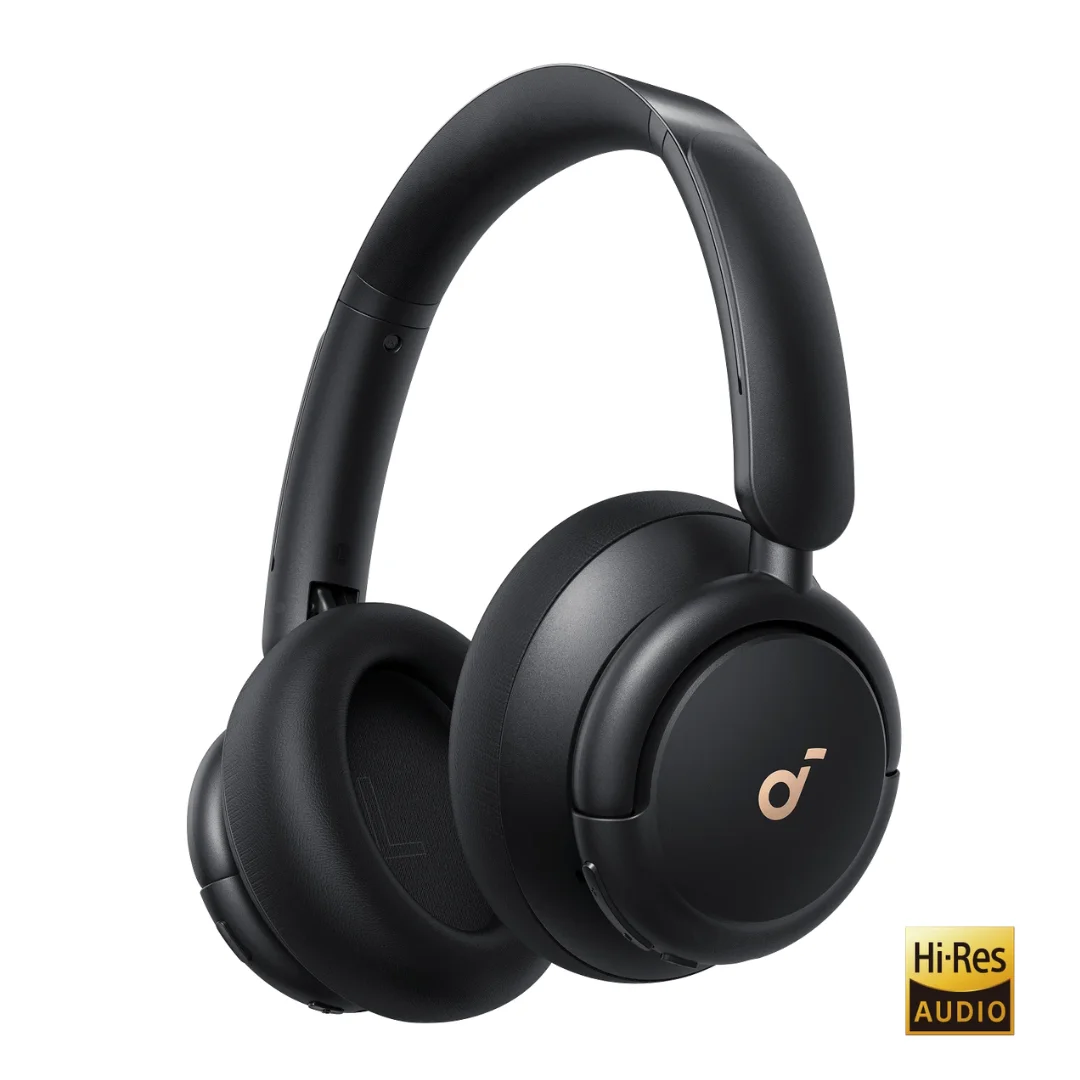

On-Ear vs Over-Ear vs In-Ear — Which Headphone Type Suits Your Long Work Hours?
Comprehensive comparison of On-Ear, Over-Ear, and In-Ear headphones — comfort, isolation, and sound quality. Guide to choosing the right type for long work hours.
Quick Take: Over-Ear are the most comfortable for long hours because they surround the ear rather than pressing on it — but they are larger and hotter in summer. In-Ear are the smallest and lightest with excellent isolation — but may cause ear fatigue after 3-4 hours. On-Ear split the difference — lighter than Over-Ear but press on the ear cartilage. For 6+ hour desk work: Over-Ear. For commuting: In-Ear.
It is 9 AM. You are at your desk, headphones on, first meeting of the day starting. By noon — your ears are burning. By 3 PM — your head feels like it is in a vice. By 6 PM — you rip off the headphones and your ears feel like they were pressed against a hot iron. And you wonder: "Did I buy the wrong type, or are all headphones like this?"
The answer: yes, you probably bought the wrong type — not because the headphones are bad, but because not every headphone type suits every use case. The headphones that are perfect for the gym can be a disaster for 8 hours at a desk. And the headphones that are supremely comfortable in winter can become an oven in an Egyptian summer.
In this article, we will explain the real differences between the three types (On-Ear, Over-Ear, and In-Ear) from an engineering perspective — not a marketing one. We will cover the physics behind each design, why some headphones are comfortable and others are not, and the best choice for you based on your daily usage hours, work style, and Egypt's climate.
💡 Quick Answer: Over-Ear are the most comfortable for long hours because they surround the ear rather than pressing on it — but they are larger and hotter in summer. In-Ear are the smallest and lightest with excellent isolation — but may cause ear fatigue after 3-4 hours. On-Ear split the difference — lighter than Over-Ear but press on the ear cartilage. For 6+ hour desk work: Over-Ear. For commuting: In-Ear.
The Three Types — Design and Physics Differences
Over-Ear (Circumaural)
The headphones surround the entire ear — the ear pad circles around the ear and rests on the skull, not on the ear cartilage. This means pressure is distributed over a larger area (the bone around the ear) rather than on the ear itself. This makes them the most comfortable type for extended wear — but they are larger, heavier (250-350 grams), and trap heat around the ears because the pads seal in air.
Pros: Highest comfort for extended periods, best natural passive isolation, larger driver space (40-50mm) means richer sound and deeper Bass, stronger ANC due to better seal around the ear.
Cons: Large form factor impractical for commuting, hot in Egyptian summer (especially with synthetic leather pads), heavier weight on the head.
On-Ear (Supra-aural)
The headphones sit directly on the ear cartilage — the pads are smaller than Over-Ear and press on the ear instead of surrounding it. This design is smaller and lighter (150-200 grams) but the pressure on the cartilage causes pain after 1-2 hours for many people. Passive isolation is weaker because there is no complete seal around the ear.
Pros: Lighter and smaller than Over-Ear, easier to carry and fold, less heat buildup since pads do not fully enclose the ear, typically lower price.
Cons: Pressure on ear cartilage causes pain over time, weak passive isolation (sound leaks in and out), weaker ANC than Over-Ear.
In-Ear (Earbuds / IEMs)
The earphones insert directly into the ear canal — creating a seal from the inside using ear tips (silicone or foam). They are dramatically smaller (5-8 grams per earpiece) with zero pressure on the head or outer ear. Passive isolation is excellent thanks to the direct seal. However, they apply pressure to the inner ear canal — causing "listener fatigue" after 3-4 continuous hours.
Pros: Dramatically smaller and lighter, excellent for commuting and sports, strong passive isolation, longer battery life (smaller size equals lower consumption).
Cons: Inner ear canal pressure over time, smaller driver space (6-11mm) means naturally less Bass, some people are sensitive to silicone or foam tips.
Complete Comparison Chart — 10 Criteria
| Criterion | Over-Ear | On-Ear | In-Ear |
|---|---|---|---|
| Comfort (6+ hours) | ⭐⭐⭐⭐⭐ | ⭐⭐⭐ | ⭐⭐⭐ |
| Comfort in heat | ⭐⭐ | ⭐⭐⭐⭐ | ⭐⭐⭐⭐⭐ |
| Sound quality | ⭐⭐⭐⭐⭐ | ⭐⭐⭐⭐ | ⭐⭐⭐⭐ |
| Noise isolation (ANC) | ⭐⭐⭐⭐⭐ | ⭐⭐⭐ | ⭐⭐⭐⭐ |
| Portability | ⭐⭐ | ⭐⭐⭐⭐ | ⭐⭐⭐⭐⭐ |
| Deep Bass | ⭐⭐⭐⭐⭐ | ⭐⭐⭐⭐ | ⭐⭐⭐ |
| Battery life | 40-60 hours | 30-40 hours | 6-10 hours (+case) |
| Weight | 250-350g | 150-200g | 5-8g per earpiece |
| For sports | Not suitable | Not suitable | Excellent |
| For calls | Excellent | Good | Excellent (with ENC) |
The Heat Factor — The Elephant in the Room Nobody Talks About
In Egypt specifically — and this is a crucial point that foreign reviews never mention — the heat factor changes every calculation. In Europe or the US, Over-Ear headphones are always the ideal choice. But in an Egyptian summer (35-42°C), the story is very different.
Over-Ear headphones with synthetic leather pads (PU leather) create a miniature oven around your ears — the leather does not breathe, sweat accumulates, and your ears become uncomfortably hot within 30-45 minutes. The solution: look for mesh or fabric pads, or protein leather with ventilation channels — these reduce heat by 40-50% compared to solid synthetic leather. The Soundcore Space One, for example, features soft protein leather pads with excellent breathability — significantly better for Egypt's climate than traditional leather pads.
In-Ear headphones simply do not have this heat problem — there is no pad covering your ear. This makes them the smarter choice in summer or when walking outdoors.
The Comfort Factor — The Difference Between One Hour and Six Hours
Most reviews say "comfortable" or "uncomfortable" — but no headphone in the world is comfortable or uncomfortable in absolute terms. Comfort changes over time:
- ⏱️ First hour: All three types are comfortable — you will not notice a significant difference. This is why 15-minute store demos are meaningless.
- ⏱️ 2-3 hours: On-Ear start to annoy — pressure on the ear cartilage causes cumulative pain. In-Ear may begin creating pressure in the ear canal. Over-Ear remain comfortable.
- ⏱️ 4-6 hours: Over-Ear may start heating your ears (especially in summer). In-Ear cause "listener fatigue" — a sense of pressure and desire to remove them. On-Ear become painful for most people.
- ⏱️ 6+ hours: Over-Ear with quality pads are the only type most people can tolerate — provided you take a 10-minute break every 2 hours. Most people cannot sustain In-Ear or On-Ear beyond this point.
The golden rule: Regardless of headphone type — take a 10-minute break every 2 hours. Remove the headphones, let your ears breathe, move your jaw. This prevents cumulative pain and protects your hearing long-term.
Sound Quality — Why Over-Ear Always Wins
From an engineering perspective, driver size matters — and not by a small margin. Over-Ear headphones contain 40-50mm drivers — meaning significantly larger vibration area and the ability to produce deeper, more natural low frequencies (Bass). In-Ear earphones contain 6-11mm drivers — approximately 5 times smaller.
But this does not mean In-Ear sound bad — quite the opposite, technology has advanced dramatically. Modern In-Ear monitors use balanced armature drivers or miniature planar magnetic drivers that deliver stunning detail in mid and high frequencies. But in low frequencies (Bass below 60Hz) — physics wins: the larger driver produces deeper, more natural sound.
Practically speaking: if you listen to Bass-heavy music (hip hop, electronic, Egyptian shaabi) — Over-Ear will give you a better experience. If you primarily listen to podcasts, classical music, or pop — quality In-Ear earphones will deliver everything you need.
Which Type Do You Need? A Selection Guide by Use Case
Desk work 6+ hours daily (developer / designer / call center)
Choose: Over-Ear with ANC. Comfort for long hours is the top priority. Strong isolation helps you focus in open office spaces. Battery lasting 40-60 hours means weekly charging. Recommendation: Soundcore Space One — strong ANC, supremely comfortable pads, 40-hour battery with ANC, and beautifully balanced sound for work. Or the Soundcore Q45 — 50-hour battery with LDAC for Hi-Res audio.
Frequent commuting (transit / travel / walking)
Choose: In-Ear with ANC. Pocket-sized, no heat issues, and excellent isolation on metro and microbuses. Recommendation: Soundcore Liberty 4 NC — excellent Hybrid ANC, compact size, and BT 5.3. Or the Soundcore Liberty 5 — latest model with BT 5.4 and natural Transparency Mode.
Budget-conscious and want the best value
Choose: Budget Over-Ear. Soundcore Q20i — the most affordable Over-Ear headphones with real ANC available in Egypt. 60-hour battery without ANC (40 with ANC), balanced sound, and lightweight build. The best value-for-money in its class.
Sports and gym use
Choose: In-Ear exclusively. Over-Ear and On-Ear cannot stay secure during intense movement, accumulate sweat, and are not designed for athletic activities. In-Ear with proper ear tips and IPX4+ rating are the only sensible option.
Gaming
Choose: Over-Ear. Gaming requires strong spatial audio to pinpoint sound direction — this needs large drivers and a complete seal around the ears. Long-session comfort is also crucial. Over-Ear wins without contest.
Engineer's Tip — The Ideal Solution: Buy Both
If your budget allows — the smartest move is not buying one expensive headphone, but buying an Over-Ear + In-Ear pair:
- 🏢 Office / Home: Over-Ear — comfort, isolation, cinematic sound
- 🚇 Commuting / Street: In-Ear — small, isolated, portable
- 🏋️ Gym: In-Ear — the only suitable option
- ☀️ Summer: In-Ear — instead of suffering from Over-Ear heat
Q20i (budget Over-Ear) + Liberty 4 NC (mid-range In-Ear) — this combo covers 100% of your needs for less than the cost of a single flagship Over-Ear. This is exactly what we recommend for most people.
To learn the difference between ANC, ENC, and Transparency Mode — read our comprehensive comparison guide. For the best In-Ear options available — check our Best Bluetooth Earbuds in Egypt 2026 Guide. For a complete model overview — read the Complete Soundcore Guide.
✅ Original Over-Ear & In-Ear Headphones with Warranty — on CairoVolt
From Soundcore headphones — Over-Ear for the office and In-Ear for commuting — all original and covered by CairoVolt's written store warranty (duration shown on each product page) + delivery across all Egyptian governorates + WhatsApp support 24/7. Choose the type that fits your use case and we will deliver it to your door.

CairoVolt Editorial Team
Content team reviewing specifications and buying guides
The CairoVolt team reviews model numbers, specifications, and compatibility, and updates information when better data is available. Estimates are labeled as calculations, and readers can report information that needs correction.
Frequently Asked Questions
Are Over-Ear or In-Ear better for long calls?▼
Do On-Ear headphones wear out faster than Over-Ear?▼
What are the best ear tips for long-term In-Ear comfort?▼
Can I use Over-Ear headphones at the gym?▼
Ready to Buy?
Browse available products and review specifications and CairoVolt warranty terms before ordering
Related products
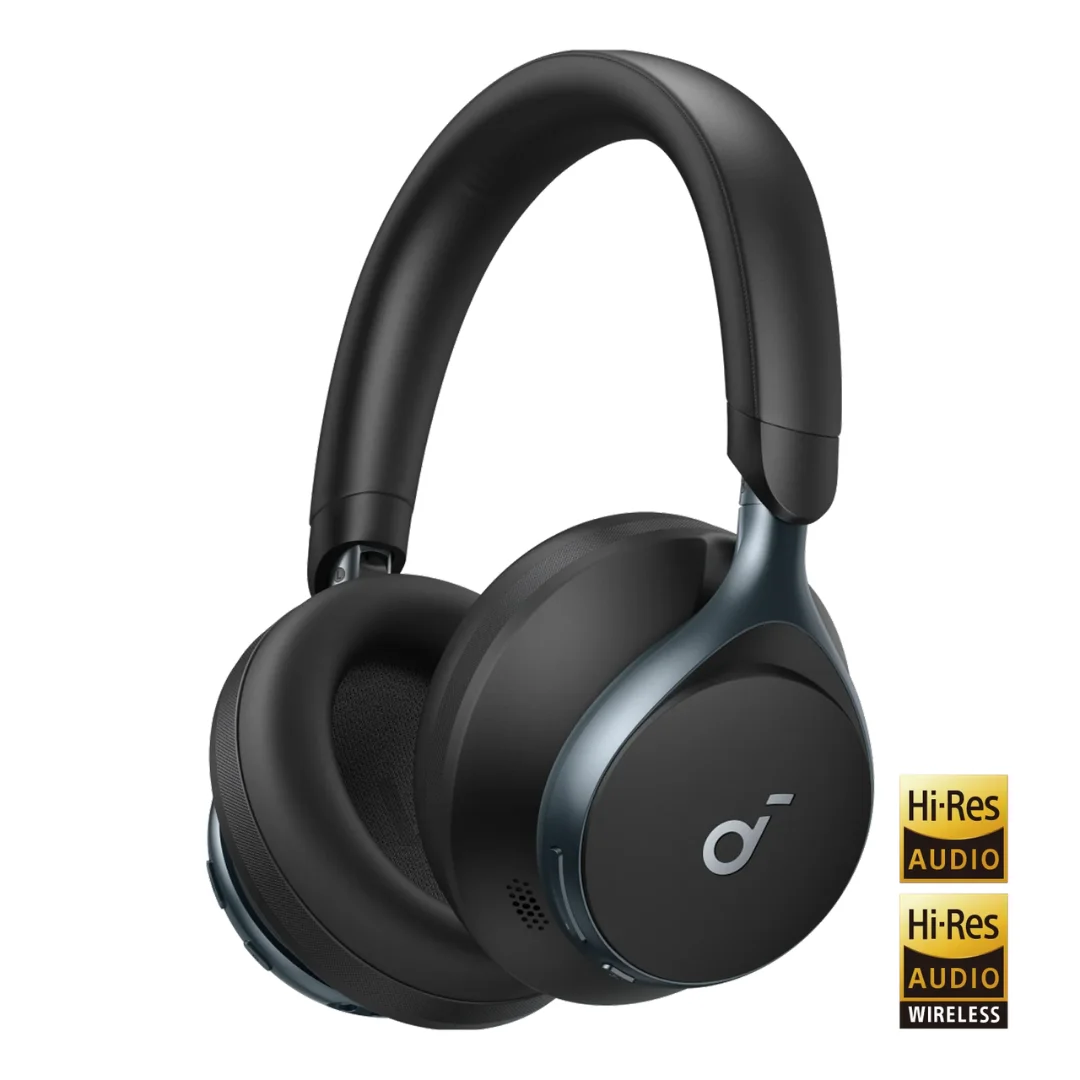
Soundcore Space One | Adaptive ANC | 40mm Driver | LDAC | 40h ANC / 55h Off | Foldable
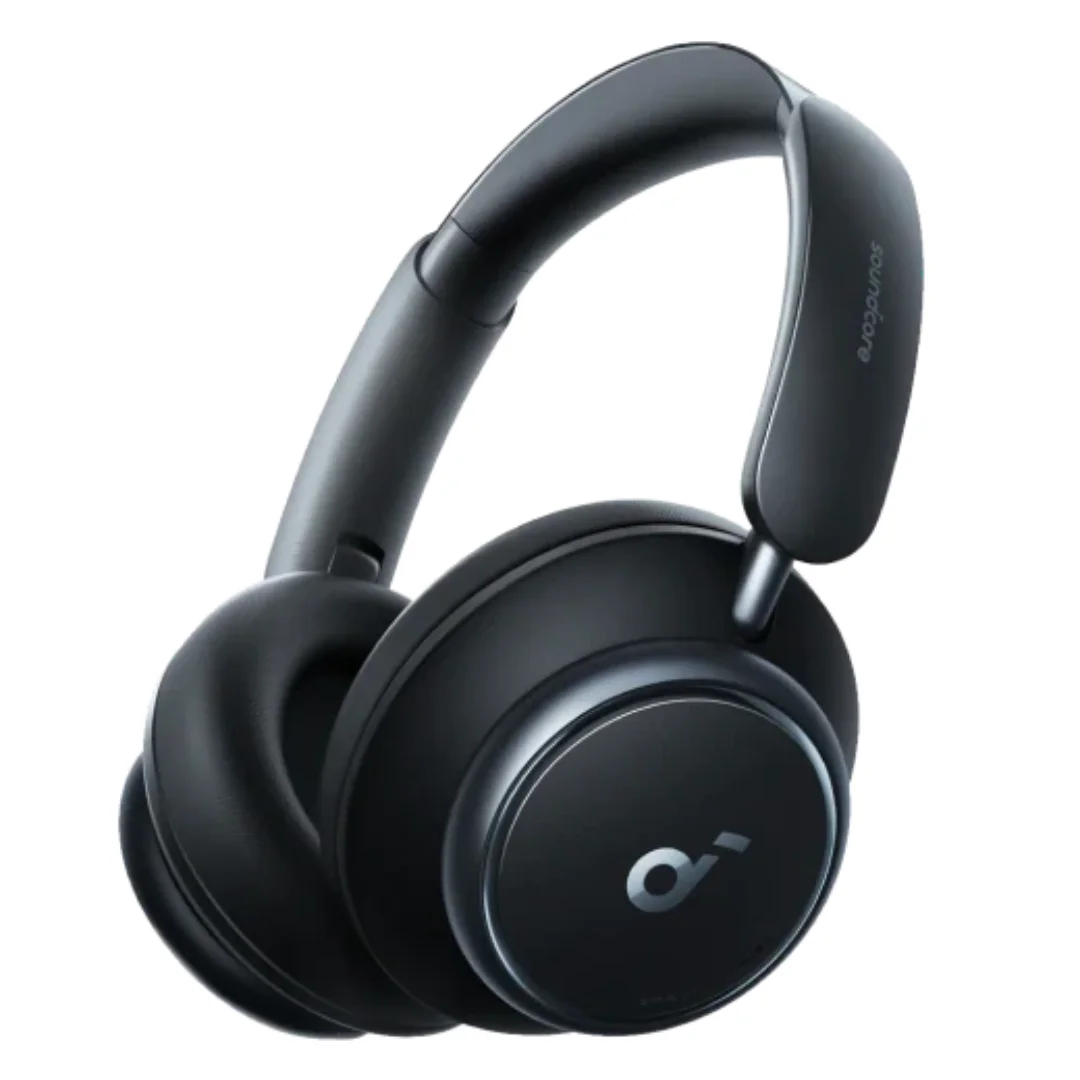
Soundcore Space Q45 | Adaptive ANC | 40mm Drivers | LDAC | Long Battery Life
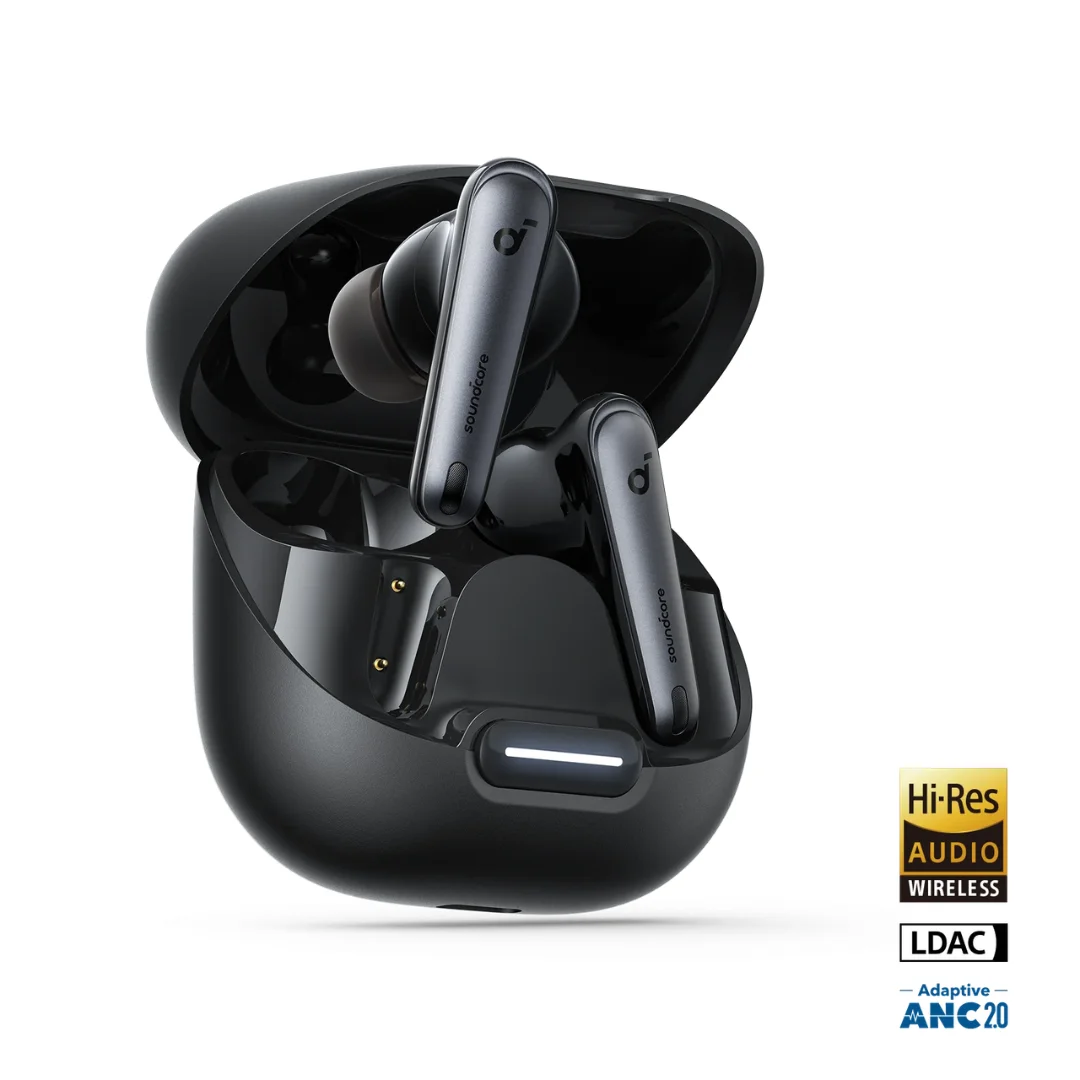
Soundcore Liberty 4 NC | Manufacturer-Listed Adaptive ANC | 11mm | LDAC | Up to 50h
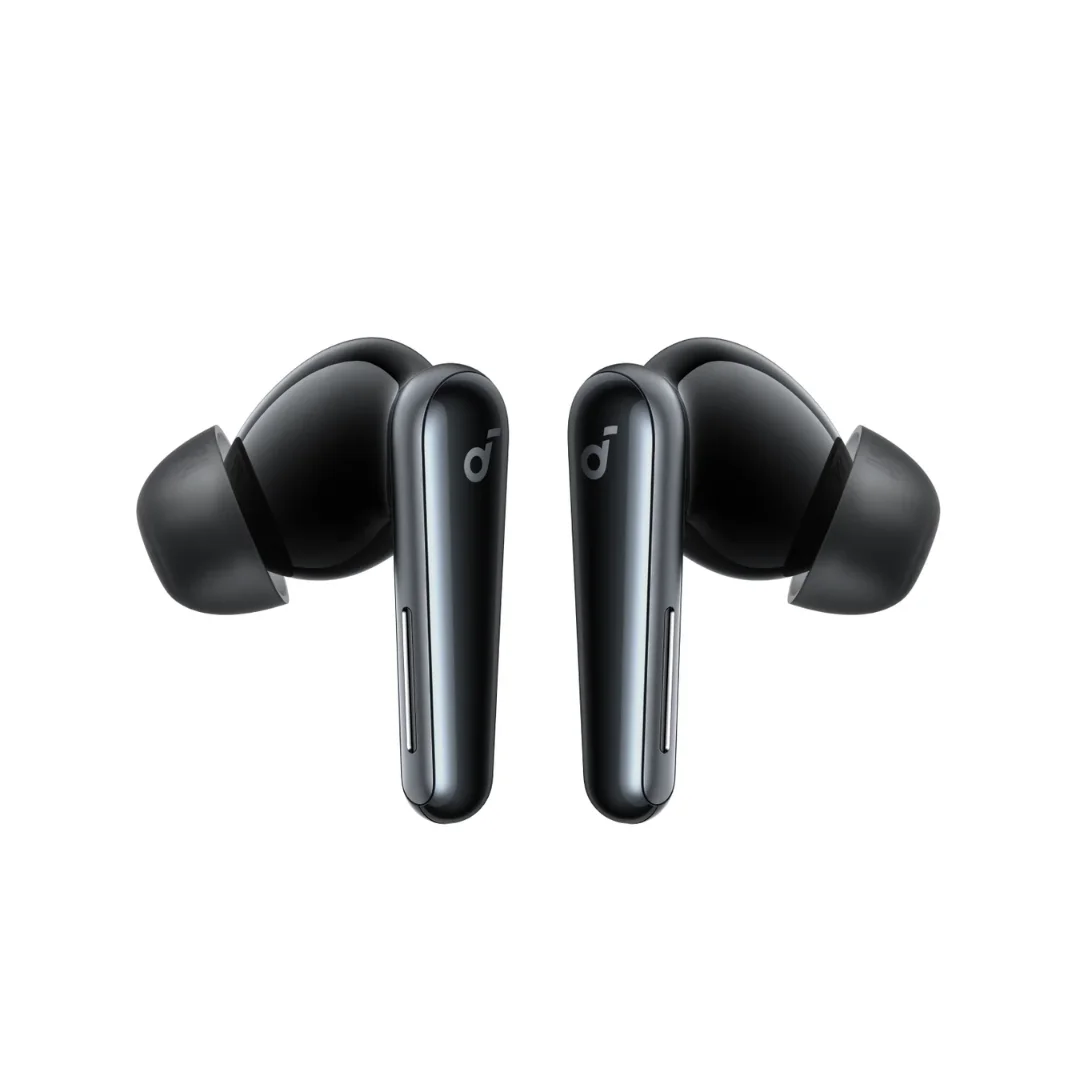
Soundcore Liberty 5 | 9.2mm Wool-Paper Driver | Adaptive ANC 3.0 | IP55 | LDAC | Up to 48h
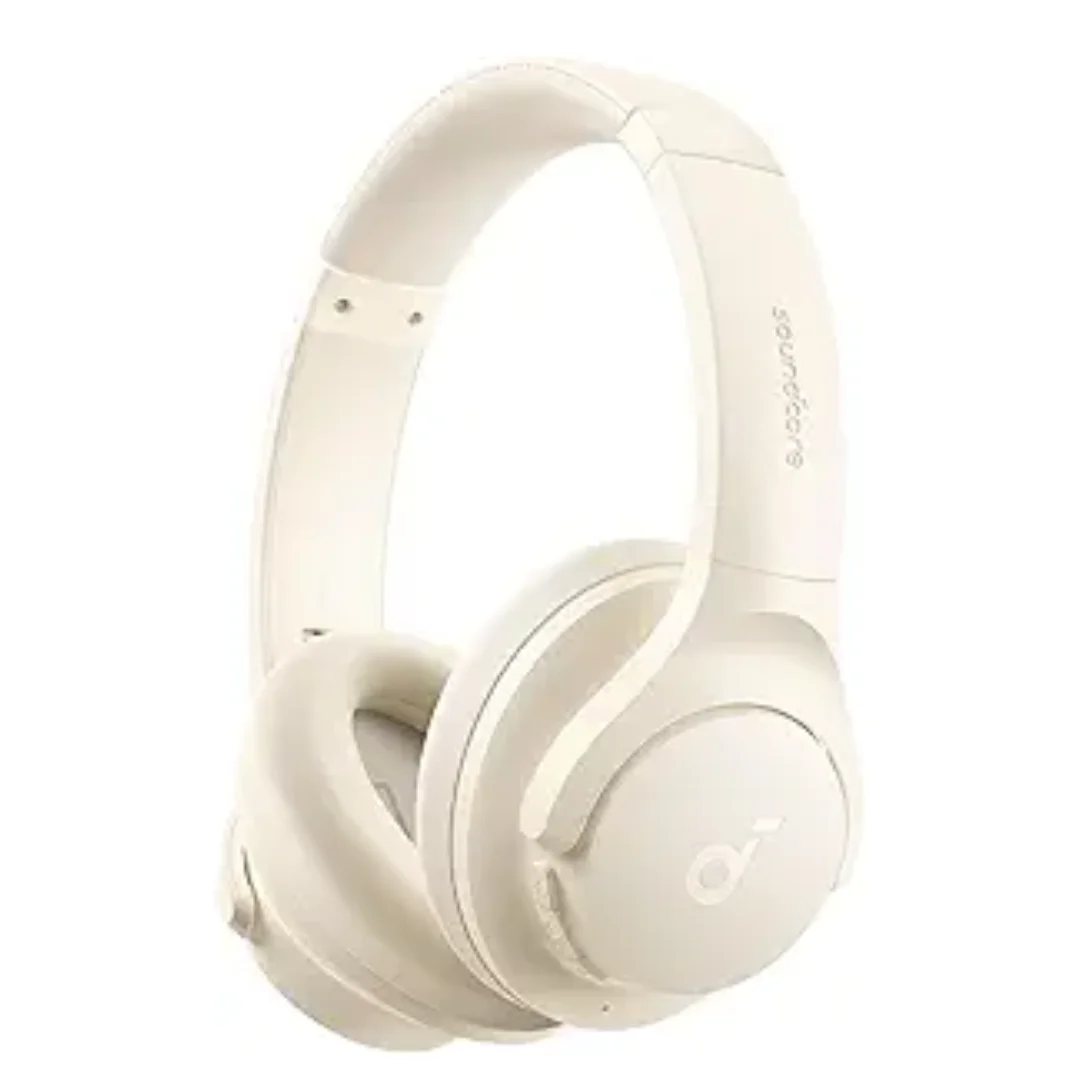
Soundcore Q20i | Hybrid ANC | 40mm Driver | Multipoint | Wired Input