
Security Camera Backup Power During Outages — Prevent Lost Footage
Security cameras stop working exactly when you need them most — during power outages. A practical guide with exact calculations for choosing the right backup power system.
In short: You need at least about 180Wh to run 4 cameras (5W each) plus a DVR (25W) for 4 hours (45W × 4). Our pick: the Anker 521 PowerHouse (256Wh) at 11,000 EGP — about 5 hours (est.: 256 × 0.85 ÷ 45). Budget option: an Anker PowerCore 20000 plus a USB-to-12V DC converter runs one 8W camera for about 6.5 hours (est. from our 61.4Wh bench measurement).
It's 2 AM. The power goes out — just like it does every Egyptian summer. The whole neighborhood is dark. And at exactly that moment — when security matters most — your surveillance cameras stop. The DVR shuts down. The screen goes black. Recording stops. If a theft or incident happens in those minutes, there's no evidence. It's a common scenario: someone installs 8 cameras costing 15,000 EGP without any backup power. The first time power cut on a summer night, a motorcycle could be stolen from in front of the house without the cameras recording a single second. A motorcycle worth 45,000 EGP — and could have been protected by a backup system costing just 2,000 EGP.
Power outages in Egypt — especially in summer — have become a daily reality in many areas. Unfortunately, the moments when power cuts happen are exactly when surveillance cameras matter most: at night, during extreme heat when people sleep outdoors or leave doors open. In this article, we'll calculate exactly how many watts your surveillance system consumes, what solutions are available (from a power bank at 1,270 EGP to a power station at 11,000 EGP), and installation tips so the system switches automatically the moment power cuts without you doing anything.
💡 Quick Answer: You need at least about 180Wh for 4 cameras + a DVR for 4 hours. The Anker 521 PowerHouse (256Wh — 11,000 EGP) runs them for about 5 hours (est.: 256 × 0.85 ÷ 45). Budget option: the Anker PowerCore 20,000mAh (72Wh — 1,550 EGP) + a 12V DC converter runs one 8W camera for about 6.5 hours (est. from our 61.4Wh measurement × 0.85 ÷ 8).
How Many Watts Does Your Surveillance System Use? — Exact Calculations
Before buying any backup solution, you need to know exactly how many watts your system consumes. These are real-world averages from published measurements of the most popular security camera types in Egypt:
| Component | Typical Consumption | Notes |
|---|---|---|
| Indoor IP Camera (no IR) | 3-5W | Lowest consumption — suitable for homes |
| Outdoor IP Camera (with IR night vision) | 7-12W | IR LEDs increase consumption 50-100% at night |
| PTZ Camera (motorized) | 15-30W | Motor draws more during movement |
| DVR/NVR (4-channel) | 15-25W | With hard drive, consumption increases |
| DVR/NVR (8-channel) | 25-40W | Dual drives add 5-8W |
| Internet Router (for WiFi cameras) | 6-12W | Essential for WiFi or cloud cameras |
| Battery-Powered WiFi Camera | 0W (self-powered) | Runs on internal battery — but needs router |
Practical Example: 4 Outdoor Cameras + DVR System
This is the most common surveillance setup in Egyptian homes and shops:
- 📹 4 outdoor IP cameras with IR = 4 × 8W = 32W
- 💾 4-channel DVR with hard drive = 20W
- 📊 Total = 52W
To run this system for 4 hours: 52W × 4h = 208Wh. For 8 hours (full night): 52W × 8h = 416Wh.
3 Solutions to Keep Cameras Running During Outages — From Cheapest to Best
Solution 1: Power Bank + DC Converter — Cheapest
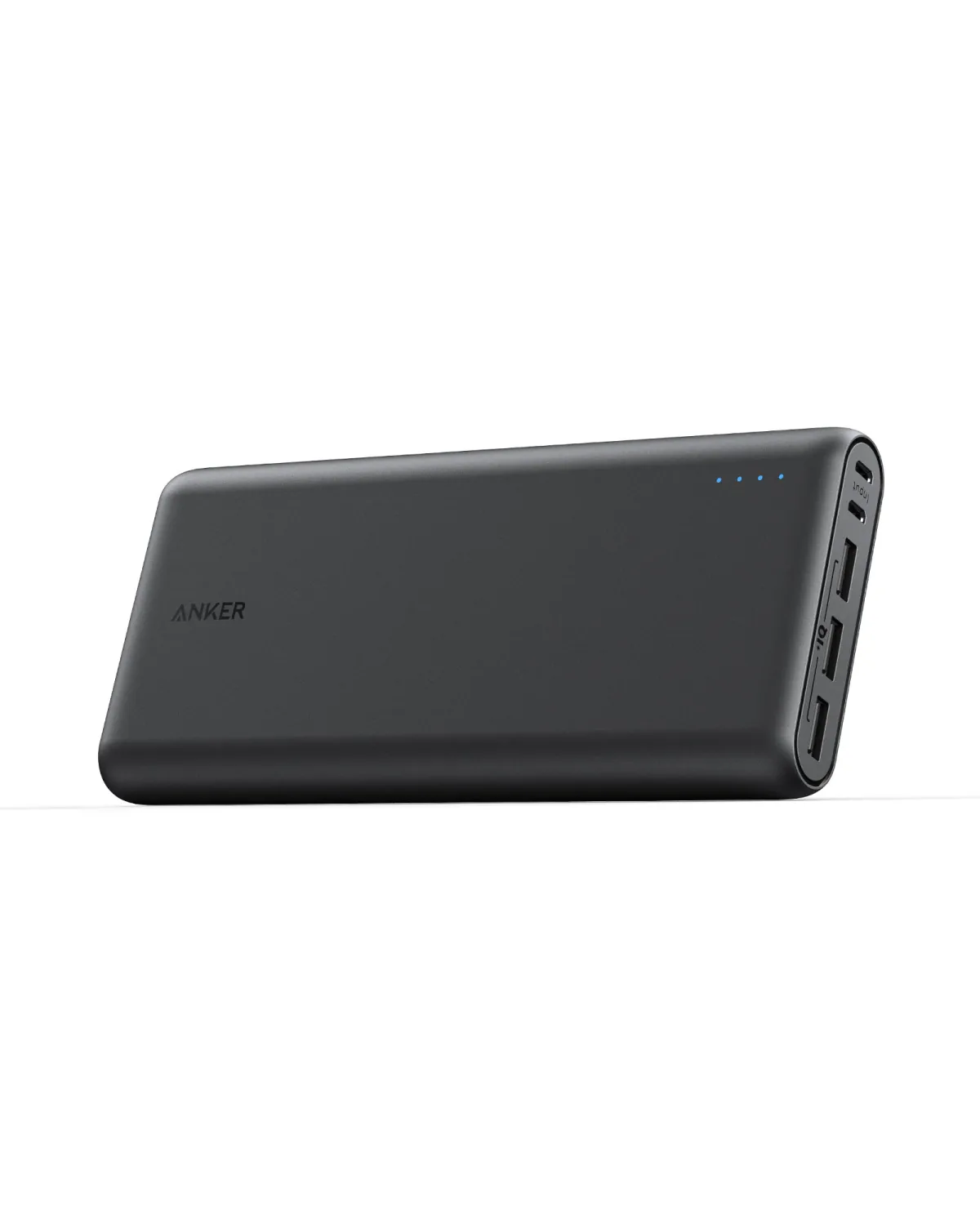
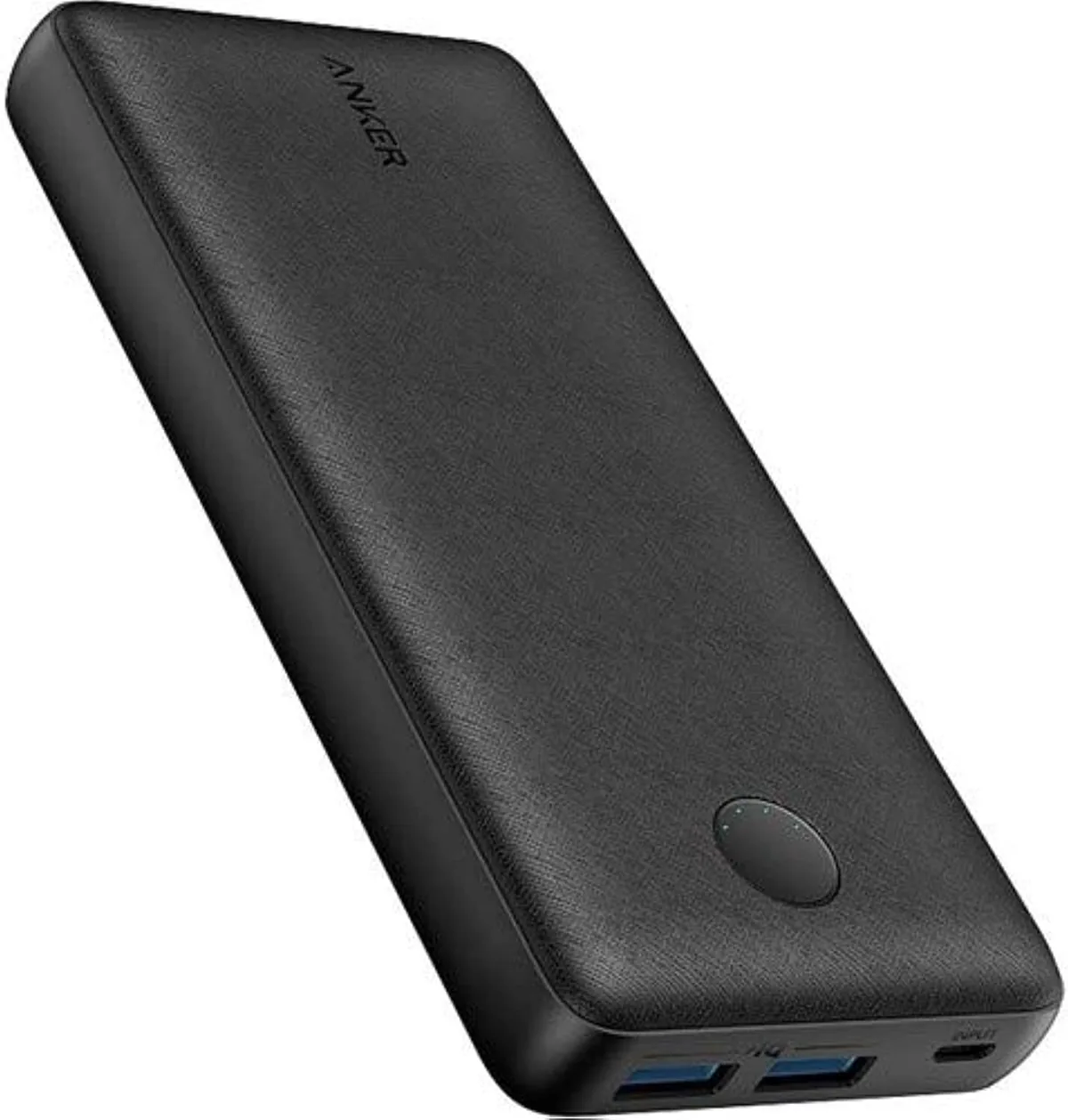
If you have WiFi cameras (no DVR) or want to protect just 1-2 cameras: Anker PowerCore 20,000mAh (72Wh, 1,550 EGP) with a USB to 12V DC converter (available on Amazon for 50-100 EGP) runs a single IP camera (8W) for about 6.5 hours (est.: 61.4Wh measured × 0.85 ÷ 8W). The converter transforms the 5V USB output to the 12V DC the camera needs. Limitation: doesn't power a DVR — recording must be cloud-based or on the camera's SD card.
If you want to run one camera + the router (to keep cloud recording active): Anker ZOLO 20,000mAh (74Wh) covers a camera (8W) + router (10W) = 18W for about 3 hours (est.: 62.0Wh measured × 0.85 ÷ 18W). Sufficient for a typical power outage.
Solution 2: Dedicated UPS for Surveillance — Mid-Range (1,200-2,500 EGP)
The UPS (Uninterruptible Power Supply) is the traditional solution and the most popular option at surveillance equipment shops in Egypt. A 600VA UPS (roughly 360W of output power — not a capacity in Wh) runs 4 cameras + DVR for a time set by its internal battery's Wh rating, so check that before buying. The key advantage: automatic switchover in less than 10 milliseconds — the cameras don't even notice the power cut. Zero recording gap. Cost: 1,200-2,500 EGP depending on capacity and brand.
However, there are problems with traditional UPS systems in Egypt you should know about:
- ⚠️ Batteries degrade fast in heat: UPS batteries (Lead-Acid) are very sensitive to temperature. In Egyptian summer (40°C+), their lifespan drops from 3 years to 1.5 years. Battery replacement costs 300-600 EGP.
- ⚠️ Egyptian voltage fluctuations: Budget UPS units (Line-Interactive) may not handle the severe voltage swings common in Egyptian summers (160-260V). You need a UPS with built-in AVR (Automatic Voltage Regulation).
- ⚠️ Size and weight: A 600VA UPS weighs 6-10 kg and takes up significant space. Needs a ventilated spot next to the DVR.
🔬 CairoVolt Pro Tip
If buying a UPS for surveillance cameras, choose a model with built-in AVR (Automatic Voltage Regulation) and replaceable batteries. Place it in a ventilated area away from direct sun and heat. Test it every 3 months: disconnect mains power and check how long the cameras stay running. If less than 1 hour — the battery needs replacement.
Solution 3: Portable Power Station — Most Complete (11,000 EGP)
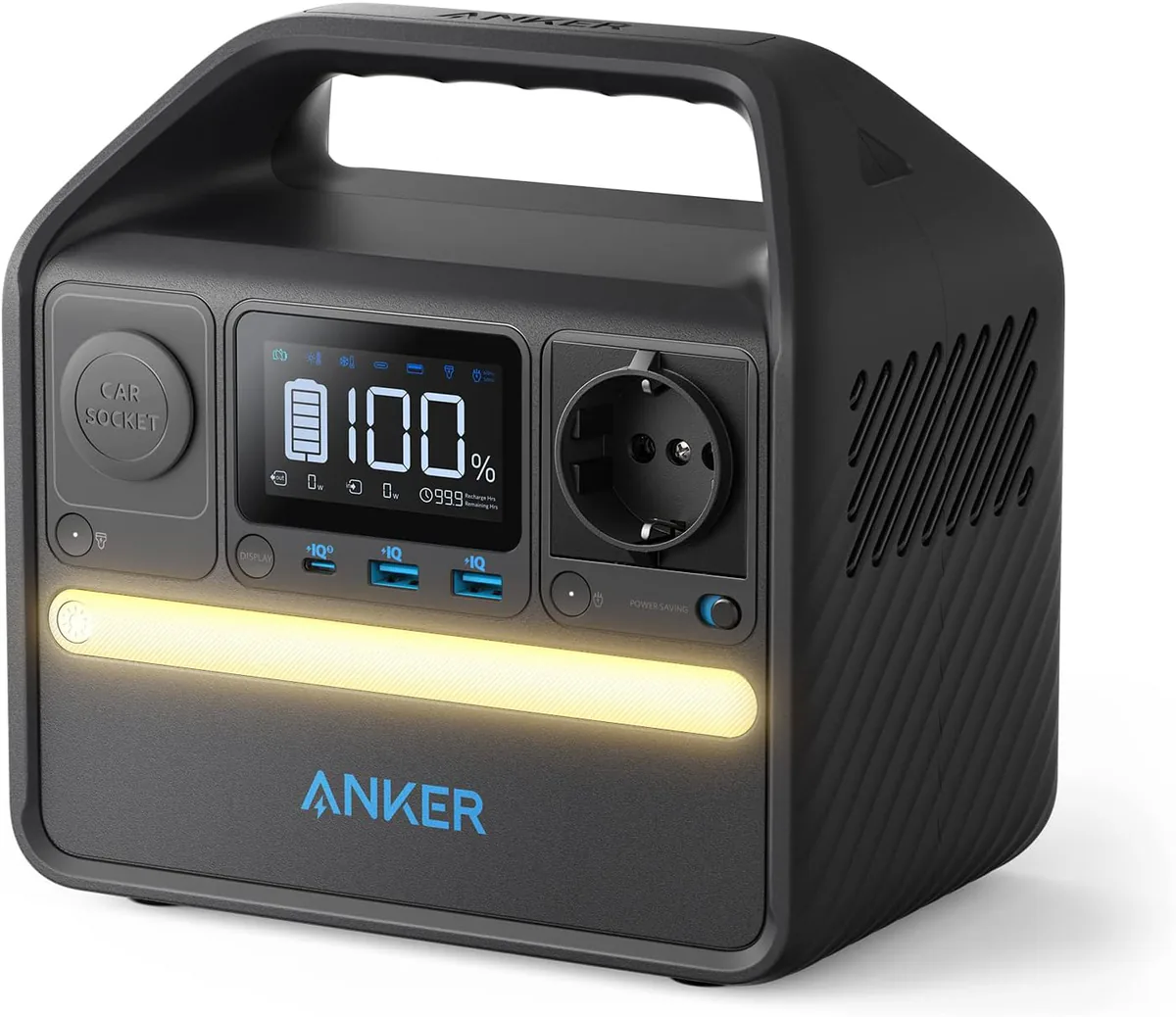
The Anker 521 PowerHouse — this is the solution we recommend for anyone serious about protecting their surveillance system. Here's why:
- 🔋 256Wh Capacity (LiFePO4 Chemistry): Runs 4 cameras + DVR (52W) for 4.5-5 hours. If you reduce to 2 cameras (the most critical ones), it reaches 7-8 hours.
- 🌡️ LiFePO4 Battery Handles Egyptian Heat: Unlike UPS batteries (Lead-Acid) that degrade quickly in heat, LiFePO4 cells tolerate temperatures up to 55°C and are rated for 3,000 charge cycles (over 8 years of daily use).
- 🔌 AC Output (220V Egyptian Outlet): Connect directly to the DVR and cameras without converters. Pure sine wave output — clean and safe for sensitive electronics.
- 🔄 Multi-Purpose: Not just for surveillance — runs the router, charges phones, powers LED lights, even a laptop. An investment that serves you during every power outage.
- ⚡ Recharges in 5 Hours: From a regular wall outlet. If power cuts for 4 hours and returns for 4 hours, it's always ready.
The Free Solution: Battery-Powered WiFi Cameras
If you haven't installed cameras yet or are planning to add new ones — consider battery-powered WiFi cameras. These run on built-in lithium batteries lasting 2-6 months on a single charge (because they only record on motion detection). When power cuts, the camera keeps working normally. But it needs the router to be running for cloud uploads. That means you need a simple router backup — and an Anker ZOLO 10,000mAh (1,270 EGP) keeps it running for a few hours depending on the router's draw (many routers need 12V DC, not USB, so you will need a converter).
How to Set Up Your Backup System Correctly — Step by Step
- 🔌 Step 1 — Measure Actual Consumption: Buy a simple Watt Meter from Amazon (100-150 EGP). Connect your entire surveillance system through it for a full day and record actual consumption. Theoretical numbers differ from reality by 10-20%.
- 📐 Step 2 — Calculate Required Capacity: Actual consumption (watts) × expected outage hours = required capacity (Wh). Add 20% reserve for conversion efficiency. Example: 52W × 4h × 1.2 = 250Wh.
- 🔋 Step 3 — Choose the Right Solution: Compare UPS, power station, and power bank based on your budget and camera count. Reference the comparison table above.
- 🧪 Step 4 — Test Before Relying: After installation, manually disconnect power and verify: Do cameras stay running? Does recording continue without gaps? Is image quality unaffected? If everything checks out — the system is ready.
- 📅 Step 5 — Regular Maintenance: Test the backup system every 3 months. UPS batteries gradually lose capacity — if you never test, you'll discover it's not working at exactly the moment you need it.
Quick Comparison: Which Solution Fits You?
| Metric | Power Bank + Converter | Traditional UPS | Anker 521 PowerHouse |
|---|---|---|---|
| Cost | From 1,270 EGP + converter | 1,200-2,500 EGP | 11,000 EGP |
| Cameras + DVR Support | 1-2 cameras (no DVR) | 4-8 cameras + DVR | 4-8 cameras + DVR |
| Runtime (4 cams + DVR) | Not suitable | 3-6 hours | 4.5-5 hours |
| Auto Switchover | No — manual | Yes — <10ms | Manual (needs connection) |
| Battery Lifespan | 3+ years (Lithium) | 1.5-3 years (Lead-Acid) | 8+ years (LiFePO4) |
| Other Uses | Yes — phone charging | No — dedicated | Yes — everything |
✅ Available on CairoVolt — With Written Store Warranty
All backup power solutions for surveillance systems are available with CairoVolt's written store warranty (duration shown on each product page) + delivery to all governorates + 24/7 WhatsApp technical support to help you calculate the right capacity. Browse Portable Power Stations or Anker Power Banks.

CairoVolt Editorial Team
Content team reviewing specifications and buying guides
The CairoVolt team reviews model numbers, specifications, and compatibility, and updates information when better data is available. Estimates are labeled as calculations, and readers can report information that needs correction.
Frequently Asked Questions
Can a regular power bank run a security camera?▼
How long does a 600VA UPS run 4 security cameras?▼
What is the difference between a UPS and a portable power station for cameras?▼
Power cuts daily — can these solutions handle daily use?▼
Ready to Buy?
Browse available products and review specifications and CairoVolt warranty terms before ordering
Related products
Anker 521 PowerHouse 256Wh | 200W AC Outlet | LiFePO4
Anker PowerCore 20000mAh | 72Wh | Dual USB-A
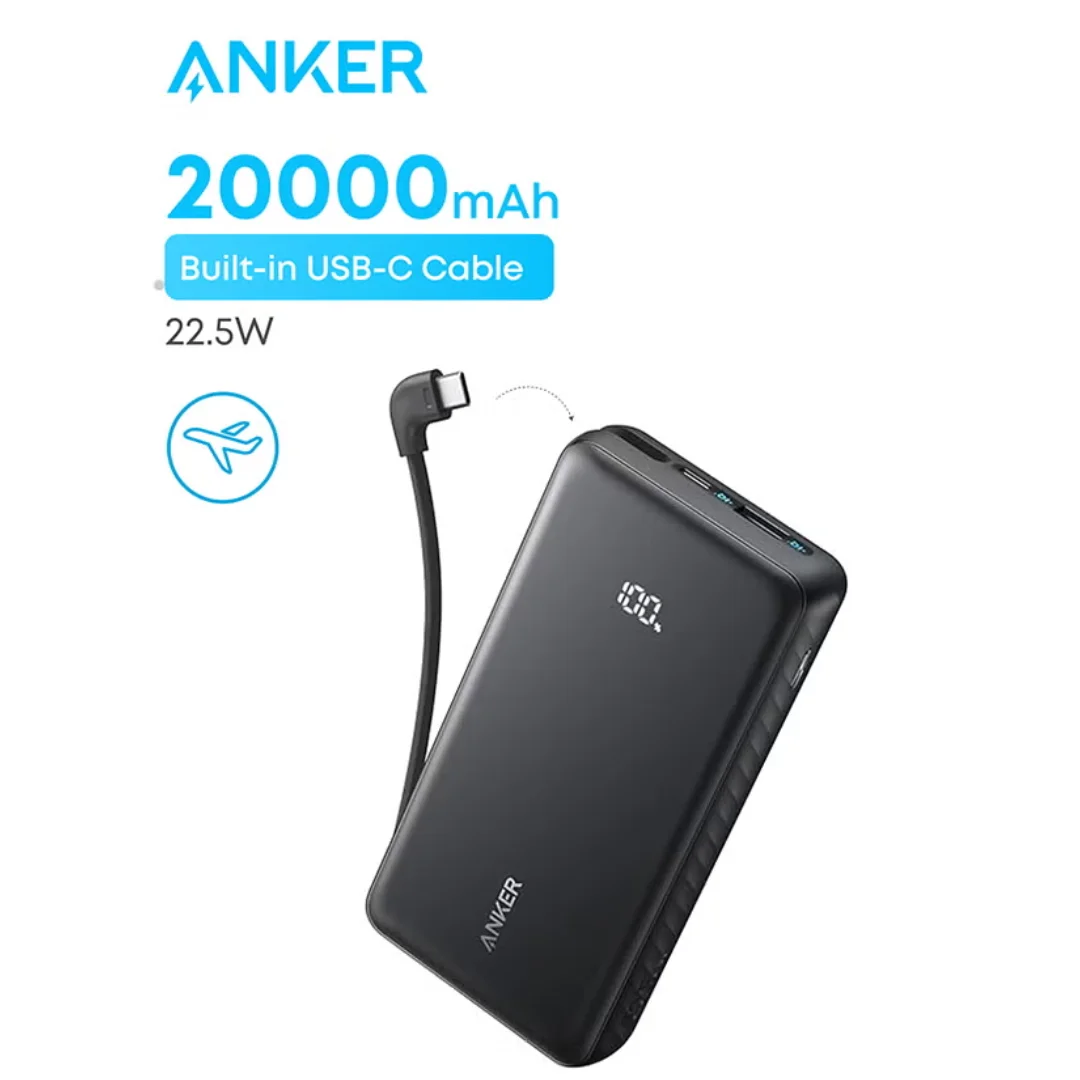
Anker ZOLO Power Bank 20,000mAh (22.5W) | Built-in Cable
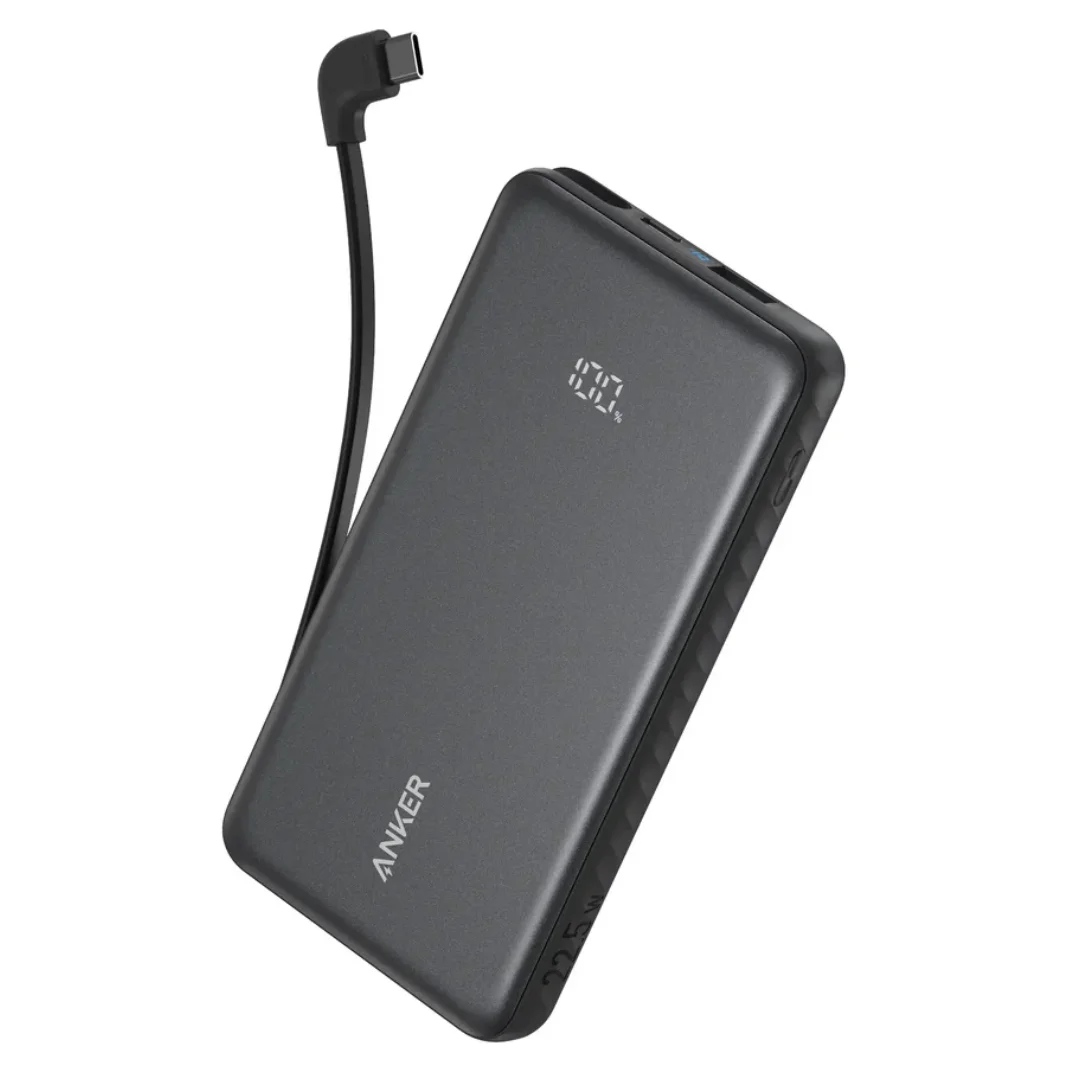
Anker ZOLO Power Bank 10,000mAh (22.5W) | Built-in Cable