

If you're a drone photographer — whether a hobbyist filming trips or a professional working in real estate, advertising, or documentary filmmaking — you know that your biggest enemy isn't the wind or regulations (though they're annoying). Your biggest enemy is battery life. The drone battery lasts only 20-45 minutes per flight. The remote controller dies in 2-3 hours. And the phone displaying the live camera feed drains at 20-25% per hour. During a 4-5 hour shoot in the desert or at the beach — everything dies while you're still in the middle of work.
This article isn't about charging the drone itself — that requires a dedicated high-voltage charger (12-17V depending on the model) and no regular power bank can do that. This article is about everything else that dies at the worst moment: the controller, phone, tablet, external monitor. These are exactly what a good power bank solves completely. We'll also explain flight regulations related to power bank capacity — because this affects your choice if you fly to shooting locations.
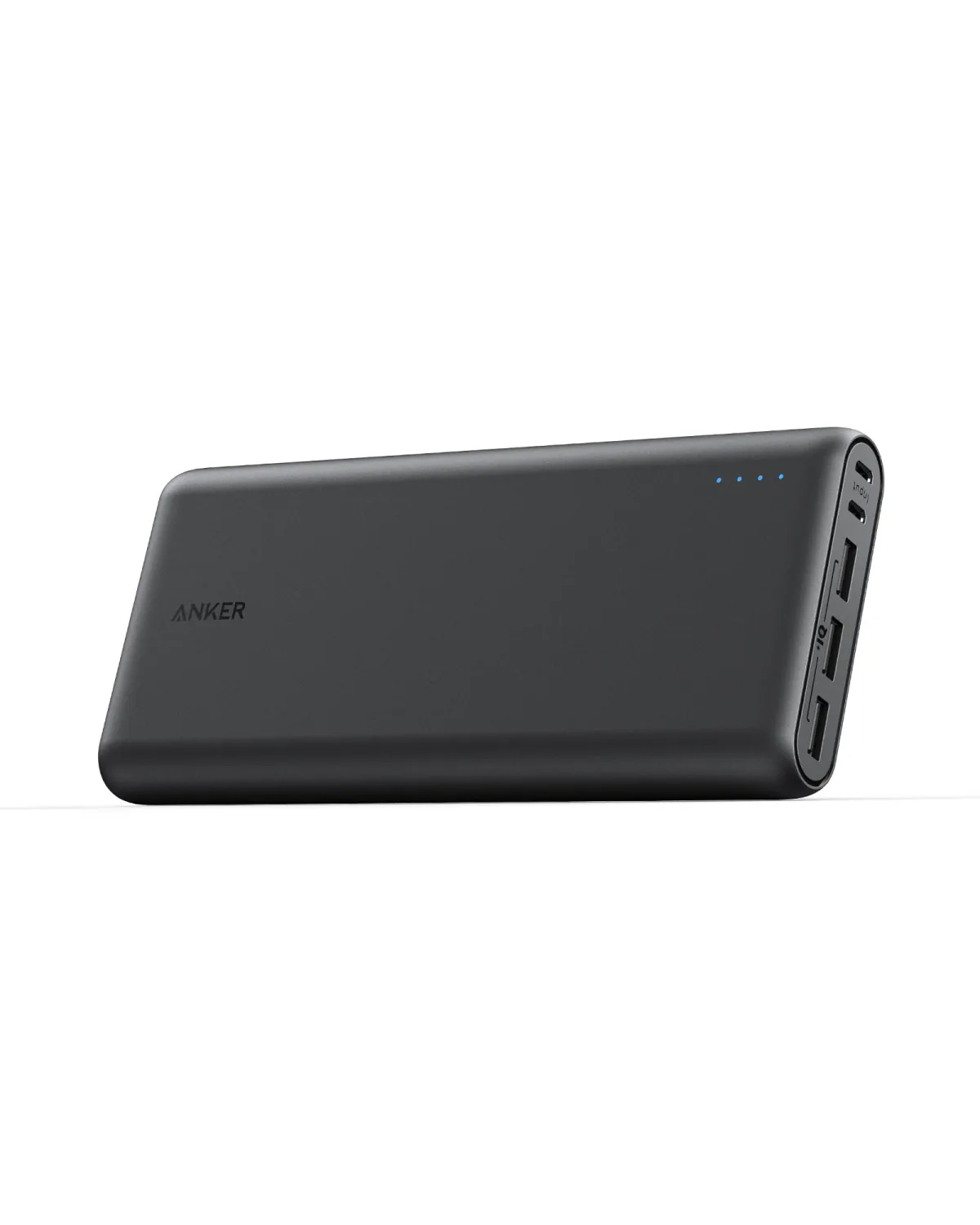
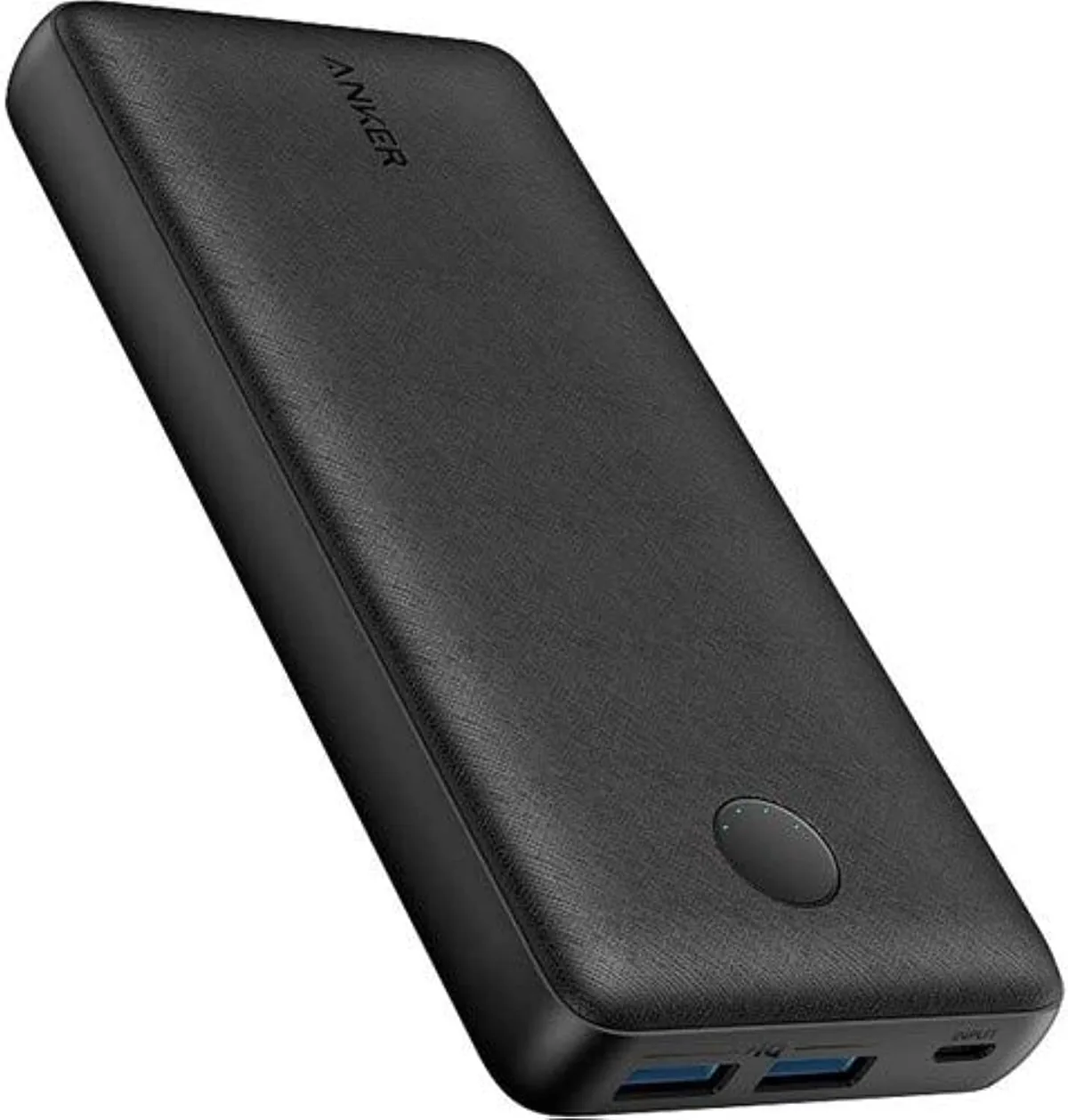
💡 Quick Answer: A power bank can't charge the drone battery — but it charges the controller and phone. For flights: the limit is 100Wh without prior approval. Anker PowerCore 20,000mAh (74Wh — 1,550 EGP) is the ideal choice. For full-day shoots: Anker PowerCore 26,800mAh (96.5Wh — still under the 100Wh limit).
Why Can't a Power Bank Charge the Drone Battery?
A frequently asked question: "Why can't I charge the drone battery from a power bank?" The answer lies in physics:
- ⚡ Completely different voltage: A DJI Mini 4 Pro battery (2S LiPo) runs at 7.38V and needs a 12V+ charger. A DJI Mavic 3 battery (4S LiPo) runs at 15.4V and needs a 17V charger. A power bank outputs 5V (USB-A) or 5-20V (USB-C PD). Even USB-C PD at maximum voltage (20V) isn't sufficient for all models.
- 🔋 Proprietary charging protocol: LiPo battery charging requires a precise CC/CV (Constant Current / Constant Voltage) protocol with cell balancing. The original charger does this — a power bank doesn't. Incorrect LiPo charging = fire or explosion risk.
- 📊 Insufficient capacity: Even if you could charge it — a DJI Mavic 3 battery is 77Wh. A 20,000mAh power bank (74Wh) can't fill it even once after accounting for conversion efficiency (60-70%). Not practical.
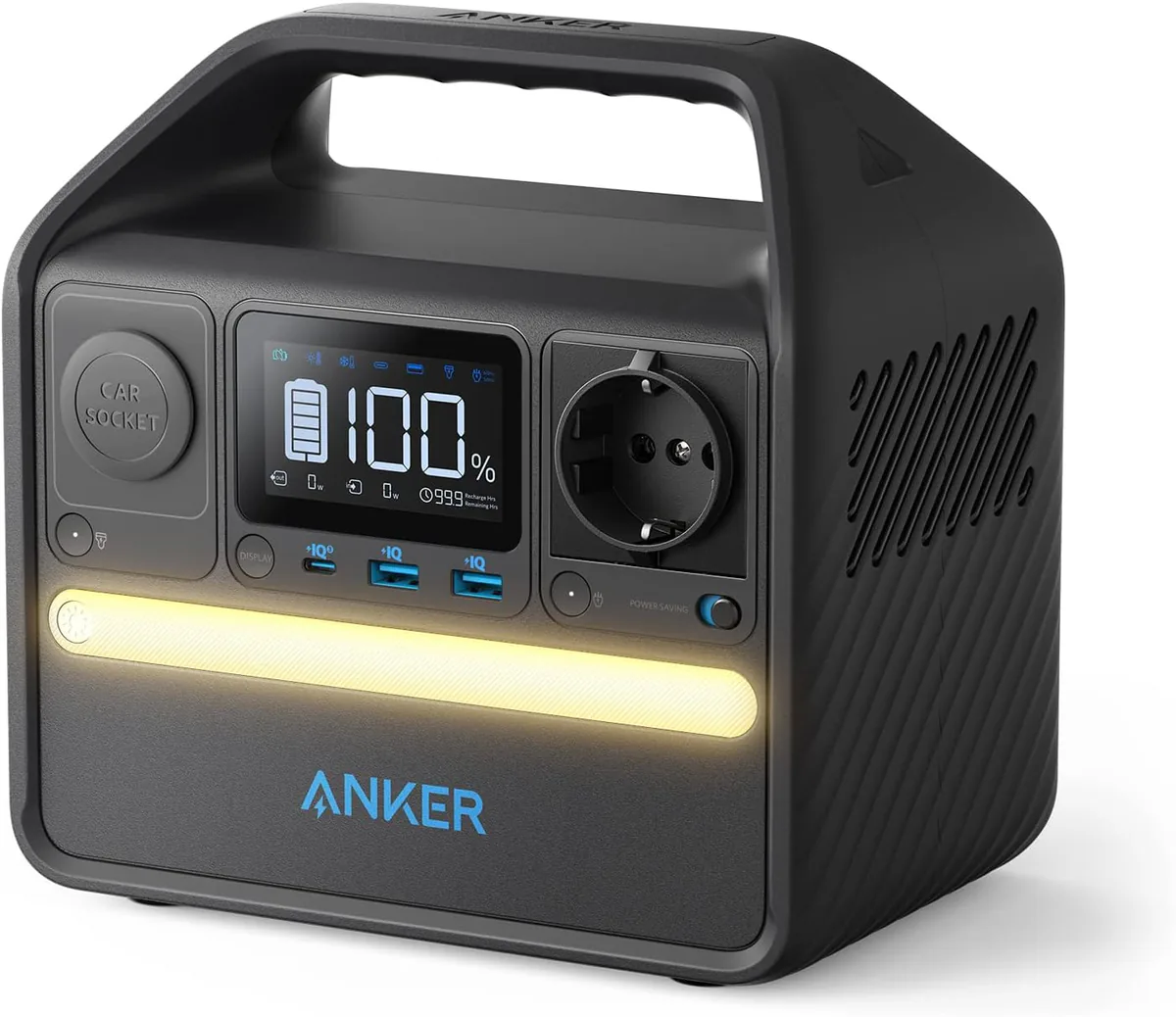
The real solution for field charging drone batteries: A portable power station with AC output (like the Anker 521 PowerHouse — 256Wh) + the original charger. Connect the original charger to the station and charge batteries safely. A 256Wh station charges 3 DJI Mini batteries or 1.5 DJI Mavic 3 batteries. This is the solution for professional photographers working full days away from power.
What a Power Bank Actually Charges — And Why It Matters
| Device | Battery | Runtime During Use | Charges from 20,000mAh |
|---|---|---|---|
| DJI RC 2 Controller | 5,000mAh | 2-3 hours | ~3 charges |
| DJI RC-N1 Controller | 3,950mAh | 4-6 hours | ~4 charges |
| iPhone 15 Pro Max | 4,441mAh | 3-4 hours (with feed) | ~3.5 charges |
| iPad Mini 6 | 5,124mAh | 5-7 hours | ~2.5 charges |
| 5" Monitor | 3,000-5,000mAh | 3-5 hours | ~3 charges |
A single 20,000mAh power bank covers charging the controller twice + phone once + monitor full shooting day without worry. This is precisely why a power bank is the most important accessory in a drone photographer's bag after spare batteries themselves.
Flight Regulations and Power Bank Capacity — Legal Limits
If you fly to your shooting location — common for drone photographers — you need to know international aviation rules for lithium batteries (including power banks):
- ✅ Under 100Wh: Allowed without any prior approval. Carry-on luggage only (not checked bags). This covers power banks up to ~27,000mAh and most consumer drone batteries.
- ⚠️ 100-160Wh: Requires prior airline approval. Maximum 2 batteries in this category allowed. Covers some professional drone batteries.
- 🚫 Over 160Wh: Completely prohibited on commercial flights. Neither carry-on nor checked.
This is especially important for drone photographers because you're typically carrying the drone batteries themselves (each 30-80Wh) + the power bank + laptop battery. You need to calculate the total and ensure you haven't exceeded the limits. Egyptian airlines (EgyptAir, Nile Air, and Air Cairo) enforce the same international regulations.
🔬 Why Anker PowerCore 26,800mAh Is a Smart Choice for Photographers
The Anker PowerCore 26,800mAh has a capacity of 96.5Wh — under the 100Wh limit by a safe margin. This means you can take it on any flight worldwide without prior approval and without questions. At the same time, it provides the maximum possible capacity below the legal threshold. This is exactly why professional photographers love it — maximum power with zero airport hassle.
Drone Photographer's Bag Checklist — Charging Essentials
Before heading to the shooting location, verify these items:
- 🔋 Drone batteries: 3-4 batteries charged to 100% (charge them the night before). One battery = 20-45 minutes of flight depending on the model.
- ⚡ Power bank: Anker PowerCore 20,000mAh charged to 100%. Charges the controller twice and phone 3 times.
- 🔌 Cables: USB-C for controller charging + Lightning or USB-C for your phone. Bring a spare cable — cables break at the worst times.
- 🌡️ Thermal protection: In Egyptian summer, keep the power bank and batteries in an insulated case (even a fabric pouch works). Heat above 45°C reduces battery performance and can prevent the drone from taking off (built-in thermal protection).
- 📱 Car charger: If driving, a fast car charger (like Anker A2741 30W) charges your phone en route and saves power bank capacity for the shooting location.
Egypt's Heat and Its Impact on Drone Batteries and Power Banks
Heat is the hidden enemy of every drone photographer in Egypt. In summer, temperatures reach 45-50°C in direct sunlight. This affects everything in your gear bag:
- 🌡️ Drone battery in heat: Most LiPo batteries perform well between 15-40°C. Above 40°C, performance drops and effective capacity decreases by 10-15%. Above 45°C, some drones (like DJI models) refuse to take off entirely — the built-in thermal protection system prevents it.
- 📱 Phone in the sun: iPhones display the "iPhone needs to cool down" message and shut down when internal temperature reaches 45°C. This happens quickly when the screen is on + live feed is running + direct sunlight is hitting it. Solution: shade the phone and place a damp cloth behind it.
- 🔋 The power bank itself: Lithium batteries in power banks degrade faster in high heat. If you leave a power bank in a black bag in the sun, its internal temperature can reach 60°C — significantly reducing its lifespan. Always keep it in shade or in a heat-reflective case.
Practical tip: If shooting in Egyptian summer, aim for early morning (6-9 AM) or before sunset (4-6 PM). The light is better for cinematography (golden hour), batteries perform optimally, and your phone won't overheat and shut down mid-shoot.
💡 Practical advice for drone photographers
In real-estate drone work with something like a DJI Air 3, a typical session can run to 3-4 properties and 8-10 flights per day. A power bank (such as an Anker 20,000mAh) obviously doesn't charge the drone itself, but it keeps the controller and phone running all day — and saves you repeated trips back to the car to recharge the controller, which cost time, effort, and fuel. If you shoot a full day, a power bank is essential kit.
Regular Power Bank vs. USB-C PD — An Important Difference for Drone Photographers
Not all power banks are equal for drone photographers. The most important distinction is USB-C Power Delivery (PD) support:
- ⚡ Without PD (USB-A only): Charges at 5V/2.4A (12W). Sufficient for the controller but slow for phones. Charging an iPhone from 0 to 100% takes 3+ hours.
- 🚀 With USB-C PD: Charges at 20W-30W+. iPhone reaches 50% in 30 minutes. Some drone controllers (like DJI RC 2) also charge faster via USB-C. This matters when you're mid-shoot and need a quick 15-minute charge between flights.
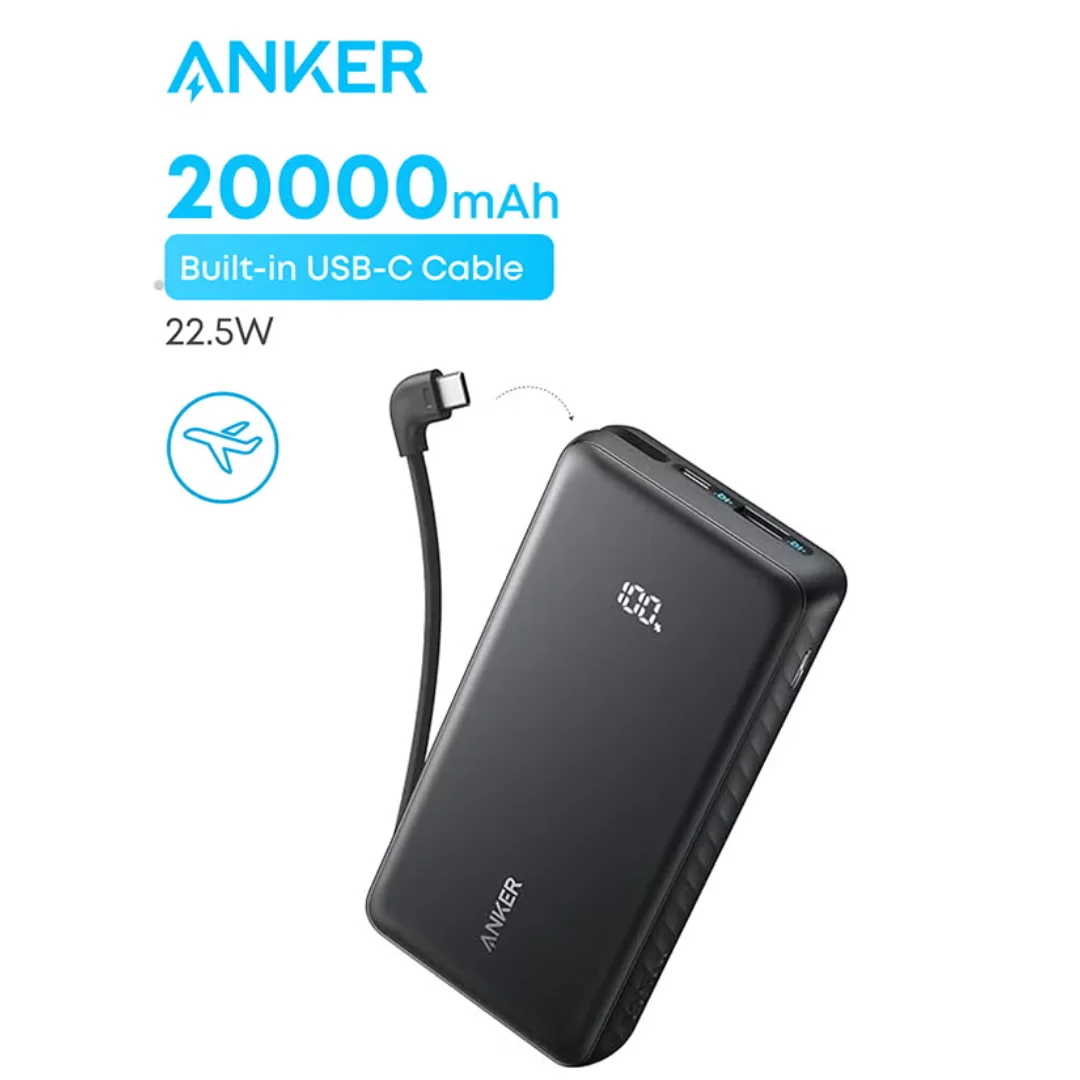
The Anker PowerCore 20,000mAh supports USB-C PD at 20W — fast phone charging and efficient controller charging. The Anker ZOLO 20,000mAh has dual USB-C + USB-A ports — so you can charge the controller and phone simultaneously without waiting for one to finish.
Best Power Bank for Each Type of Drone Photographer
| Photographer Type | Ideal Power Bank | Reason |
|---|---|---|
| Hobbyist (1-2 hour session) | Anker ZOLO 10,000mAh (750 EGP) | Lightweight (185g) — enough for controller + phone |
| Professional (4-6 hour session) | Anker PowerCore 20,000mAh (1,550 EGP) | 74Wh — under flight limit + full day |
| Travel professional | Anker PowerCore 26,800mAh | 96.5Wh — max capacity under 100Wh |
| Production team (full day) | Anker 521 PowerHouse (5,500 EGP) | 256Wh + AC output for drone batteries |
✅ Power Your Shoots from CairoVolt — With Authorized Warranty
All photographer power banks are available with an 18-month authorized warranty + delivery to all governorates. Browse Anker Power Banks or Portable Power Stations.

CairoVolt Editorial Team
Content team reviewing specifications and buying guides
The CairoVolt team reviews model numbers, specifications, and compatibility, and updates information when better data is available. Estimates are labeled as calculations, and readers can report information that needs correction.
Frequently Asked Questions
Can a power bank charge a drone battery?▼
What is the maximum power bank capacity allowed on flights?▼
How long does a 20,000mAh power bank run a drone controller?▼
How can I charge drone batteries in the desert?▼
Ready to Buy?
Browse available products and review specifications and CairoVolt warranty terms before ordering
Products Mentioned in This Article
Anker PowerCore III Elite 26K 60W PD | Laptop Charging
Anker PowerCore 20000mAh | 72Wh | Dual USB-A
Anker ZOLO Power Bank 20,000mAh (22.5W) | Built-in Cable
Anker 521 PowerHouse 256Wh | 200W AC Outlet | LiFePO4
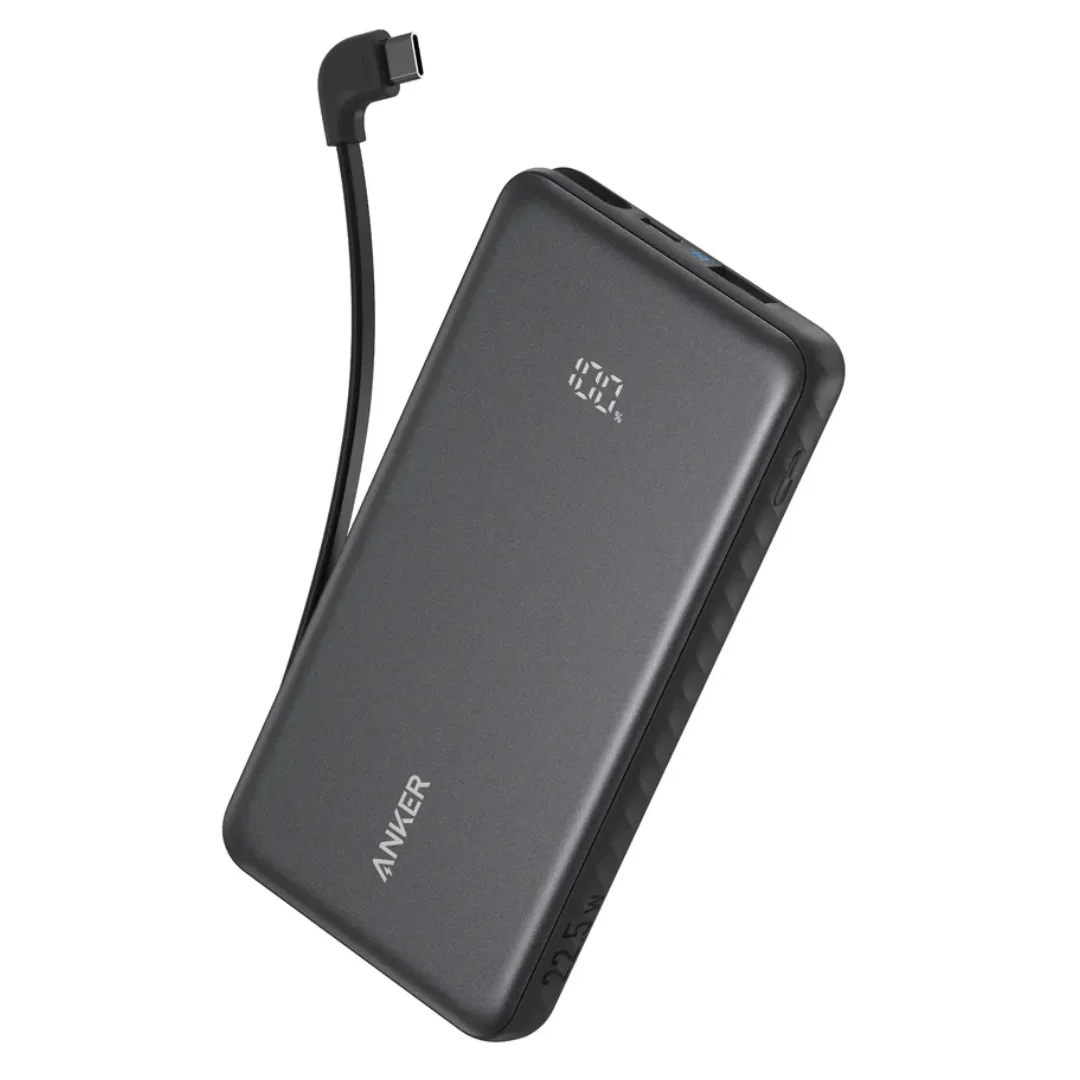
Anker ZOLO Power Bank 10,000mAh (22.5W) | Built-in Cable
Browse the categories this article covers
Related Articles

Can You Take a Power Bank on a Plane? Egyptian & International Airport Rules
Read more →
One Power Bank for Camera, Laptop, and Phone: The Smart Creator’s Guide
Read more →