
Hajj & Umrah Charger Essentials — Everything Travelers to Saudi Arabia Actually Need
Engineering guide to all charging accessories needed for Hajj or Umrah: airline-approved power banks, Saudi plug adapters, and a charging strategy for Mina and Arafat.
Bottom Line: Travelers to Hajj or Umrah need 3 essentials: a 20,000mAh power bank (72Wh — well under the 100Wh airline limit), a plug adapter from Type C/F (Egyptian) to Type G (Saudi/British 3-pin), and a compact 30W GaN charger for fast hotel charging. The power bank must be in your carry-on bag — never in checked luggage.
A Hajj or Umrah trip isn't just a spiritual journey — it's a real logistical challenge. On the Day of Arafat alone, you could be away from any power source for over 18 hours. Yet your phone has become essential, not optional: guidance apps (Manasikana, Smart Hajj), Google Maps for navigating between holy sites, video calls with family, and capturing once-in-a-lifetime moments.
The problem: Makkah temperatures during Hajj season reach 50°C, and batteries drain at nearly double their normal rate in extreme heat. Without proper preparation, you could find yourself with a dead phone on the most important day of your life.
This is a complete engineering guide to every charging accessory you need, with specifications and numbers.
💡 Quick Answer: Travelers to Hajj or Umrah need 3 essentials: a 20,000mAh power bank (72Wh — well under the 100Wh airline limit), a plug adapter from Type C/F to Type G (Saudi 3-pin), and a compact 30W GaN charger. The power bank must be in your carry-on bag — never in checked luggage.
First: Saudi Plug Sockets — Different from Egyptian
First thing to know: Saudi Arabia uses Type G sockets (3 rectangular pins — same as British plugs). Egypt uses Type C/F (2 round pins). Your regular Egyptian charger won't fit a Saudi socket without an adapter.
| Item | Egypt | Saudi Arabia |
|---|---|---|
| Socket Type | Type C / Type F | Type G (British) |
| Voltage | 220V | 220V |
| Frequency | 50Hz | 60Hz |
| Compatibility | ✅ All modern phone chargers work with both 50-60Hz (check the label: Input 100-240V, 50-60Hz) | |
Solution: Buy a travel adapter before you leave — available at any electronics store. Or use a universal adapter that works in 150+ countries.
Second: Power Bank — The Most Important Item in Your Bag
On the Day of Arafat, you leave the hotel at dawn and might not return before midnight. In Mina, tents have very few power outlets — and 200+ pilgrims compete for them. A power bank isn't a luxury — it's a lifeline.
What Capacity Do You Need?
| Capacity | Full Charges (iPhone 16) | Watt-hours (Wh) | Allowed on Plane? |
|---|---|---|---|
| 10,000mAh | ~2 charges | 36Wh | ✅ No restrictions |
| 20,000mAh ⭐ | ~4 charges | 72Wh | ✅ No restrictions |
| 26,800mAh | ~5 charges | 96.5Wh | ✅ Under 100Wh |
⚠️ Critical Airline Rule: Power banks are banned from checked luggage. They must be in your carry-on bag only. Any power bank exceeding 100Wh (≈27,000mAh) requires prior airline approval. This rule is universal across Saudia, flynas, flyadeal, and EgyptAir.
Our recommendation: the Anker Zolo 20,000mAh — 72Wh (well under the 100Wh limit), supports 22.5W fast charging, and is lightweight enough for constant movement between holy sites.
Third: The Charger — Small, Fast, and Heat-Resistant
During Hajj and Umrah, charging time is precious. You might return to the hotel at midnight and need to wake up at 4 AM. You need a charger that can charge your phone in under an hour.
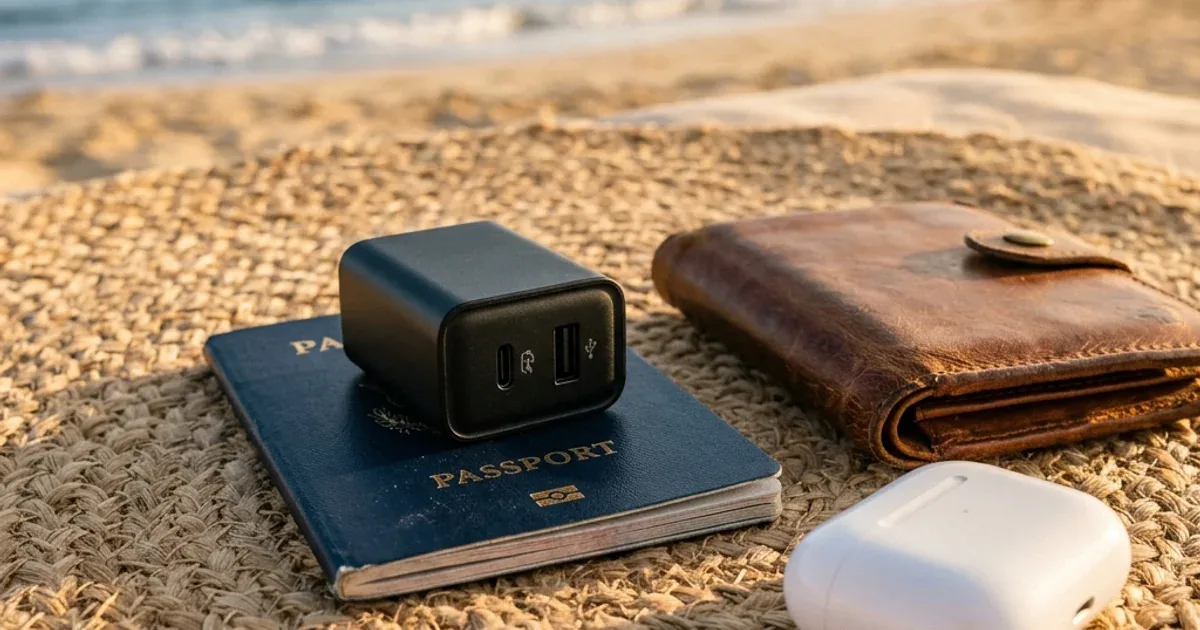
GaN (Gallium Nitride) chargers are ideal for travel: 40% smaller than traditional chargers, more thermally efficient (93-95%), and lighter. The Anker Nano 30W GaN is smaller than a matchbox and charges an iPhone 16 from 0 to 50% in 25 minutes.
Tip: Bring a dual-port charger if possible — one USB-C for your phone and one USB-A for your power bank. This way you charge both simultaneously when you return to the hotel.
Fourth: Cables — The Piece Everyone Forgets
One cable isn't enough. Bring at least two: a short USB-C cable (30cm) for the power bank in your pocket, and a long USB-C cable (1.8m) for hotel or mosque charging.
Why is a short cable important? Because you'll walk extensively during Tawaf, Sa'i, and between Mina and Arafat — a long cable dangling from your pocket will get tangled with other pilgrims. An Anker USB-C cable at 30cm supports 60W fast charging without getting in your way.
Fifth: Charging Strategy for Hajj Days — Realistic Scenario
Here's a real scenario for the Day of Arafat (the longest and most important day):
| Time | Location | Battery Usage | Charging Plan |
|---|---|---|---|
| 4:00 AM | Leaving Mina | 100% (charged overnight) | — |
| 4:00 - 9:00 | Transit to Arafat | GPS + calls = -25% | Airplane Mode on bus |
| 9:00 - 15:00 | Arafat (prayers + photos) | Photos + streaming = -35% | ⚡ Power bank charge #1 |
| 15:00 - 20:00 | Muzdalifah | Medium usage = -20% | ⚡ Charge #2 if needed |
| 20:00 - 00:00 | Return to Mina | GPS + flashlight = -15% | ⚡ Backup charge #3 |
A 20,000mAh power bank gives you 4 full charges — enough to survive the entire Day of Arafat with a backup charge to spare.
Sixth: Heat — Your Battery's Hidden Enemy in Makkah
Makkah temperatures during Hajj season reach 45-50°C. This means your phone battery drains 30-40% faster compared to charging at 25°C. The power bank itself is also affected — lithium batteries lose efficiency in extreme heat.
- ☀️ Keep the power bank in an insulated pouch if possible — or at least in an inner pocket away from direct sunlight
- 📱 Don't charge your phone in direct sun — if at Arafat and you need to charge, place the phone under your umbrella or shade
- 🧊 Remove the case while charging — especially in extreme heat, cases trap thermal energy
- ✈️ Enable Airplane Mode when you don't need data — searching for signal in massive crowds drains significant battery
Battery-Saving Tips — Keep Your Phone Alive All Day
During Hajj and Umrah, every 1% of battery matters. These tips can save you an extra 30-40% battery per day:
- ✈️ Airplane Mode on the bus and in crowds: When a million phones are searching for signal in the same area, your phone burns massive battery searching for network. Enable Airplane Mode when you don't need internet — saves 15-20% daily
- 📱 Download maps offline: Download Google Maps for Makkah, Madinah, and the holy sites while at the hotel on WiFi. This way GPS works without internet — consuming significantly less battery
- 🔅 Screen brightness at 30-40%: The screen consumes 40-50% of total battery. In sunlight, auto-brightness cranks to 100%. Disable Auto-Brightness and set it manually to 30-40%
- 🔌 Disable Always-on Display: If you have an iPhone 17/16 Pro or Samsung S26 — the always-on display consumes 5-10% extra battery daily. Disable it during Hajj
- 📷 Photograph quickly: Open camera, shoot, close. Don't leave the camera on preview — every minute with the camera open = 1% battery
- 📶 Use 4G instead of 5G: 5G in massive crowds is often unstable and the phone wastes energy switching between 4G and 5G. Lock it to 4G/LTE for the entire trip
Charging in Mina Tents — Smart Strategy
Mina tents have electricity — but very limited. Each tent has one or two outlets with a 250-watt capacity — and 200+ pilgrims compete for them. The smart strategy:
- 🔌 Bring a power strip with 3-4 USB ports: Instead of occupying an entire outlet for one charger, a power strip lets you charge 3-4 devices from the same socket — and you'll earn your tent-mates' gratitude
- ⚠️ Never unplug the AC for charging: The 250-watt limit exists for air conditioning and fans. If you unplug the AC and connect many chargers, you could trip the power for the entire tent in 50°C heat — a real danger
- ⏰ Charge at night: Outlets are freest after Isha prayer. Charge both your phone and power bank before sleeping so you wake up at 100%
- 🔒 Don't leave your phone charging unattended: Unfortunately, theft is possible in crowded conditions. Charge while sitting next to it or use your power bank in your pocket — much safer
The Complete Checklist — Stop Overthinking
| Item | Why It Matters | Priority |
|---|---|---|
| 20,000mAh Power Bank | 18+ hours away from electricity | 🔴 Essential |
| Type G Plug Adapter | Saudi sockets are different | 🔴 Essential |
| 30W GaN Fast Charger | Limited hotel charging time | 🔴 Essential |
| Short USB-C Cable (30cm) | For power bank while walking | 🔴 Essential |
| Long USB-C Cable (1.8m) | Hotel outlets far from bed | 🟡 Important |
| USB-C Car Charger | For driving or private bus | 🟡 Important |
✅ Prepare Your Kit at CairoVolt
Genuine power banks allowed on planes + GaN fast chargers + durable USB-C cables. Genuine, with CairoVolt's written store warranty (duration shown on each product page) + delivery to all governorates before your trip.

CairoVolt Editorial Team
Content team reviewing specifications and buying guides
The CairoVolt team reviews model numbers, specifications, and compatibility, and updates information when better data is available. Estimates are labeled as calculations, and readers can report information that needs correction.
Frequently Asked Questions
Are power banks allowed on flights to Saudi Arabia?▼
Do I need a plug adapter in Saudi Arabia?▼
What is the best power bank size for Hajj?▼
Are there charging outlets at the Grand Mosque or Prophet's Mosque?▼
Ready to Buy?
Browse available products and review specifications and CairoVolt warranty terms before ordering
Related products
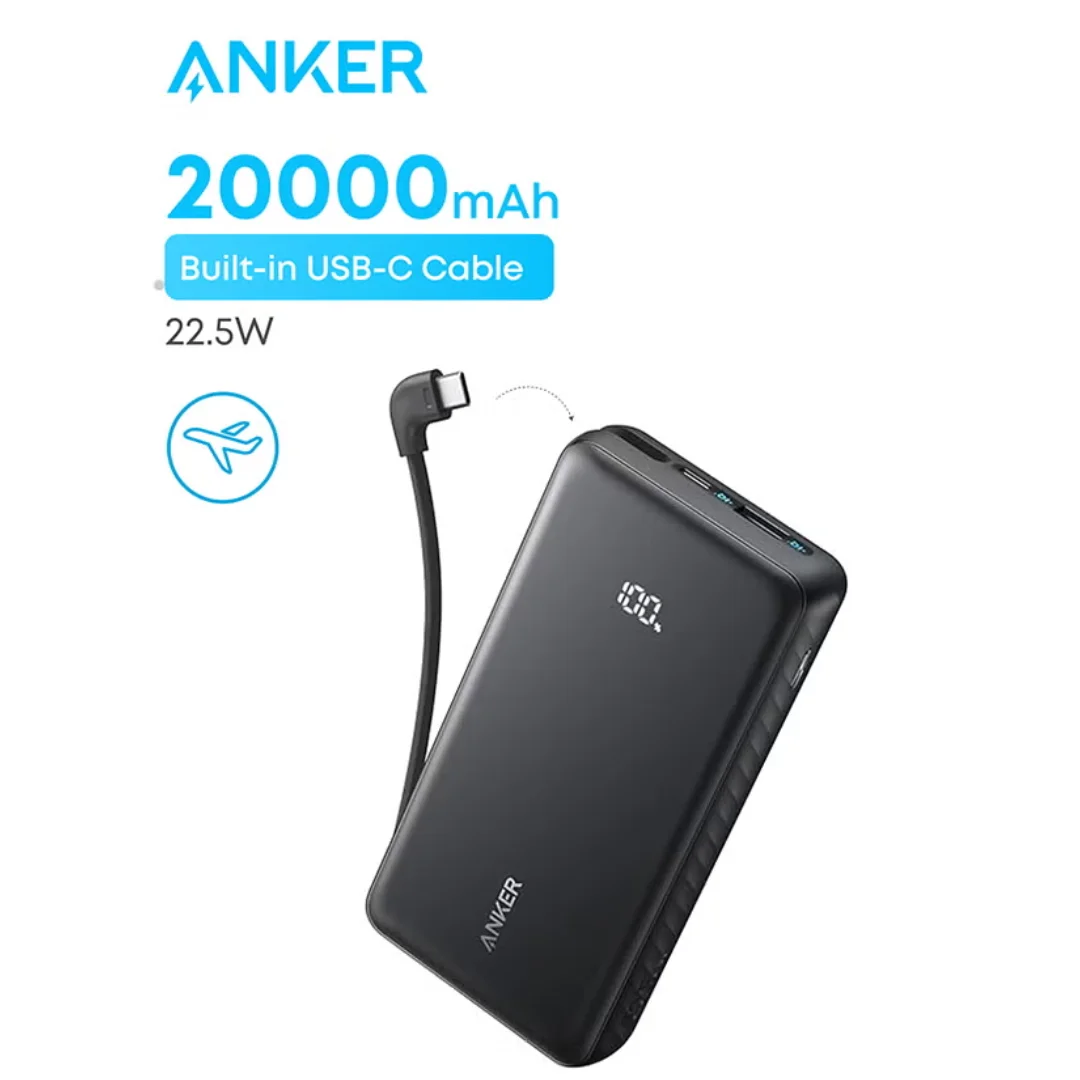
Anker ZOLO Power Bank 20,000mAh (22.5W) | Built-in Cable
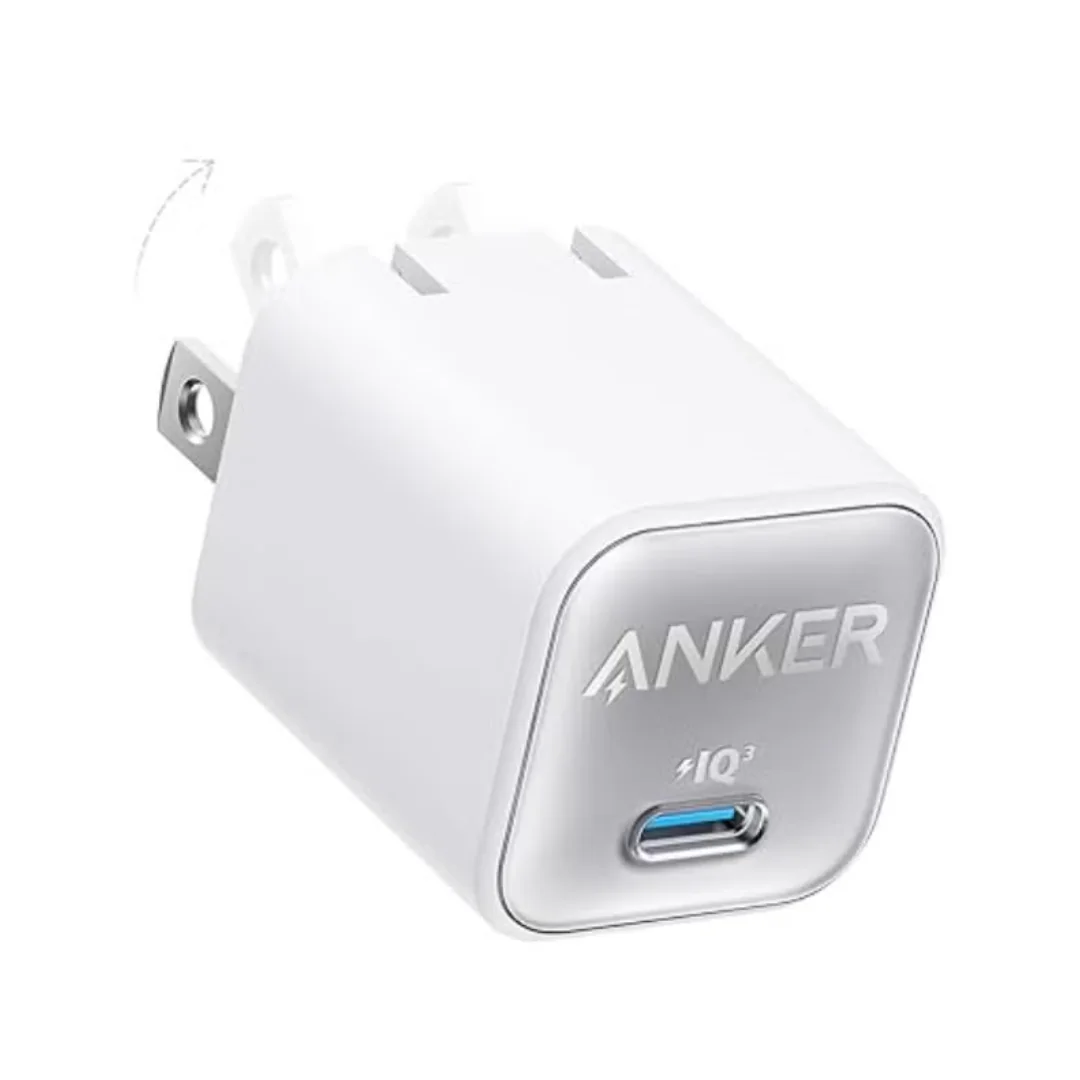
Anker 511 Nano 3 GaN Charger 30W (A2147) | USB-C PD | IQ3
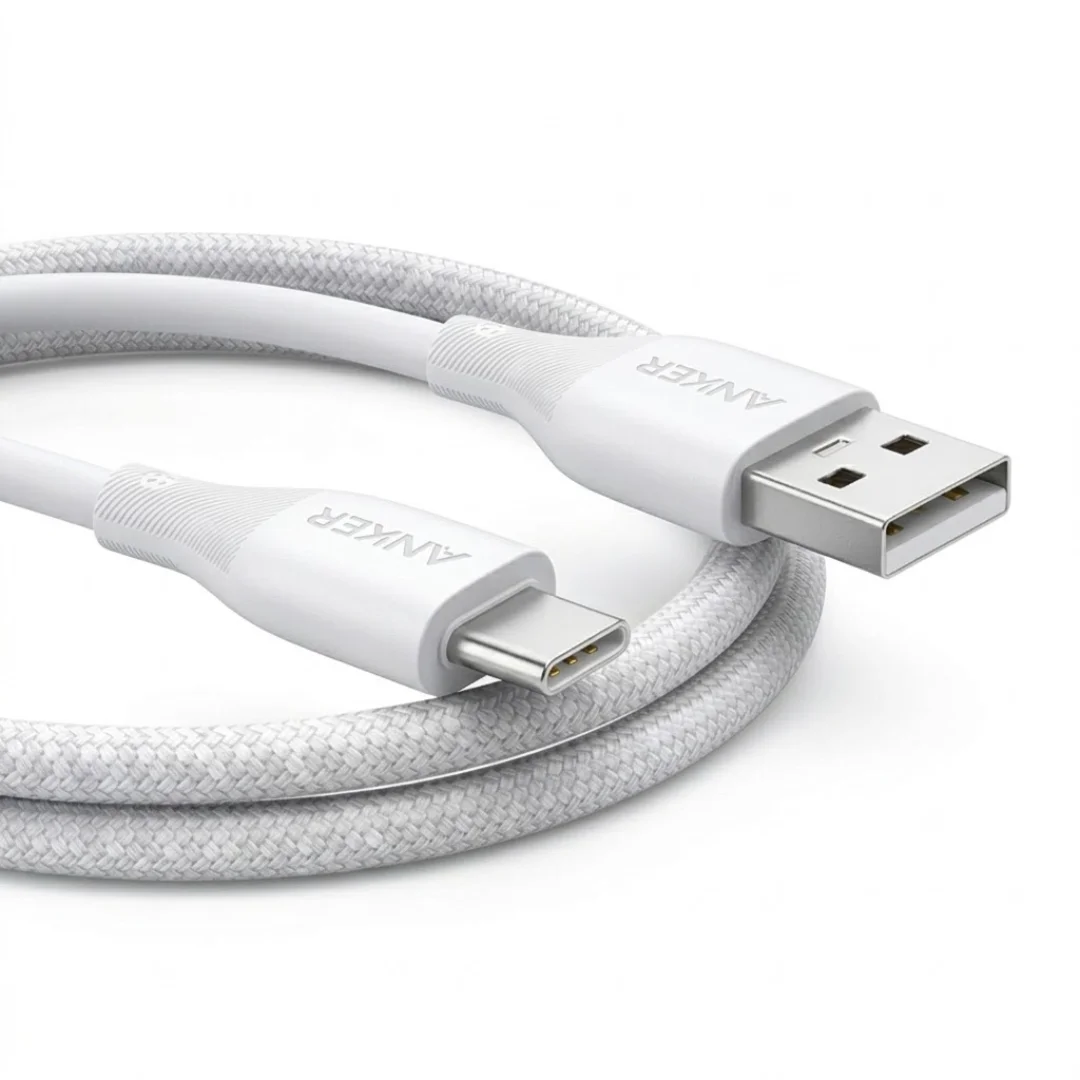
Anker USB-A to USB-C Cable (A8050) | Braided Nylon 1.8m | Fast Charging
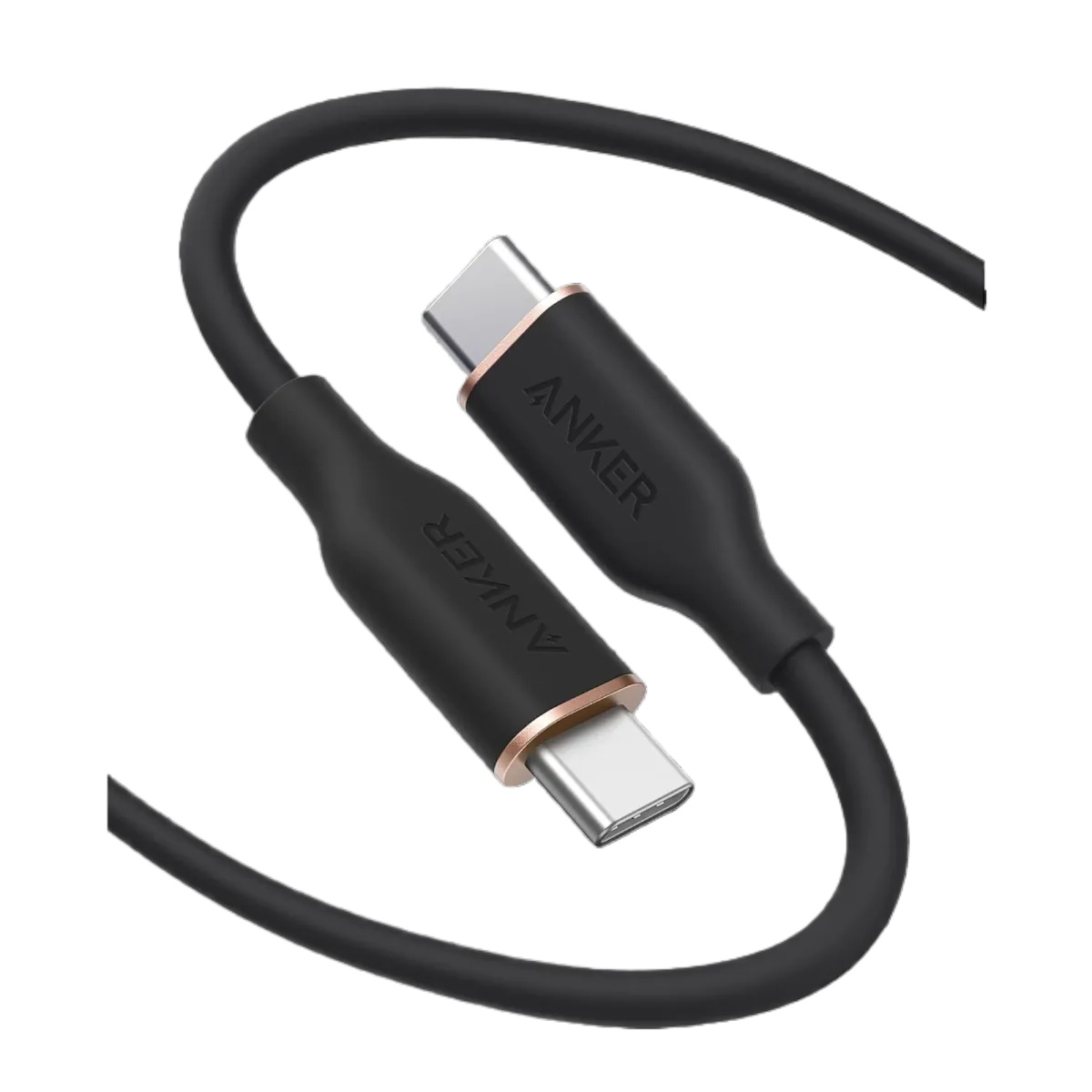
Anker PowerLine III USB-C to USB-C | 60W | iPhone 17 & Samsung S26
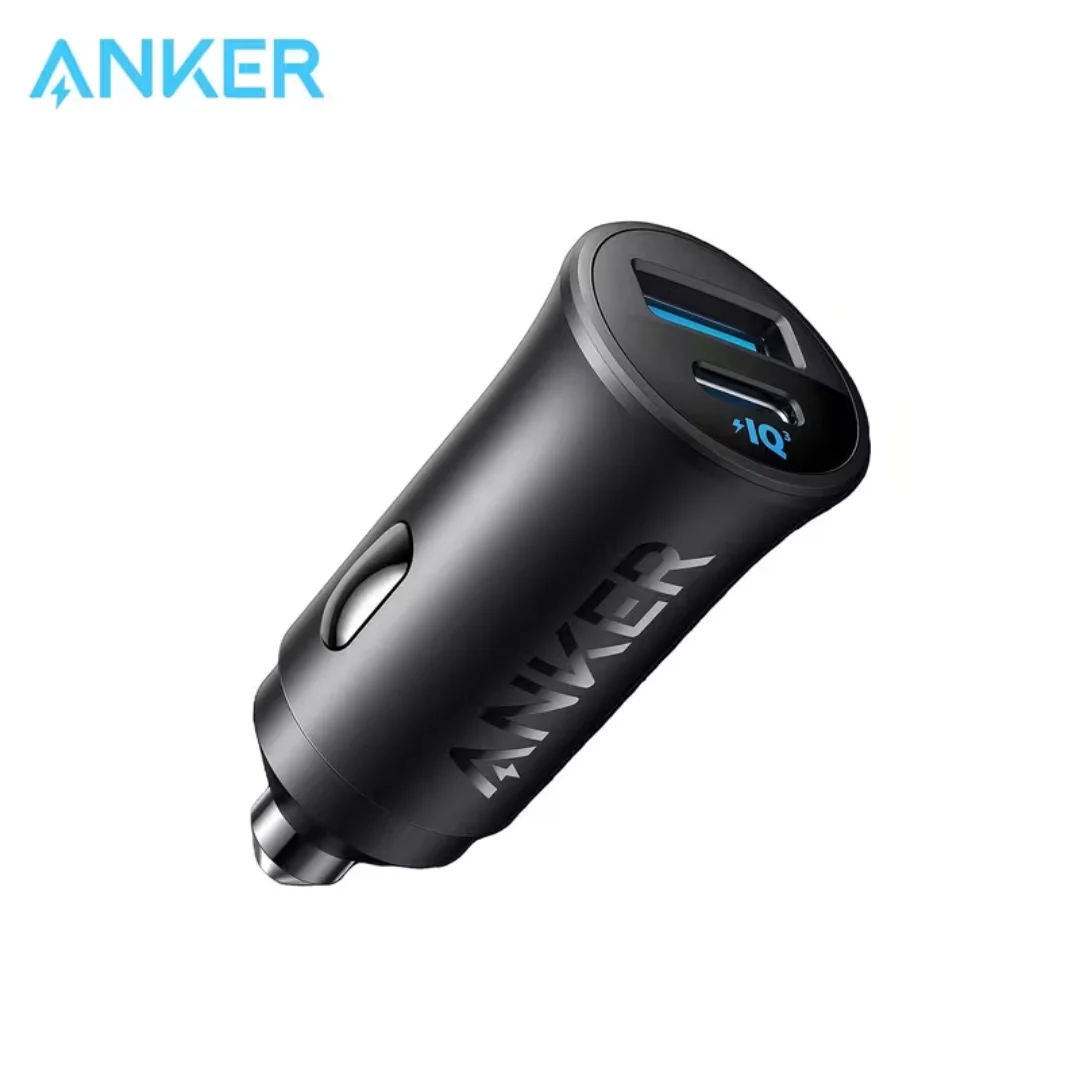
Anker 30W Mini Car Charger (A2741) | USB-C 30W PD + USB-A 22.5W | Ultra-Compact
Browse the categories this article covers
Related Articles

Can You Take a Power Bank on a Plane? Egyptian & International Airport Rules
Read more →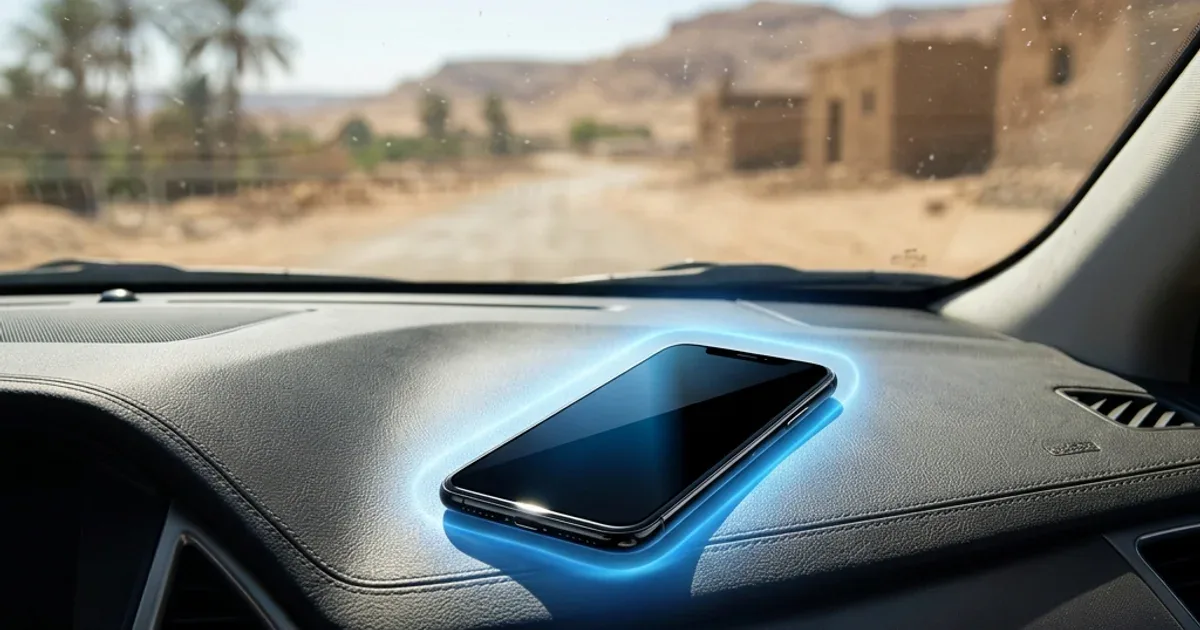
Your Phone Is at Risk: The Complete Guide to Protecting Your Phone from Egyptian Summer Heat
Read more →