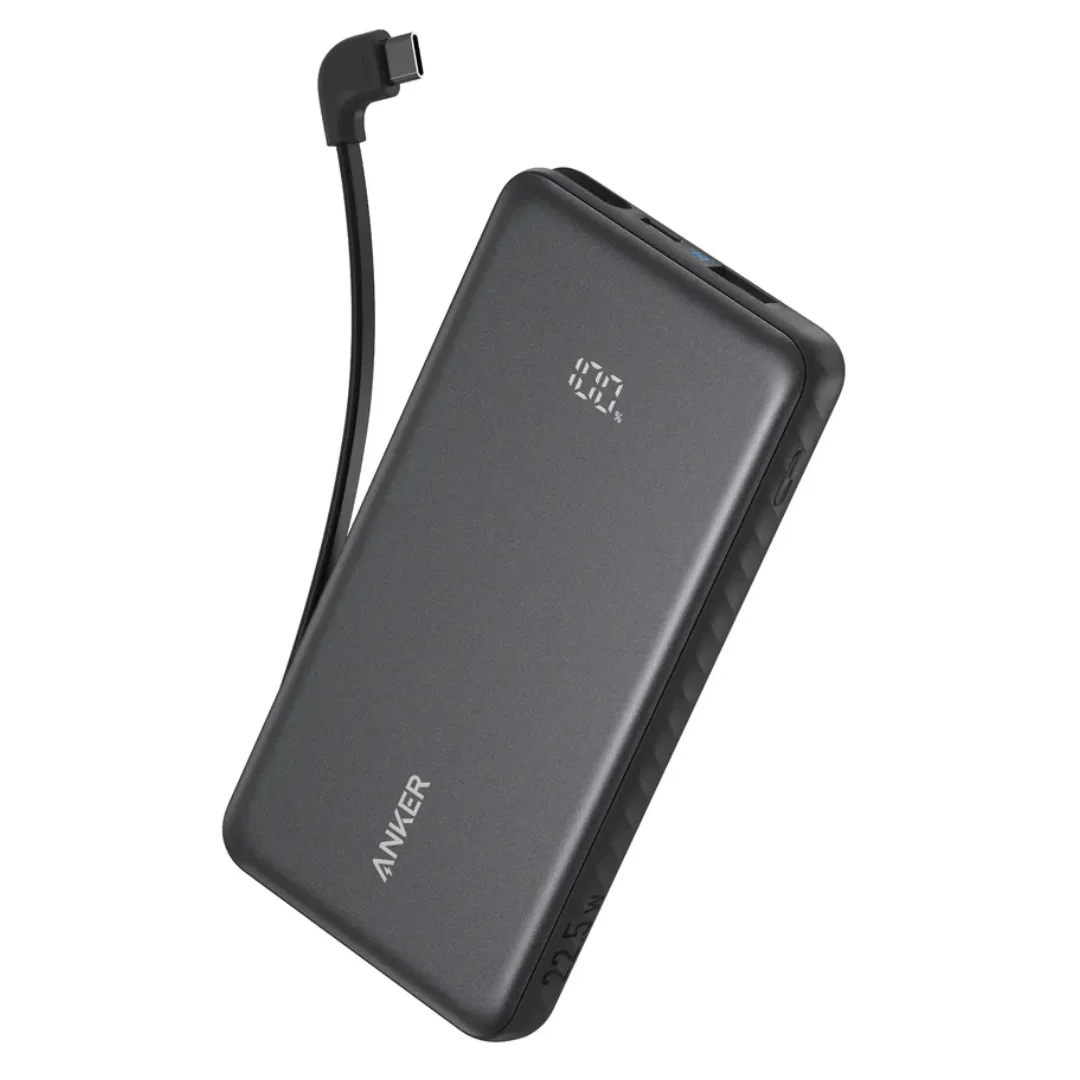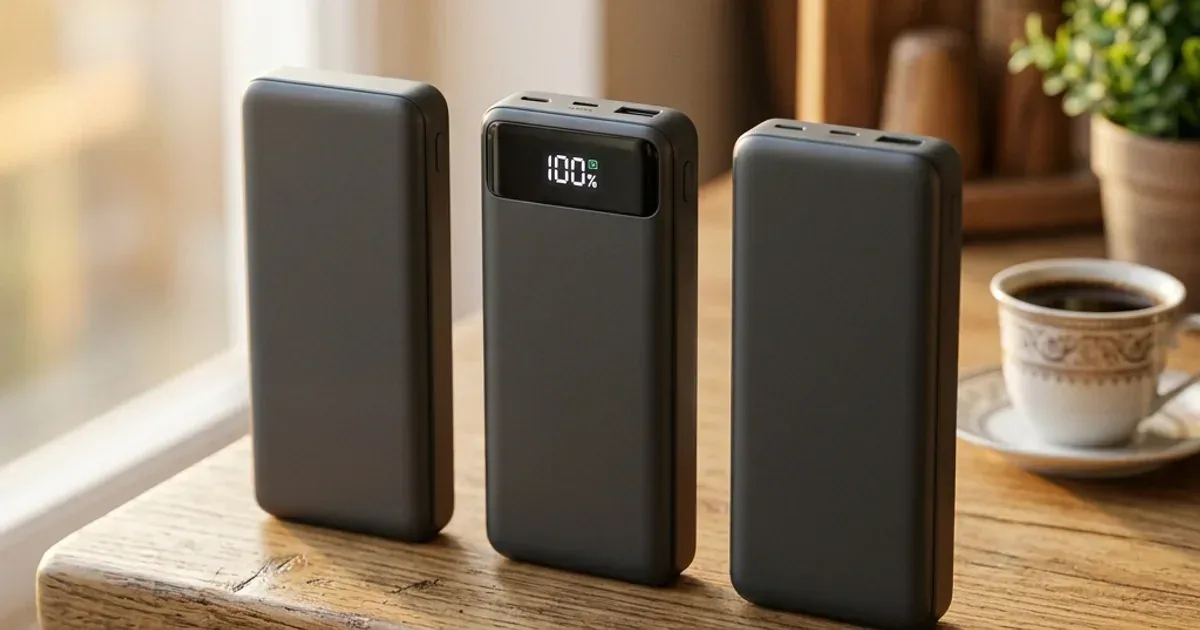

Every time you plan a camping trip to Fayoum, a safari in the White Desert, or even a day at Ain Sokhna beach, you ask the same question: "Will my phone last or will it die in the middle of the trip?" And naturally, the first thing that pops up on Amazon: "Solar Power Bank 30,000mAh — charges from the sun!" at 200-400 EGP. The photos look great, the reviews are 4.5 stars, and the concept itself is brilliant — free energy from the Egyptian sun that burns our heads 300 days a year. What could possibly go wrong?
A lot, unfortunately. In this article, we'll analyze with physics and numbers — not opinions — the real efficiency of solar power banks, compare them with regular power banks, and tell you exactly when solar is worth it and when it's just a marketing gimmick that takes your money and leaves you with a dead phone in the middle of the desert. This article is built on physics calculations from the published specifications of the solar power bank models common on the market — numbers you can verify yourself, step by step.
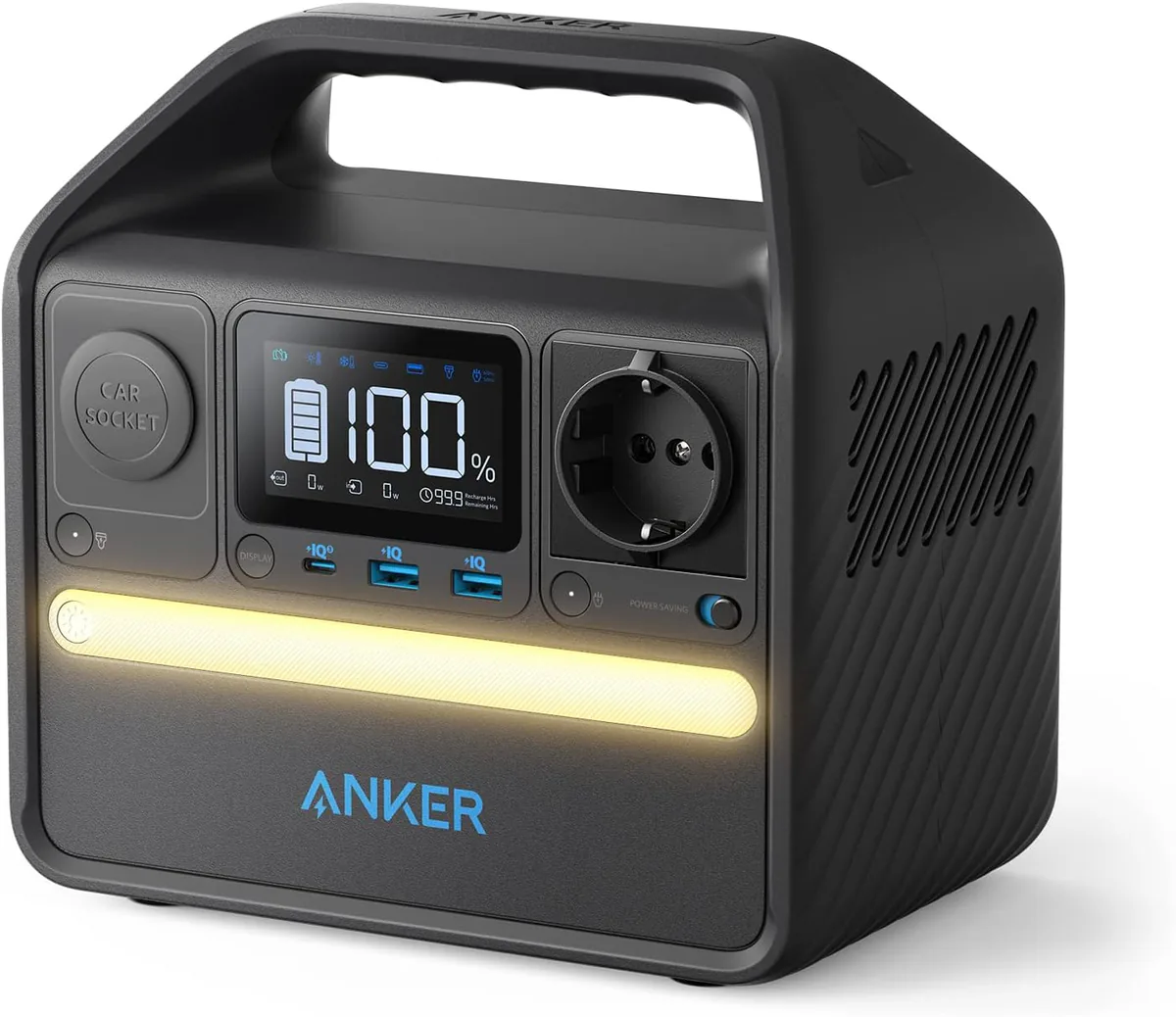
💡 Quick Answer: Built-in solar panels on power banks (2-5W) are practically useless — they need 40-80 hours of direct sunlight to charge (5-10 days!). The smarter alternative: Anker PowerCore 20,000mAh (1,550 EGP) fully charged at home before the trip. For trips longer than 3 days, the Anker 521 PowerHouse is the real solution — or a separate 20W+ solar panel with a regular power bank.
The Simple Physics That Exposes Solar Power Banks
To understand why solar power banks underperform, we need to understand 3 fundamental numbers:
- ☀️ Built-in Panel Power Output: The solar panel embedded in the power bank body is tiny — typically around 15×8 cm. Maximum output under ideal conditions (direct overhead sun, zero clouds, clean panel) is just 2-5 watts. That's less than the old iPhone charger (5W)!
- 🔋 Energy Required to Fill the Bank: A 20,000mAh power bank at 3.7V = 74Wh of stored energy. To fill it from a panel producing 3W real-world output (not the rated maximum), you need: 74÷3 = ~25 hours of clear sunshine. But the charging circuit's actual efficiency is around 60-70%, making the real number: 35-45 hours of clear sunshine. That's 5-6 full days in Egypt (6-7 hours of strong sun daily).
- 📱 Phone Consumption on Trips: During a camping trip, your phone uses less than daily usage (less internet, less social media). But if you're shooting photos + GPS, consumption is 10-15% per hour. A 5,000mAh phone lasts only 7-10 hours.
🔬 Working the Numbers — A Practical Estimate
Take the common solar power bank models (priced 200-800 EGP) and run the math yourself: a built-in panel rated 2-5W, after you subtract losses from heat, panel angle, dust, and a cheap charging circuit — plus the inflated ratings typical of budget models — the effective output drops below one watt on average. The calculated result: over a full day of direct sun (7 hours), the best models charge only about 8% of their capacity, and the weakest around 3%. This means fully charging a 20,000mAh solar power bank from sunlight alone takes 12-30 days of direct sun exposure!
Why Are the Results So Shocking? — The Efficiency Killers
If physics says the built-in panel produces 3-5W, why does it only charge 3-8% per day in reality? Multiple factors slash real-world performance below theoretical:
- 🌡️ Heat Kills Efficiency: Silicon solar cells lose 0.4-0.5% efficiency for every degree above 25°C. In Egyptian summer (45°C in sun), the loss is 8-10%. A panel rated at 5W actually delivers 4-4.5W.
- 📐 Non-Optimal Angle of Incidence: Solar panels produce maximum power when sunlight hits them perpendicularly (90°). In reality, the power bank lies flat on the ground at a non-optimal angle. Losses reach 20-40% depending on time of day.
- 🌥️ Clouds and Dust: Even light cloud cover reduces output by 50%. In Egypt — especially in the desert — dust and sand cover the panel quickly. Without wiping the panel every hour, performance drops an additional 15-25%.
- ⚡ Cheap Charging Circuits: Budget solar power banks (under 500 EGP) use simple charging circuits without MPPT (Maximum Power Point Tracking). These basic circuits waste 30-40% of generated energy. Out of every 5W generated, 2W dissipate as heat.
Solar vs. Regular Power Bank — An Honest Comparison
| Metric | Solar Power Bank (200-800 EGP) | Anker PowerCore 20K (1,550 EGP) |
|---|---|---|
| Actual Capacity | 6,000-12,000mAh (inflated) | 18,200mAh genuine (91%) |
| Solar Charging | 3-8% per day (practically zero) | N/A (charges from outlet) |
| Wall Charging Speed | 5W — 8-10 hours | 22.5W — 4 hours |
| Fast Charging Output | No — 5W only | Yes — 22.5W |
| Weight | 400-600g | 340g |
| Thermal Protection | None — cheap cells | ActiveShield 2.0 |
| Lifespan | 6-12 months | 3+ years |
| Warranty | None | 18 months authorized |
The conclusion is clear: built-in solar panels give you the illusion of energy independence — but physics says the tiny panel is far too weak to charge itself. It's effectively a regular power bank with weak capacity and a decorative solar panel.
When Is Solar Power Actually Worth It? — The Real Solutions
Solar power can be a brilliant solution — just not in the form of a tiny panel embedded in a power bank. Real solar solutions that actually work on Egyptian desert trips:
1. Separate Solar Panel (20W+) + Regular Power Bank
A standalone 20-30W solar panel with an MPPT controller charges a regular power bank with high efficiency. A separate panel has 10x the surface area of a built-in one — meaning it generates 10x the energy. A 20W panel charges a 10,000mAh power bank in 4-5 hours of sunshine. This is a practical solution for 5-7 day trips. Panel cost: 500-1,200 EGP + Anker ZOLO 20,000mAh (1,350 EGP).
2. Portable Power Station (For Group Trips)
The Anker 521 PowerHouse — a portable power station with 256Wh capacity. Charges 8-10 phones, or a laptop + phone + Bluetooth speaker. Features AC output (like a home outlet) plus USB-A and USB-C ports. The ideal solution for groups of 4-6 people on a camping trip. Charges from mains in 5 hours or from a 60-100W solar panel in 6-8 hours. This is the real solution for power independence.
3. The Simple Solution: Charge Everything Before You Leave
If your trip is 2-3 days — which covers most cases — the simplest and most cost-effective solution: Anker PowerCore 20,000mAh (1,550 EGP) fully charged gives you 3.5 complete phone charges. That's 3 full days without electricity with moderate use. If you bring two (or one 20,000 + one 10,000), you're covered for a full week.
Trip Charging Guide by Duration and Group Size
| Scenario | Best Solution | Approx. Cost |
|---|---|---|
| 1 day — 1 person | Anker ZOLO 10,000mAh | 750 EGP |
| 2-3 days — 1 person | Anker PowerCore 20,000mAh | 1,550 EGP |
| 3-5 days — 1 person | Anker ZOLO 20,000mAh × 2 | 2,700 EGP |
| 3-5 days — group of 4-6 | Anker 521 PowerHouse | 5,500 EGP (shared) |
| 1 week+ — no grid | Power station + separate 60W solar panel | 7,000-10,000 EGP |
7 Tips to Maximize Battery Life on Trips
Before thinking about charging, think about conservation. Every 1% battery you save = more time without needing a charger:
- ✈️ Airplane Mode + WiFi Only: Cell signal in the desert is weak, and your phone burns double energy searching for cell towers. Enable airplane mode and use WiFi if you have a hotspot — this saves 40-50% battery.
- 🗺️ Download Offline Maps: Google Maps and Maps.me let you download complete maps. Download the trip area while still at home — saves both data and battery.
- 📸 Photos Over Video: One minute of 4K video consumes 5x the battery of a regular photo. Take lots of photos + short clips instead of continuous long video.
- 🌙 Dark Mode + Low Brightness: On OLED screens (most modern phones), Dark Mode saves 15-25% battery. Lower brightness to the minimum comfortable for your eyes.
- 🔕 Disable Unnecessary Notifications: Every notification wakes the screen and drains battery. Disable social media and email notifications during the trip.
- 🔋 Charge Everything to 100% Before Leaving: Obvious but many people forget. Make sure all devices are fully charged the night before departure.
- 🧊 Keep the Power Bank in Shade: Heat reduces discharge efficiency. Store the power bank in an insulated bag, not under direct sunlight.
Warning About "30,000mAh Solar for 200 EGP" on Amazon
If you see a power bank on Amazon Egypt or Jumia labeled "Solar 30,000mAh" for 150-250 EGP — it's a scam 99% of the time. Here's why:
- 🔍 Fake Capacity: The cost of genuine lithium cells with 30,000mAh capacity alone exceeds 300 EGP. A complete power bank at 200 EGP cannot be 30,000mAh. Actual capacity is usually 5,000-8,000mAh.
- ☀️ Decorative Solar Panel: The panel area is 5×5 cm — generating less than 0.5W. It needs 150+ hours of sun to charge even 5,000mAh. Practically = zero.
- 🔥 Unprotected Cells: No thermal protection or overcharge protection. In Egyptian desert sun (50°C+), this is a real safety hazard.
- 📦 No Warranty: Third-party Amazon sellers won't give you a warranty or accept returns. If it dies after a week — your money is gone.
🔬 The Golden Rule
If you want real solar power on your trips: buy a separate solar panel rated 20W+ with MPPT (that's what differentiates it from the 200 EGP toys) and a regular power bank from a reputable brand. A separate panel has 10-20x more surface area than a built-in more energy. Or the easiest path: a regular power bank fully charged at home — simpler, lighter, and cheaper.
✅ Available on CairoVolt — With Authorized Warranty
All trip power banks and portable power stations are available with an 18-month authorized warranty + delivery to all governorates within 24-72 hours + cash on delivery. Planning a camping or safari trip? Browse Anker Power Banks or Portable Power Stations.

CairoVolt Editorial Team
Content team reviewing specifications and buying guides
The CairoVolt team reviews model numbers, specifications, and compatibility, and updates information when better data is available. Estimates are labeled as calculations, and readers can report information that needs correction.
Frequently Asked Questions
How many hours does it take to charge a solar power bank from sunlight?▼
Is a solar power bank safe in desert heat?▼
What is the best power bank for a 3-day camping trip?▼
Are power banks allowed on flights to reach the camping destination?▼
Ready to Buy?
Browse available products and review specifications and CairoVolt warranty terms before ordering
Products Mentioned in This Article
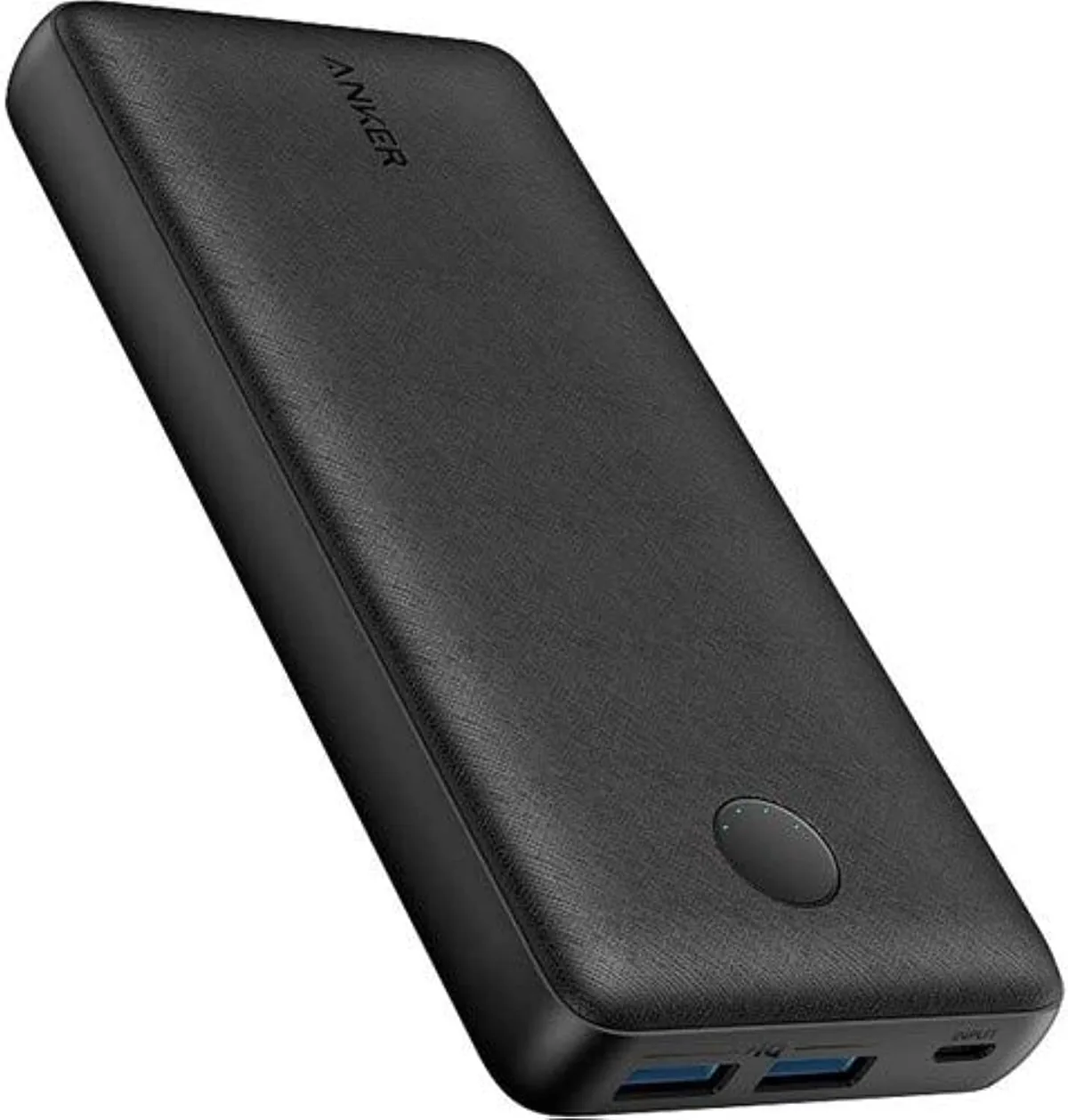
Anker PowerCore 20000mAh | 72Wh | Dual USB-A
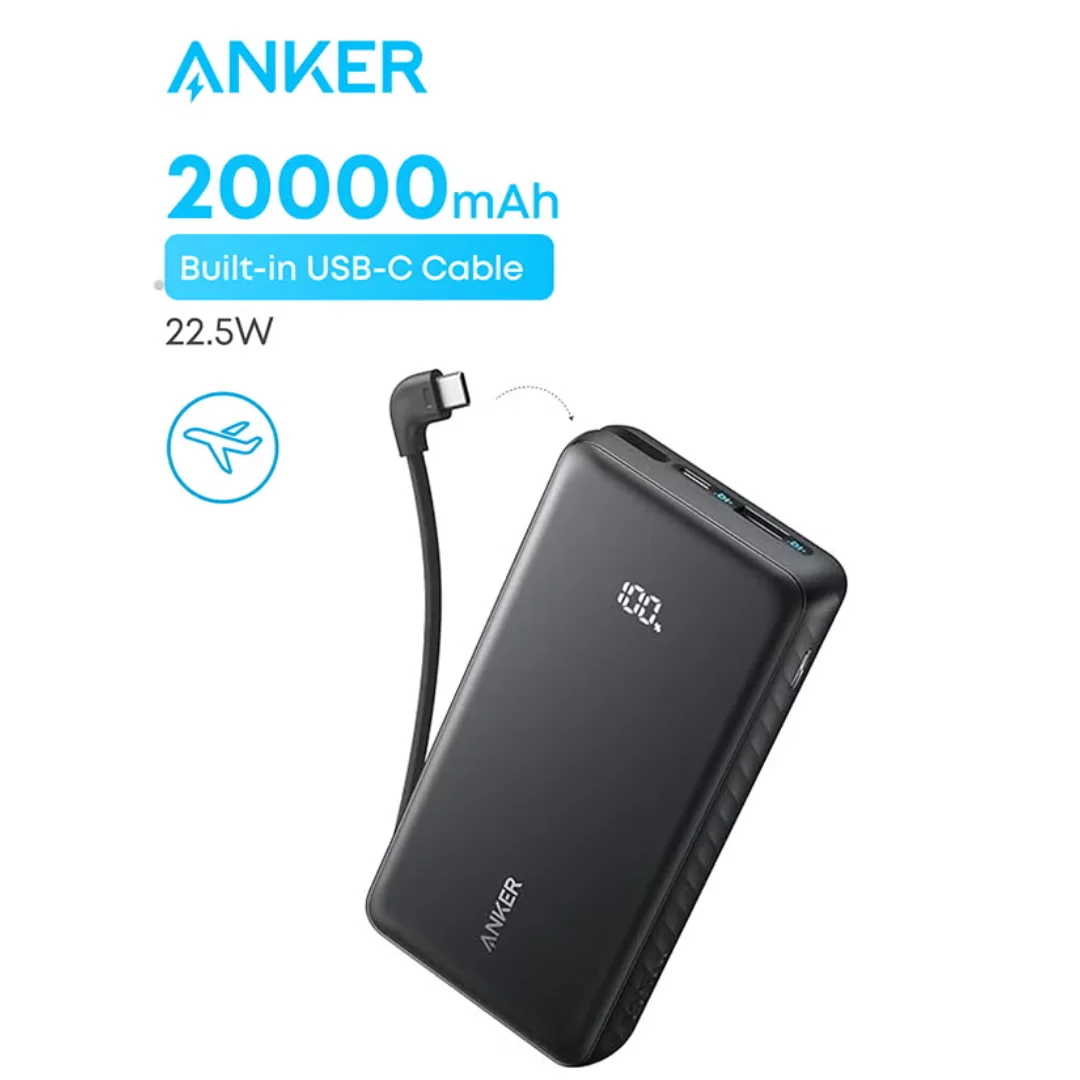
Anker ZOLO Power Bank 20,000mAh (22.5W) | Built-in Cable
Anker 521 PowerHouse 256Wh | 200W AC Outlet | LiFePO4
Anker PowerCore III Elite 26K 60W PD | Laptop Charging