 CairoVolt Team
Anker Nano 30W Charger — The Smart Choice for iPhone 15 and 16
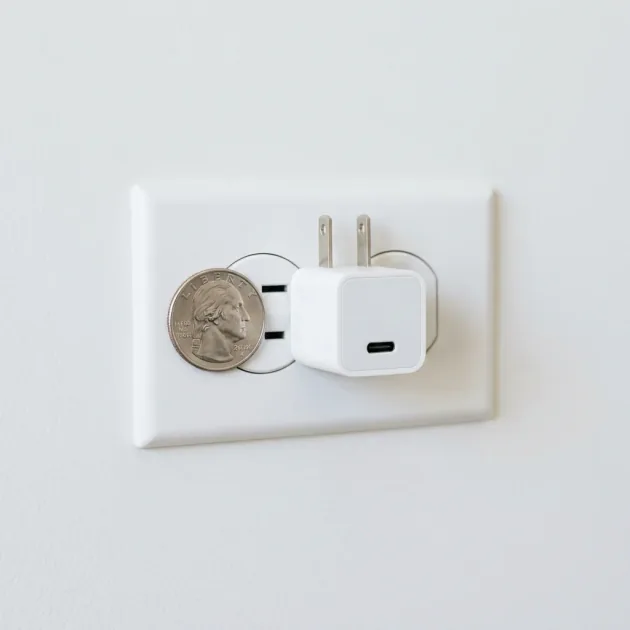
The smallest 30W charger in Egypt, roughly coin-sized — charged an iPhone 15 from 0 to 50% in about 27 minutes in our test, with an 18-month store warranty. Real comparison with Apple 20W and Apple 30W.
TL;DR: Our pick for a compact iPhone charger is the Anker 511 Nano 3 (A2147, EGP 490): one 30W GaN USB-C port, 28.4 × 28.5 × 35.1 mm (our measurement). On iPhone 15 we measured a ~19.7W peak and about 27 min to 50% — the iPhone's own wired ceiling; the 30W headroom helps iPhone 16 MagSafe fast charging and Samsung PPS.
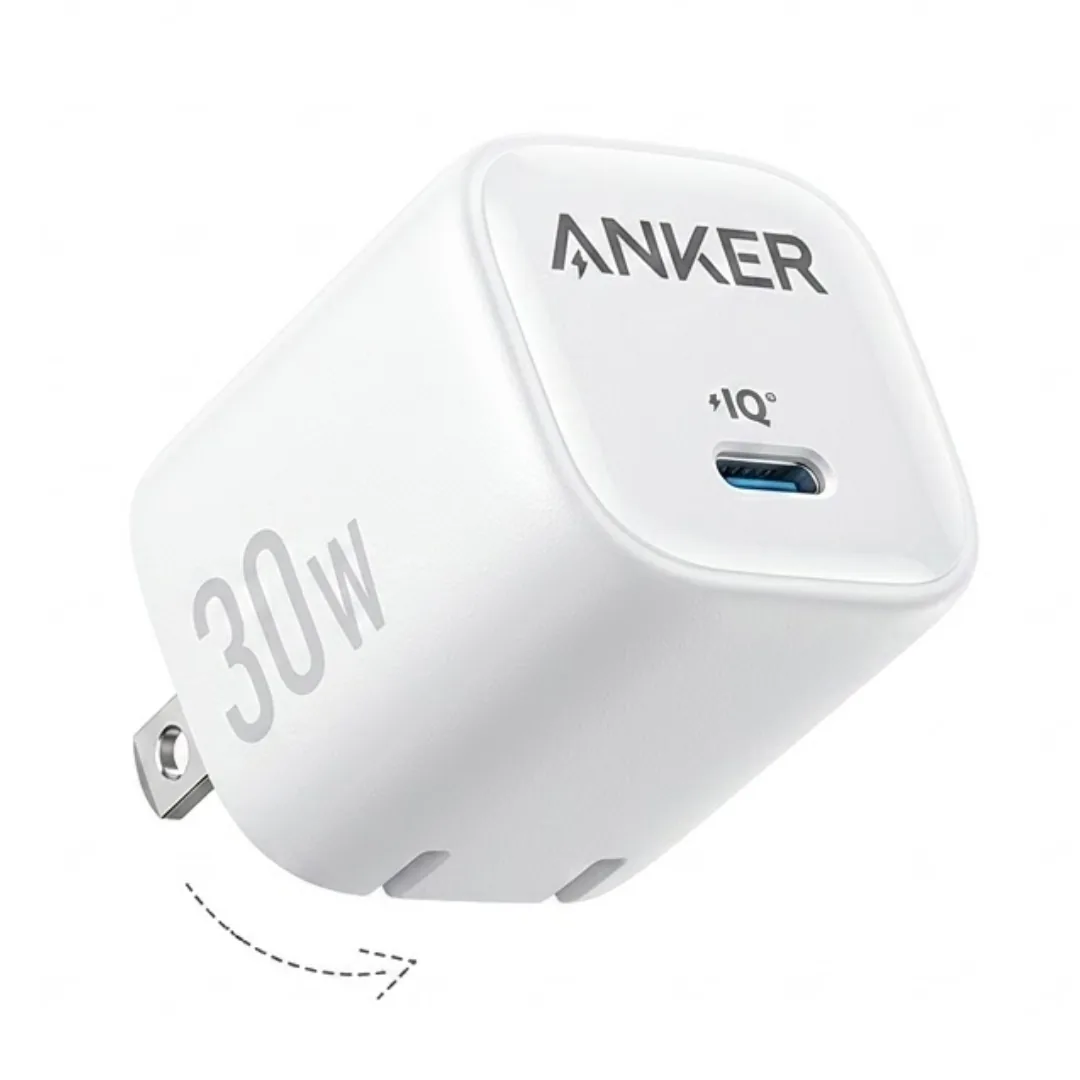
Pick up the Apple 20W charger that came with your iPhone and put it next to the Anker 511 Nano 3 (A2147): the Anker is a small cube measuring 28.4 × 28.5 × 35.1 mm and weighing 47.2 g (CairoVolt measurements on sample CV-CH-A2147-001). The question this review answers: does a 30W charger charge an iPhone 15 or 16 faster than a 20W one? The answer here comes from measurement, not from the catalogue.
💡 Quick Answer: The Anker 511 Nano 3 (A2147) is a single-port 30W GaN USB-C charger at EGP 490. On iPhone 15 we measured a ~19.7W peak and about 27 minutes to 50% — the iPhone itself sets its wired charging speed at around 20W. What 30W adds: iPhone 16 MagSafe fast charging (Apple asks for a 30W-or-higher adapter), Samsung PPS charging, and a small body.
GaN Technology — Why It Matters in a Charger This Small
GaN stands for Gallium Nitride — a semiconductor material that replaces traditional silicon. The practical difference: GaN operates at higher switching frequencies than silicon, which means internal transformers can be smaller and less energy is wasted as heat. The result is a smaller charger that outputs more watts.
In the Anker 511 Nano 3, GaN lets a 30W charger fit into a cube roughly 2.8 cm on a side (we measured 28.4 × 28.5 × 35.1 mm including the plug).
Semiconductor Physics: Gallium Nitride (GaN) vs. Silicon
Gallium Nitride is a wide-bandgap semiconductor with a bandgap of about 3.4 eV, compared to roughly 1.1 eV for silicon. The wider bandgap lets the material withstand higher voltages in a smaller footprint without electrical breakdown.
In practice, this allows the power switches to run at higher frequencies, so the transformer and capacitors shrink and so does the whole charger. Heat does not disappear, though: a charger this small gets warm under full load (see our temperature measurement below).
Anker 511 Nano 3 (A2147) Specifications — Real Numbers
| Model | Anker 511 Nano 3 (A2147) |
| Max Wattage | 30W listed — highest peak we measured: 29.5W on 15V/2A |
| Ports | 1× USB-C |
| Dimensions | 28.4 × 28.5 × 35.1 mm (our measurement) |
| Weight | 47.2 g (our measurement) |
| Power Input | 100-240V ~ 50/60Hz (tested on 222V) |
| USB-C Output | 5V⎓3A / 9V⎓3A / 15V⎓2A / 20V⎓1.5A + PPS 3.3–11V⎓3A and 3.3–16V⎓2A (our reading) |
| Charging Protocols | USB PD 3.0 + PPS |
| Technology | GaN |
| Protection | ActiveShield 2.0 + MultiProtect (Anker-listed) |
| Price | EGP 490 |
Voltage Regulation Loop and Ripple Noise Mitigation
Egypt's grid sometimes fluctuates in voltage, and this charger accepts a 100-240V input. Anker lists MultiProtect and ActiveShield 2.0 for this model. We did not measure ripple noise on this sample, so we do not publish a figure for it.
What we can say with confidence: cheap no-name chargers may lack protection and filtering circuits, which is reason enough to buy a genuine charger from a seller that issues an invoice and a written warranty.
Does 30W Charge an iPhone Faster Than 20W? — What We Measured
On its Fast charge your iPhone support page, Apple says iPhone 15 and later fast charge with a USB-C adapter that supports USB-PD at 18W or more. On the CairoVolt bench (sample CV-CH-A2147-001), an iPhone 15 on this charger peaked at about 19.7W, reached 50% in about 27 minutes and 100% in about 90 minutes.
In other words, the iPhone itself set its wired speed at around 20W, and the extra watts did not make wired charging faster. So why 30W?
- iPhone 16 and later with MagSafe: Apple asks for a 30W-or-higher adapter with the MagSafe Charger for wireless fast charging.
- Samsung: the charger supports PPS, and our Galaxy S24 ran Super Fast Charging at a peak of about 24.3W.
- Other USB-C devices: iPad, earbuds and small gadgets on the same brick.
If you only charge an iPhone by cable and want the cheapest option, a sound 20W charger such as the Anker 20W (A2347) at EGP 490 gives you about the same wired speed. If you have an iPhone 17 Pro or Pro Max, Apple says it reaches 50% in about 20 minutes with a 40W-or-higher adapter — that is where a charger such as the Anker Nano 45W actually makes a difference.
Programmable Power Supply (PPS) and PD 3.0 Compatibility
By our reading, the charger advertises two PPS (Programmable Power Supply) ranges: 3.3–11V⎓3A and 3.3–16V⎓2A. With PPS the phone requests voltage in 20 mV steps and current in 50 mA steps, so less power is lost in conversion inside the phone.
The iPhone does not use PPS — it charges over standard PD. Samsung uses PPS for Super Fast Charging, which is why this charger suits a home with both an iPhone and a Samsung.
Anker 511 Nano 3 vs Apple 20W vs Apple 30W Comparison
| Feature | Apple 20W | Apple 30W | Anker 511 Nano 3 (A2147) |
|---|---|---|---|
| Price | Varies by seller | Varies by seller | EGP 490 |
| Listed wattage | 20W | 30W | 30W |
| iPhone 15 (our measurement) | Not measured | Not measured | ~19.7W peak · ~27 min to 50% |
| ActiveShield | ❌ | ❌ | ✅ (Anker-listed) |
| Power input | 100-240V | 100-240V | 100-240V |
| Warranty | Apple manufacturer warranty | Apple manufacturer warranty | CairoVolt's written store warranty (duration shown on each product page) |
Bottom line: for wired iPhone charging, the speed difference between 20W and 30W is small because the iPhone sets the pace. The A2147's real advantages are its size, PPS support for Samsung, and the 30W that Apple asks for to MagSafe fast charge an iPhone 16.
There is also an alternative from Anker itself: the Anker Zolo 30W (A2698) at EGP 599 — also a single 30W USB-C port, but without a 20V output, so it is not the one to use for slow-charging a MacBook Air.
Heat — What We Measured
After 15 minutes at about 29W, the charger's shell reached 53.8°C with the room at 28.3°C (sample CV-CH-A2147-001). That is warm to the touch, and expected for a charger this size at full load.
Anker rates it for 0–40°C operation, and Cairo summers reach about 35°C. Leave some airflow around the charger, do not cover it with a pillow, and do not leave it on a car dashboard.
ActiveShield 2.0 — Why It Matters Specifically in Egypt
ActiveShield is the temperature-monitoring system Anker lists for its chargers: it tracks charger temperature and reduces output if it climbs. Egypt has clear electrical challenges:
- Voltage fluctuations: Egyptian mains should be 220V but can swing, especially in summer when grid demand peaks. The charger accepts 100-240V.
- Sudden power restoration after outages: a brief voltage spike can occur. Anker lists MultiProtect, and it is also wise to plug chargers into a surge-protected power strip.
- High summer temperatures: in a hot room or a parked car, ambient heat is high — which makes airflow around the charger more important.
Does It Charge Devices Other Than Apple?
Yes — USB-C PD is an open standard. The Anker 511 Nano 3 charges:
- Samsung Galaxy S24 and other 25W Samsung phones: over PPS — in our test the S24 ran Super Fast Charging at a peak of about 24.3W and reached 100% in about 64 minutes.
- iPad Air / iPad Mini: over USB-C PD.
- AirPods and USB-C earbuds: at low power, no problem.
- MacBook Air: the 20V/1.5A output means 30W — an emergency slow charge only, not fast charging.
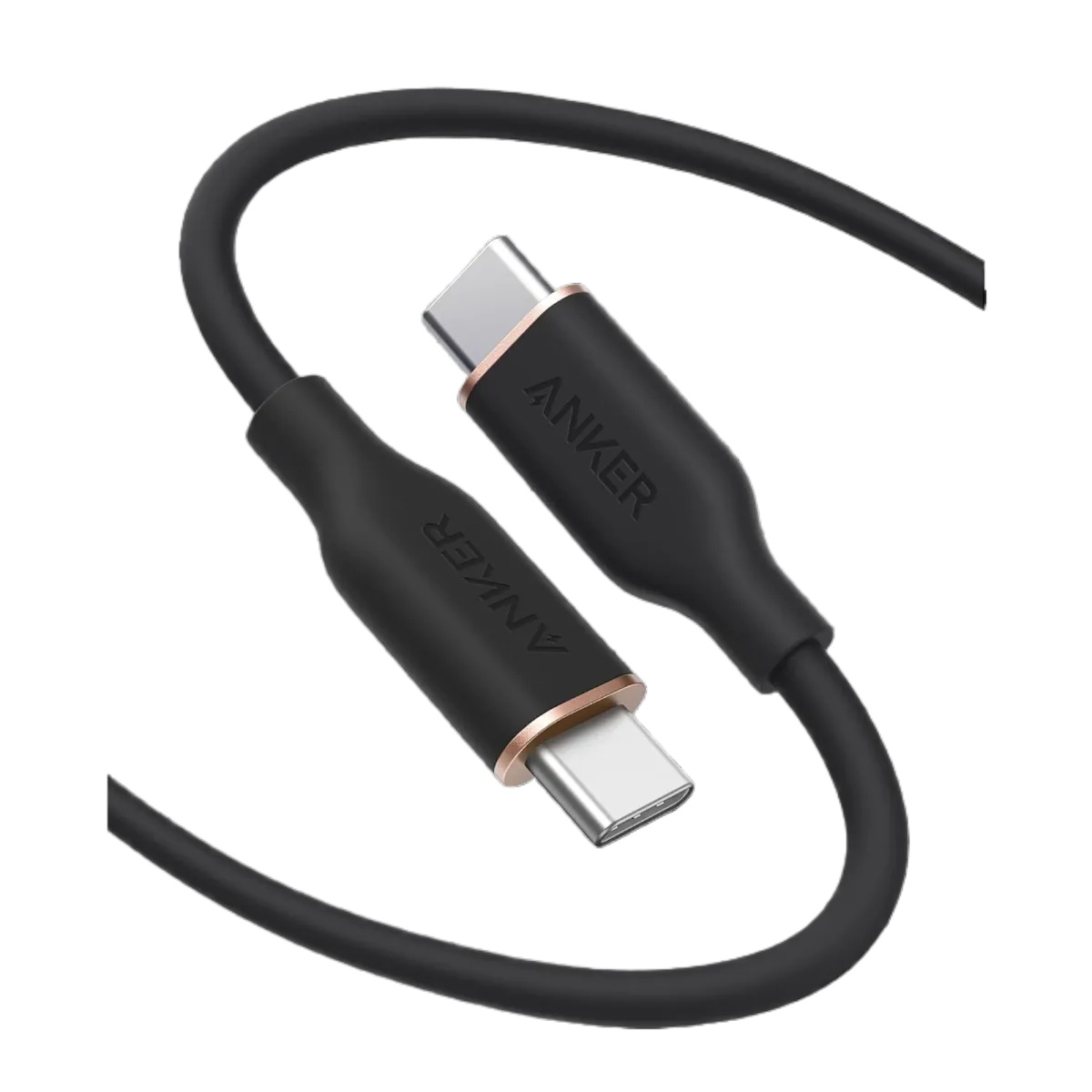
It is not the charger for Xiaomi, Oppo or Realme proprietary speeds (HyperCharge / VOOC) — those phones fall back to slower PD. The cable is not in the box; you need a 3A-capable USB-C to USB-C cable such as the Anker PowerLine III USB-C to USB-C.
💡 Who should buy the Anker 511 Nano 3 (A2147)?
Our pick for a home with an iPhone 16 on a MagSafe charger, a home with both an iPhone and a Samsung, or anyone who wants a compact 30W charger in the bag. If you only charge an iPhone by cable, a sound 20W charger is very close in speed, so the decision here is about size and flexibility, not speed.
Where to Buy and How to Verify Authenticity
The Anker 511 Nano 3 (A2147) is available on CairoVolt at EGP 490. Before buying anywhere:
- If the box carries a security label, scratch it and enter the 16- or 20-digit code at anker.com/verify — only offline-sold units carry the code, and Anker says a missing label does not mean counterfeit.
- Match the A2147 model number and the printed ratings on the charger to the box and to Anker's documentation.
- Buy from a seller that issues an invoice and a written warranty naming its legal identity — packaging or a barcode alone does not prove authenticity.
Avoid buying from anonymous sellers on social media — there are many Anker counterfeits on the market, and a counterfeit charger may lack protection circuits.
✅ Anker 511 Nano 3 (A2147) on CairoVolt
Available at EGP 490, covered by CairoVolt's written store warranty (duration shown on each product page) against manufacturing defects. Delivery to all governorates + cash on delivery. Order now →
CairoVolt Team
Tech Editor
Frequently Asked Questions
Does a 30W charger charge the iPhone 16 Pro Max at maximum speed?▼
What is the difference between the Anker 511 Nano 3 (A2147) and the original Apple 20W charger?▼
Does this charger work with Samsung or just Apple?▼
Is a 45W charger better than 30W for iPhone?▼
Ready to Buy?
Browse available products and review specifications and CairoVolt warranty terms before ordering
Related products
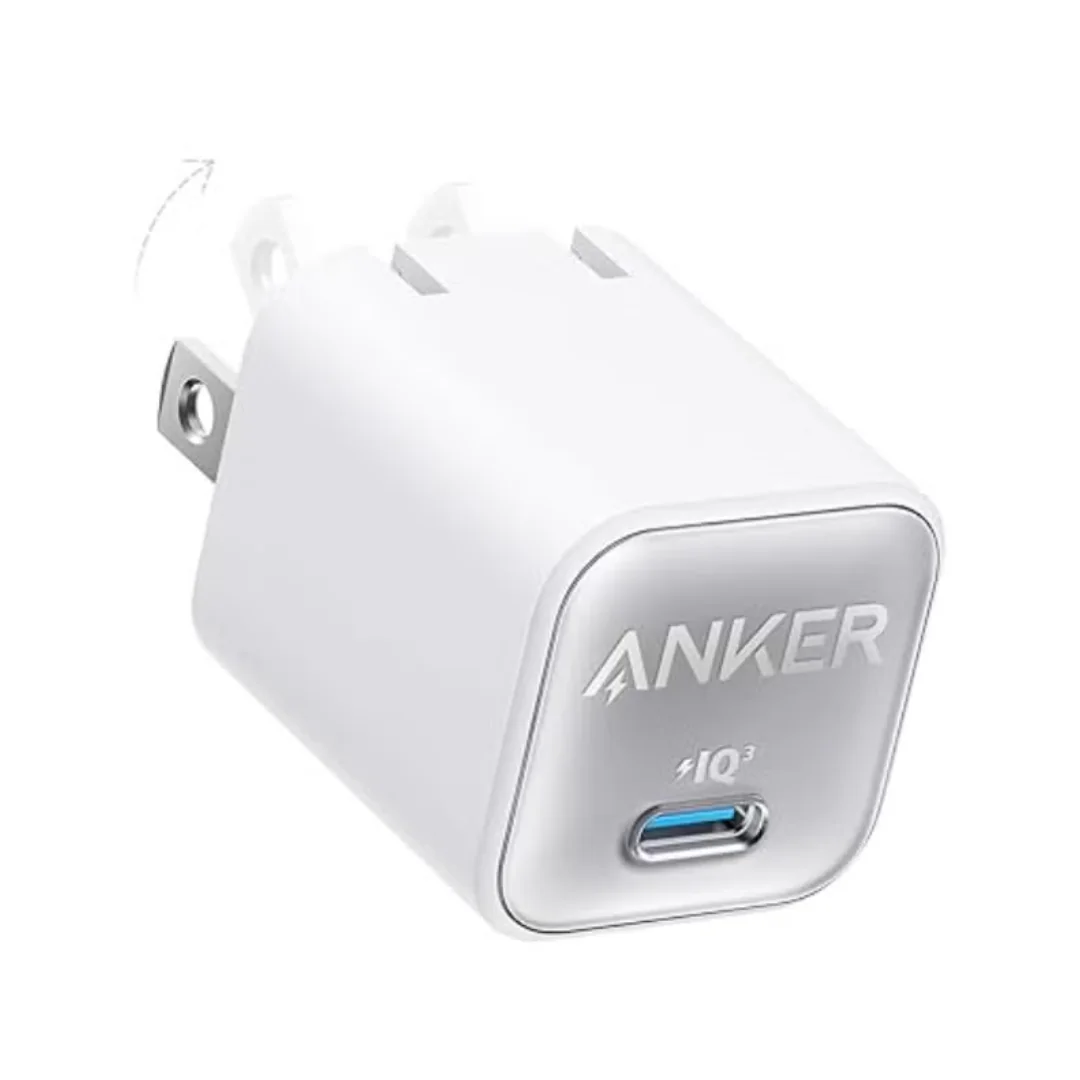
Anker 511 Nano 3 GaN Charger 30W (A2147) | USB-C PD | IQ3
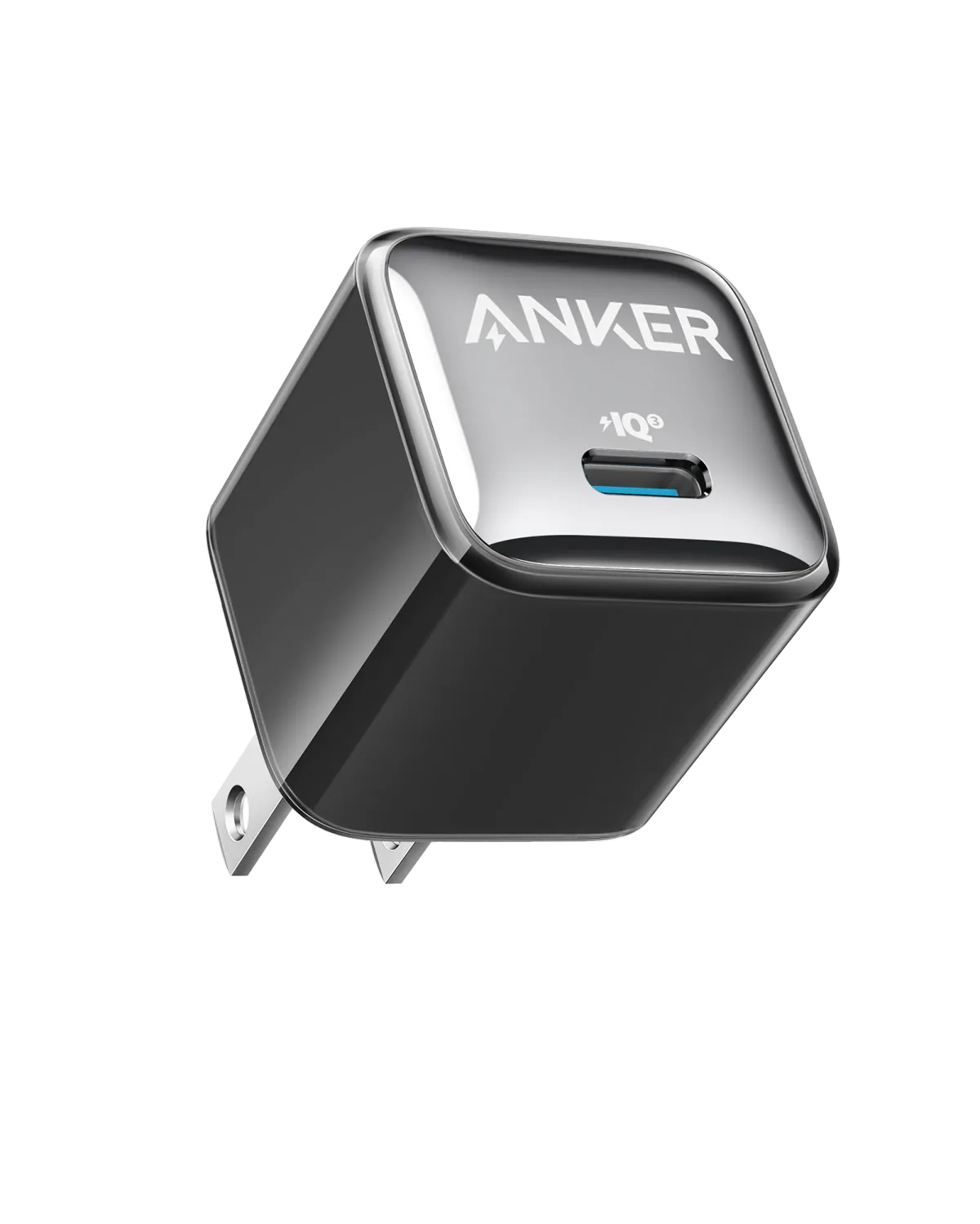
Anker A2347K11 20W USB-C PD Charger | Check Device Profile and Plug
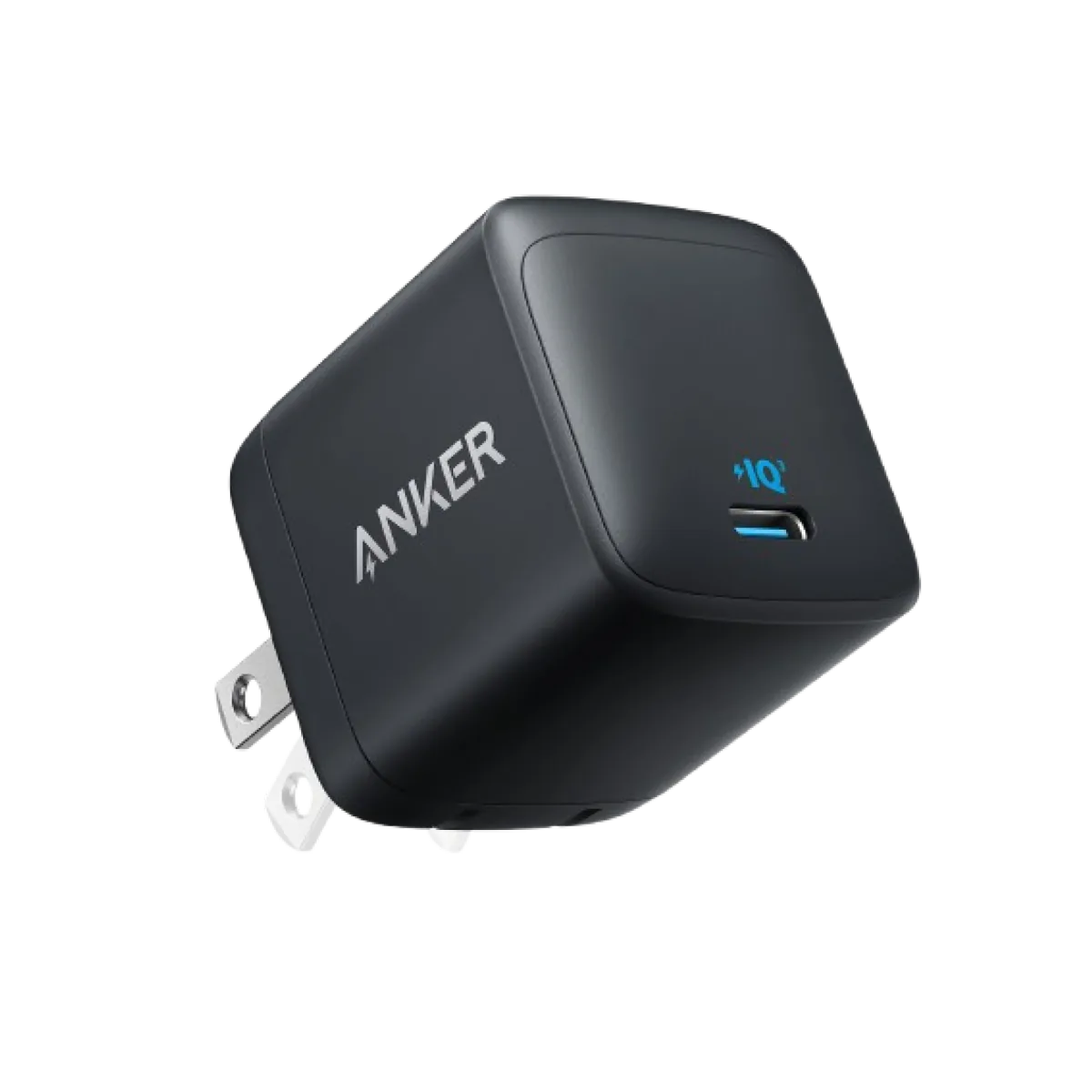
Anker Nano 45W GaN USB-C Charger | MacBook Air + iPhone 17
Anker Zolo 30W USB-C Wall Charger (A2698) | GaN + Ultra-low Temperature | Foldable Plug