This scene plays out daily in every phone accessories shop in Egypt: you walk in to buy a Samsung charger, the seller pulls one from a drawer and says "Original, sir — look at the box!" — and the box does look perfect. But the problem is that in 2026, counterfeits have become so convincing that even an electronics engineer could be fooled if they're not paying attention. In our Quality Control lectures, we used to say: "The difference between an original product and a counterfeit isn't in the appearance — it's in the internals you can't see." But today, we're teaching you 5 things you CAN see from the outside — without opening the charger — that expose counterfeits while you're still standing at the store.
In this article, you'll learn: (1) the weight test that catches 80% of fakes, (2) printing details that counterfeits can't replicate, (3) plastic texture differences that give them away, (4) the quick smell test, and (5) official barcode verification.
Difference #1: Weight — The Scale Never Lies
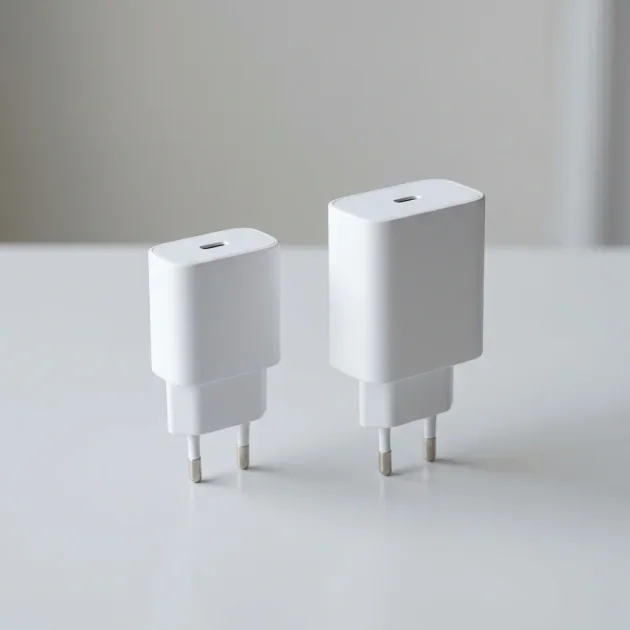
This is the easiest and fastest method — yet 90% of people never do it. The original Samsung 25W charger (EP-TA800) weighs exactly 52 grams. Counterfeits weigh 35-42 grams. This difference isn't coincidental — it's because the original charger contains:
- A transformer with a genuine ferrite core — counterfeits use a smaller or cheaper core
- Multiple MLCC (Multi-Layer Ceramic Capacitors) — counterfeits use 1-2 instead of 6-8
- Complete protection circuitry (OVP + OCP + OTP + SCP) — counterfeits remove most of these
Practical method: bring your phone to the store. Open a digital scale app, or simply hold the charger and compare it to your old charger that you know is genuine. If you feel a noticeable difference in lightness — put that charger down and walk away.
⚖️ Reference Weight Numbers:
Samsung 25W (EP-TA800): 52g · Samsung 45W (EP-TA845): 92g · Samsung 15W (EP-TA200): 38g — if the charger is more than 5g lighter than these numbers, it's suspicious.
Difference #2: Print Quality — Small Details Expose Big Lies
Samsung uses high-resolution laser printing on the plastic — not regular ink. The differences show in:
- Text sharpness: Original letters are crisp as if etched into the surface. Counterfeit letters are faded or show "bleeding" (ink spreading around characters)
- Text alignment: Original text is perfectly straight. Counterfeits may show a 1-2 degree tilt — subtle but noticeable when compared to a genuine unit
- CE marking: On the original, the spacing between C and E follows the European standard. On counterfeits, the letters are too close together or touching (this is called "China Export" instead of "Conformité Européenne"!)
- Model number: The original reads EP-TA800 or EP-T2510 — search this number on Samsung's website. Counterfeits may show a different number or misspell a character
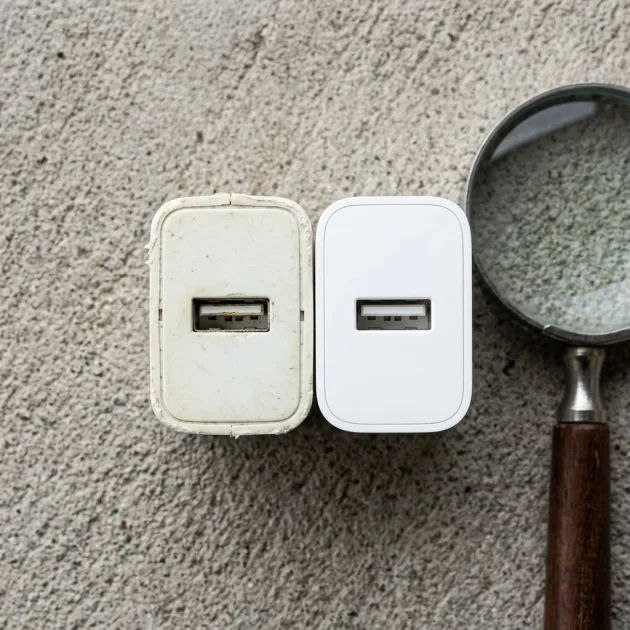
Practical tip: photograph the back of the charger with your phone camera and zoom in. Details invisible to the naked eye become obvious when magnified.
Difference #3: Plastic Texture — Your Hands Are Smarter Than Your Eyes
Samsung uses PC/ABS grade plastic with a matte finish. Counterfeits use cheap ABS plastic with a glossy finish. The difference is felt in:
- Texture: The original feels smooth but not slippery — like a new TV remote. The fake feels either slippery or has irregular roughness
- Visual weight: The original is a consistent bright white. Counterfeits may appear slightly yellowish or show color variation
- Mold lines: Original parting lines are thin and even. Counterfeit lines are wide or show plastic burrs
In physics, we say: the surface finish reflects the quality of the injection molding process. If the mold is cheap, the final product shows it — even if the overall shape resembles the original.
Difference #4: Plastic Smell — Your Nose Is More Honest Than Your Eyes
This test makes people laugh when I tell them about it — but it's one of the most accurate tests you can do at the store. The original charger has virtually no smell — the plastic used is food-grade PC/ABS that's been post-cured. Counterfeits use recycled or low-grade plastic — which has a noticeable chemical odor similar to a cheap new plastic toy.
The method: open the box, take out the charger, bring it close to your nose. If you detect a sharp chemical smell — even a mild one — that's a strong indicator of cheap plastic. And cheap plastic isn't just about the smell — it also deforms under high temperatures. A charger delivering 25W reaches 60-70°C internally — if the plastic can't handle that, you could get warping or even melting in worst-case scenarios.
Difference #5: Barcode Verification — The Final Test
Samsung places a QR code or barcode on every original charger box. This barcode links to Samsung's global product database. To verify:
- Scan the QR code with your phone camera
- It should direct you to an official Samsung page (samsung.com/eg or samsung.com)
- If the page confirms the product is genuine — you're good
- If the link doesn't work or leads to a suspicious site — it's counterfeit
But beware: sophisticated counterfeits use stolen barcodes from genuine packaging — meaning the barcode actually works! That's why the barcode alone isn't enough — you need to combine it with the other 4 tests.
⚠️ Important Warning:
If the seller refuses to open the box before you pay — that's a red flag in itself. A seller with genuine products has no reason to prevent inspection.
Quick Comparison Table: Original vs Counterfeit
| Criterion | ✅ Original | ❌ Counterfeit |
|---|---|---|
| Weight (25W) | 52g | 35-42g |
| Printing | Laser-sharp | Faded ink |
| Plastic | Matte PC/ABS | Glossy ABS |
| Smell | No odor | Chemical odor |
| Voltage Ripple | < 120mV | 400-800mV |
| Warranty | 12-month official | None |
The Smart Alternative: Genuine Chargers at Better Prices
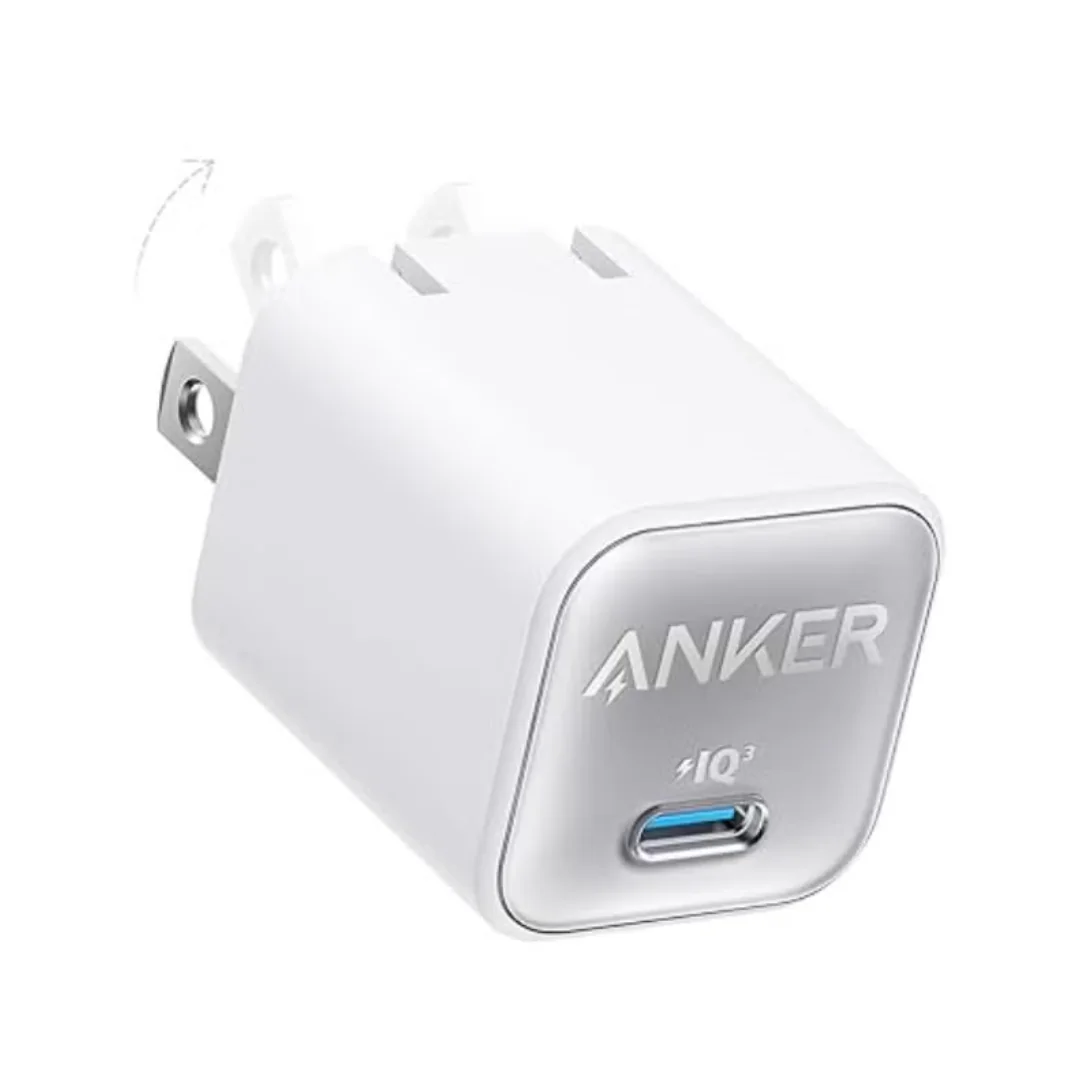
If you don't want to play the "original or fake" game with phone shop sellers — there's a simpler solution: buy a charger from a trusted brand with an official Egyptian warranty. The Anker PowerPort 25W delivers the same power as Samsung's original charger — 25W PD 3.0 — but at 30-40% less cost with an 18-month warranty. For something more powerful, the Anker 30W charger charges 20% faster and comes in a smaller package thanks to GaN technology.
If budget is a priority, the Joyroom 25W charger is an excellent option at an economical price with genuine safety certifications. The bottom line: any charger with an official warranty beats a "genuine" Samsung charger from an unverified seller.
And don't forget the cable — the Anker USB-C cable is USB-IF certified and withstands 25,000 bend cycles. Counterfeit cables break within 3 months and can cause slow charging even with a genuine charger.
What Happens If You Buy a Fake Without Knowing?
Let me share a real story from one of CairoVolt's customers. He bought a "Samsung 25W" charger from a shop in downtown Cairo for 250 EGP — happy that he saved 400 EGP. After 3 weeks, his phone started overheating during charging to the point where he couldn't hold it. After 2 months, battery health dropped from 97% to 82%. After 4 months, the battery started swelling — and the phone began shutting down at 25%. Result: he went to the service center and paid 2,800 EGP for a battery replacement. The 400 EGP he "saved" cost him 2,800 EGP plus time and stress.
This isn't scaremongering — it's physics. A counterfeit charger lacks:
- Over-Voltage Protection (OVP): The original cuts off if voltage exceeds 5.5V. A fake can deliver 6V+ to your phone — destroying the charging IC
- Over-Current Protection (OCP): The original precisely limits amperage. Fakes can push more current than your phone needs
- Over-Temperature Protection (OTP): The original reduces power when temperature rises. Fakes don't have a temperature sensor at all — they keep charging at full power even at 80°C
- Ripple regulation: The original outputs clean current (ripple below 120mV). Fake charger ripple reaches 800mV — it's like drinking water with sand: your phone receives the energy but with "noise" that degrades battery life
What nobody tells you: counterfeits can cause short circuits in worst-case scenarios. In 2024, UL Labs documented 47 fire incidents in the Middle East and North Africa caused by counterfeit chargers. This isn't about slow charging — it's a real safety risk for your phone and your home.
Final Tip: The 3-Test Quick Rule
You don't need to perform all 5 tests every time. For a quick assessment, do just 3:
- Hold and compare the weight — 5 seconds
- Zoom in on the printing — 10 seconds
- Smell the plastic — 3 seconds
If any of the 3 fail — don't buy it. If all 3 pass — run the barcode verification for final confirmation. Remember: a counterfeit charger saves you 200 EGP today and costs you 3,000 EGP in battery replacement after a year. The math is clear — you don't even need a calculator.
🛒 Related Products from CairoVolt:
Based on this article, here are our picks: Anker PowerPort 25W Charger · Anker 30W Charger · Joyroom 25W Charger · Anker USB-C Cable.

CairoVolt Editorial Team
Content team reviewing specifications and buying guides
The CairoVolt team reviews model numbers, specifications, and compatibility, and updates information when better data is available. Estimates are labeled as calculations, and readers can report information that needs correction.
Frequently Asked Questions
How can I verify a Samsung charger is original while still at the store?▼
Can a fake Samsung charger actually damage my phone?▼
How much does an original Samsung 25W charger cost in Egypt?▼
Is there an app or website to verify Samsung charger authenticity?▼
Ready to Buy?
Browse available products and review specifications and CairoVolt warranty terms before ordering
Products Mentioned in This Article
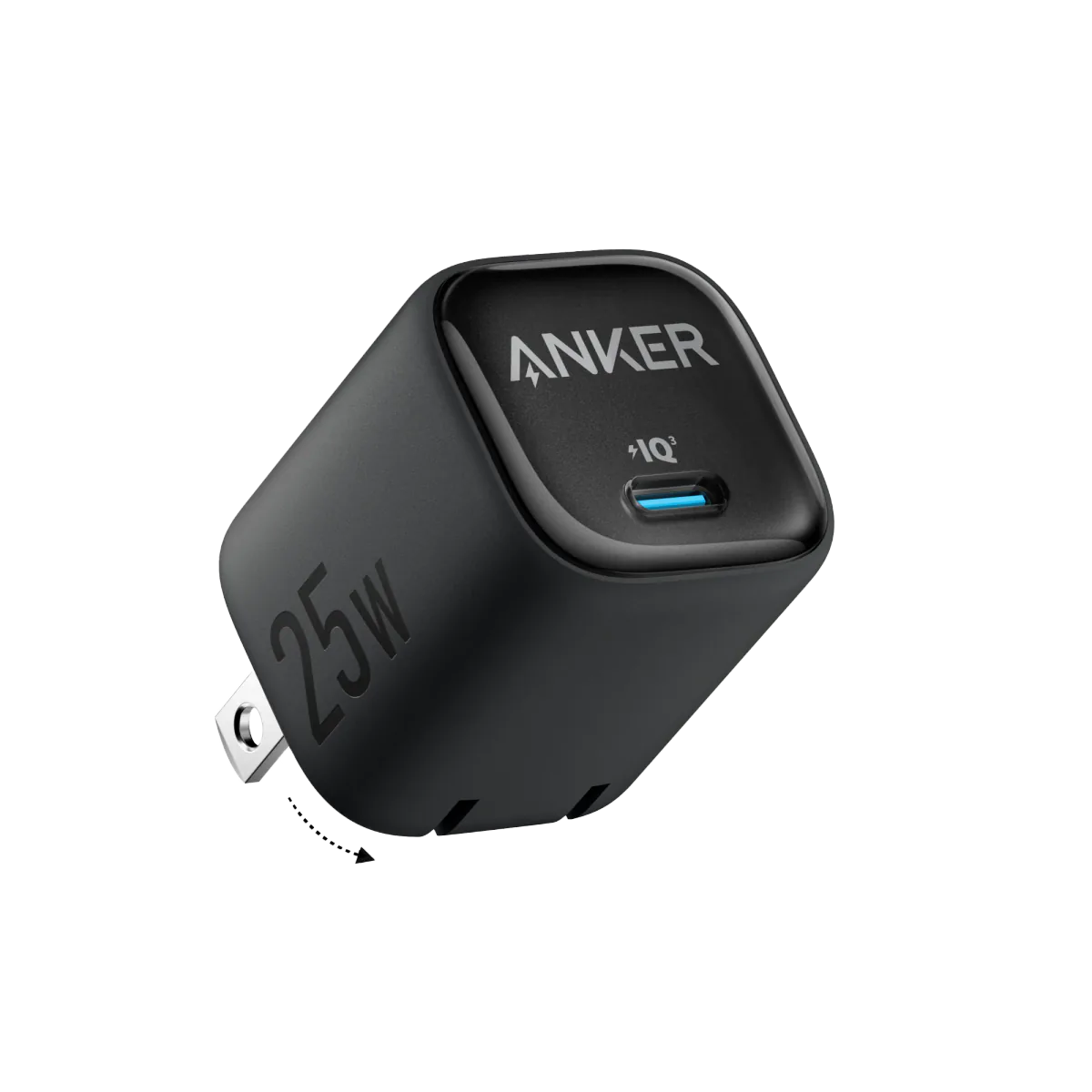
Anker 25W PPS Charger (A2322K11) | Samsung-Compatible USB-C PD
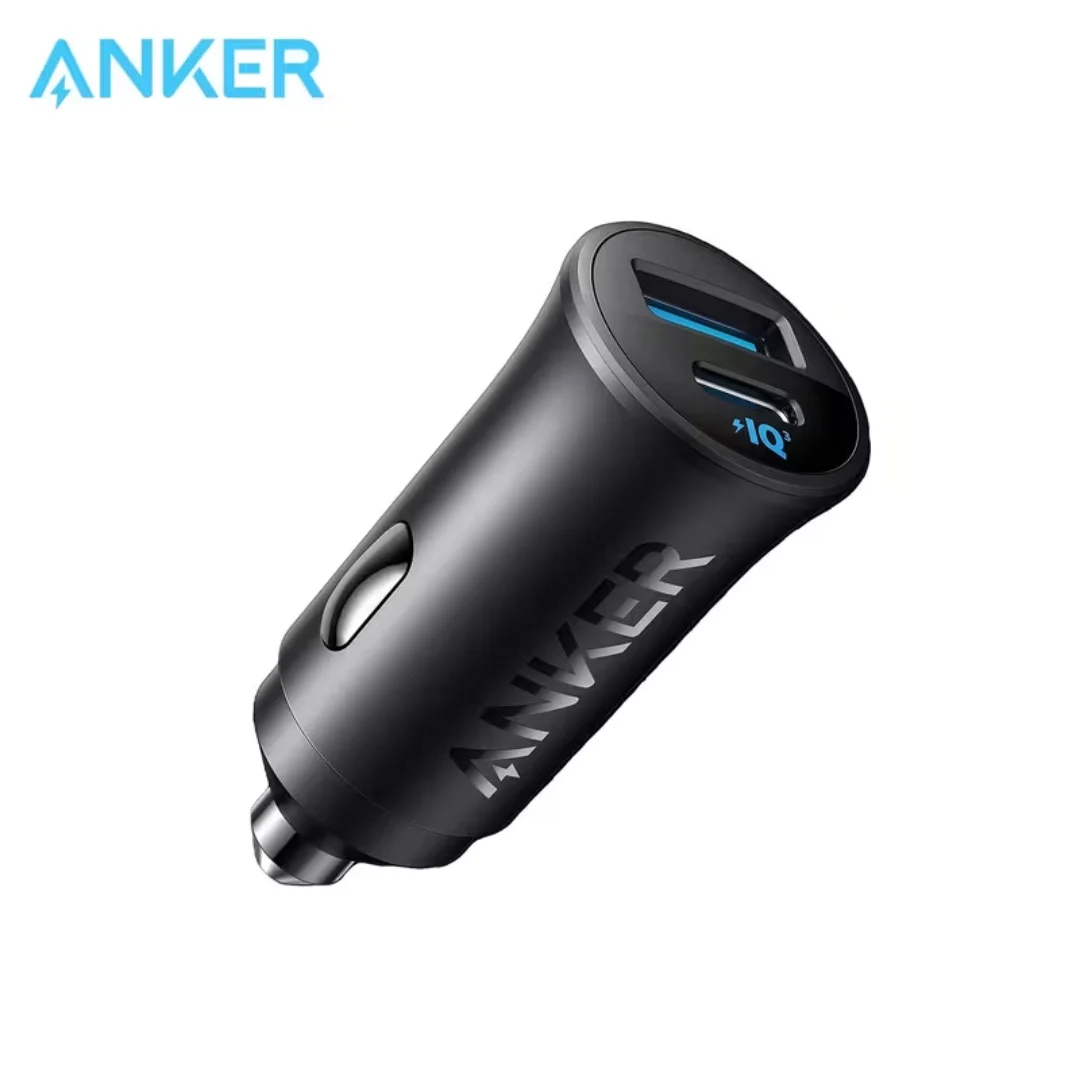
Anker 30W Mini Car Charger (A2741) | USB-C 30W PD + USB-A 22.5W | Ultra-Compact
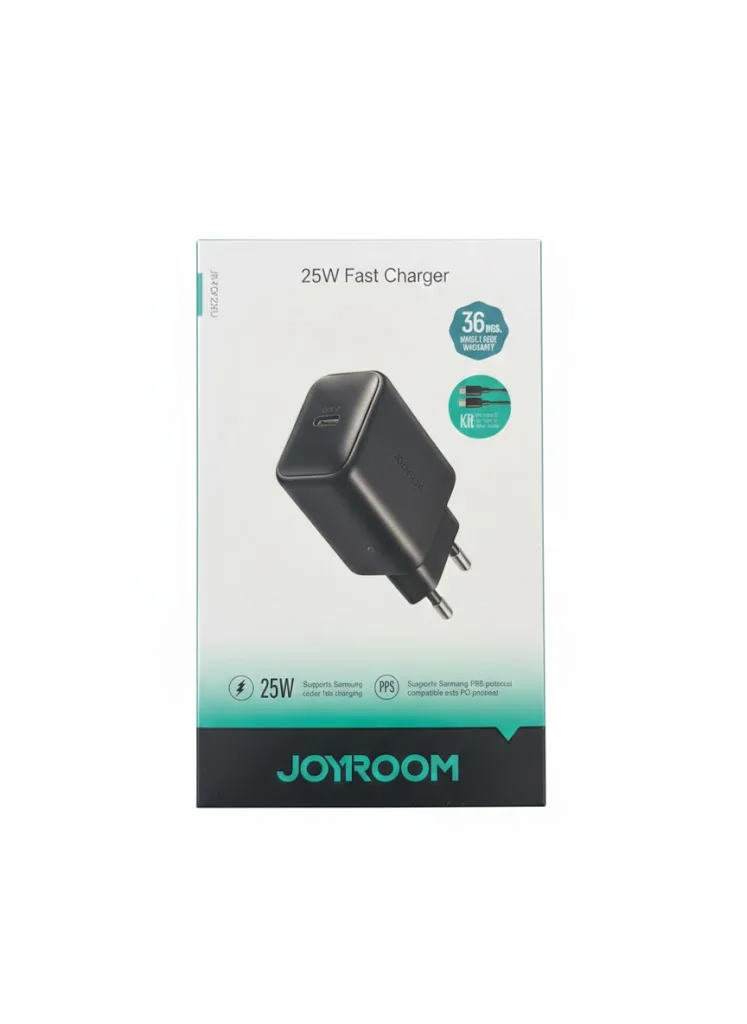
Joyroom 25W USB-C PD Charger (JR-TCF23) | iPhone and Samsung Compatibility
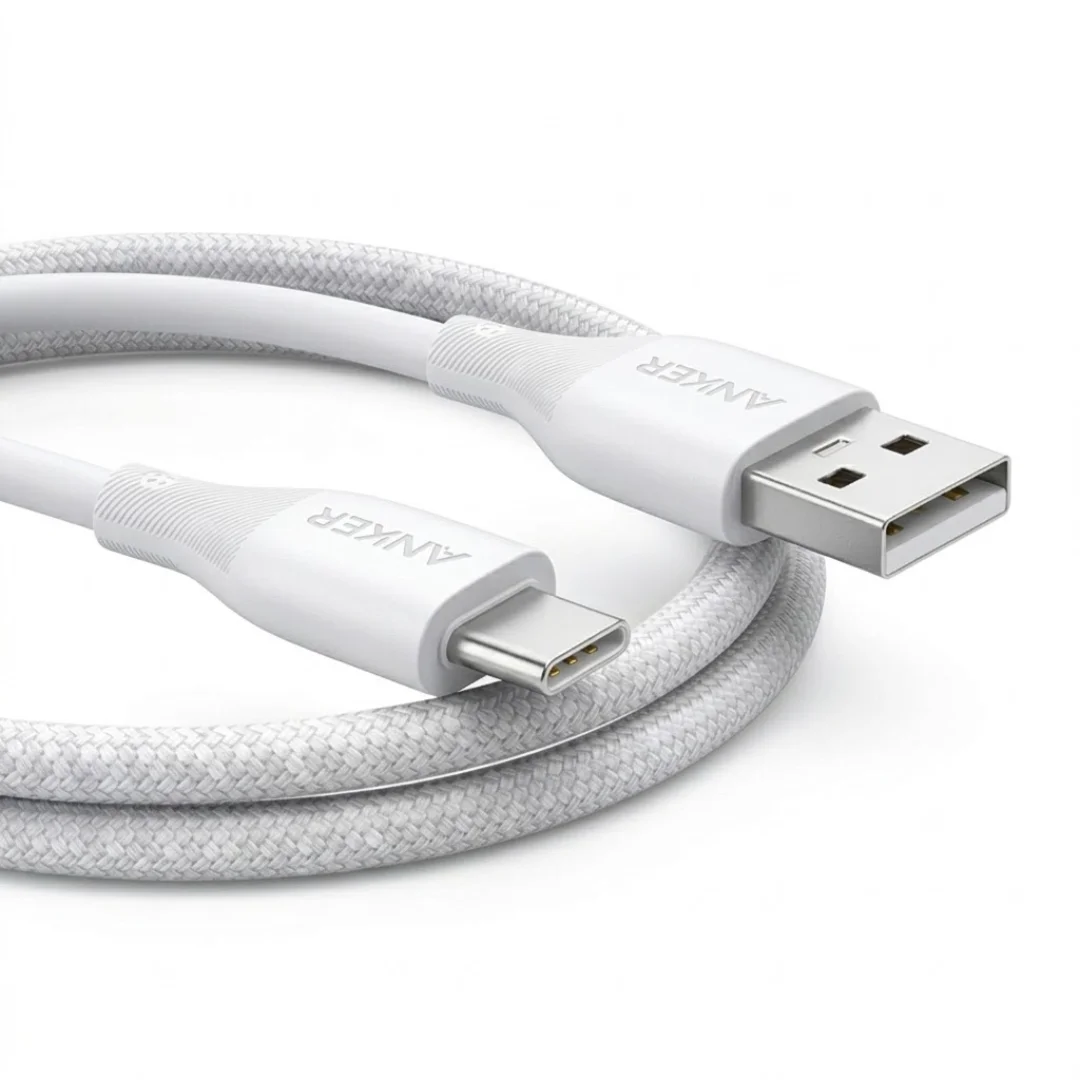
Anker USB-A to USB-C Cable (A8050) | Braided Nylon 1.8m | Fast Charging
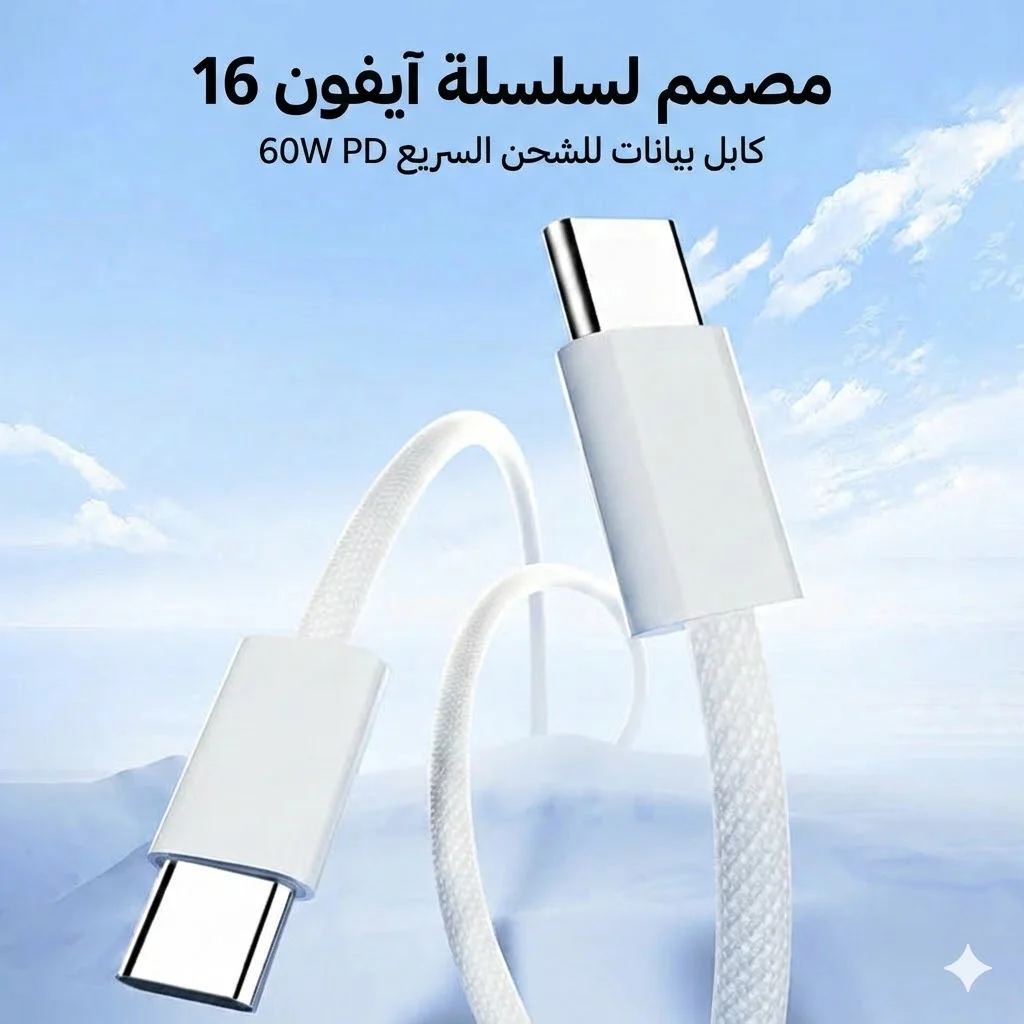
Joyroom 60W USB-C to USB-C Fast Charging Cable