 CairoVolt Team
HyperJuice Professional Chargers — When Do Photographers, Designers, and Editors Actually Need One?
HyperJuice chargers range from 100W to 245W — built for professionals charging a laptop, camera, and phone simultaneously. Find out when they are worth it and when an alternative saves you money.
In short: HyperJuice chargers are genuinely worth it if you charge 3 USB-C PD devices simultaneously (laptop + camera + phone) and need sustained 100W+. The 100W model (~2,800 EGP) suits field photographers, 145W (~3,500 EGP) suits editors with MacBook Pro 16", and 245W (~5,200 EGP) suits studio workstations. If you use only one or two devices — an Anker GaN 45-65W charger does the same job at half the price.
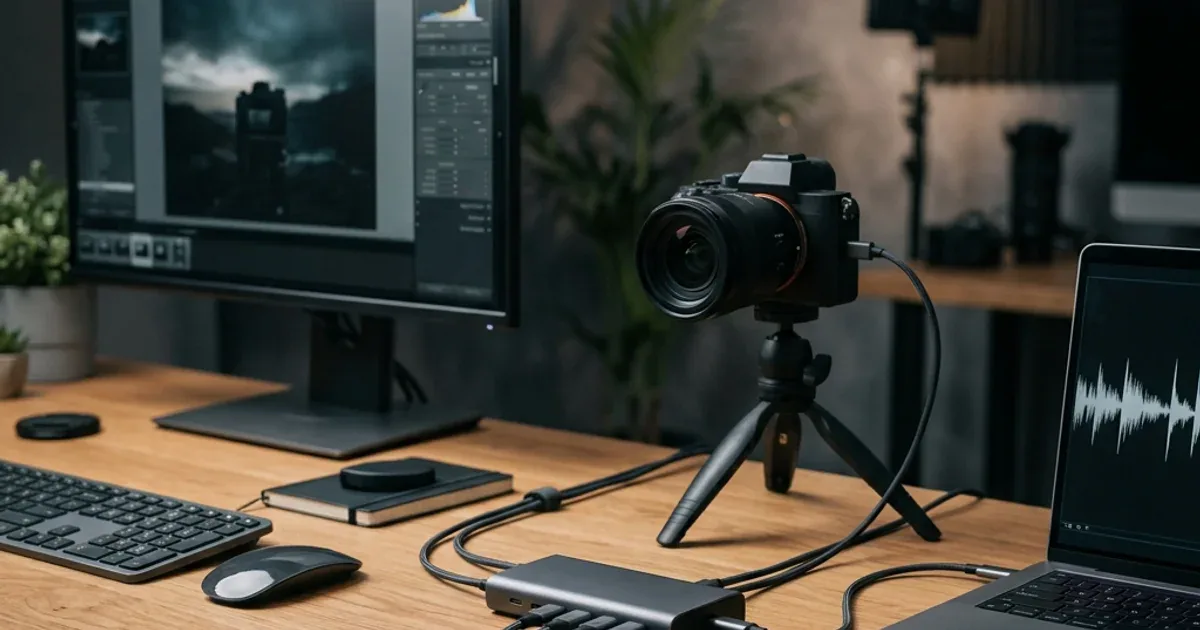
You are a freelance photographer. You just returned from a shoot in Pyramids Gardens at 6 PM. The first camera battery is dead. Your laptop is at 18% because you were reviewing photos in the car. Your phone is at 9% because GPS and Instagram Stories drained it. And your client is messaging on WhatsApp: "Are the photos ready?" — and you have 3 devices that all need charging at the same time with only one available outlet at home. At that moment, you wish you had a single charger that powers everything — instead of playing musical chairs with chargers until 2 AM.
HyperJuice chargers are designed precisely for this scenario — a professional with multiple devices that all need charging "right now, not tomorrow." But the real question is: do you actually need a charger costing 3,000-5,000 EGP, or will a standard GaN charger at half the price do the same job? In this article, we analyze each model with real numbers and tell you honestly: "buy it" or "save your money."
💡 Quick Answer: HyperJuice chargers are genuinely worth it if you charge 3 USB-C PD devices simultaneously (laptop + camera + phone) and need sustained 100W+. The 100W model (~2,800 EGP) suits field photographers, 145W (~3,500 EGP) suits editors with MacBook Pro 16", and 245W (~5,200 EGP) suits studio workstations. If you use only one or two devices — an Anker Nano 45W does the same job at half the price.
What Makes HyperJuice Different from Other GaN Chargers? — A Numbers Comparison
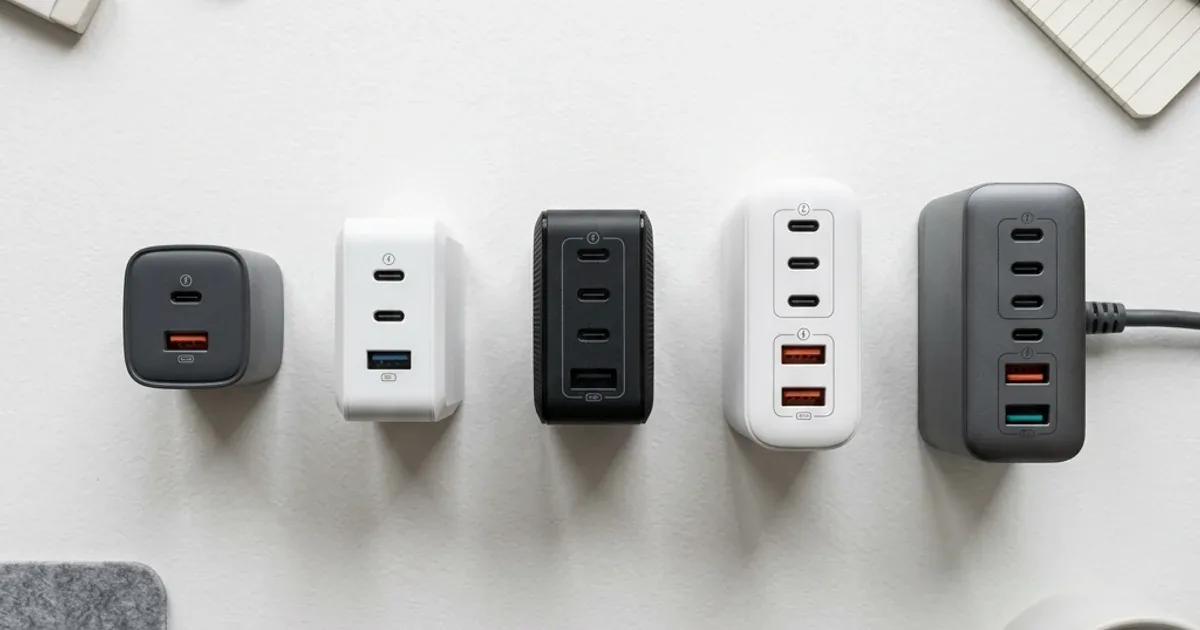
HyperJuice — made by the American company Hyper — has specialized in professional chargers since 2009. The core difference from Anker or Baseus is not the technology (they all use GaN), but three specific things: (1) higher total power output (starting at 100W, reaching 245W), (2) smarter power distribution across ports, and (3) a thermal design engineered for sustained operation over hours — not just 30-minute bursts before throttling kicks in.
| Comparison | HyperJuice 100W | HyperJuice 145W | HyperJuice 245W |
|---|---|---|---|
| Total Power | 100W | 145W | 245W |
| Ports | 3× USB-C + 1× USB-A | 3× USB-C + 1× USB-A | 4× USB-C (each 100W capable) |
| GaN Generation | GaN II | GaN II | GaN III |
| Weight | 218g | 295g | 520g (desktop) |
| Use Case | Travel + field shooting | Hybrid (travel + office) | Desktop workstation |
| Approximate Price (Egypt) | ~2,800 EGP | ~3,500 EGP | ~5,200 EGP |
| Foldable Prongs | ✅ Yes | ✅ Yes | ❌ C8 cable (desktop) |
| International Travel Adapters | ✅ EU/UK/AU swappable | ✅ EU/UK/AU swappable | ❌ No (stationary desktop) |
Summary from the table: 100W for photographers who are always on the move. 145W for editors who use a MacBook Pro 16" (which alone draws 96W). 245W for a full studio setup — 4 devices on a single outlet.
Real-World Scenario: A Full Day for an Egyptian Photographer with a HyperJuice 100W
Here is how one charger replaces 4 separate chargers throughout your day:
- 🌅 7:00 AM — Preparation: MacBook Air at 45%. Plug into HyperJuice 100W — draws 67W (MacBook Air's max). From 45→90% in 35 minutes. Phone in the second port drawing 25W. Both ready before you leave.
- 📸 10:00 AM — At the shoot location: Camera battery dead. Modern cameras (Sony A7IV, Canon R6 II) support USB-C PD charging. Plug the camera into port one — draws 15-20W. Phone in port two. LED light in port three. All from one charger + one wall outlet.
- 🏠 5:00 PM — At home (editing): Laptop plugged in and the charger delivers sustained 100W without throttling. Camera charging. Phone too. No "wait for this device to finish first."
- 🌙 11:00 PM — Delivery: All devices at 100%. Photos uploaded to the client. No musical chairs with chargers.
When HyperJuice Is Worth the Price — and When the Alternative Saves Money: 5 Scenarios
| Scenario | Best Charger | Reason |
|---|---|---|
| Freelance photographer — 3+ devices daily | HyperJuice 100W ✅ | 4 ports + international travel adapters + thermal design for sustained operation |
| Video editor on MacBook Pro 16" + external display | HyperJuice 145W ✅ | MacBook Pro 16" alone draws 96W — needs 145W to have headroom for other devices |
| Editing studio — 4 devices simultaneously | HyperJuice 245W ✅ | Each port can deliver 100W — meaning 2 laptops + camera + phone simultaneously |
| Graphic designer — laptop + phone only | Anker 45W sufficient 💰 | Anker Nano 45W at 790 EGP charges a MacBook Air or a phone (one USB-C port, one device at a time) |
| Engineering student — laptop only | Anker 30W sufficient 💰 | Anker GaN 30W charges ultrabook laptops — 85% cheaper |
The golden rule: if you charge fewer than 3 USB-C devices daily — HyperJuice is overkill. An Anker GaN charger at 45-65W does the same job at half the price or less. HyperJuice truly shines when you need sustained 100W+ for hours + 3-4 ports active simultaneously.
Thermal Design — Why HyperJuice Does Not Throttle After an Hour
The biggest problem with standard GaN chargers: when drawing sustained 100W for 60+ minutes, the charger heats up and begins thermal throttling (automatically reducing power to prevent damage). This means a charger rated at "100W" actually delivers 70-80W after an hour.
HyperJuice solves this with three engineering approaches:
- 🔬 Commercial-Grade Thermal Design: 40% larger heat dissipation area than consumer chargers — surface temperature of 42°C after one hour compared to 55-60°C in standard chargers
- ⚡ Dynamic Power Allocation: Instead of splitting power equally across ports, it prioritizes the device drawing the most power. Laptop drawing 96W → gets 96W. The remainder distributes across other ports
- 🛡️ 9 Protection Layers: Thermal + overcurrent + short circuit + voltage fluctuation protection (critical in Egypt — the grid fluctuates between 200-240V)
Think of a standard GaN charger as your university classmate who studies hard at night but fades after two hours. HyperJuice is the classmate who keeps going until the exam — engineered to operate at full power for extended periods.
Warnings Before Buying — 4 Things You Must Know
⚠️ Warning: HyperJuice chargers are not officially available in the Egyptian market — most units on OLX and Facebook come from Amazon US or UAE without local warranty. If the charger develops a problem, there is no authorized service center in Egypt. This is the fundamental difference compared to Anker chargers available on CairoVolt with a written store warranty.
- 🔌 American Plug (Type A): HyperJuice ships with a US plug (Type A) — Egypt uses Type C (European). You will need an adapter, adding another link in the electrical chain. Cheap adapters can cause fluctuations and reduce performance. Buy a high-quality adapter or an original C8 cable for the desktop model
- 💰 Price vs Alternative: HyperJuice 100W costs ~2,800 EGP (approximate market price, varies by seller). By contrast, the Anker Nano 45W at 790 EGP and the Anker GaN 30W at 490 EGP are two original Anker chargers with CairoVolt's written store warranty, while an imported HyperJuice usually has no local warranty. If you do not need 100W from a single port — the choice is clear
- 🔥 Cables Must Match: A 100W+ charger requires USB-C cables rated for 100W (5A / 20V). A standard 3A cable limits charging to 60W — meaning you waste 40W of the charger's capacity. the Anker Zolo A8060 cable is listed at 240W (PD 3.1) — a standard PowerLine USB-C cable tops out at 60W
- ⚡ Egyptian Voltage Fluctuations: Egypt's power grid fluctuates between 200-240V — especially in summer and along the North Coast. HyperJuice chargers support 100-240V and are designed for fluctuation. However, a cheap adapter could be the weak link. Invest in a surge-protected power strip
✅ The Smarter Alternative on CairoVolt
If you do not need 100W+ from a single port — the Anker Nano 45W (790 EGP) charges a MacBook Air or a phone (single port). Need to monitor wattage? The Anker Nano 45W Smart Display (1,250 EGP). Need massive power for outdoor shoots without outlets? The Anker 25,000mAh (A1695) delivers up to 165W combined (100W from a single USB-C port). All products are authentic, with CairoVolt's written store warranty (duration shown on each product page) + delivery to all governorates.
CairoVolt Team
Tech Editor
Frequently Asked Questions
Are HyperJuice chargers officially available in Egypt?▼
Can a HyperJuice 100W charge a Sony A7IV or Canon R6 II camera?▼
What is the practical difference between HyperJuice 145W and Anker Prime 100W?▼
Can the HyperJuice 245W serve as a charging station for an entire studio?▼
Ready to Buy?
Browse available products and review specifications and CairoVolt warranty terms before ordering
Related products
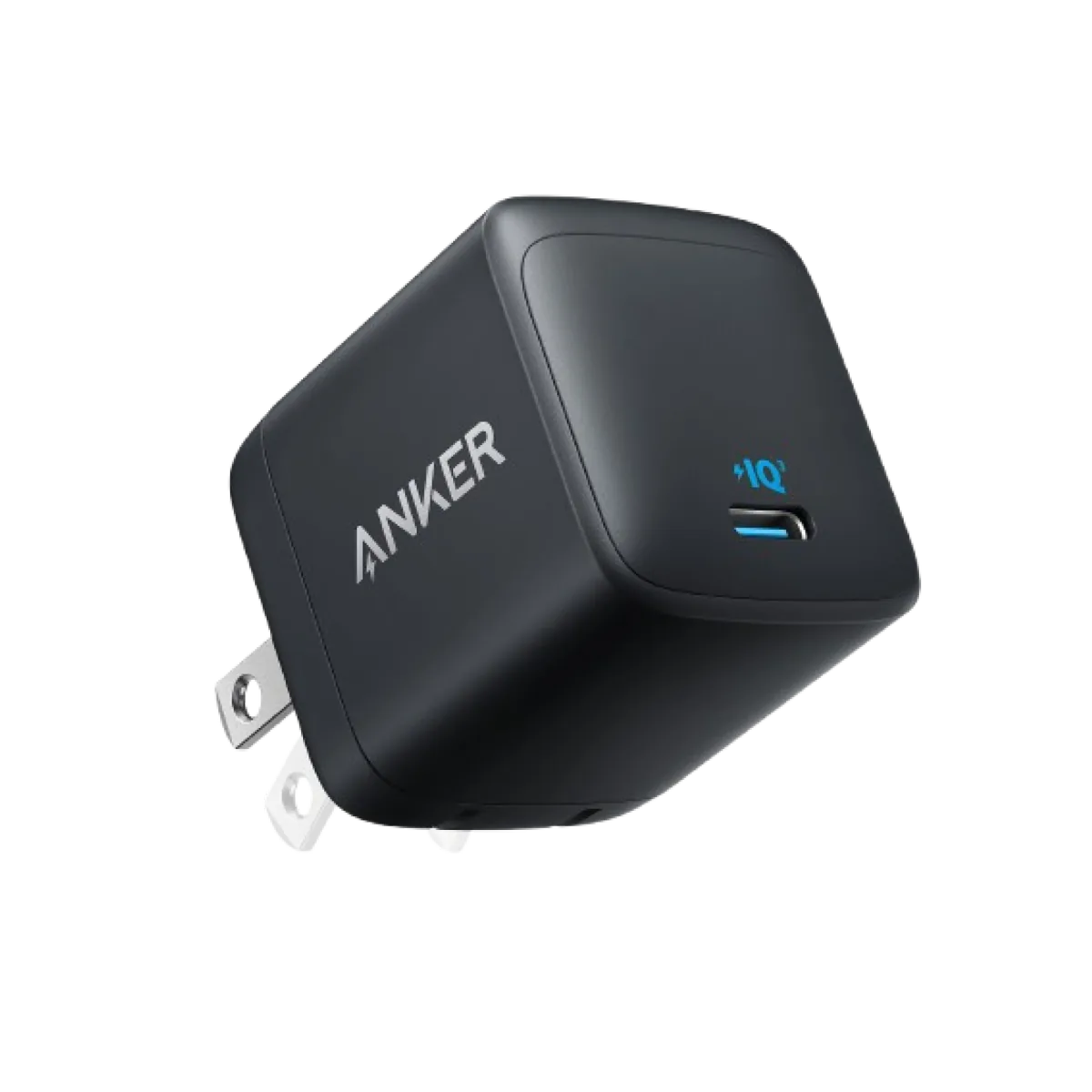
Anker Nano 45W GaN USB-C Charger | MacBook Air + iPhone 17
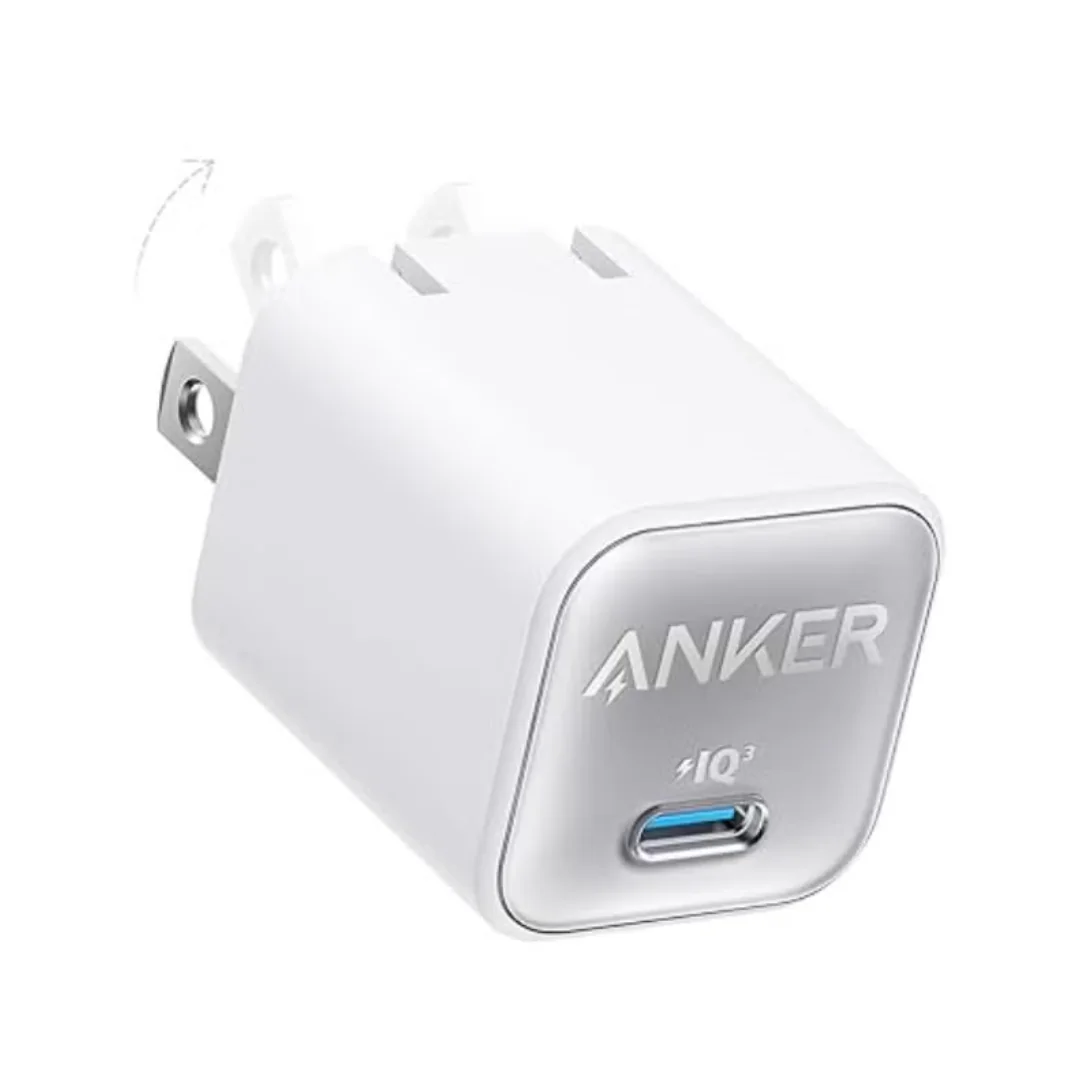
Anker 511 Nano 3 GaN Charger 30W (A2147) | USB-C PD | IQ3
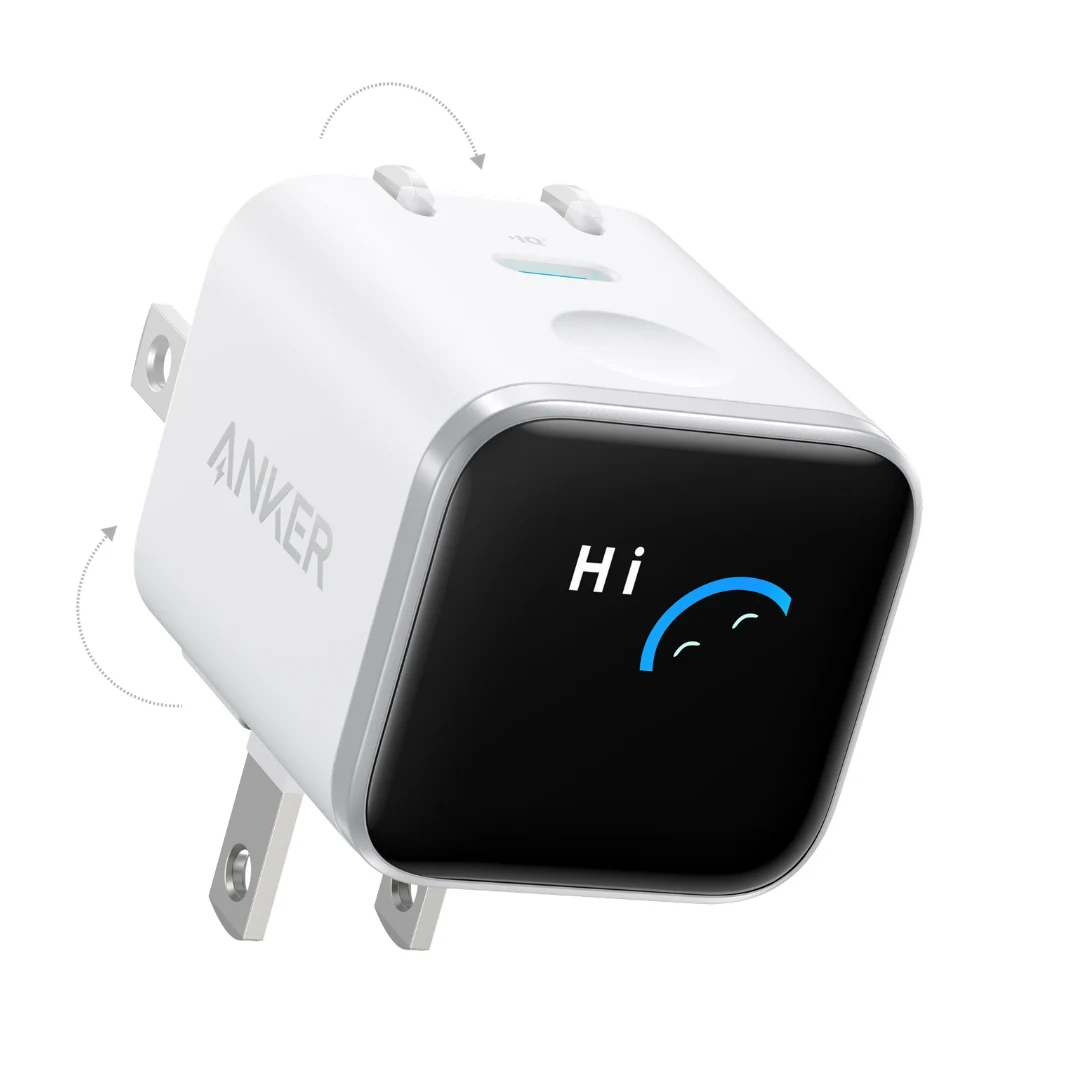
Anker Nano 45W Smart Display GaN Charger (A121D) | 180° Foldable Plug | USB-C PD
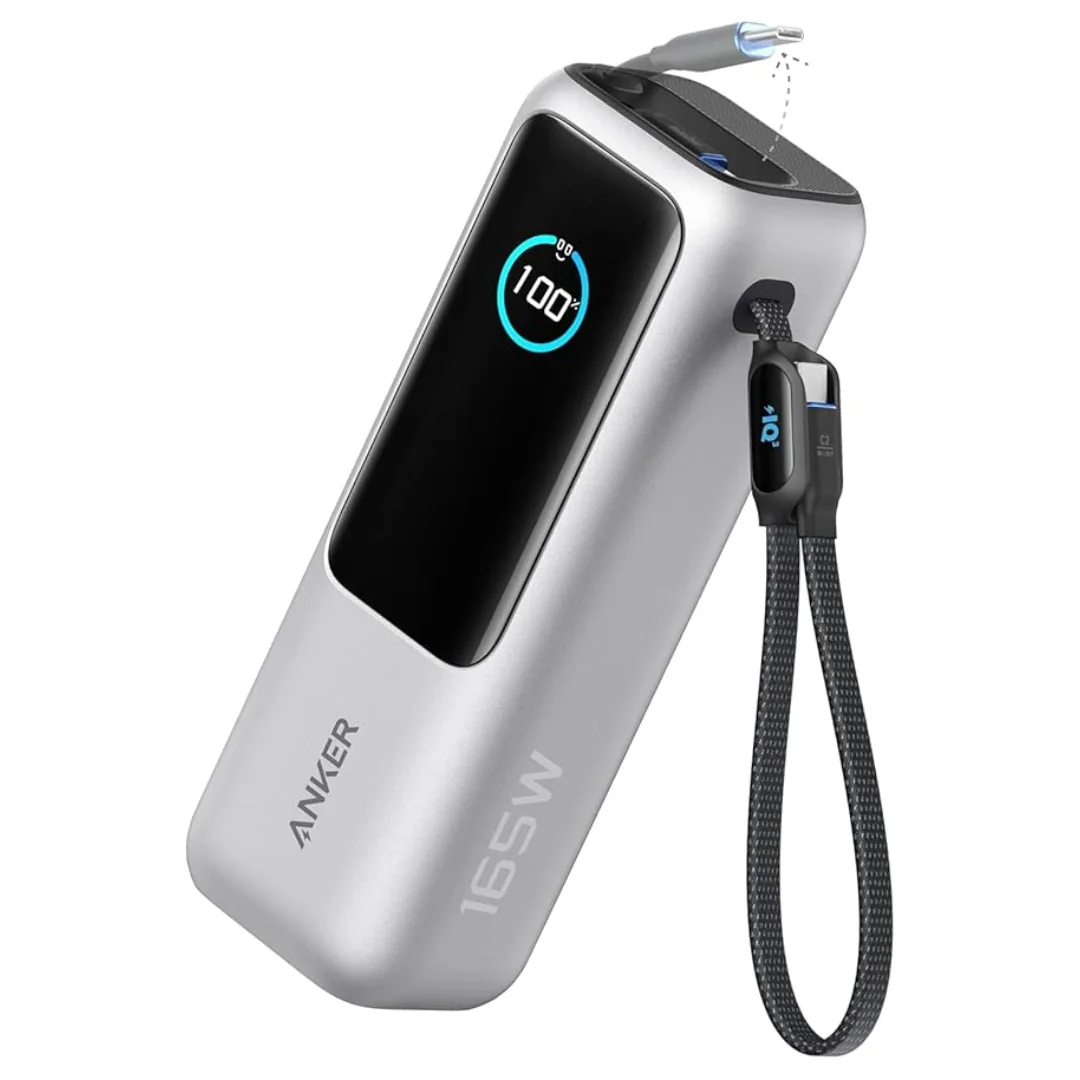
Anker Zolo Power Bank 25,000mAh 165W — Built-In Dual Cables | MacBook Charging
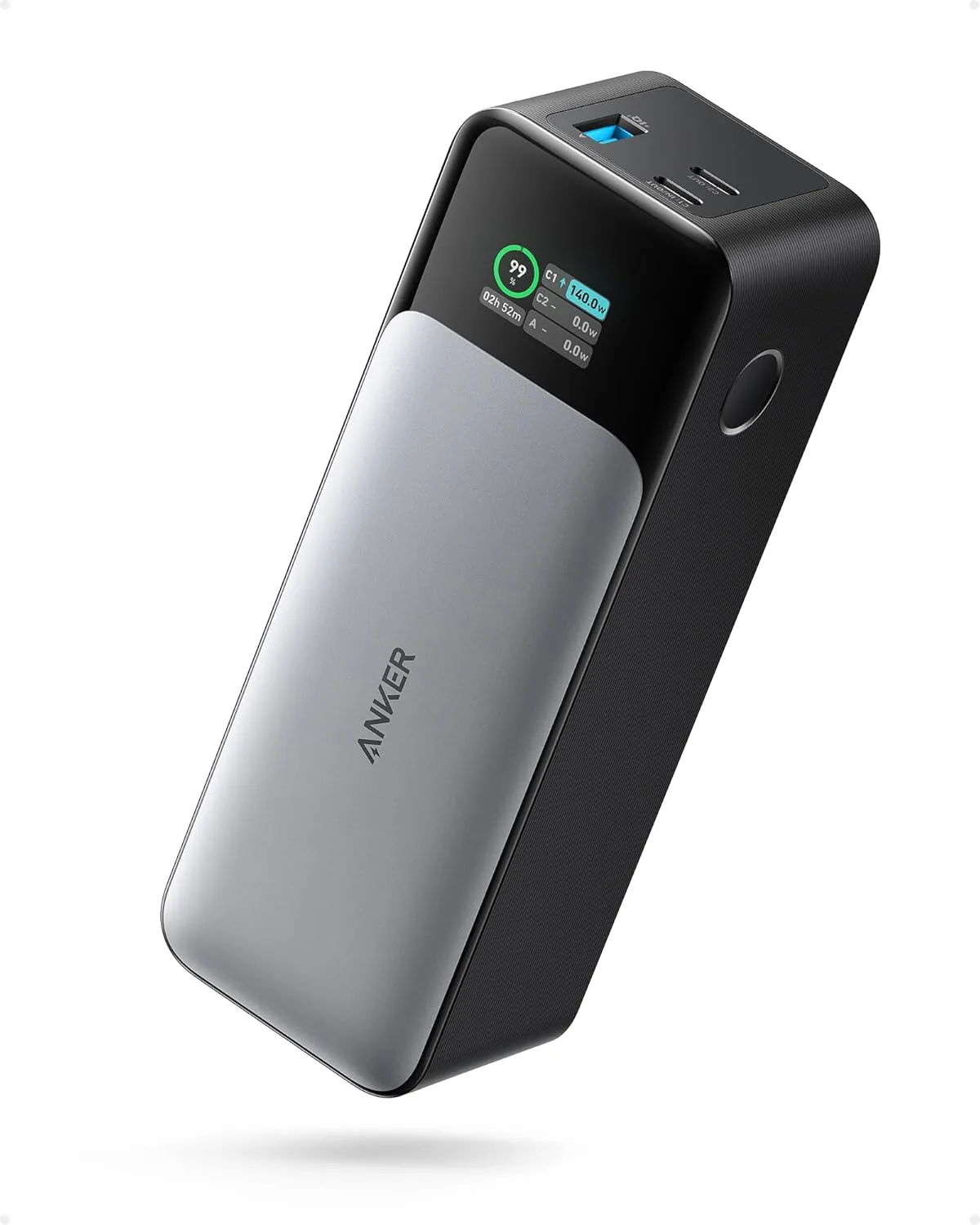
Anker 737 Power Bank (PowerCore 24K, A1289011) | Listed 140W PD 3.1 | 24,000mAh
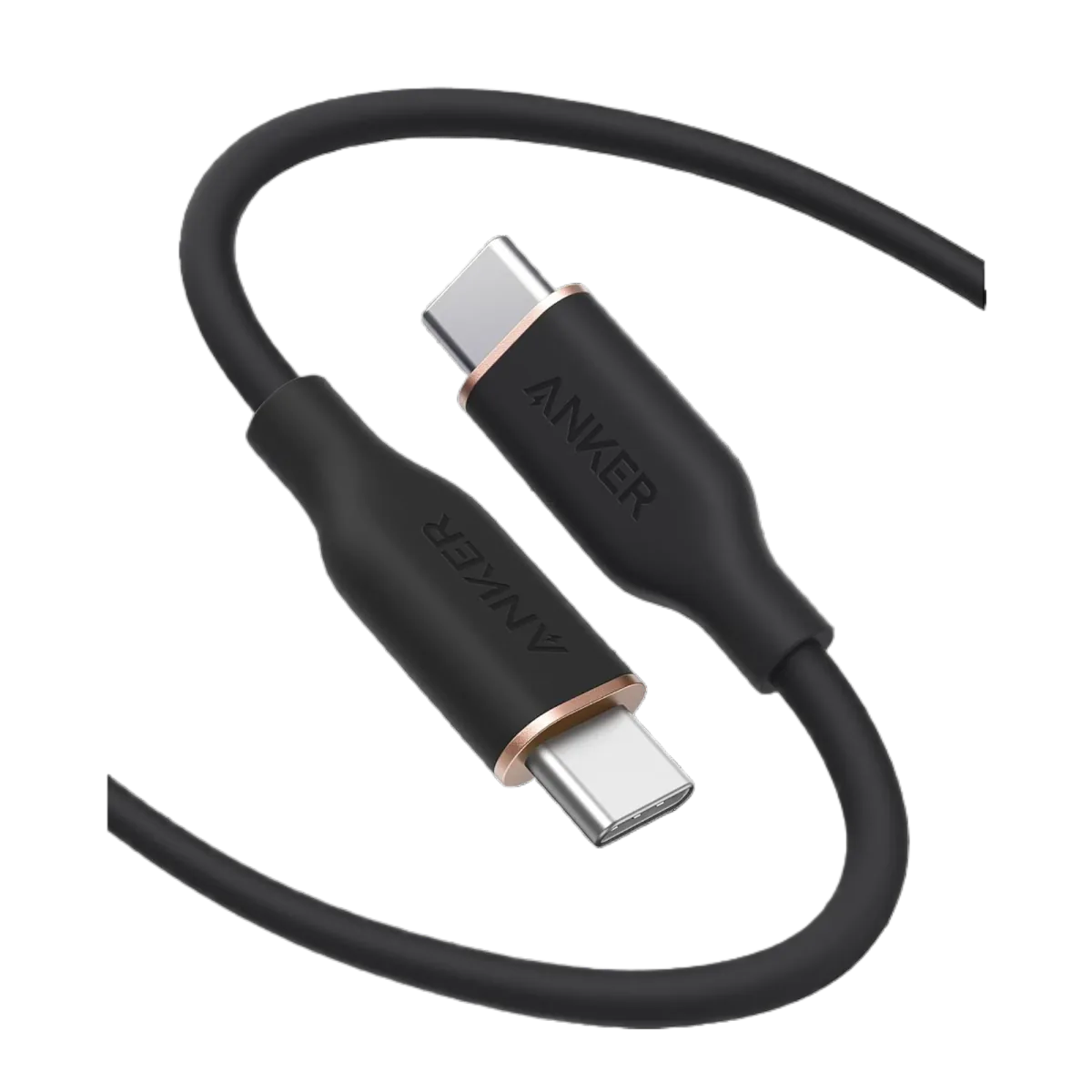
Anker PowerLine III USB-C to USB-C | 60W | iPhone 17 & Samsung S26
Browse the categories this article covers
Related Articles

GaN Charger Technology: Why a 30W Charger is Now Smaller Than Your Thumb (Complete Science Guide)
Read more →
5 Slimmest 100W GaN Laptop Chargers for Your Bag — For Professionals & Students in Egypt
Read more →