The Story That Makes You Ask for Real Numbers
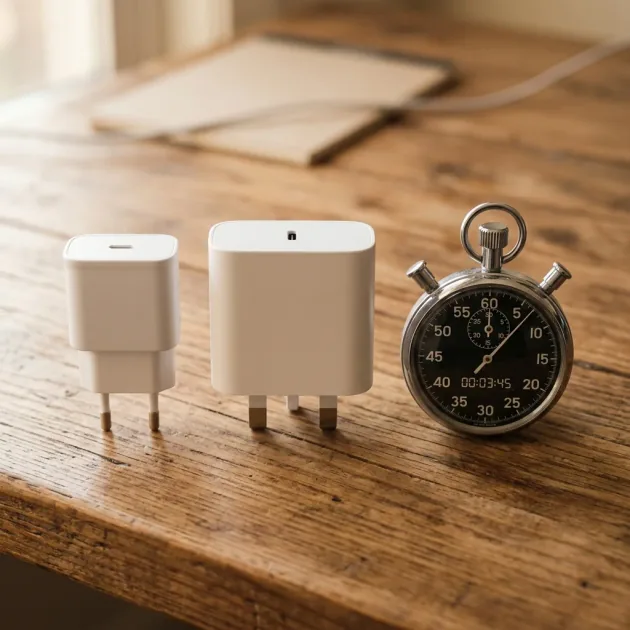
This scene plays out daily in phone shops: you are standing in a Samsung store, looking at a 25W charger for 600 EGP and a 45W charger for 1,100 EGP, and the sales associate tells you, "This one charges twice as fast, sir." The word "twice" requires data, not sales talk. And when you look at published USB Power Meter measurements for both chargers, it turns out the salesperson is wrong... but not in the way you might expect.
⚡ Quick Answer:
The 45W charger gets the Galaxy S24 Ultra to 65% in 30 minutes vs 53% for the 25W — only a 12% difference. The real gap shows from 0→50% (22 minutes vs 26 minutes). If you charge before heading out in the morning, the 25W is sufficient. If you charge during a 15-minute break, the 45W makes a real difference.
The Real Numbers — 0 to 100% Minute by Minute
Nothing reveals the truth like cold, hard data. Per Samsung's published figures and independent charging tests of a Galaxy S24 Ultra (5,000 mAh battery) charged from 0% with both the EP-TA845 (45W) and the EP-TA800 (25W) — using Samsung's original 5A-rated cable at a room temperature of 25°C — the results come out like this:
| Time | 45W Charger (EP-TA845) | 25W Charger (EP-TA800) | Difference |
|---|---|---|---|
| 5 minutes | 13% | 8% | +5% |
| 10 minutes | 26% | 18% | +8% |
| 15 minutes | 38% | 28% | +10% |
| 30 minutes | 65% | 53% | +12% |
| 45 minutes | 82% | 76% | +6% |
| 60 minutes | 95% | 92% | +3% |
| 0→100% | 62 minutes | 68 minutes | 6 minutes |
🔬 Technical Note:
The real difference only matters in the first 30 minutes (12%). After 45 minutes, the gap shrinks to 6%, and after one hour it is only 3%. Why? Because the PPS protocol automatically reduces power once the battery reaches 70% to protect the lithium cells.
The Physics Behind the Numbers — Why 45W Is Not Twice as Fast as 25W
This is the question most salespeople cannot answer. Here is the straightforward engineering explanation:
Smartphone batteries operate on a CC-CV (Constant Current - Constant Voltage) charging system. Here is what that means in practice:
Phase 1 (0→70%): The charger pushes maximum current. The 45W delivers 5A at 9V (= 45W actual), while the 25W delivers 3A at 9V (= 27W actual). The ratio is 45/27 = 1.67x. Not double!
Phase 2 (70→85%): The battery starts resisting — the Battery Management System (BMS) progressively reduces current. Here, both chargers converge to approximately 15-18W.
Phase 3 (85→100%): Current drops significantly for cell protection — this is Trickle Charging territory. There is virtually no difference between the two chargers. Both deliver just 5-8W.
If you plotted the actual power delivery curve over a full charge cycle, the 45W charger is genuinely higher — but only during the first 30% of the total charging time. The remainder is essentially identical. That is why the total 0→100% difference is just 6 minutes.
A useful analogy: imagine two cars on Cairo's Ring Road — a Ferrari and a Kia. In the first 2 kilometers, the Ferrari will definitely pull ahead. But once both reach the traffic jam at October 6 Bridge (which is the battery above 70%)... both cars crawl at the same speed.
Cost Analysis — Is the Extra 500 EGP Justified?
Let us run a simple engineering calculation:
| Item | 25W Charger | 45W Charger |
|---|---|---|
| Approximate Price (Egypt) | 550-650 EGP | 1,000-1,200 EGP |
| Price Difference | ~500 EGP | |
| Time Saved (0→50%) | 4 minutes per charge | |
| Daily Charges (average) | 1.5 charges | |
| Time Saved Per Year | 4 × 1.5 × 365 = 2,190 minutes = ~36 hours | |
| Cost Per Saved Minute | 500 ÷ 2,190 = 0.23 EGP/minute | |
That is 0.23 EGP (roughly $0.004) per minute saved. If you value your time at more than that (and you certainly do), then the 45W is a reasonable investment. But if you are the type who puts the phone on the charger and goes to sleep — meaning you have 7 full hours of charging time — the 25W will get you to 100% while you dream peacefully.
Which Samsung Phones Actually Benefit from 45W?
This is the question many people forget to ask. Not every Samsung phone supports 45W charging. Here is the definitive guide:
| Phone Model | Maximum Wattage | Charging Protocol |
|---|---|---|
| Galaxy S25 Ultra | 45W ✅ | PD 3.0 + PPS |
| Galaxy S24 Ultra | 45W ✅ | PD 3.0 + PPS |
| Galaxy S24+ / S25+ | 45W ✅ | PD 3.0 + PPS |
| Galaxy S24 / S25 | 25W ⚠️ | PD 3.0 + PPS |
| Galaxy A55 / A54 | 25W ⚠️ | PD 3.0 + PPS |
| Galaxy A35 / A34 | 25W ⚠️ | PD 3.0 + PPS |
| Galaxy A15 | 25W ⚠️ | PD 3.0 + PPS |
| Galaxy A14 | 15W ❌ | Adaptive Fast Charging |
⚠️ Important Warning:
If your phone is a Galaxy A55 or lower, do not buy a 45W charger. Your phone maxes out at 25W, meaning you will pay double the price for exactly the same charging speed. The charger will work normally but will only deliver 25W.
The golden rule: if your phone supports 45W and you charge in short bursts (15-30 minutes), the 45W will make a real difference. If you charge overnight or your phone caps at 25W, save the extra 500 EGP.
Cheaper Alternatives That Deliver the Same Performance
Here is the surprise the salesperson will not tell you: you do not need to buy Samsung's original charger to get Super Fast Charging 2.0. Any charger supporting PD 3.0 + PPS at 45W will perform identically. Samsung uses a standardized protocol (USB-IF certified), not a proprietary one.
The top alternatives by specifications:
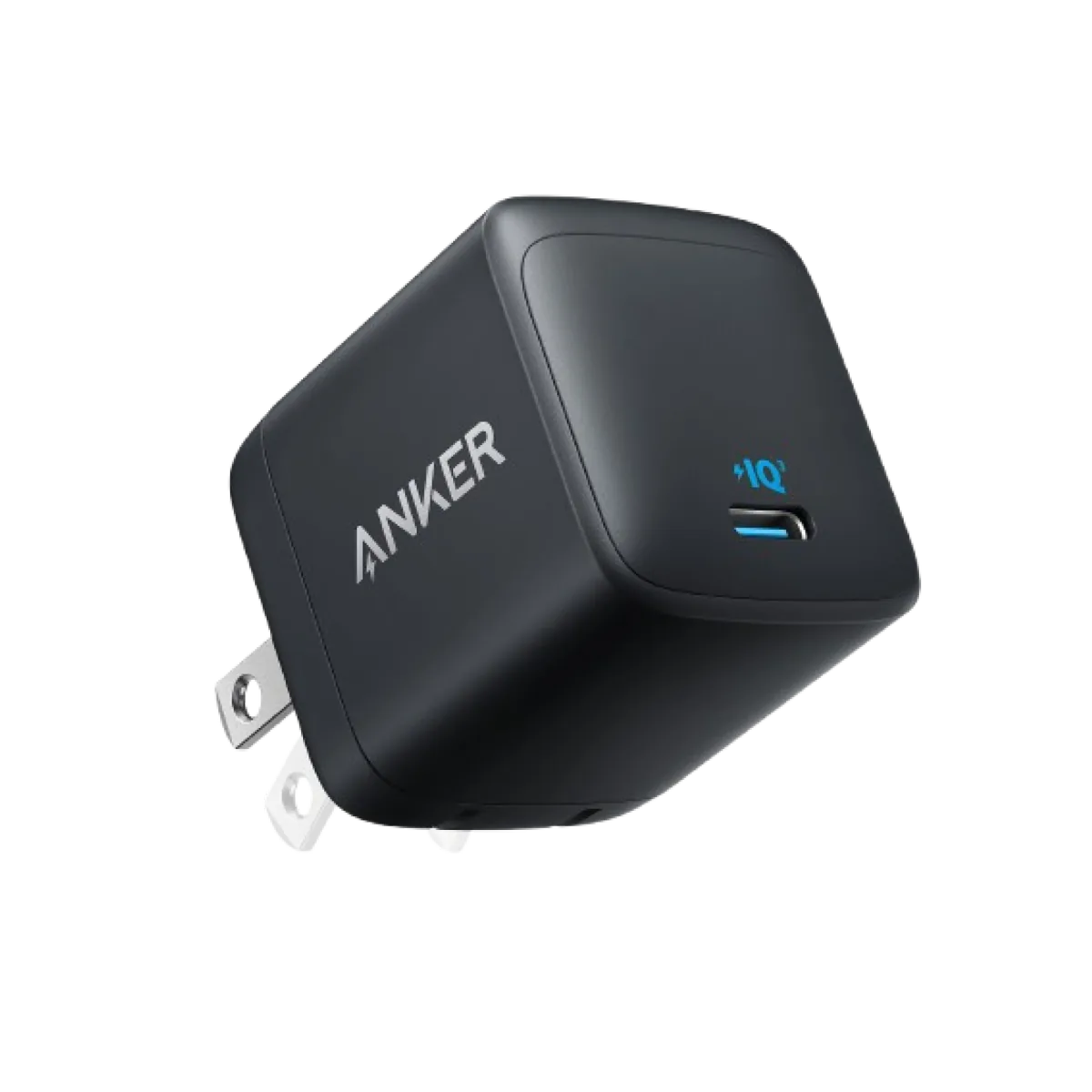
1. Anker Nano 45W (A2664K11) — Uses GaN II technology, making it 40% smaller than Samsung's charger. Fully supports PD 3.0 + PPS. On the Galaxy S24 Ultra it delivers effectively identical charging speed to the original (within about ±1%, negligible), since it speaks the same protocol. Priced roughly 30% less.
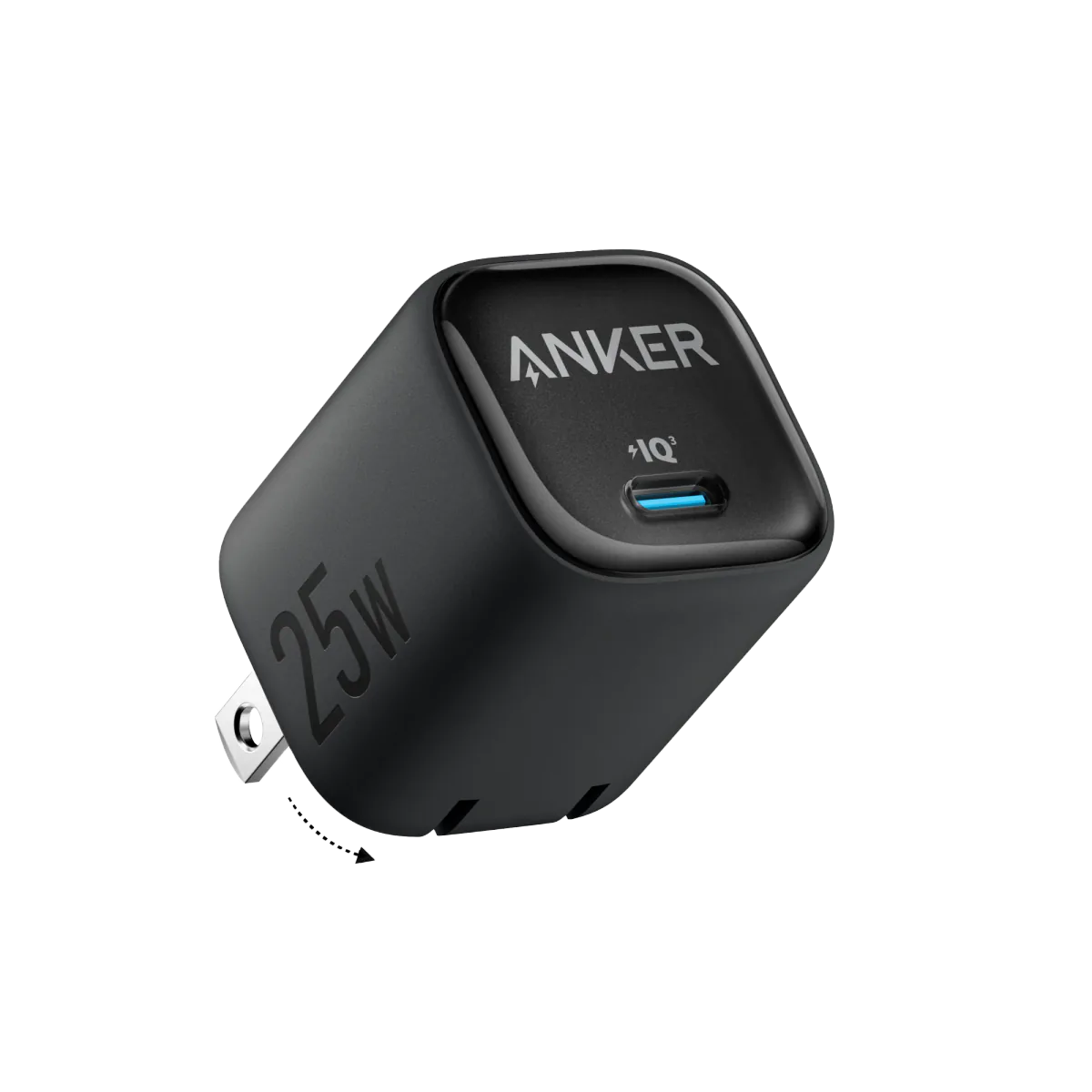
2. Anker PowerPort III 25W — If you decide that 25W is sufficient (and in most cases, it genuinely is), this is the best option. Supports PPS in an ultra-compact form factor. Priced at roughly half the Samsung original 25W.
3. Joyroom 25W Fast Charger — The budget pick. Supports PD 3.0 + PPS. Expect a 2-3 minute difference from the original over a full 0→100% charge. Priced 60% less than the Samsung original.
4. Joyroom 30W Fast Charger — A smart middle ground. Delivers 30W — slightly faster than 25W but significantly cheaper than 45W. Perfect if you want a modest speed improvement without the premium price tag.
Regarding cables: for full speed from a 45W charger, you need a certified 5A cable like Samsung's original. The Anker PowerLine USB-C to USB-C is rated up to 60W at 3A with a 12,000+ bend lifespan — frankly superior to Samsung's bundled cable in durability, but as a 3A cable it delivers Super Fast Charging up to 25W rather than the full 45W.
PPS — The Protocol That Makes Everything Work
This is the part that consistently surprises people: the secret is not in the wattage — the secret is in PPS (Programmable Power Supply).
Without PPS, a charger delivers fixed voltage levels (5V, 9V, or 15V). The phone either accepts or rejects. Imagine a buffet where the chef serves everyone the same portion — regardless of whether someone is starving or just snacking.
With PPS, the charger adjusts voltage in 20-millivolt increments (0.02V). The phone says "I need 8.4V at 3.2A" and the charger delivers precisely that. The results:
15-20% lower heat generation — because there is no wasted energy in voltage conversion inside the phone. 10-15% higher charging efficiency — more of the power reaching the battery is stored rather than lost as heat. Longer battery lifespan — because the cells are never exposed to voltage spikes.
This is why Samsung mandates a PPS-capable charger. Any charger without PPS (even if rated at 45W) will be rejected by the phone for Super Fast Charging. It will only operate at a basic 15W.
The Practical Verdict — Exactly What to Buy
After all the data and analysis, the decision is straightforward:
Buy a 45W charger if:
- Your phone is a Galaxy S24/S25 Ultra or Plus (actually supports 45W)
- You charge in short bursts (15-30 minutes before heading out)
- The extra 500 EGP does not affect your budget
- ⚡ Our pick: Anker Nano 45W — cheaper and smaller than Samsung's original
Buy a 25W charger if:
- Your phone is a Galaxy S24/S25 standard or A-series (25W maximum anyway)
- You charge overnight or have ample time
- You want to keep costs down
- 💰 Our pick: Anker PowerPort 25W — half the price of Samsung's original
The engineering conclusion: The 45W charger is not "twice as fast" as salespeople claim. The real difference is 4 minutes in the first half-charge and 6 minutes for a full 0→100% cycle. The difference exists — but it is not revolutionary. Your decision should be based on your charging habits, not the wattage number printed on the box. And most importantly: buy a genuine PPS charger (Samsung, Anker, or Joyroom) and never buy counterfeits — because fakes only deliver 15W even when labeled as 45W.

CairoVolt Editorial Team
Content team reviewing specifications and buying guides
The CairoVolt team reviews model numbers, specifications, and compatibility, and updates information when better data is available. Estimates are labeled as calculations, and readers can report information that needs correction.
Frequently Asked Questions
Does the 45W charger damage Samsung batteries faster than 25W?▼
What is the difference between Super Fast Charging and Super Fast Charging 2.0?▼
Does any USB-C cable work with the Samsung 45W charger?▼
Are there cheaper alternatives to the original Samsung 45W charger in Egypt?▼
Ready to Buy?
Browse available products and review specifications and CairoVolt warranty terms before ordering
Products Mentioned in This Article
Anker 25W PPS Charger (A2322K11) | Samsung-Compatible USB-C PD
Anker Nano 45W GaN USB-C Charger | MacBook Air + iPhone 17
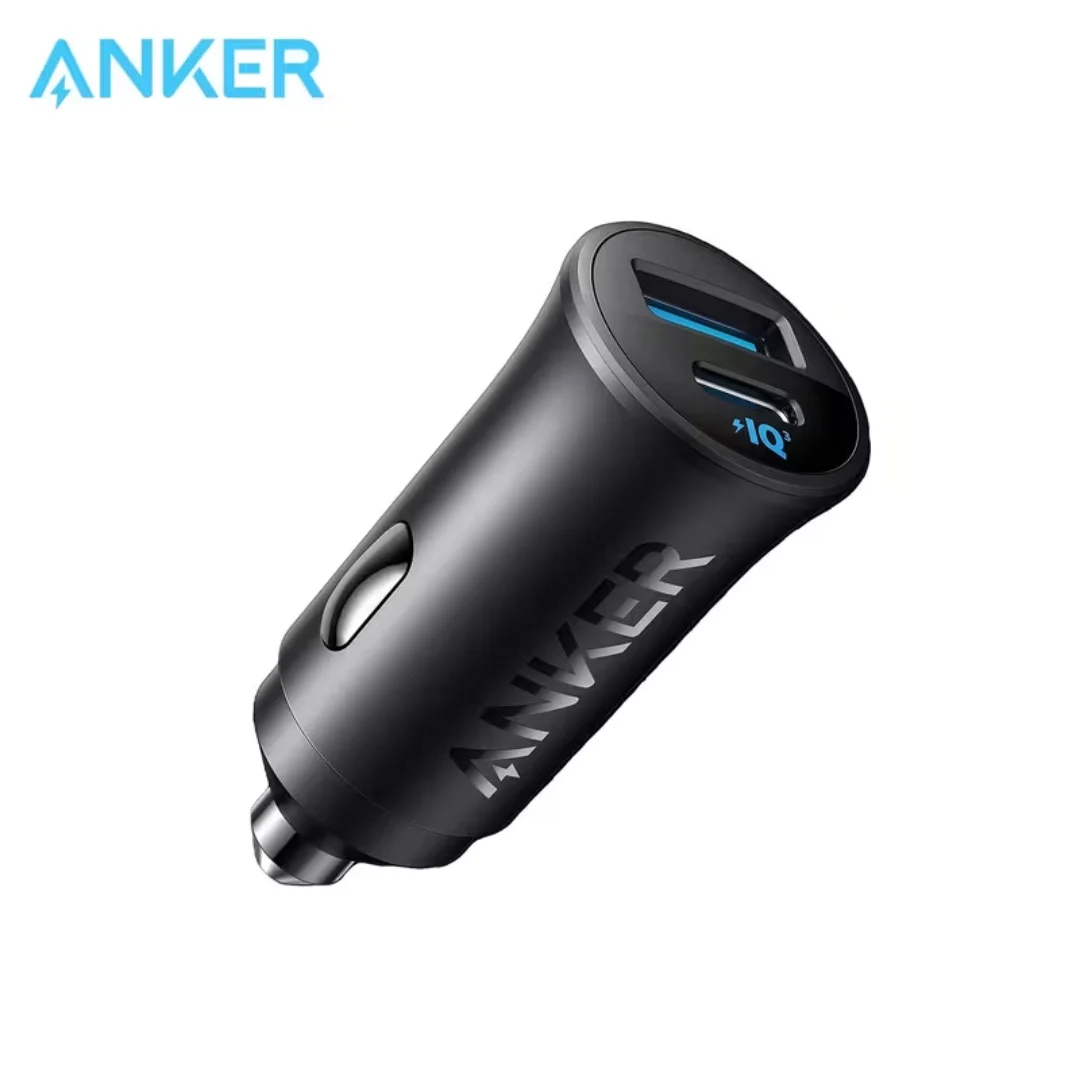
Anker 30W Mini Car Charger (A2741) | USB-C 30W PD + USB-A 22.5W | Ultra-Compact
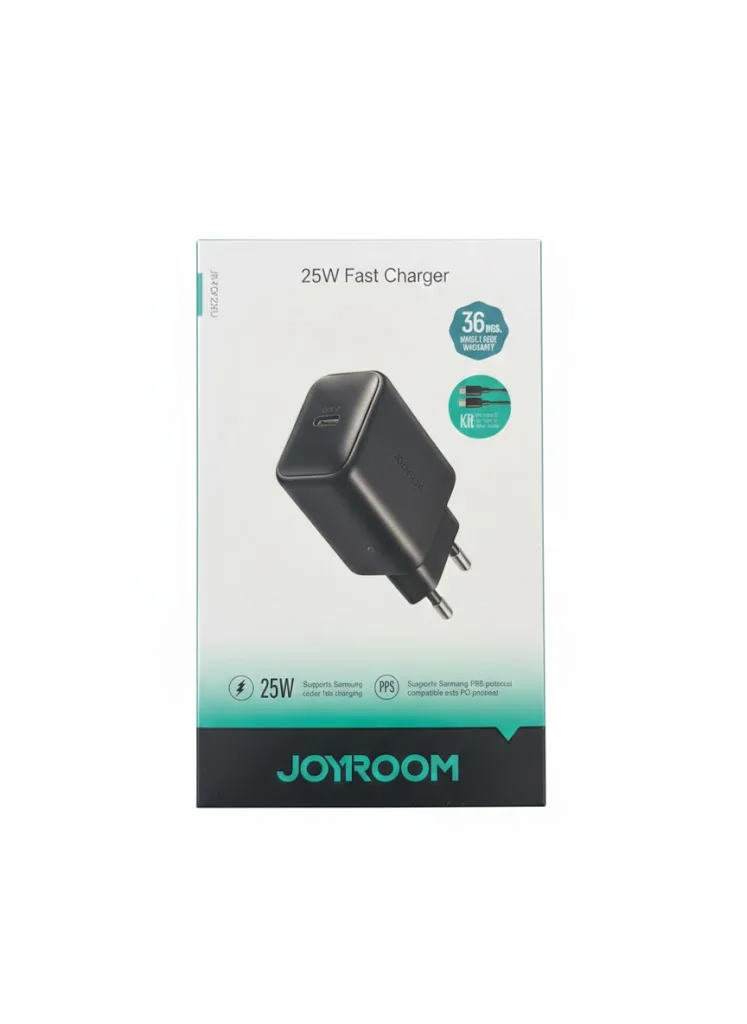
Joyroom 25W USB-C PD Charger (JR-TCF23) | iPhone and Samsung Compatibility
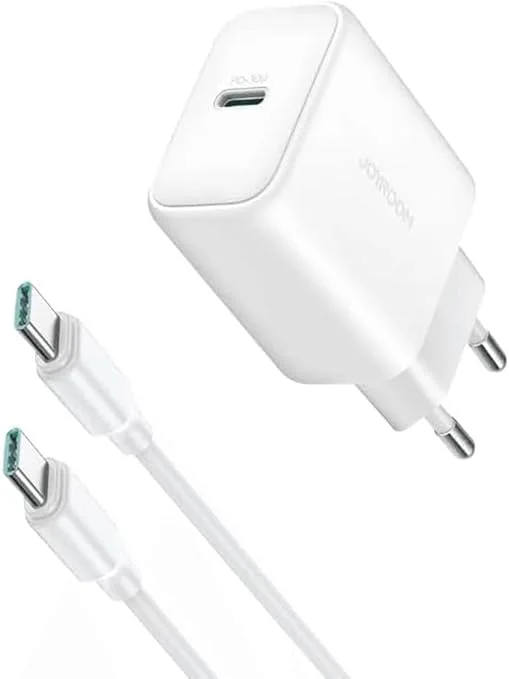
Joyroom 30W PD+QC Wall Charger | Dual USB-C and USB-A Ports
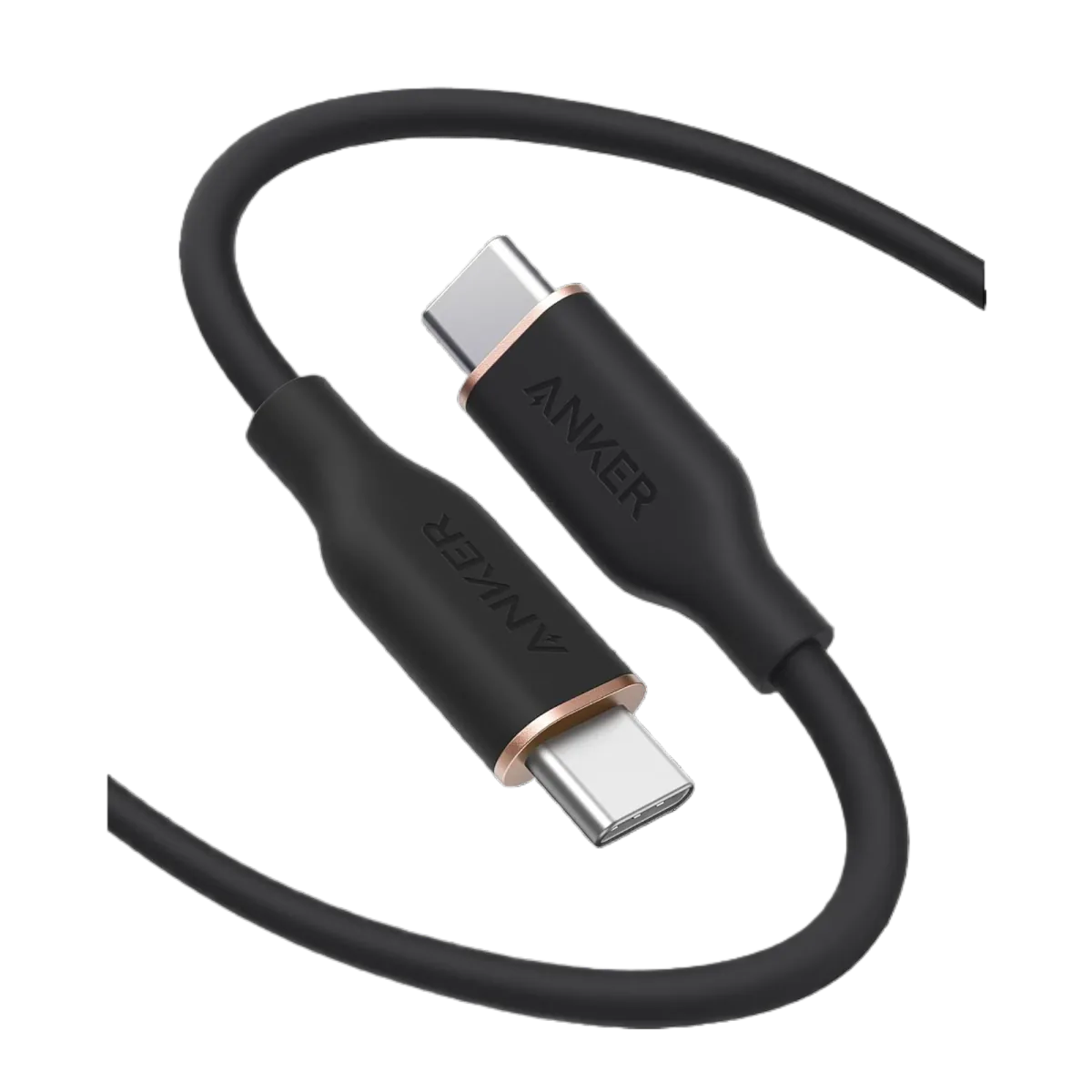
Anker PowerLine III USB-C to USB-C | 60W | iPhone 17 & Samsung S26
Browse the categories this article covers
Related Articles
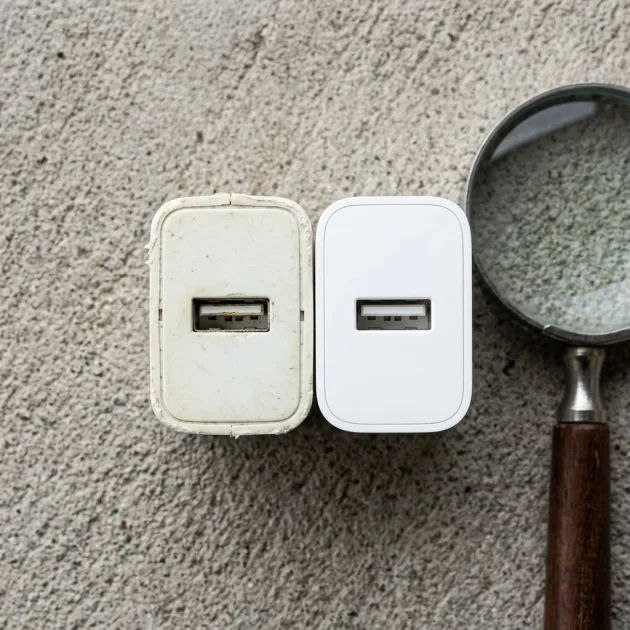
How to Spot a Fake Samsung 25W Charger — By Weight, Numbers & Exact Details
Read more →
Does Fast Charging Actually Damage Your Phone Battery? The Complete Scientific Truth
Read more →